AI Science Concept Map Generator
Turn a topic into concepts, connections, and labeled relationships
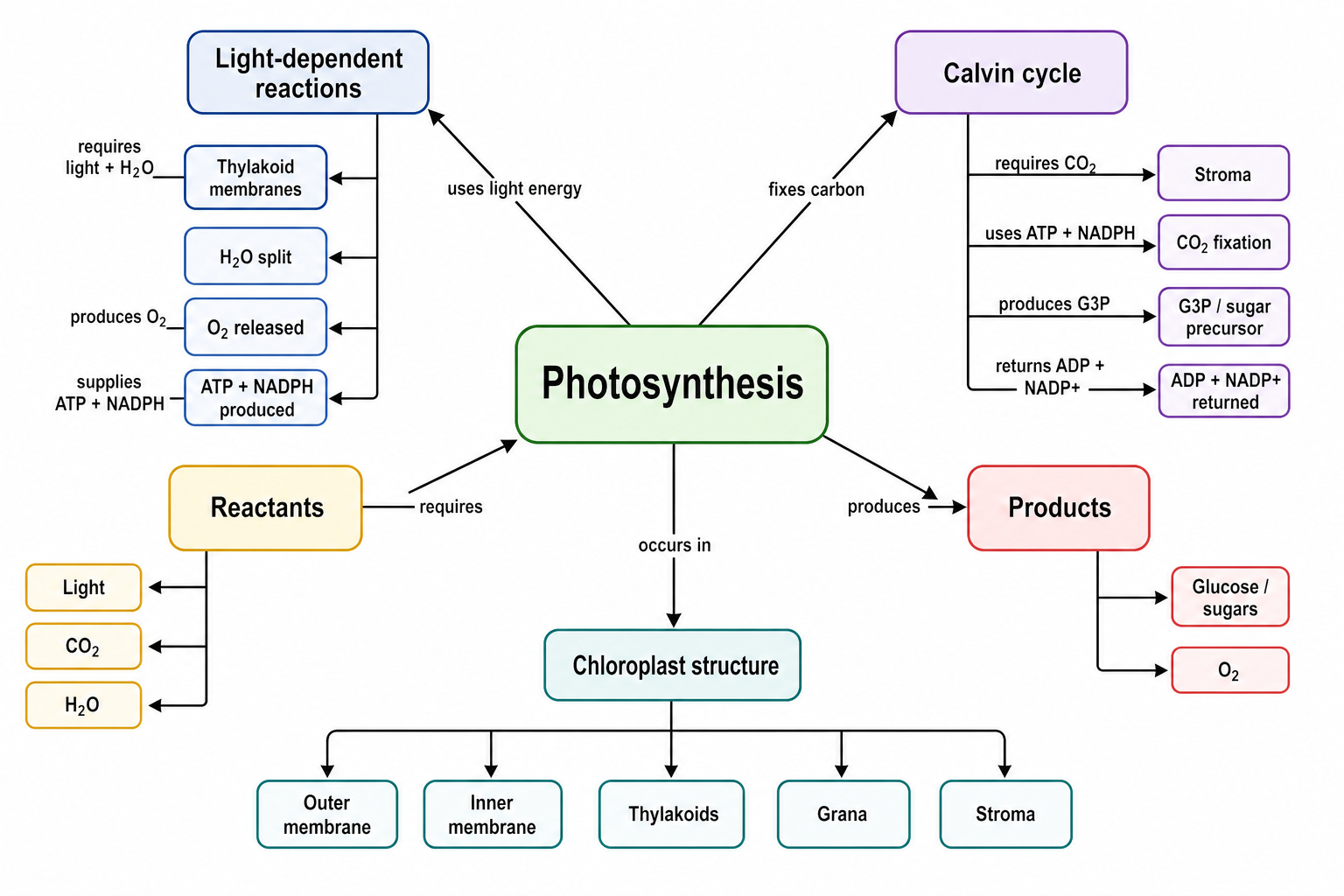
Enter a science topic, and SciDraw AI draws a labeled concept map — the central idea, related concepts as connected nodes, and linking phrases on every connection — so the structure of the topic becomes visible at a glance.
Concept Map Examples
Browse concept maps across science subjects, or generate your own above.
What can this AI concept map generator do?
This free AI concept map generator turns a science topic into a labeled concept map: the central concept in a prominent node, related concepts branching out as connected nodes, and a short linking phrase on every connection — 'leads to', 'requires', 'is part of' — so the relationships are explicit, not implied. You describe the topic or list the concepts you want mapped, generate, refine in the editor, and download the map as a high-resolution image for study, teaching, or presentations. Note the difference from related tools: a concept map organizes knowledge for learning; a conceptual framework models research variables and hypotheses — for that, use the Conceptual Framework Maker.
Why concept maps help you learn
- Making relationships explicit exposes gaps that linear notes hide
- Connecting new concepts to known ones is how durable understanding forms
- A finished map doubles as a one-glance revision summary of the topic
- Building the map is itself active recall — more effective than rereading
- Teachers can use maps to show the structure of a unit before diving into detail
How to make a concept map with AI
Start by naming the central concept — the topic everything else connects to. List the related concepts you want included, or let the AI propose them from the topic alone. Generate the map, then check two things: are the most important concepts present, and does every connecting line carry a meaningful linking phrase? A connection without a label is a missed opportunity to state the relationship. Regenerate or edit until the hierarchy reads correctly from general to specific, then download the finished map as a high-resolution image.
What a good concept map includes
- A central concept that anchors the whole map
- Concept nodes phrased as short noun phrases, not sentences
- A linking phrase on every connection that states the relationship
- A hierarchy from general concepts down to specific examples
- Cross-links between branches where ideas genuinely connect
- A layout with enough spacing that every label stays readable
Concept Map Generator FAQ
What is a concept map?
A concept map is a diagram that shows concepts as nodes and the relationships between them as labeled connections. Unlike a simple list or outline, it makes the structure of a topic explicit — which concepts are central, which are subordinate, and how they influence each other. Concept maps were developed in education research and are one of the best-evidenced study techniques for building understanding.
What is the difference between a concept map and a mind map?
A mind map radiates keywords from a central idea, usually without describing the connections. A concept map goes further: every connection carries a linking phrase that states the relationship, and cross-links can connect different branches. That makes concept maps better for understanding and assessment, while mind maps suit quick brainstorming.
What is the difference between a concept map and a conceptual framework?
A concept map organizes knowledge for learning — concepts and their relationships in any subject. A conceptual framework is a research tool that models the variables in a study — independent, dependent, mediating, and moderating — and the hypothesized relationships between them. For thesis and research work, use the Conceptual Framework Maker instead.
Is the concept map generator free?
Yes — you can sign up and generate for free with daily free credits, no credit card required. Paid plans add a larger monthly credit allowance for heavier use.
Can I edit the concept map after generating it?
Yes. You can regenerate with an adjusted prompt to add or remove concepts, refine the result in the editor, and download the final map as a high-resolution PNG image.
What subjects work best for concept mapping?
The tool is built for science topics — biology, chemistry, physics, ecology, and research methods — where it keeps terminology accurate and relationships correct. Any topic with clear concepts and relationships maps well: body systems, chemical reaction families, ecological cycles, or the structure of a research field.
Explore More Tools
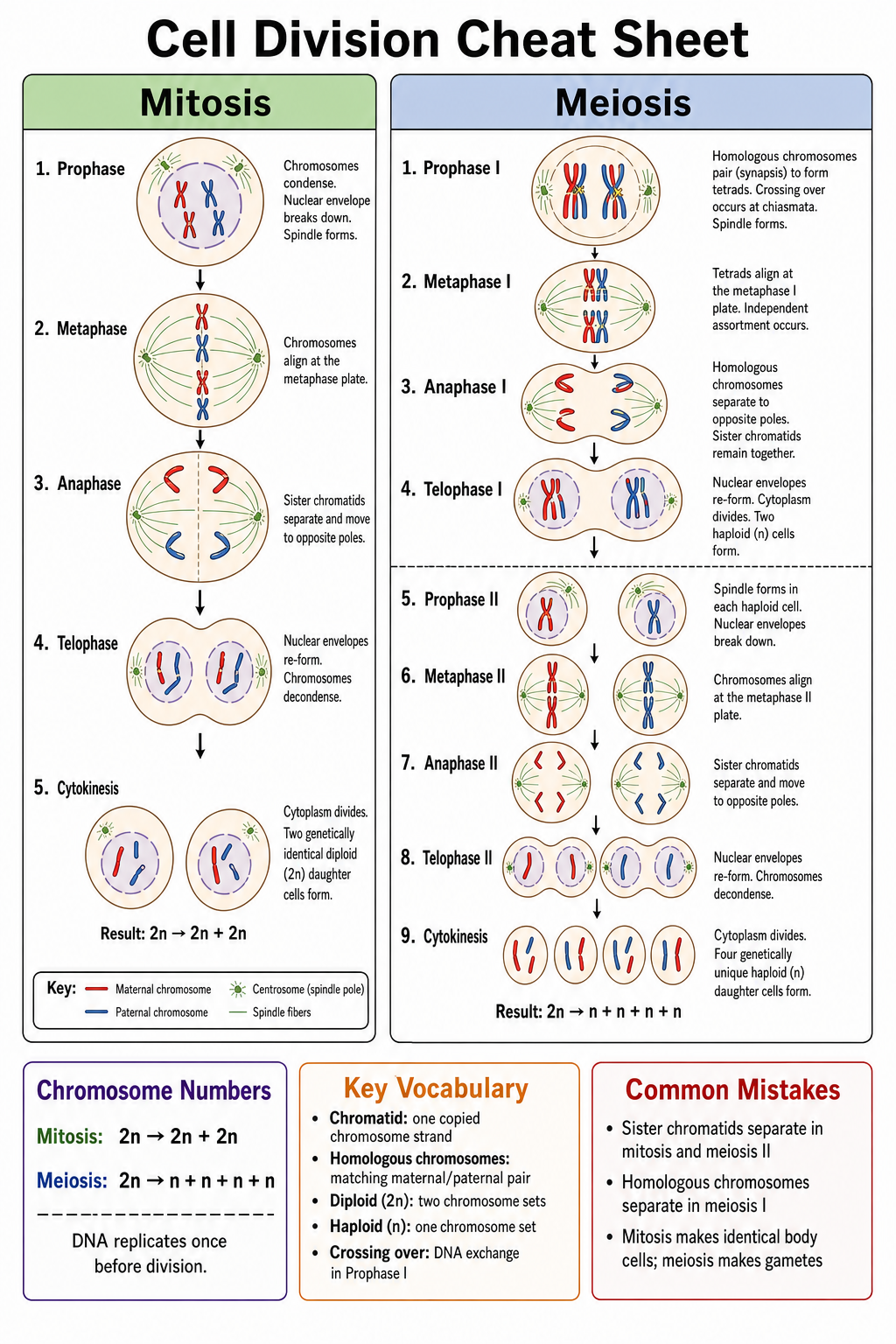
AI Cheat Sheet Maker
Turn a topic or your notes into a one-page visual study sheet for revision and exams.
Try it free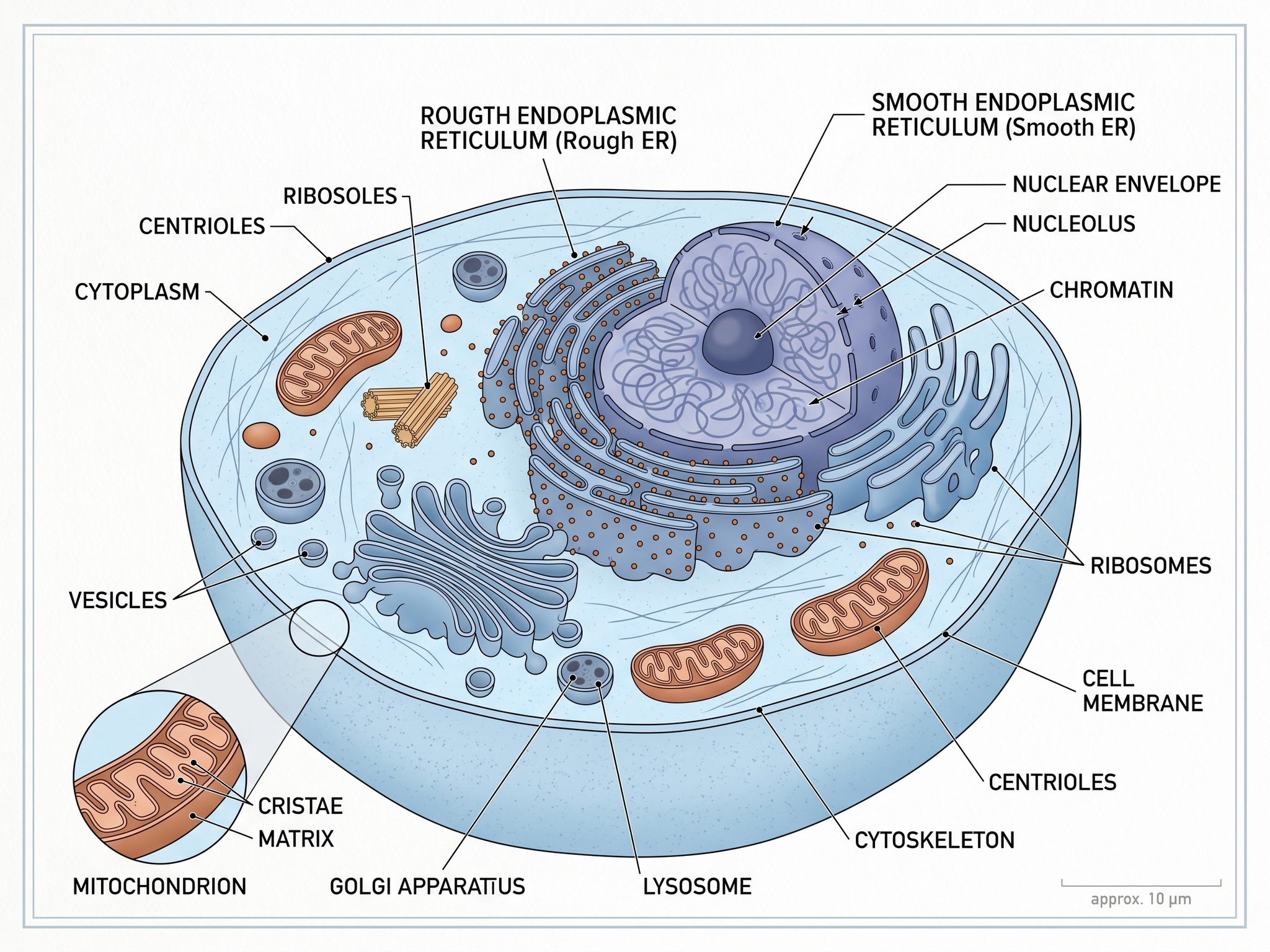
Textbook Illustration Maker
Illustrations tailored for textbooks and learning materials
Try it free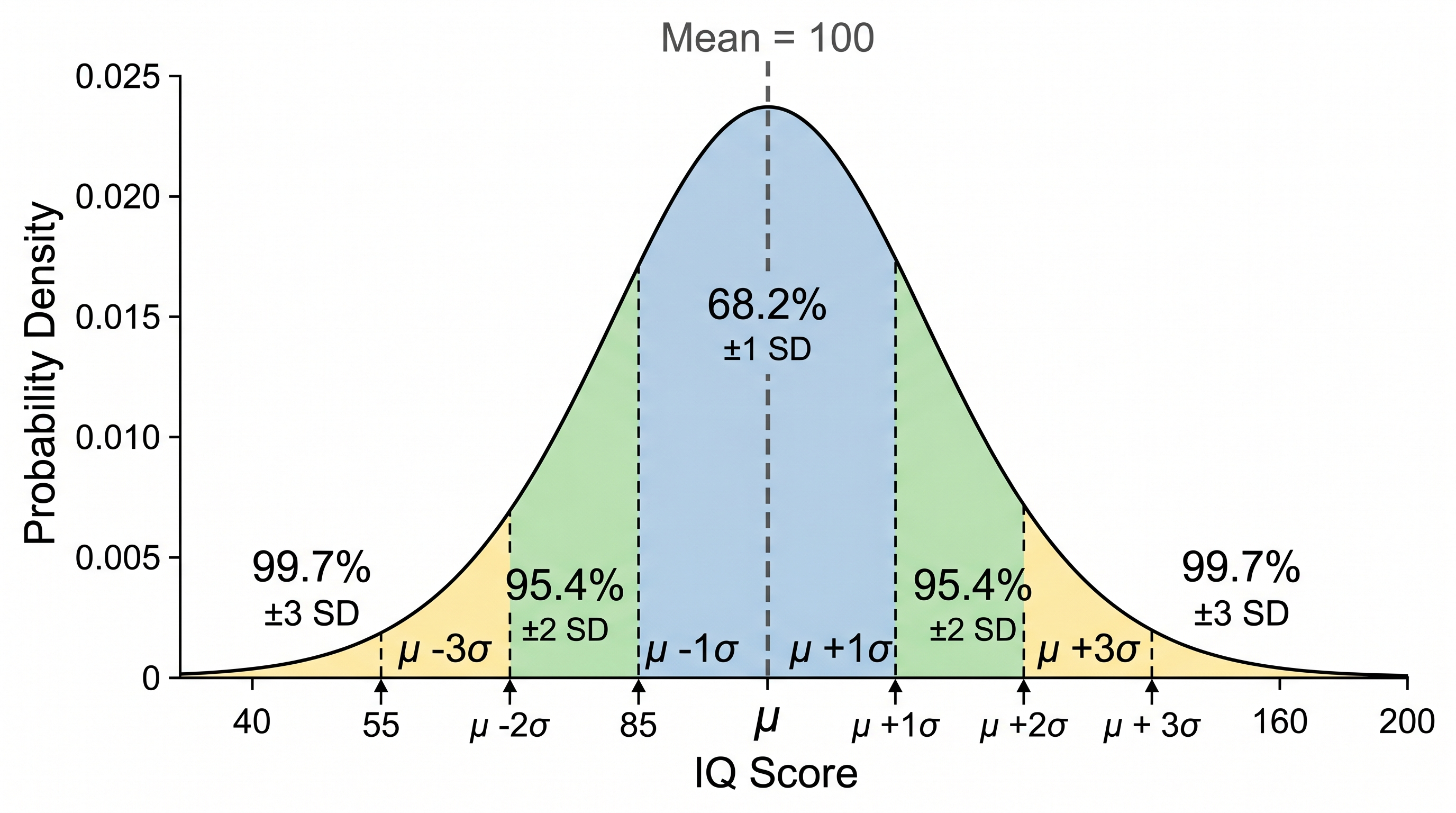
Bell Curve Generator
Create labeled normal distribution graphs with shaded probability regions.
Try it freeReady to Map Your First Topic?
Turn any science topic into a labeled concept map in seconds.