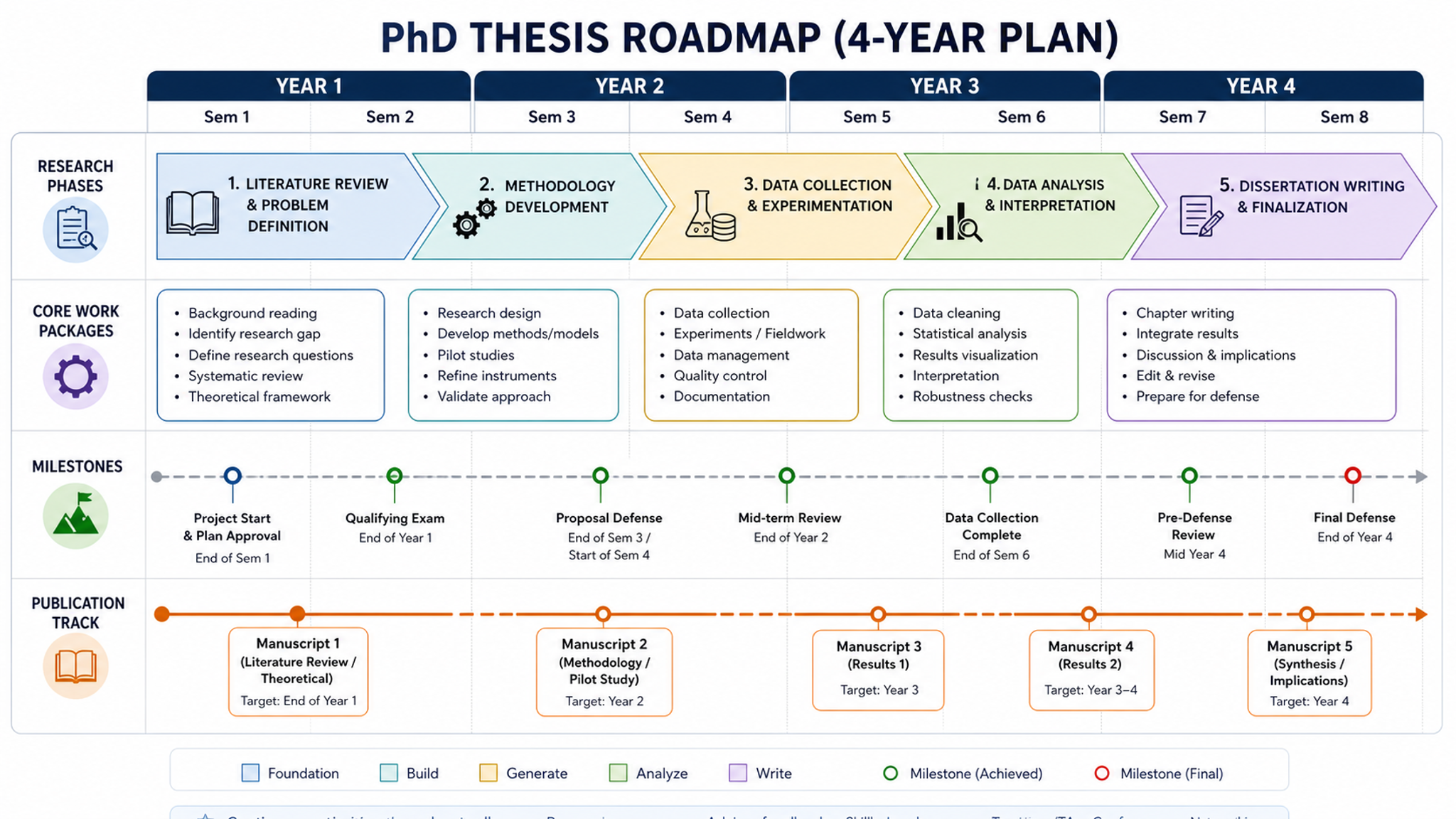
Free AI Research Roadmap Maker
From research plan to professional technical route diagram
SciDraw AI helps researchers create clear, compelling research roadmaps and technical route diagrams for grant proposals, project reports, and academic presentations — visualize milestones, work packages, and deliverables in minutes.
Research Roadmap Examples
Browse examples for different research scenarios, or generate your own above.
What can this AI research roadmap maker do?
This free AI research roadmap maker turns a research plan, grant proposal, or plain-text description into a clear visual roadmap or timeline. It structures your phases, milestones, work packages, and deliverables into a single publication-ready diagram for grant applications, project reports, and academic presentations.
Why researchers need a roadmap diagram
- Help funding reviewers grasp your research strategy at a glance
- Show feasibility with clear phases, milestones, and timelines
- Communicate dependencies and parallel work streams across teams
- Track progress against deliverables in project and annual reports
- Meet figure expectations for NSFC, NIH, ERC, and other funding bodies
How to create an effective research roadmap
An effective research roadmap makes your plan easy to follow and shows reviewers it is achievable. Start with your main objectives, break them into phases with dated milestones, and mark the key deliverables and decision points. Keep labels short and use arrows to show flow and dependencies. SciDraw AI generates grant-ready research roadmaps that follow these best practices automatically.
Common elements in research roadmaps
- Research phases or stages arranged along a timeline
- Milestone markers with target dates
- Work packages, aims, or work streams
- Deliverables and expected outcomes
- Dependency arrows and decision or go/no-go gates
- Critical-path or key-result highlighting
Research Roadmap Templates
Eight starting layouts for the most common roadmap jobs. Pick one to load its prompt into the generator above, then swap in your own aims, methods, and outputs.
Grant Proposal (NSFC / NIH / ERC)
Research objective → research contents and key scientific questions → technical methods → expected outcomes, layered top to bottom on one page.
Medical & Clinical Research
Study population → grouping and intervention → sample collection and assays → statistical analysis → clinical endpoints, with inclusion and exclusion criteria in a side panel.
Engineering & Technology
Engineering problem and performance targets → theory and modeling → simulation and design → prototype testing → iterative optimization → application, in four left-to-right stages.
Social Sciences & Humanities
Research question → theoretical framework → research contents → methods (survey, interviews, text analysis) → findings and policy recommendations, with no time axis.
Thesis Proposal
Background → literature review and research gap → research contents → methods and data → schedule → expected results, sized for one proposal page or defense slide.
PhD Dissertation Overview
One core problem split into 3–4 research chapters, showing how each chapter builds on the last and which paper each one produces.
Teaching Reform / Education Research Project
Problems → reform goal → reform contents (curriculum, teaching model, assessment) → implementation steps → expected outcomes, for teaching-reform and education research project proposals.
Traditional Chinese Medicine Research
Clinical problem and TCM rationale → efficacy validation → active compounds and target prediction → mechanism validation → expected outcomes, for herbal formula and acupuncture projects.
How to Draw a Research Roadmap
A research roadmap (technical route diagram) is your proposal on one page: what you will study, how, in what order, and what you will deliver. Work through these six steps before you open any drawing tool.
- 1
Pin down the objective and the scientific questions
Write the overall objective in one sentence, then distill the one to three key scientific questions the project answers. Every box in the diagram must trace back to them; anything that doesn't serve a question stays out.
- 2
Split the work into research contents
Break the objective into three or four research contents (aims or work packages) of similar weight, either parallel or building on each other. Give each a short title — these become the main columns or rows of the diagram.
- 3
Map methods and experiments to each content
Under each content, name the concrete methods: which model, which samples, how many, which techniques and software. "Build a conditional knockout mouse model" is useful; "use advanced techniques" says nothing. One method per box keeps it readable.
- 4
Draw the logic arrows and the timeline
Use solid arrows for sequence (B starts after A) and dashed arrows for feedback or for results that support another content. Add a time axis or year labels only if your proposal format asks for a schedule; otherwise keep the route purely logical.
- 5
Mark the expected outcomes
End every branch with what it produces — a validated model, a dataset, a prototype, papers or patents — and converge them into one outcome box that answers the scientific questions from step 1.
- 6
Check it against the proposal text
Compare every label with the written proposal: same content names, same numbering, same methods, same schedule — reviewers spot mismatches quickly. Finally, check legibility at the size the figure will actually appear, and stick to two or three colors.
Frequently Asked Questions
What types of research roadmaps can I create?
You can create grant proposal technical route diagrams, Gantt-style project timelines, milestone charts, work package breakdowns, research phase flowcharts, and multi-year project plans. The tool supports both linear and parallel workflow layouts.
Can I use these roadmaps in grant applications?
Yes. Export in high-resolution formats (300+ DPI) suitable for NSFC, NIH, ERC, and other funding applications. SVG and PDF exports can be directly inserted into Word or LaTeX documents. The output meets the figure quality standards expected by major funding agencies.
Does SciDraw AI understand research methodology terminology?
Yes. SciDraw AI recognizes common research terms — work packages, deliverables, milestones, KPIs, TRL levels, preliminary data, validation studies, and more. Just describe your research plan in natural language and the AI will structure it into a professional roadmap.
Can I show parallel work streams and dependencies?
Absolutely. The roadmap maker supports Gantt-style parallel tracks, dependency arrows between tasks, critical path highlighting, and resource allocation views. You can visualize complex multi-team projects with overlapping phases.
How do I customize the visual style?
Choose from multiple layout templates (timeline, flowchart, matrix), color schemes, and labeling styles. You can match your institution's branding or follow specific funding body visual guidelines. All elements can be repositioned after generation.
Can I create roadmaps from an existing proposal document?
Yes. Paste your grant proposal abstract or research plan text, and SciDraw AI will automatically extract key phases, milestones, and deliverables to generate a structured roadmap. You can then refine the output to match your exact requirements.
Where can I find research roadmap templates?
This page includes eight ready-made templates: grant proposal, medical and clinical research, engineering, social sciences, thesis proposal, PhD dissertation overview, teaching reform and education research, and traditional Chinese medicine research. Click "Use this template" to load a detailed layout prompt into the generator, then replace the example aims, methods, and outputs with your own. Funded proposals from your own group and your university's proposal guidelines are also good references for the structure reviewers in your field expect.
How do I draw a technical route diagram for an NSFC grant?
Follow the structure of the proposal's research content section: the research objective at the top, the key scientific questions below it, then each research content with its technical methods underneath, and the expected outcomes at the bottom. Keep it to one page read top to bottom, use the same content names and numbering as the main text, and limit it to two or three colors. You can start from the NSFC grant template above and edit the prompt with your own research plan.
Explore More Tools
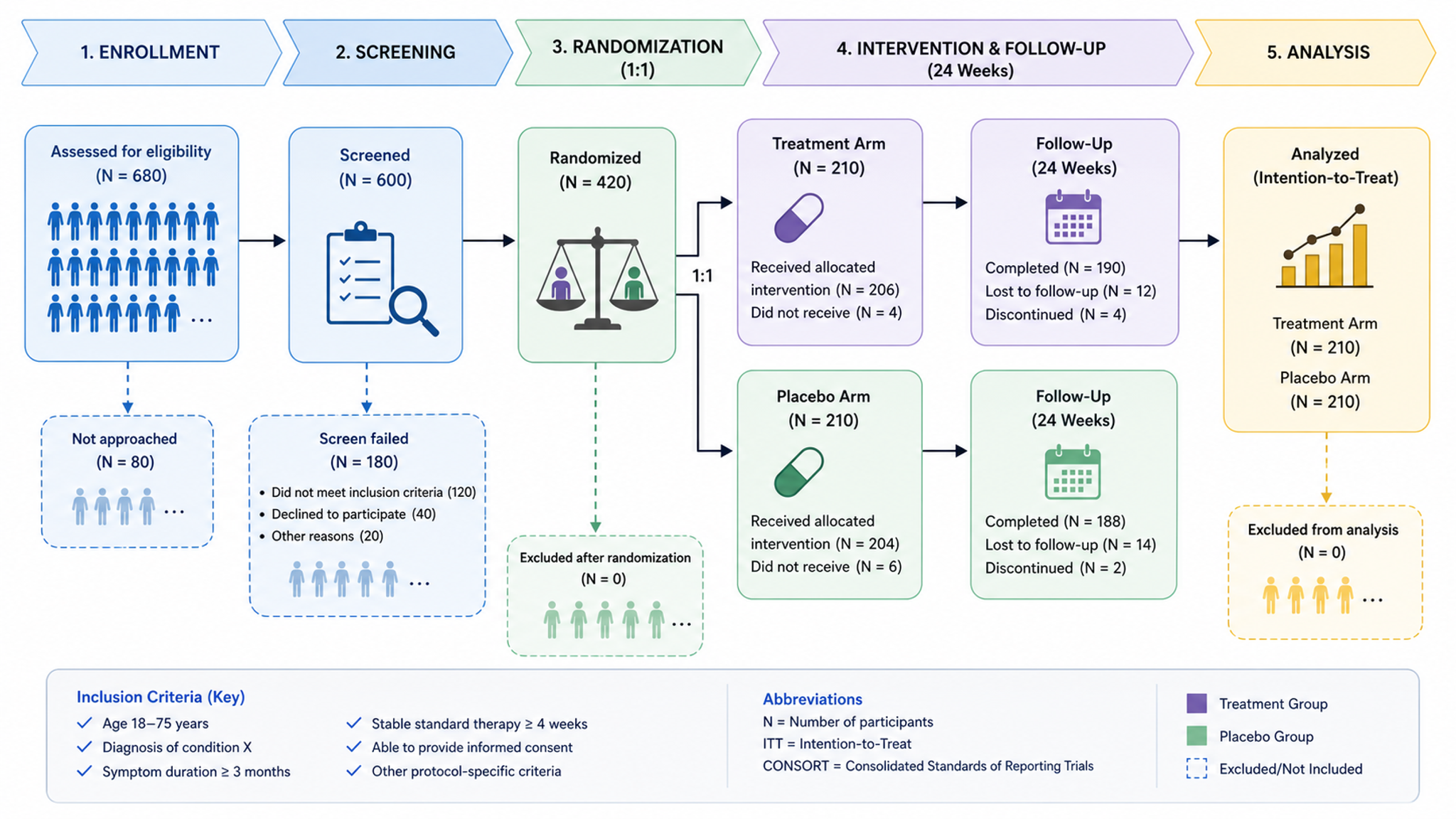
Workflow Diagram Generator
Generate experimental flowcharts and research methodology diagrams
Try it free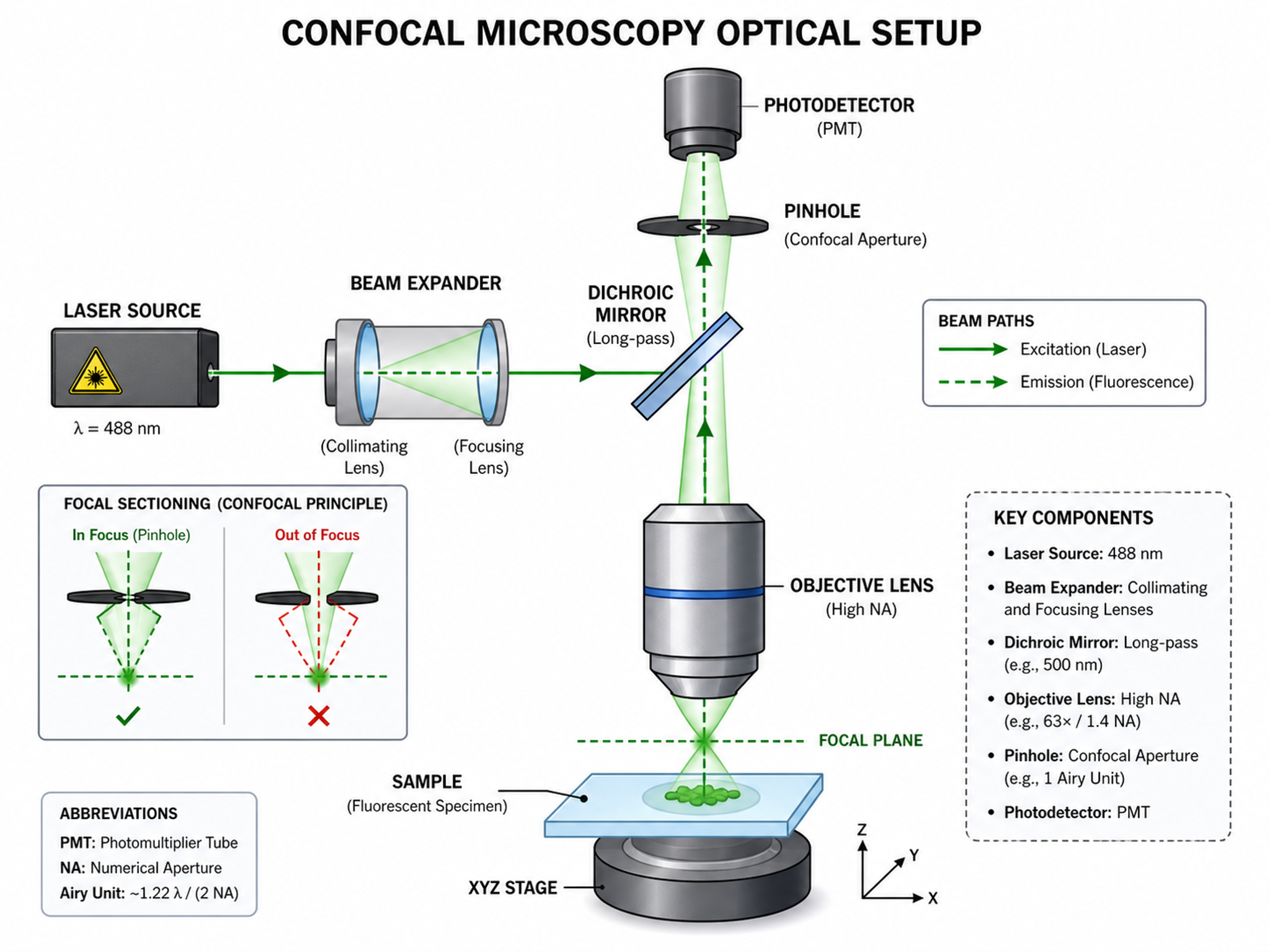
Schematic Diagram Generator
Generate experimental setup and conceptual schematic diagrams
Try it free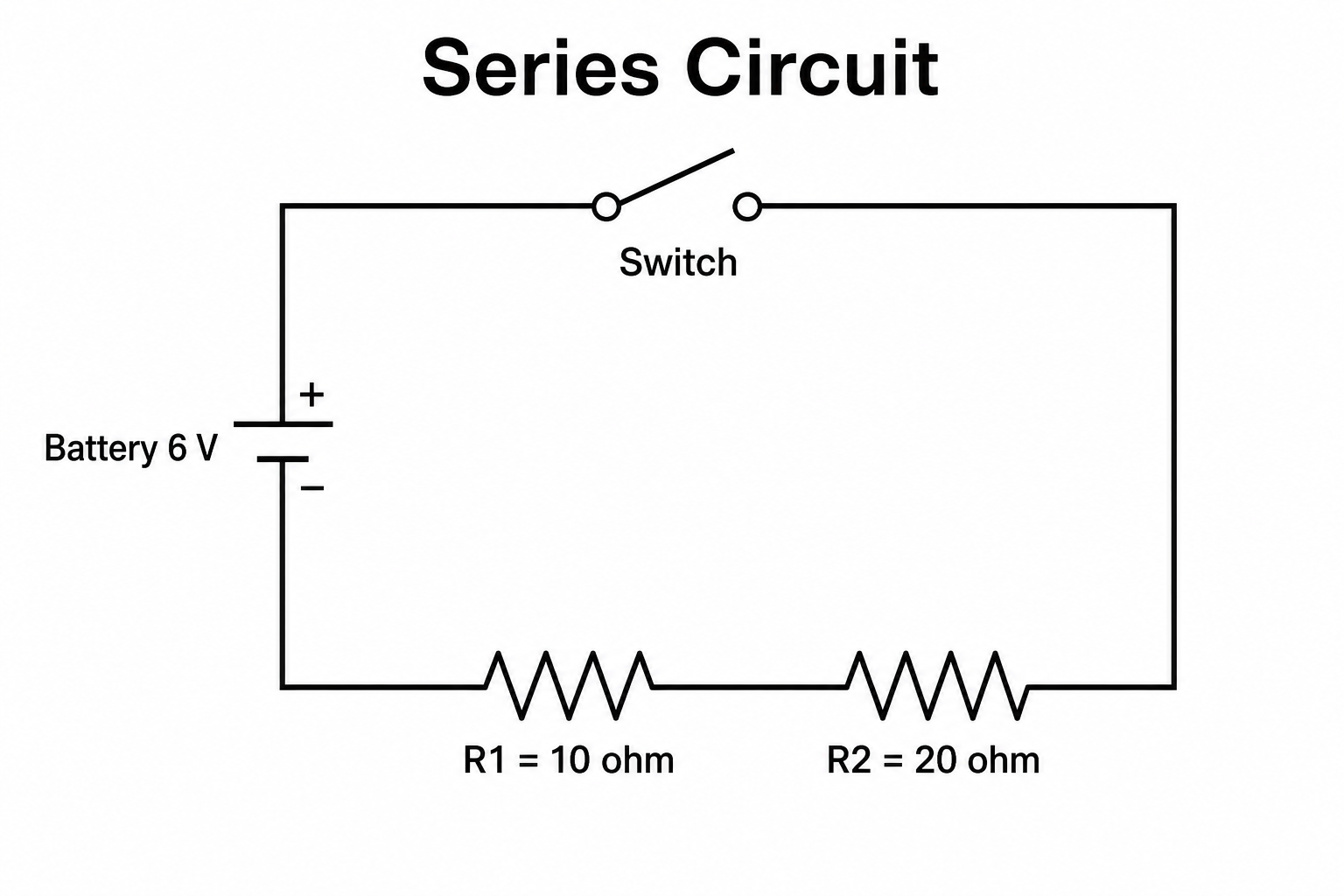
Circuit Diagram Maker
Draw clean electrical circuit schematics with standard symbols from a text prompt.
Try it freeCreate your research roadmap now
Join thousands of researchers who use SciDraw AI to visualize their grant proposals and project plans.