Golgi Apparatus Diagram Generator
Turn a description into a labeled Golgi body diagram
Describe the Golgi apparatus you need and AI draws a clean, accurate diagram — stacked cisternae, the cis and trans faces, transport and secretory vesicles, and the lumen — ready for biology lessons, manuscripts, and talks.
Golgi apparatus diagram examples
Click any example to load its prompt, or use it as a starting point for your own Golgi apparatus diagram.
What is a Golgi apparatus diagram?
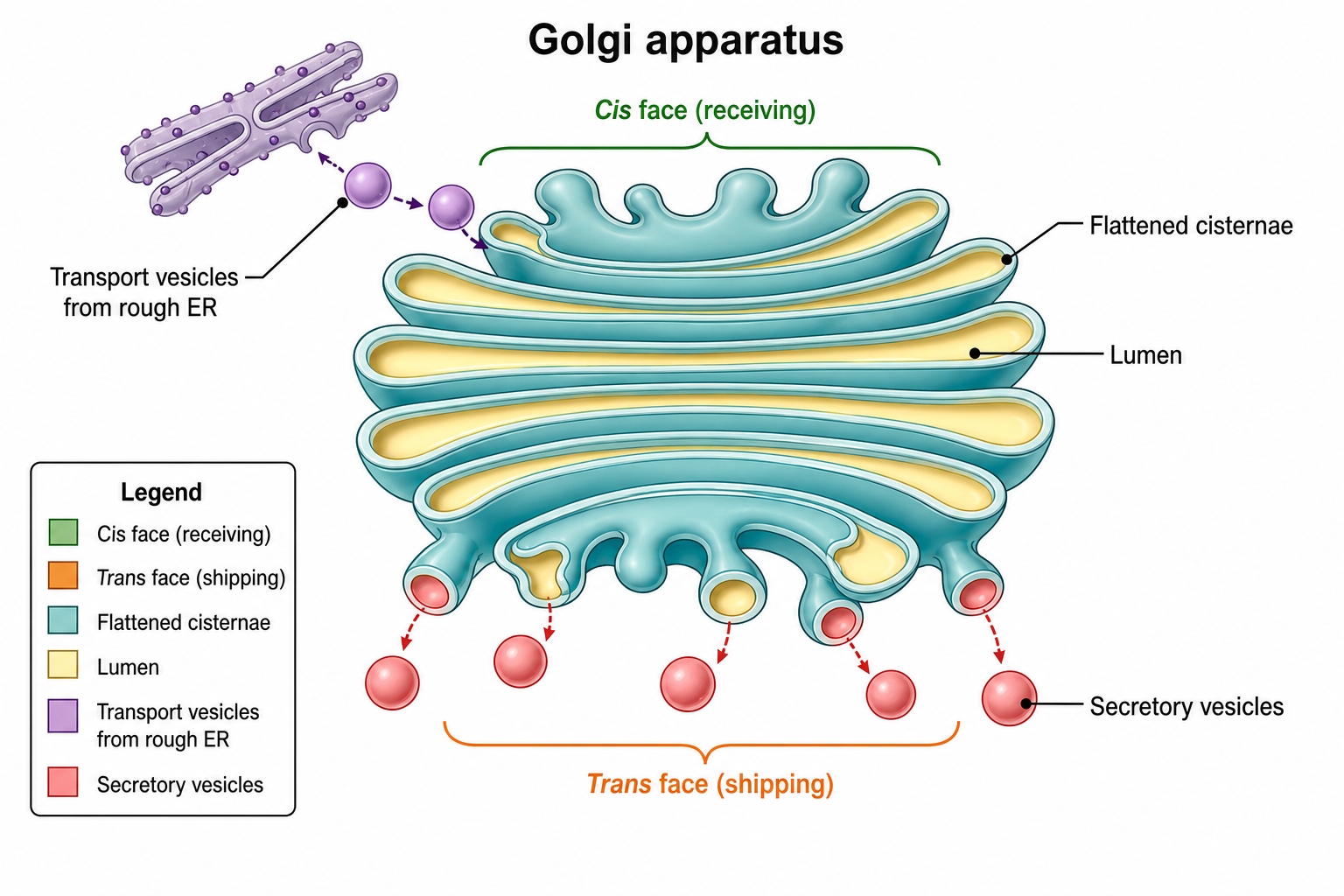
A Golgi apparatus diagram is a labeled drawing of the Golgi body — the organelle that modifies, sorts, and packages proteins and lipids in the cell. This generator turns a description into that figure: you say which parts to include — the stack of flattened cisternae, the cis (receiving) and trans (shipping) faces, transport and secretory vesicles, and the lumen — and the AI draws the curved cisternae in a stack, adds vesicles arriving from the rough endoplasmic reticulum and budding toward the plasma membrane, and labels each part with neat leader lines, so the structure and orientation are clear at a glance, without illustration software or manual drawing.
Why use a Golgi apparatus diagram generator
- The Golgi apparatus is a core organelle in biology, and a clear diagram makes its structure easy to learn.
- Drawing a neat stack of cisternae with the correct cis and trans faces and vesicles by hand takes time and skill.
- Labeled parts help students and readers connect each component to its role in processing and packaging.
- Teachers and researchers need clean, presentable figures for lessons, worksheets, papers, and slides.
- Regenerating from a description is faster than redrawing the Golgi every time labels or focus change.
How to make a Golgi apparatus diagram
Describe the Golgi apparatus you need and what to emphasize — for example the full labeled organelle or just the cisternae. Say which parts to include: the stack of cisternae, the cis and trans faces, transport vesicles arriving from the rough ER, secretory vesicles budding off the trans face, and the lumen. Note whether to show the direction of vesicle traffic and how you want it colored and oriented. Generate the figure, then check the structure, faces, and labels, and refine until it matches what you are teaching or reporting.
Parts of the Golgi apparatus
- Cisternae — the stack of curved, flattened membrane sacs that make up the Golgi body.
- Cis face — the convex receiving side, oriented toward the endoplasmic reticulum.
- Trans face — the concave shipping side, oriented toward the plasma membrane.
- Transport vesicles — small sacs that carry proteins from the ER to the cis face.
- Secretory vesicles — vesicles that bud from the trans face to deliver processed contents.
- Lumen — the fluid-filled internal space enclosed by each cisterna.
Golgi Apparatus Diagram Generator FAQ
What are the parts of the Golgi apparatus?
The main parts are the cisternae (a stack of curved, flattened membrane sacs), the cis (receiving) face oriented toward the endoplasmic reticulum, the trans (shipping) face oriented toward the plasma membrane, the transport and secretory vesicles that move material in and out, and the lumen inside each cisterna. You can include and label any of these in the diagram.
How do I make a labeled Golgi apparatus diagram online?
Describe the Golgi apparatus you want — the stack of cisternae, the cis and trans faces, the vesicles, and the lumen — and the generator draws it with neat leader-line labels. You can load one of the examples as a starting point, then adjust the parts, labels, and colors before generating the final figure.
What is the difference between the cis and trans faces?
The cis face is the convex receiving side of the Golgi, oriented toward the endoplasmic reticulum, where transport vesicles arrive. The trans face is the concave shipping side, oriented toward the plasma membrane, where secretory and transport vesicles bud off. Material moves through the cisternae from the cis face to the trans face.
What does the Golgi apparatus do?
The Golgi apparatus modifies, sorts, and packages proteins and lipids that arrive from the rough endoplasmic reticulum. As these molecules move through the cisternae from the cis to the trans face, they are processed and then packaged into vesicles for delivery within or outside the cell. You can show this flow with labeled arrows in the diagram.
Is the Golgi apparatus diagram generator free?
Yes, you can generate Golgi apparatus diagrams for free. SciDraw AI works on a credit system, and new accounts include free credits so you can create labeled biology figures for class or study right away.
Can I use the diagrams for class and teaching?
Yes. The diagrams are made for biology lessons, worksheets, reports, papers, and slides. As with any figure, check the labels and structure against your textbook before submitting or presenting, since the Golgi apparatus is often shown in a simplified, idealized form.
Writing a paper, thesis or grant?
SciDraw AI also makes publication-ready research figures: graphical abstracts, mechanism figures, workflows and conceptual frameworks.
Explore More Tools
Need other biology figures?
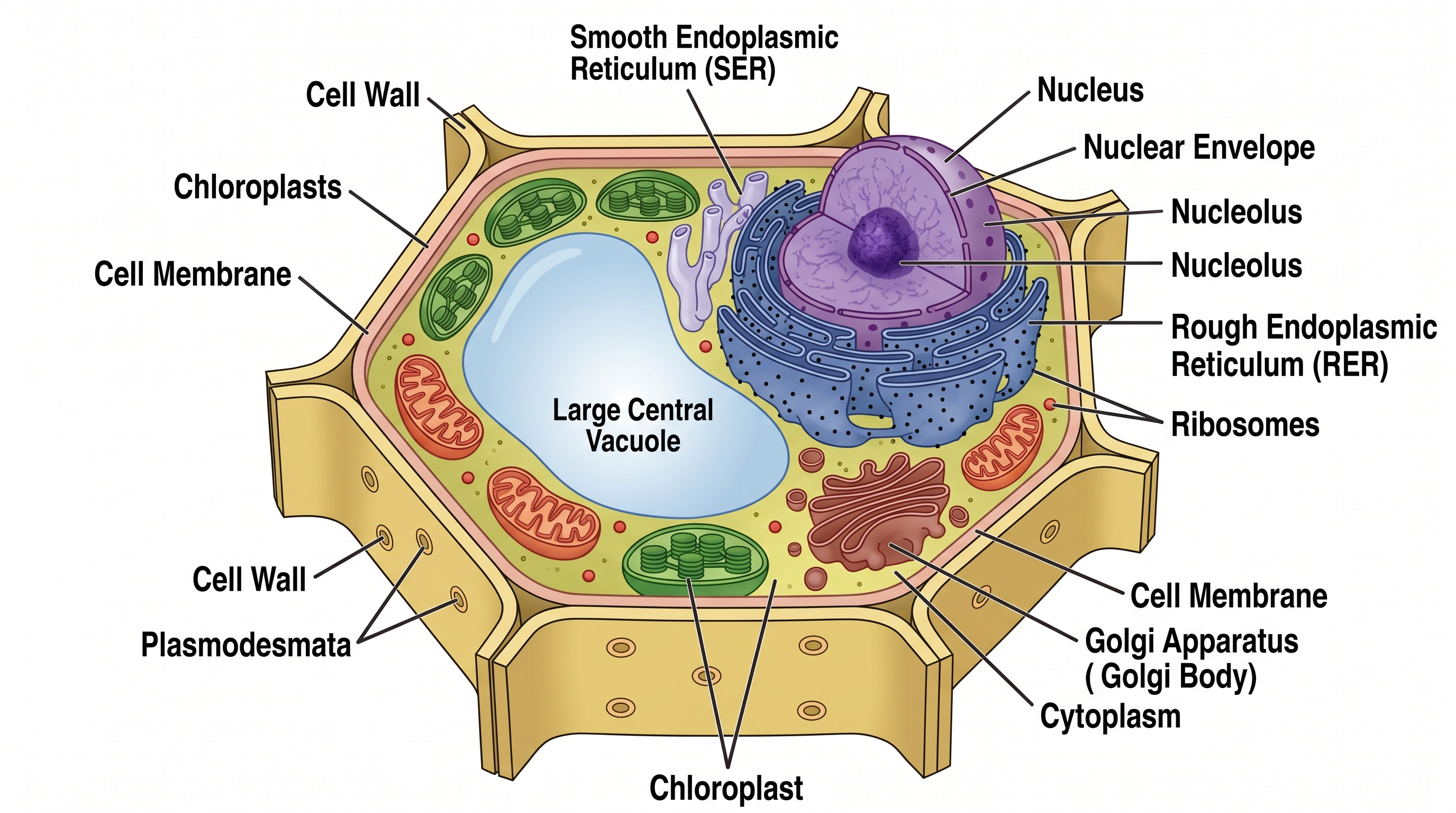
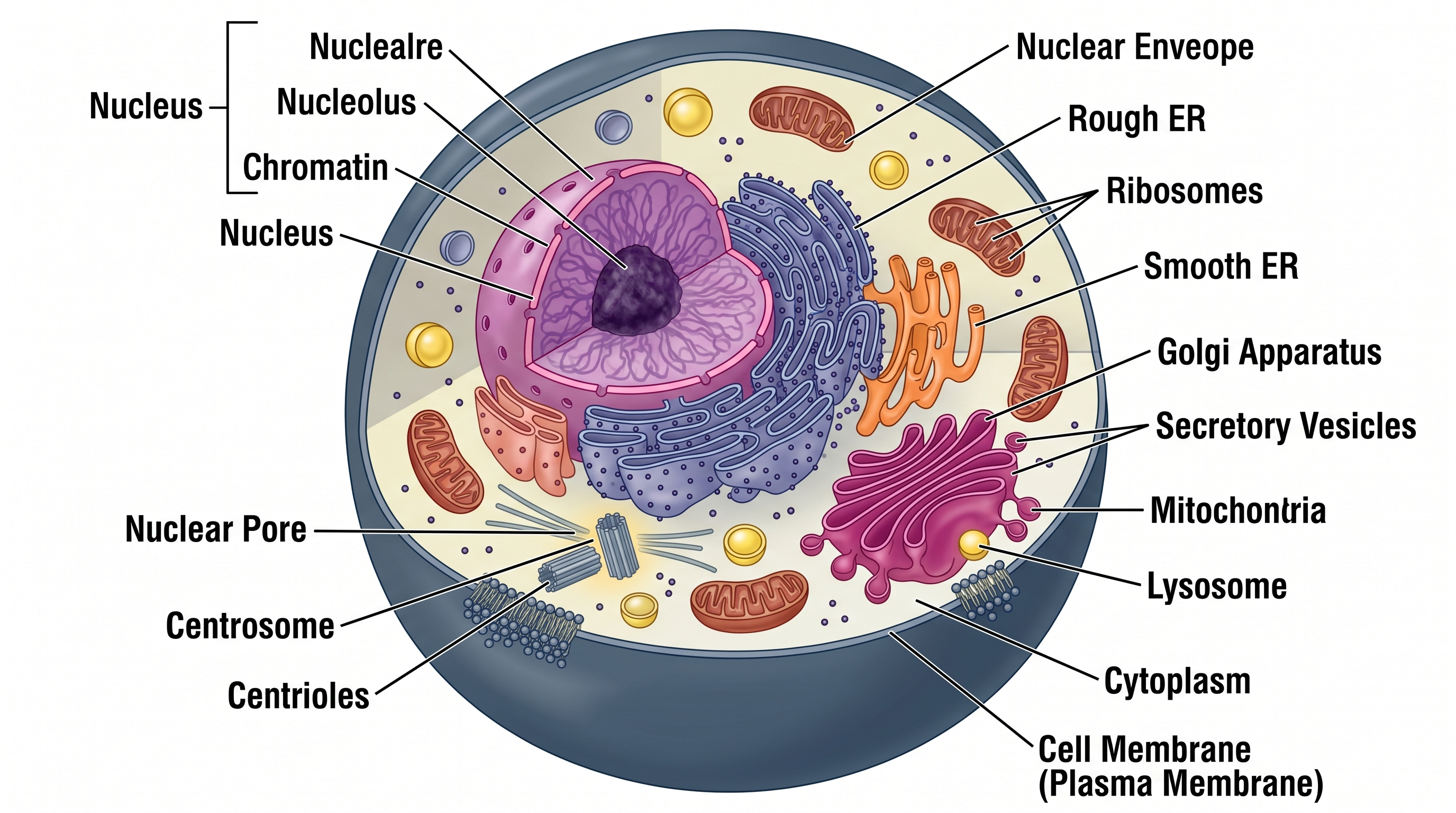
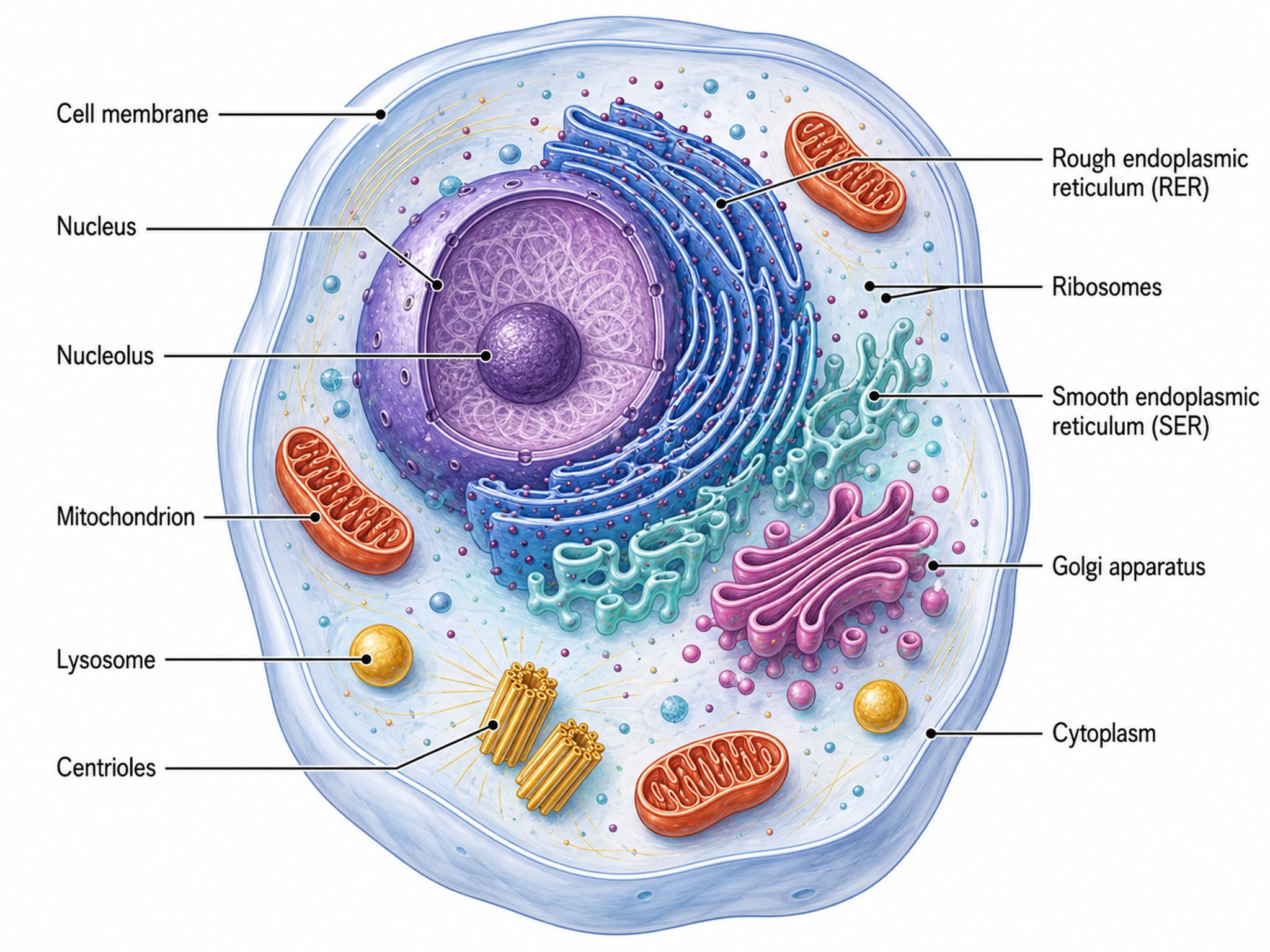
Generate animal and plant cell diagrams, organelle illustrations, and other science figures with SciDraw AI.