AI Ecomap Maker: Turn a Case Description into a Labeled Ecomap
From written case notes to a standard ecomap for social work, nursing and family studies
Describe the focal person or family, the systems around them and the quality of each relationship, and SciDraw AI draws a clean ecomap with the standard line conventions, direction arrows and a legend. Built for BSW and MSW students, nursing students, counselors and practitioners who need a clear figure for an assignment, a case note or a thesis.
Ecomap Examples
Browse ecomap examples from social work, nursing and student support, or generate your own above.
What does this AI ecomap maker do?
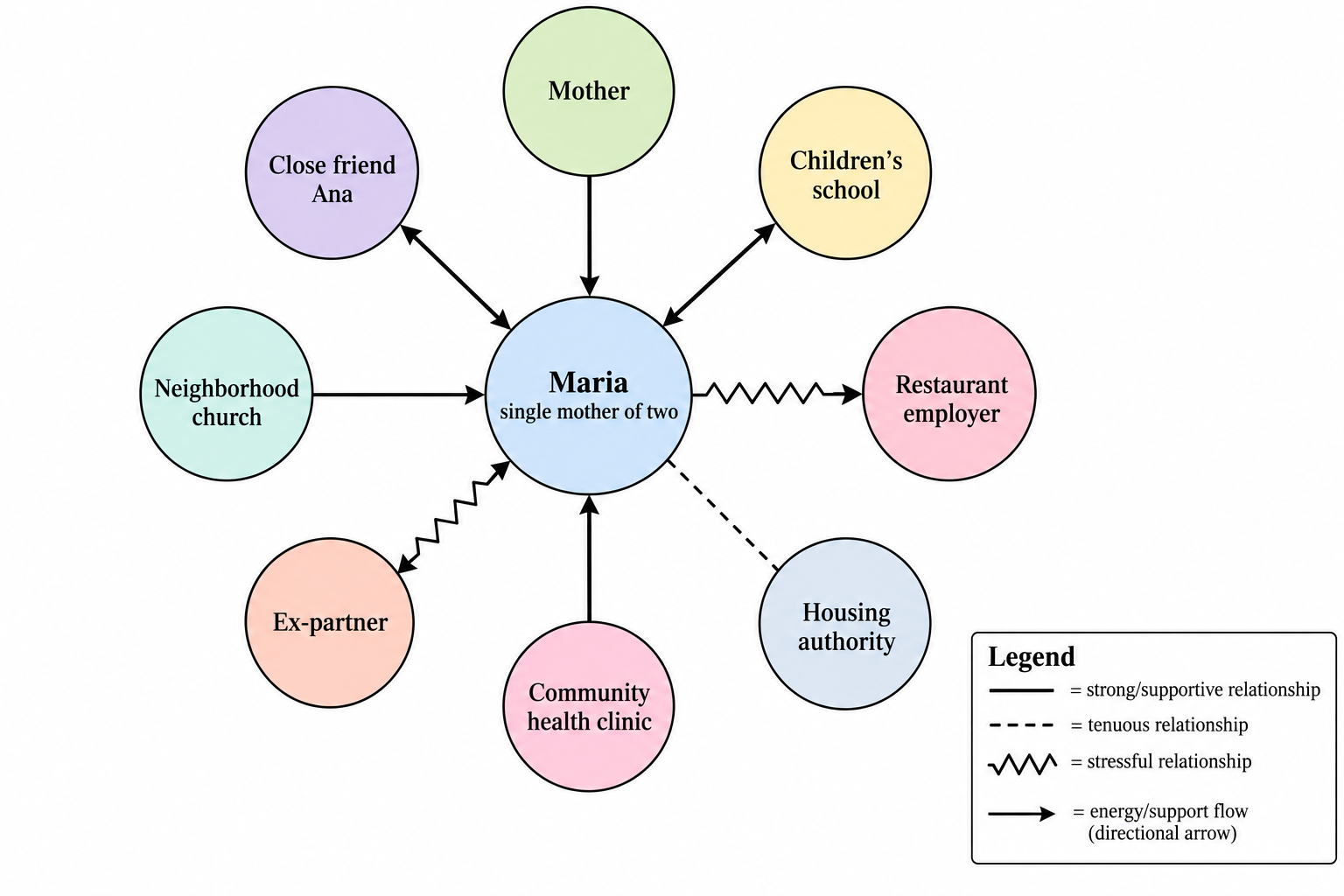
This ecomap maker turns a written case description into a labeled ecological map. You name the focal person or family, list the systems around them such as extended family, school, work, health services, faith community, friends and agencies, and state whether each relationship is strong, tenuous or stressful and which way energy or resources flow. SciDraw AI then draws the focal system in a center circle, each surrounding system as its own labeled circle, one line per relationship using the standard ecomap convention of solid, dashed and jagged lines with arrowheads, and a small legend. The result is an ecomap image you can drop into a social work assignment, a nursing family assessment, a case note, a counseling intake summary or a thesis figure. The tool draws only what you describe. It does not assess the client, add systems you did not mention, make clinical judgments or use genogram symbols.
Why social workers, nurses and students use ecomaps
- Show a client or family in context, with every formal and informal system on one page
- Make the strength, strain and direction of each relationship visible at a glance
- Meet BSW, MSW and nursing course requirements for a family or ecological assessment
- Give a shared visual for supervision, case conferences and discharge planning
- Track change by drawing a second ecomap after an intervention or at follow-up
How to make an ecomap
Start by identifying the focal system, a single person or a household, and place it in the center. Next, list the systems in the person's life: family members, school or work, housing, income support, health and mental health services, faith community, friends, neighbors and agencies. Rate each relationship as strong, tenuous or stressful, and decide the direction of flow, whether support moves toward the focal person, away from them or both ways. Write these out in plain language and generate the ecomap. Finally, review the drawing with the client where appropriate and with your supervisor or instructor, then regenerate with any corrections. Date the ecomap and use an anonymized name so it can be filed or submitted without identifying anyone.
Common elements of an ecomap
- A center circle for the focal person, household or family
- Labeled circles for each surrounding system, formal and informal
- Solid lines for strong connections and dashed lines for tenuous ones
- Jagged or hatched lines for stressful relationships
- Arrowheads showing the direction of energy or resource flow
- A legend, the date, and an anonymized name or case code
Ecomap Maker FAQ
What is the difference between an ecomap and a genogram?
A genogram is a multi-generation family tree that uses standardized symbols for gender, marriage, divorce and death to show family structure over time. An ecomap shows one person or household at the center and the systems around them right now, with line styles for the quality of each relationship. This tool draws ecomaps only and does not use genogram symbols.
Can I use the ecomap in a social work or nursing assignment or thesis?
Yes. The ecomap follows the standard convention taught in BSW, MSW and nursing family assessment courses: center circle, system circles, solid, dashed and jagged lines, direction arrows and a legend. Check your course or journal guidelines for figure formatting, cite the tool if your program requires it, and make sure the case is anonymized before you submit.
How should I anonymize client information?
Never enter real names, addresses, dates of birth, agency case numbers or other identifying details. Use initials, a pseudonym or a case code, round ages, and describe systems generically, for example community clinic instead of the clinic's name. This is good practice for any case-based assignment and is required by most placement agencies and ethics boards.
What does the ecomap maker not do?
It does not assess the client, rate relationships for you, suggest interventions or give clinical advice. It draws only the systems and relationships you describe, without adding anything. It is a drawing tool for producing a clear figure, not a case management system, so keep your case records in the system your agency or program requires.
How do I edit or regenerate the ecomap?
Edit your description and generate again. Add a missing system, change a relationship from tenuous to strong, reverse an arrow or rename a label, and the new ecomap reflects the change. For small visual adjustments, open the result in the editor to move circles, reword labels or tidy the legend before downloading.
How can I export the ecomap?
Download the ecomap as a PNG image for Word documents, slides, case notes and online submissions, or choose open in editor to keep adjusting labels and layout before you download. Regenerate any time if you need a different aspect ratio or a revised version for a follow-up assessment.
Explore More Tools
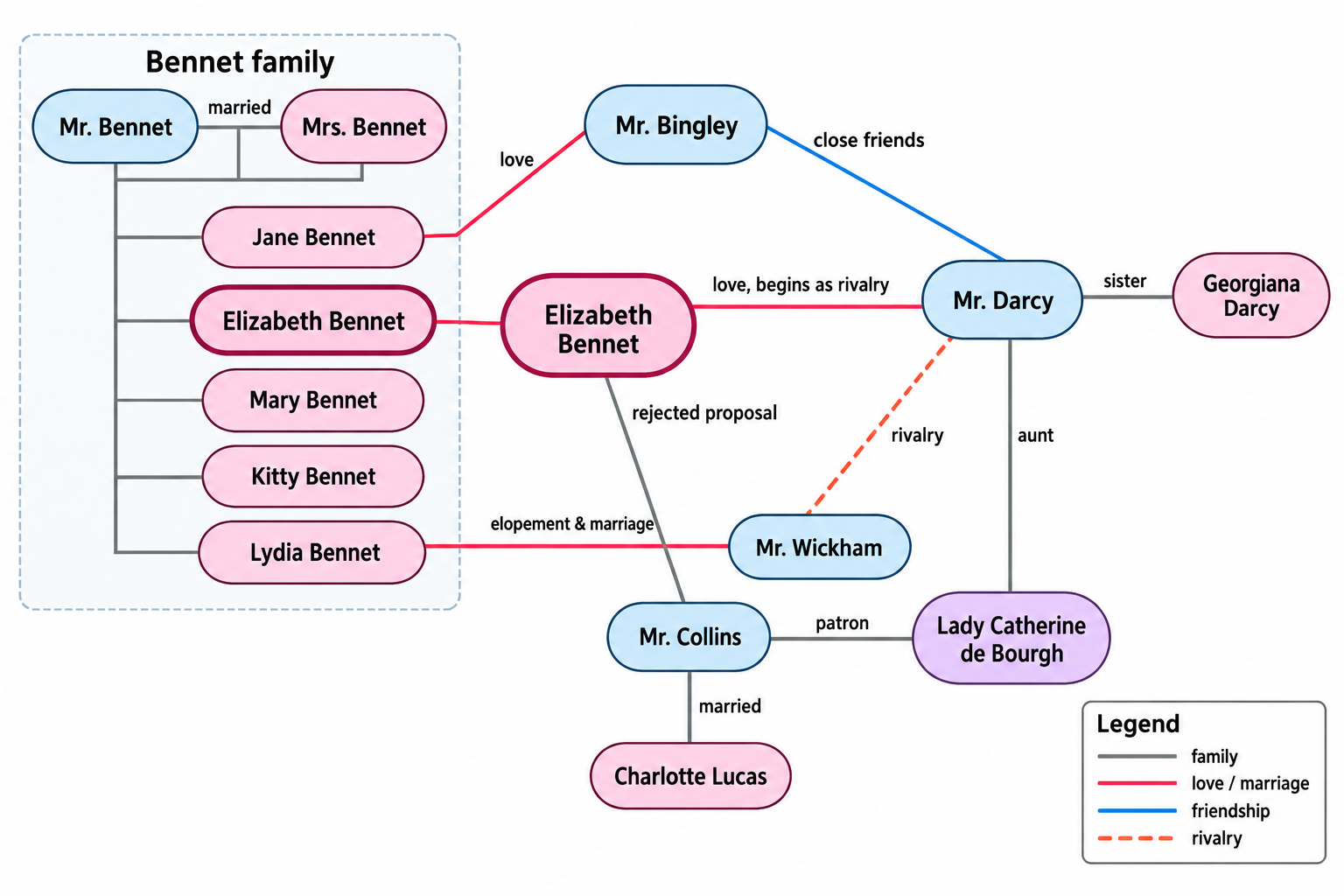
AI Character Relationship Map Generator
Turn a cast list into a labeled relationship chart with a legend for novels, history and film.
Try it free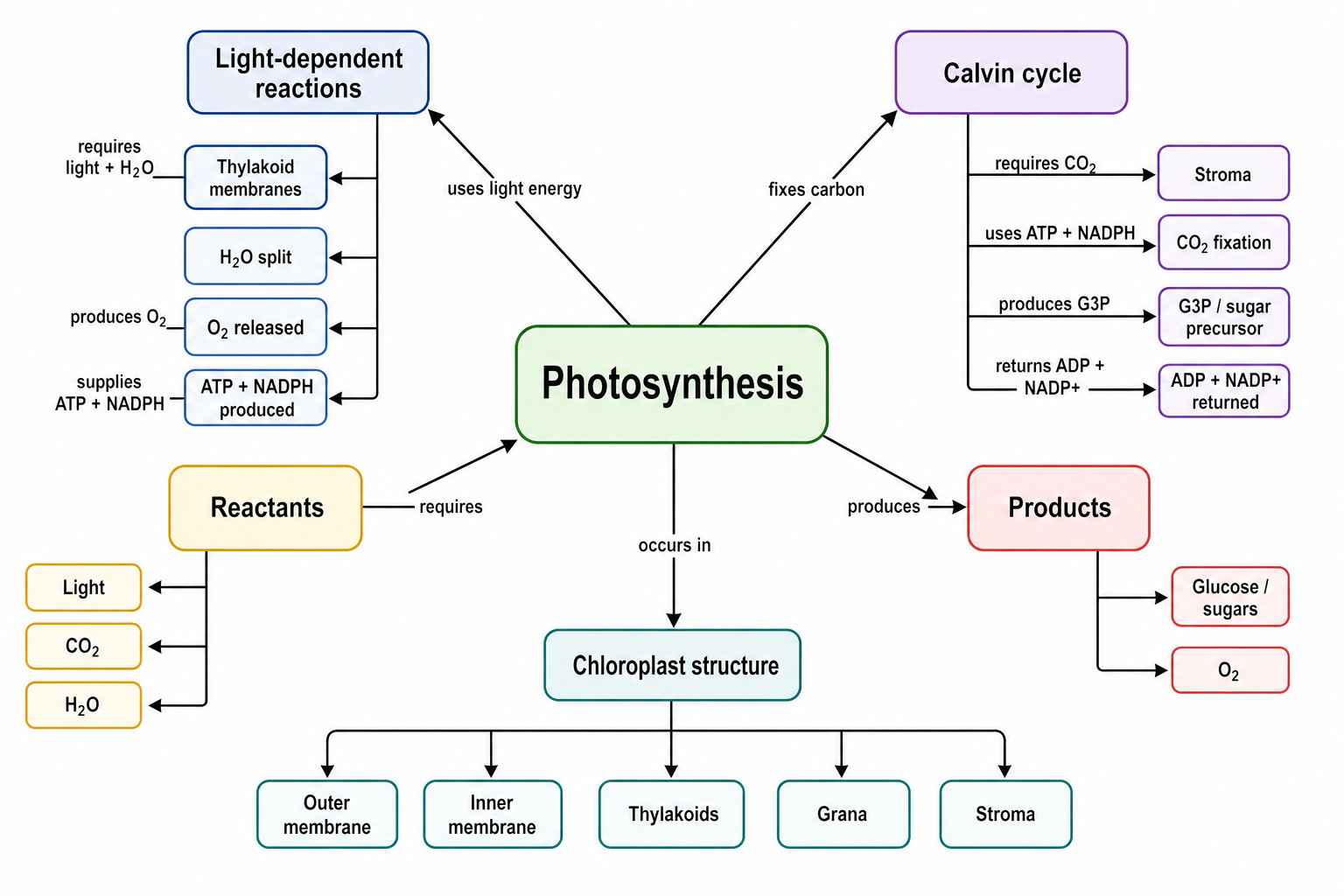
Concept Map Generator
Turn a science topic into a labeled concept map showing concepts and their relationships.
Try it free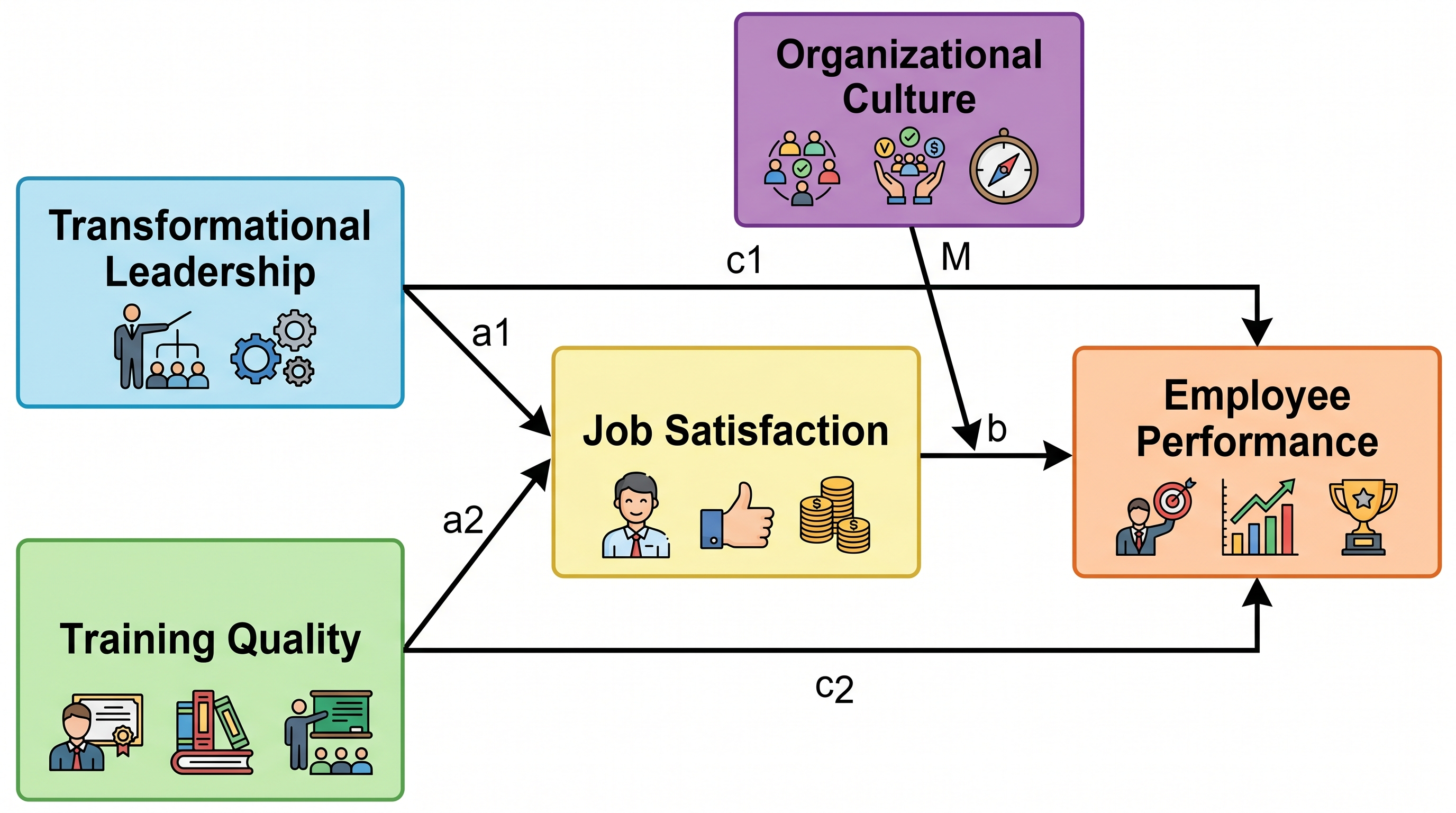
Conceptual Framework Maker
Generate labeled research framework diagrams with variables and relationships
Try it freeMake your ecomap now
Describe the focal person, the systems around them and each relationship, and get a clean, labeled ecomap ready for your assignment, case note or thesis.