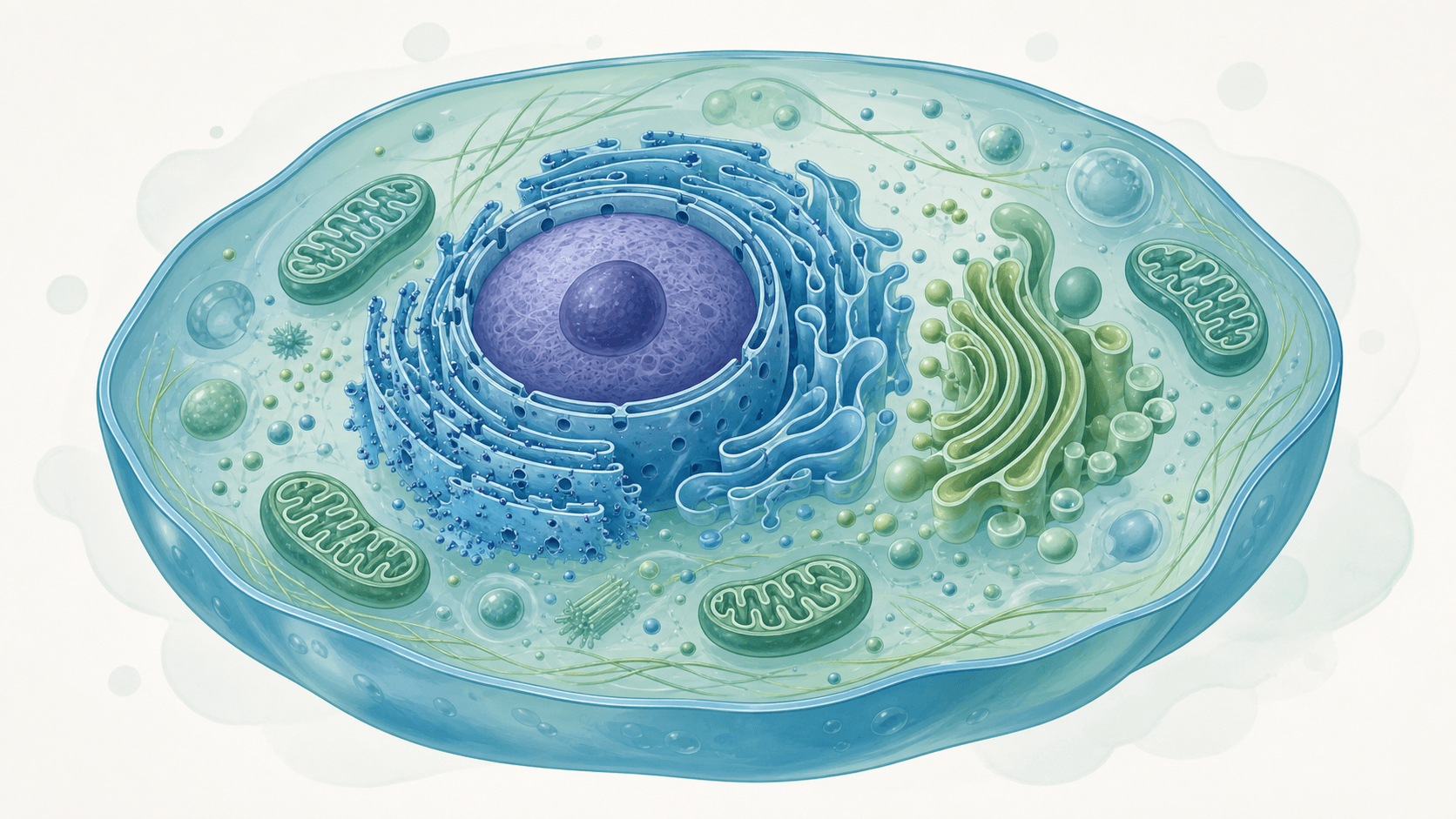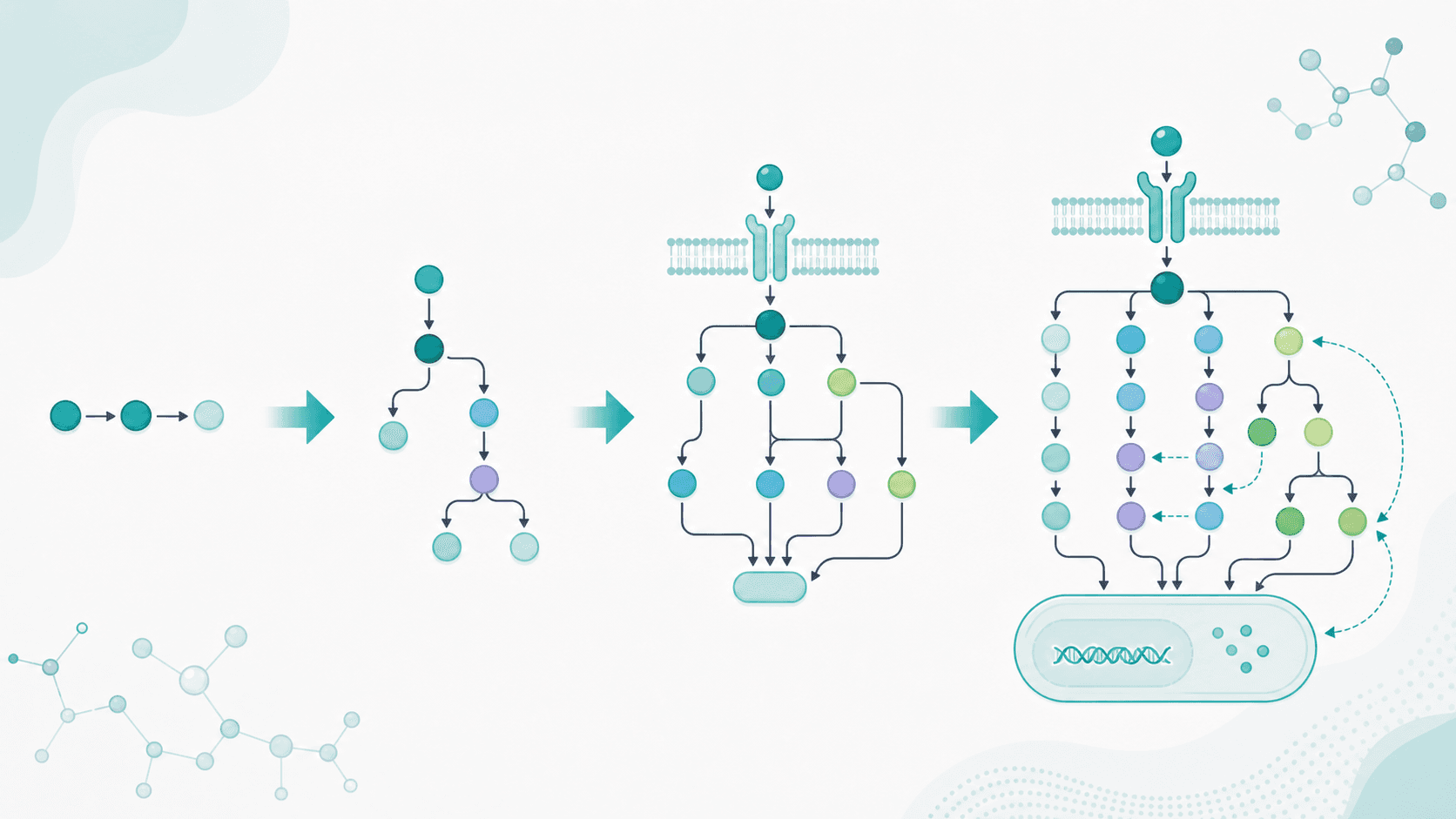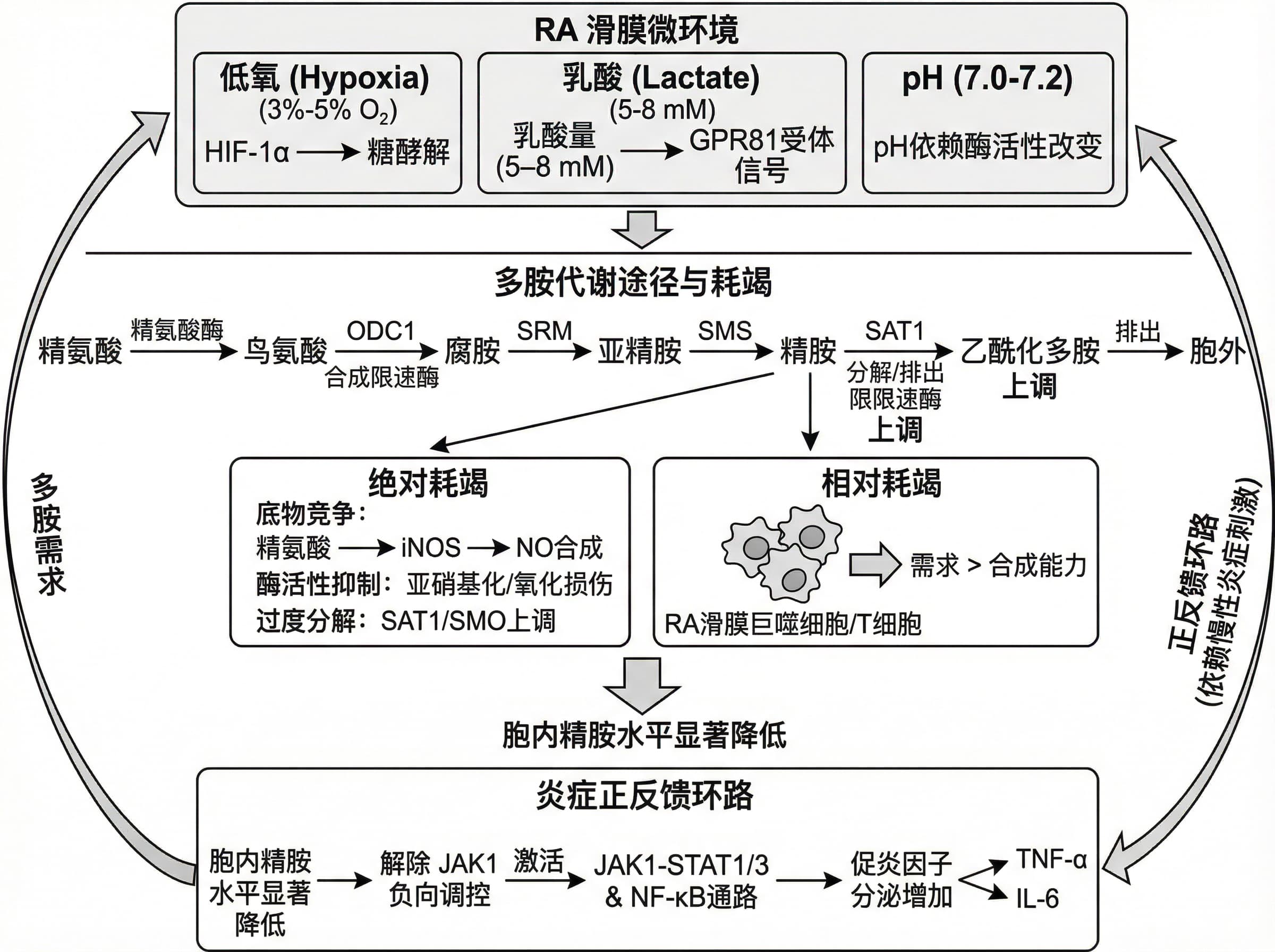
Клеточная биология — это дисциплина, требующая наибольшего количества иллюстраций в научных исследованиях. Учитывая, что только за последние месяцы на SciDraw AI было создано более 1300 иллюстраций по клеточной биологии и биомедицине, становится ясно, что исследователям по всему миру нужны более совершенные инструменты для визуализации сигнальных путей, молекулярных механизмов и экспериментальных рабочих процессов.
От пути браунинга белых адипоцитов до механизмов редактирования генов CRISPR, от фармакокинетики лекарств до протоколов экспериментов на животных — именно эти изображения определяют успех или неудачу при подаче статьи в журнал. В этом руководстве показано, как создавать каждый тип иллюстраций, используя реальные примеры из нашего сообщества исследователей.
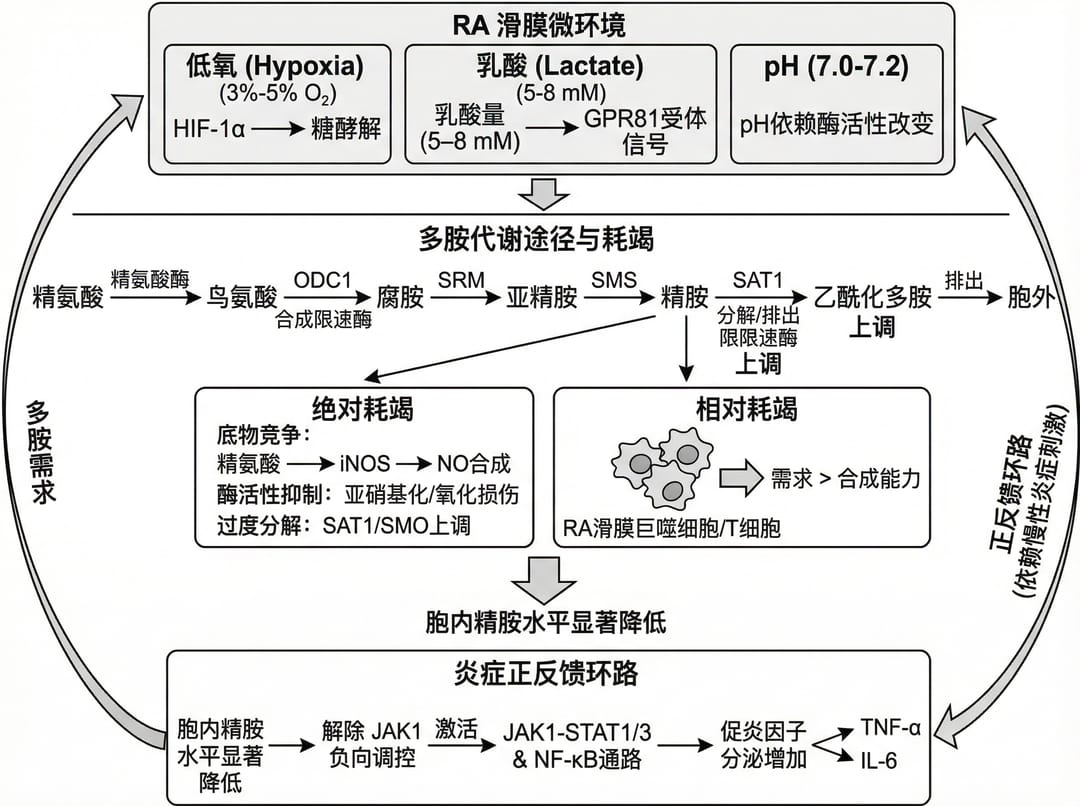 Сгенерированная ИИ иллюстрация синовиального микроокружения при ревматоидном артрите, показывающая пути метаболического стресса
Что на самом деле рисуют исследователи
Основываясь на тысячах реальных промптов от нашего сообщества пользователей, наиболее популярными типами иллюстраций в клеточной биологии являются:
- Клеточные сигнальные пути (pathway, signaling, activation — используются в более чем 10% всех биомедицинских промптов)
- Молекулярные механизмы (protein, molecular, mechanism — самые популярные ключевые слова)
- Действие лекарств и фармакология (treatment, clinical, effects)
- Схемы экспериментов на животных (mouse gavage, injection protocols)
- Экспрессия и регуляция генов (expression, transcription, CRISPR)
Илллюстрации сигнальных путей
Сигнальные пути — самый востребованный тип биомедицинских иллюстраций. Исследователям необходимо показать, как сигналы передаются от рецепторов клеточной мембраны через каскады киназ к ядерным факторам транскрипции.
Путь браунинга адипоцитов
Один из наших пользователей создал эту впечатляющую иллюстрацию влияния традиционной китайской медицины на процесс браунинга (потемнения) адипоцитов:
Schematic diagram of the scientific mechanism, cell biology style,
browning pathway of white adipocytes.
On the left: Traditional Chinese medicine intervention
labeled "Spleen-tonifying and Turbidity-dissolving Formula."
Center: White adipocyte transitioning to beige adipocyte,
showing UCP1 upregulation, mitochondrial biogenesis,
β3-adrenergic receptor activation.
Arrows indicating AMPK/PGC-1α signaling cascade.
Clean white background, BioRender-style scientific illustration.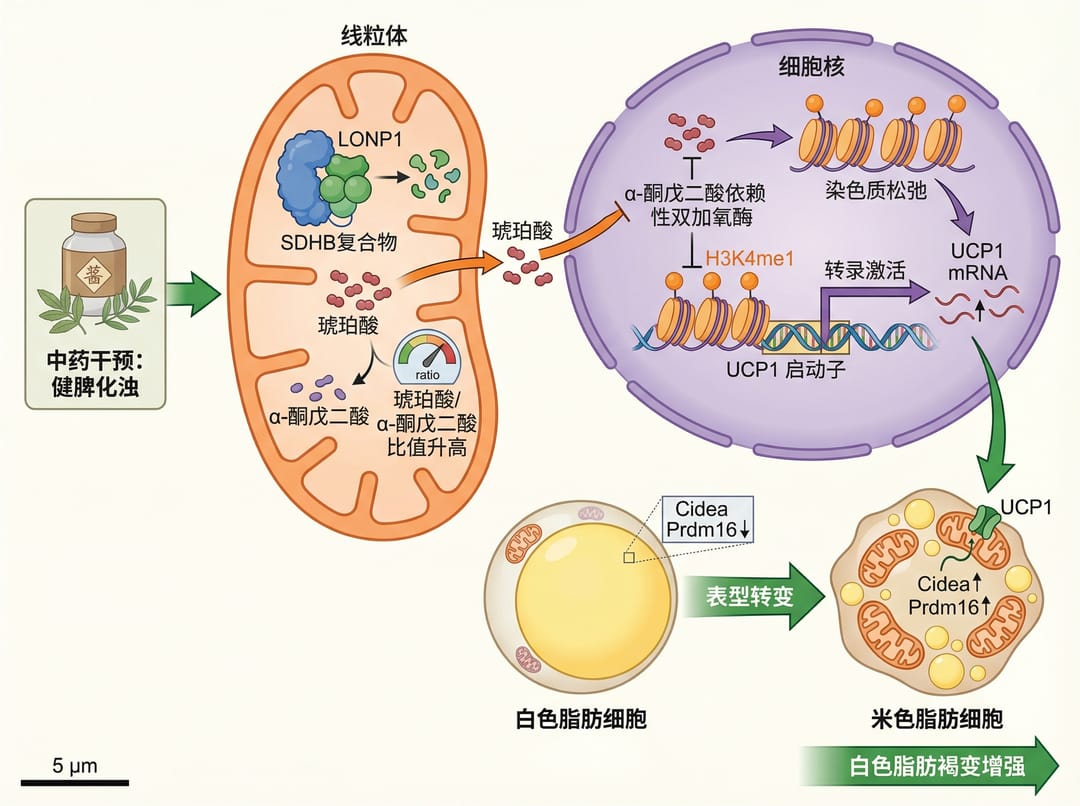 Путь браунинга белых адипоцитов при вмешательстве традиционной китайской медицины
Уклонение от иммунного ответа и вирусные пути
Иллюстрации вирусных механизмов необходимы для статей по иммунологии и вирусологии:
Porcine reproductive and respiratory syndrome virus (PRRSV)
immune evasion mechanism illustration.
Show rapid genetic mutation rate and host immune system evasion,
vaccine efficacy limitations due to viral diversity.
Include viral entry, replication cycle, and immune checkpoint modulation.
Schematic diagram style suitable for veterinary science journal.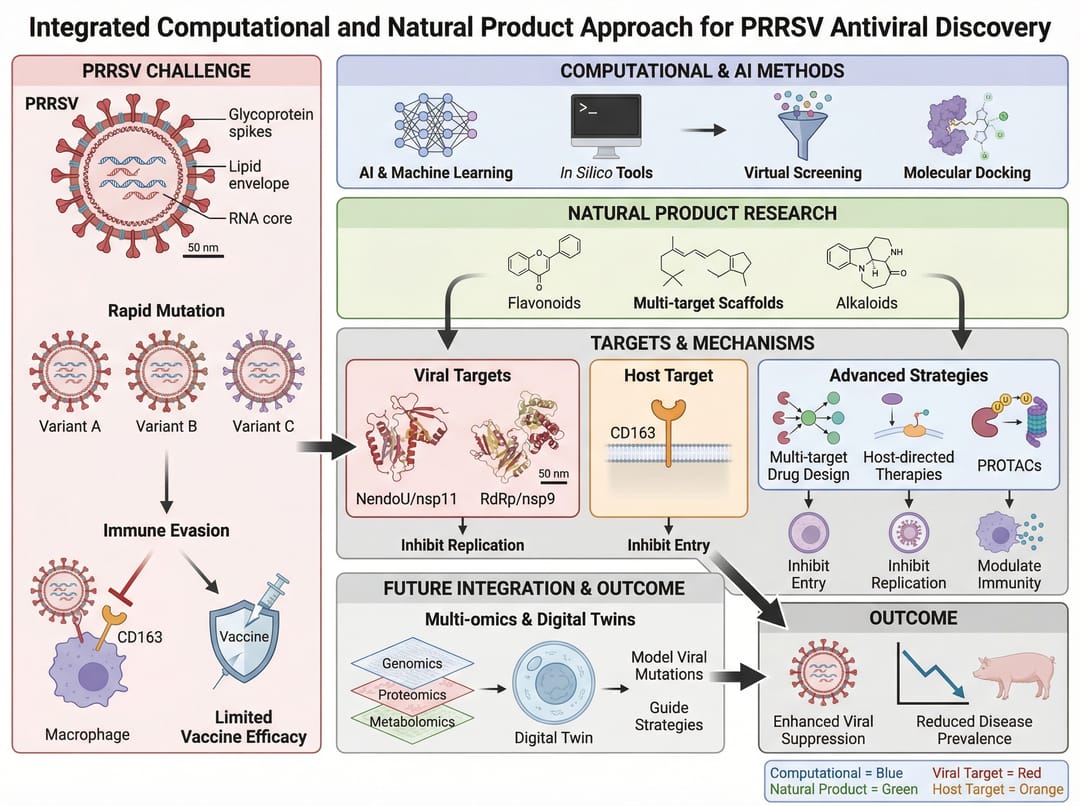 Механизм уклонения PRRSV от иммунного ответа и проблемы разработки вакцин
Диаграммы молекулярных механизмов
Слово «механизм» встречается почти в 16% всех биомедицинских промптов. Исследователям необходимо показать причинно-следственные связи на молекулярном уровне.
Метаболические пути, индуцированные лекарствами
Valproic acid (VPA)-induced hyperammonemic encephalopathy (VHE)
mechanism illustration.
Show urea cycle impairment and mitochondrial dysfunction.
VPA reduces N-acetylglutamate levels affecting CPS1 activity.
Include: hepatocyte mitochondria, urea cycle enzymes,
ammonia accumulation pathway, blood-brain barrier crossing.
Schematic diagram suitable for pharmacology journal publication.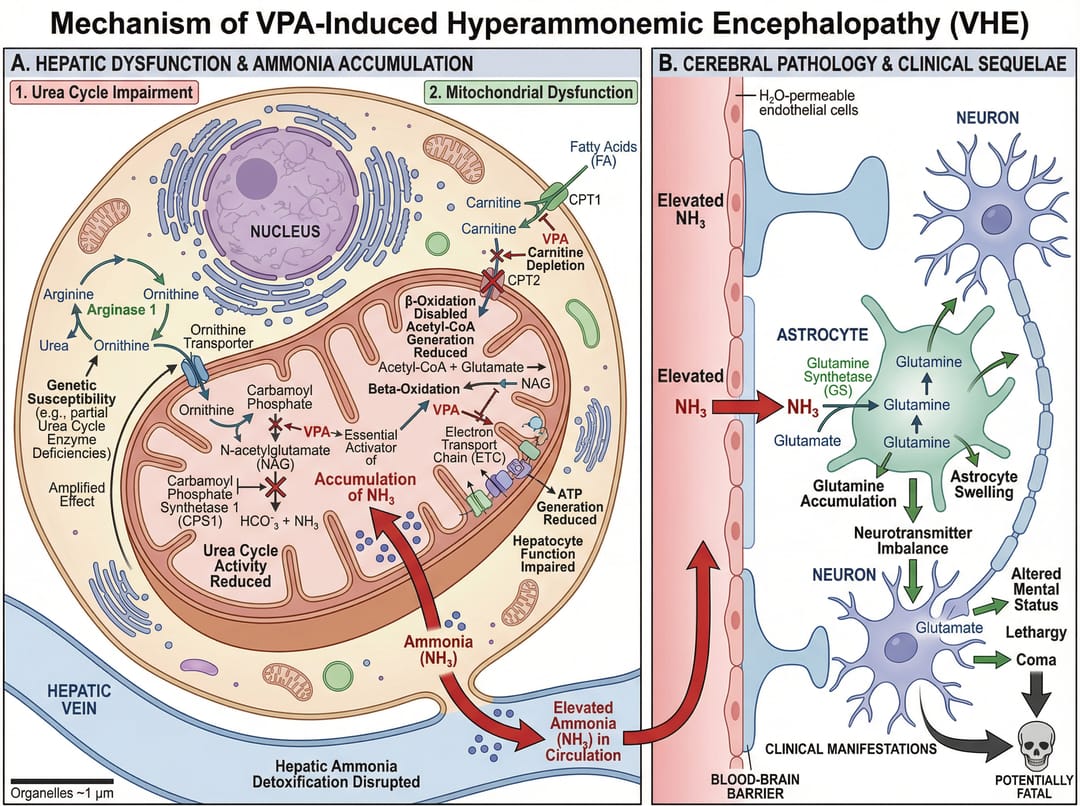 Механизм гипераммониемической энцефалопатии, индуцированной вальпроевой кислотой
Пути повреждения и репарации ДНК
Model diagram for project proposal background section.
Radiation-induced DNA damage types (SSB, DSB, base damage),
DNA repair pathways including:
- Base excision repair (BER)
- Nucleotide excision repair (NER)
- Homologous recombination (HR)
- Non-homologous end joining (NHEJ)
Show pathway selection decision points and key proteins.
Academic paper style, suitable for radiobiology journal.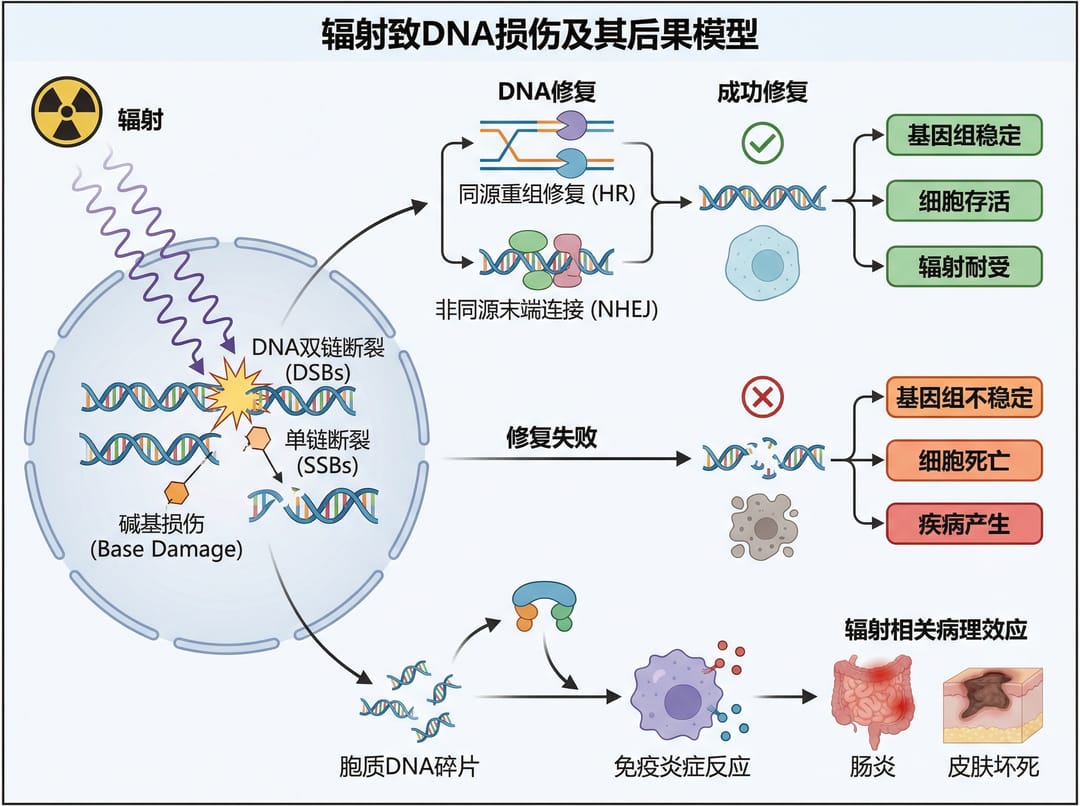 Обзор путей повреждения и репарации ДНК, вызванных радиацией
Иллюстрации по доставке лекарств и фармацевтике
Разработка лекарственных форм и их доставка являются важными темами, а промпты охватывают всё: от экструзии расплава до систем на основе наночастиц.
Фармацевтическая рецептура
High-resolution (300 dpi), landscape (16:9)
scientific graphical abstract for pharmaceutical research article:
"Hot Melt Extrusion-Based Solid Dispersions."
Show extrusion process, polymer-drug mixing,
amorphous solid dispersion formation,
dissolution enhancement comparison.
Clean graphical abstract style for pharmaceutical journal.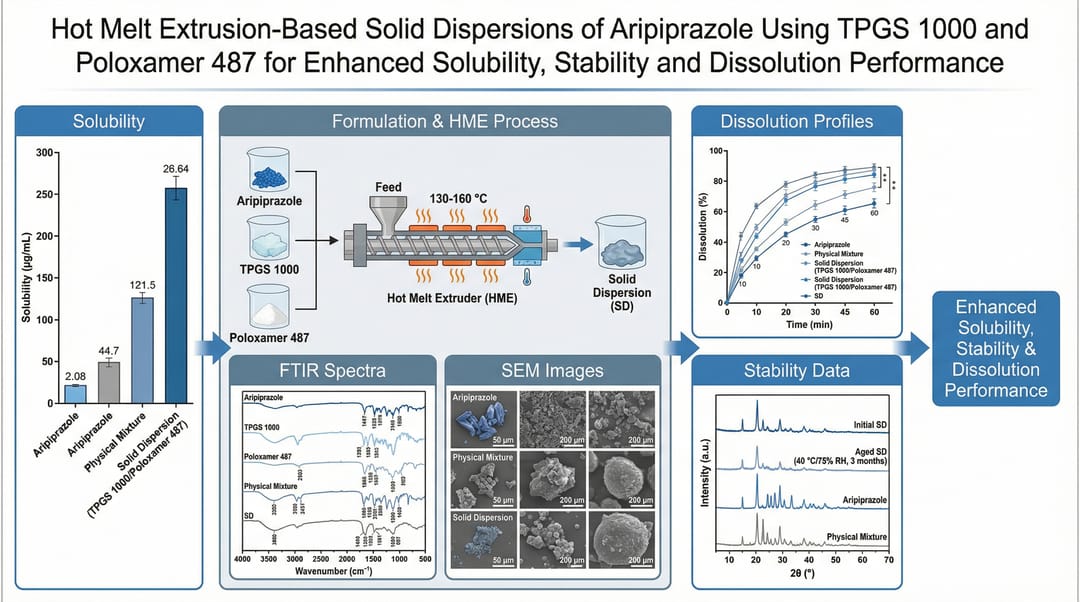 Графический реферат твердой дисперсии на основе экструзии расплава
Концепция биомедицинского устройства
Academic journal-style illustration (Nature quality)
of a fully encapsulated, capsule-shaped micro-implant
with no exposed wires.
Vector-based minimalist style with detailed cross-sectional view.
Show internal electronics, biocompatible coating layers,
wireless power and data transfer components.
Suitable for biomedical engineering journal cover.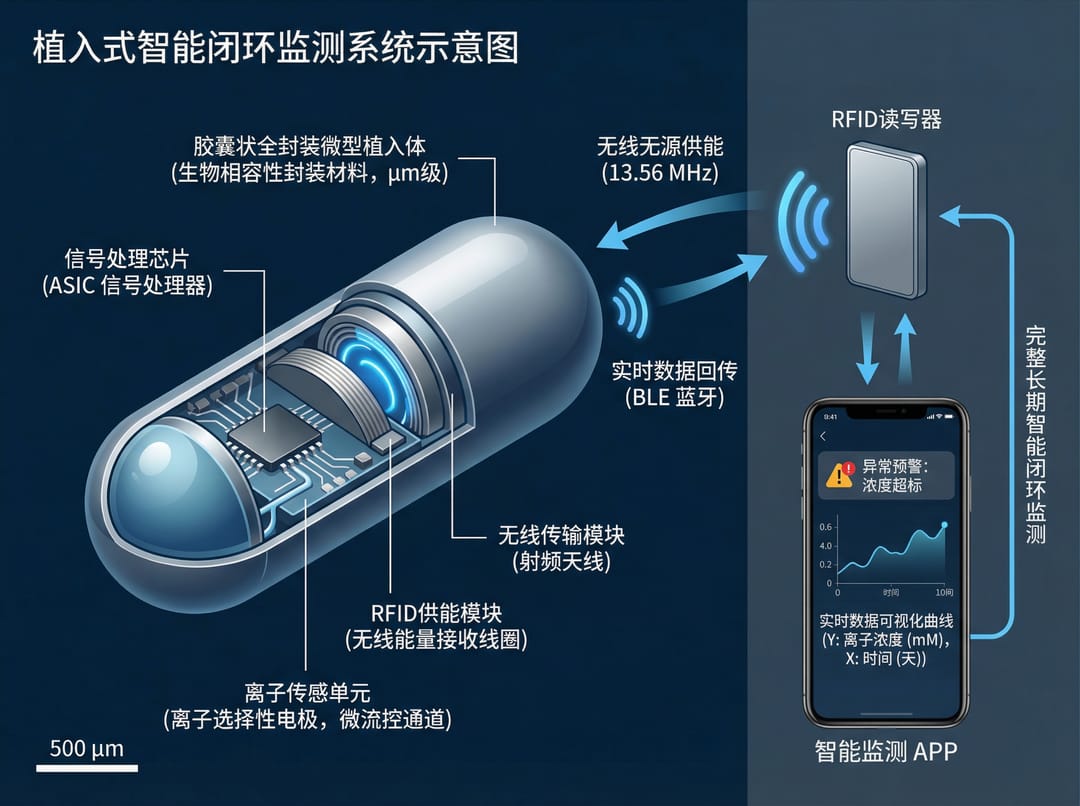 Микроимплантат в форме капсулы с детализацией поперечного сечения
Схемы экспериментов на животных
Диаграммы экспериментов на животных являются одними из самых часто запрашиваемых иллюстраций, особенно для разделов «Методы».
Процедуры In Vivo
Исследователям регулярно требуются иллюстрации стандартных лабораторных процедур:
Generate an image of a C57 mouse undergoing gavage.
Show proper restraint technique, gavage needle insertion,
anatomical reference points.
Clean scientific illustration style,
suitable for methods section of biomedical paper.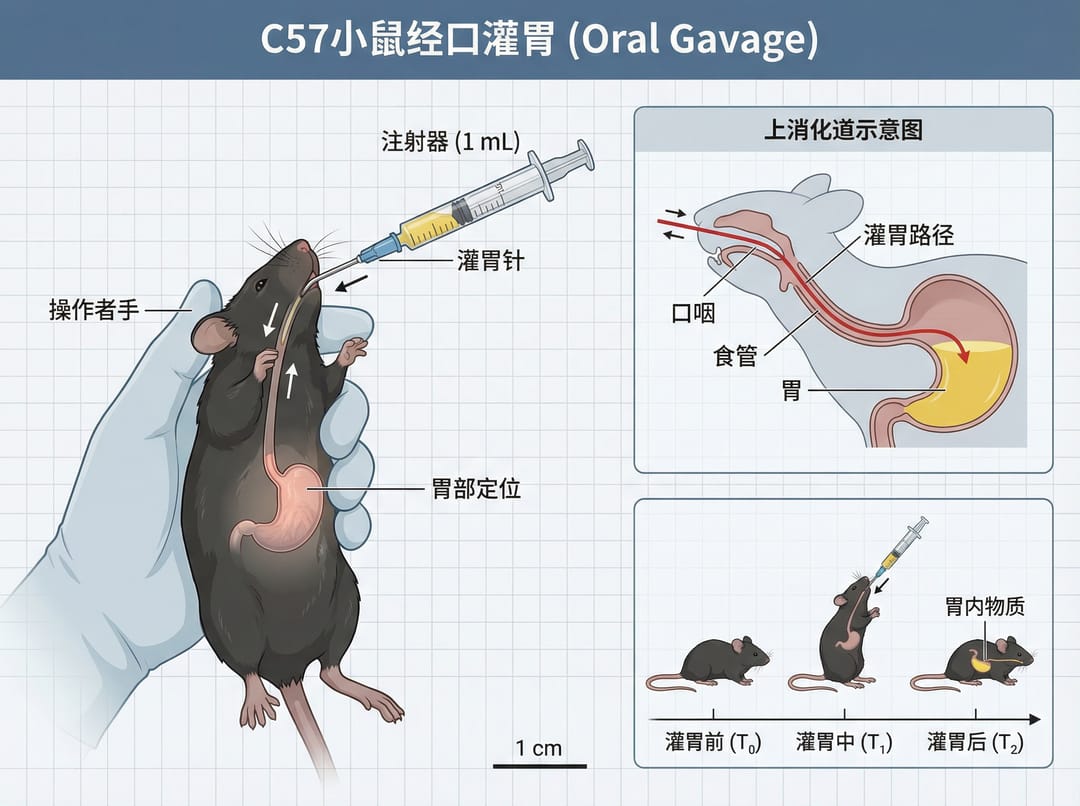 Иллюстрация процедуры зондового введения (гаваж) мыши линии C57
Протоколы культивирования клеток
Schematic diagram, in the style of BioRender,
illustrating the primary culture of C57 mouse astrocytes.
Show brain tissue dissection, enzymatic digestion,
cell seeding, culture medium change schedule,
passage timeline with cell morphology changes.
Step-by-step protocol diagram for neuroscience methods.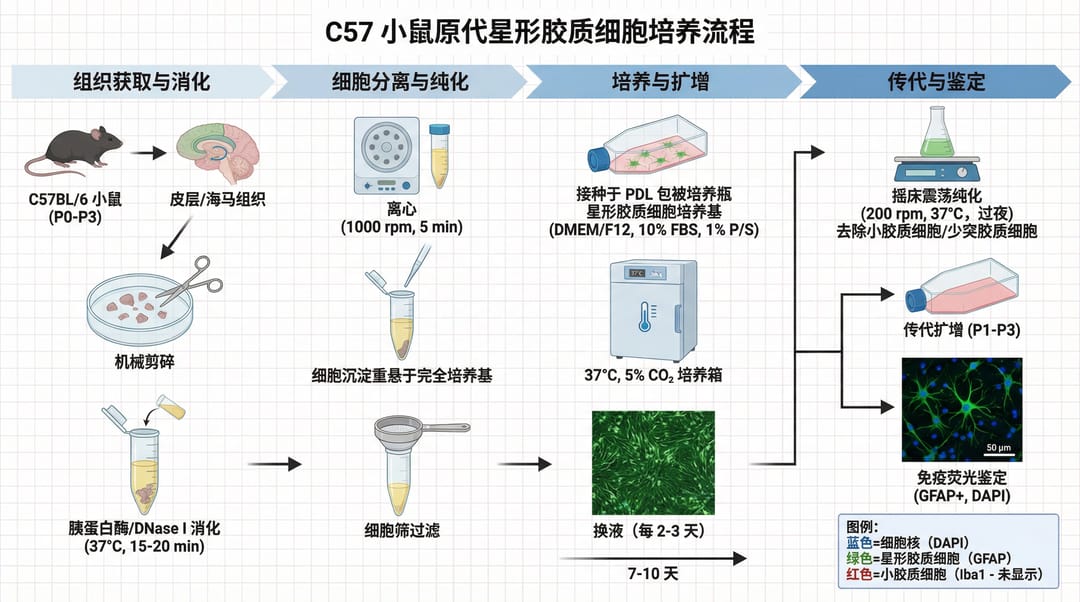 Протокол первичного культивирования астроцитов мыши C57
Советы по написанию промптов для клеточной биологии
Основываясь на закономерностях, которые мы видим в успешных биомедицинских иллюстрациях, вот ключевые элементы, которые следует включить:
Основные компоненты
| Компонент | Пример | Почему это важно |
|---|---|---|
| Тип клеток | "C57 mouse astrocytes" | Определяет морфологию и контекст |
| Названия путей | "AMPK/PGC-1α cascade" | Гарантирует правильных молекулярных участников |
| Компартмент | "cell membrane, cytoplasm, nucleus" | Устанавливает пространственное расположение |
| Направление | "leading to", "resulting in" | Проясняет причинно-следственную связь |
| Стиль | "BioRender-style" или "Nature quality" | Задает визуальные ожидания |
Общие ключевые слова в успешных промптах
Наиболее эффективные биомедицинские промпты последовательно используют эти термины:
- Структурные слова: "schematic diagram", "mechanism", "pathway"
- Слова действия: "illustrating", "leading to", "resulting in", "activation"
- Специфика: точные названия белков, генов, типов клеток
- Целевые журналы: "suitable for Nature/Cell/The Lancet"
Чего следует избегать
- Расплывчатые описания: «Нарисуй клетку» — уточните, какой тип клетки и какой процесс.
- Отсутствие направленности: Пропуск стрелок и направления потока.
- Перегруженные пути: Сосредоточьтесь на конкретном пути вашей статьи, а не на всех известных взаимодействиях.
- Непоследовательная номенклатура: Используйте стандартные соглашения об именовании генов/белков.
Начните создавать иллюстрации по клеточной биологии
Преобразите свои биомедицинские исследовательские фигуры с помощью ИИ:
- Посетите SciDraw AI Drawing
- Выберите шаблон Mechanism Illustration или Signaling Pathway
- Опишите ваш конкретный путь, типы клеток и молекулярных участников
- Создавайте готовые к публикации изображения для вашей статьи
Присоединяйтесь к тысячам биомедицинских исследователей, которые уже используют ИИ для создания диаграмм сигнальных путей, иллюстраций механизмов и экспериментальных схем.
Связанные инструменты:
- Генератор схем механизмов — Создавайте диаграммы механизмов и сигнальных путей с помощью ИИ
- Генератор иллюстраций клеток — Иллюстрации клеточной биологии с помощью ИИ
Похожие статьи: