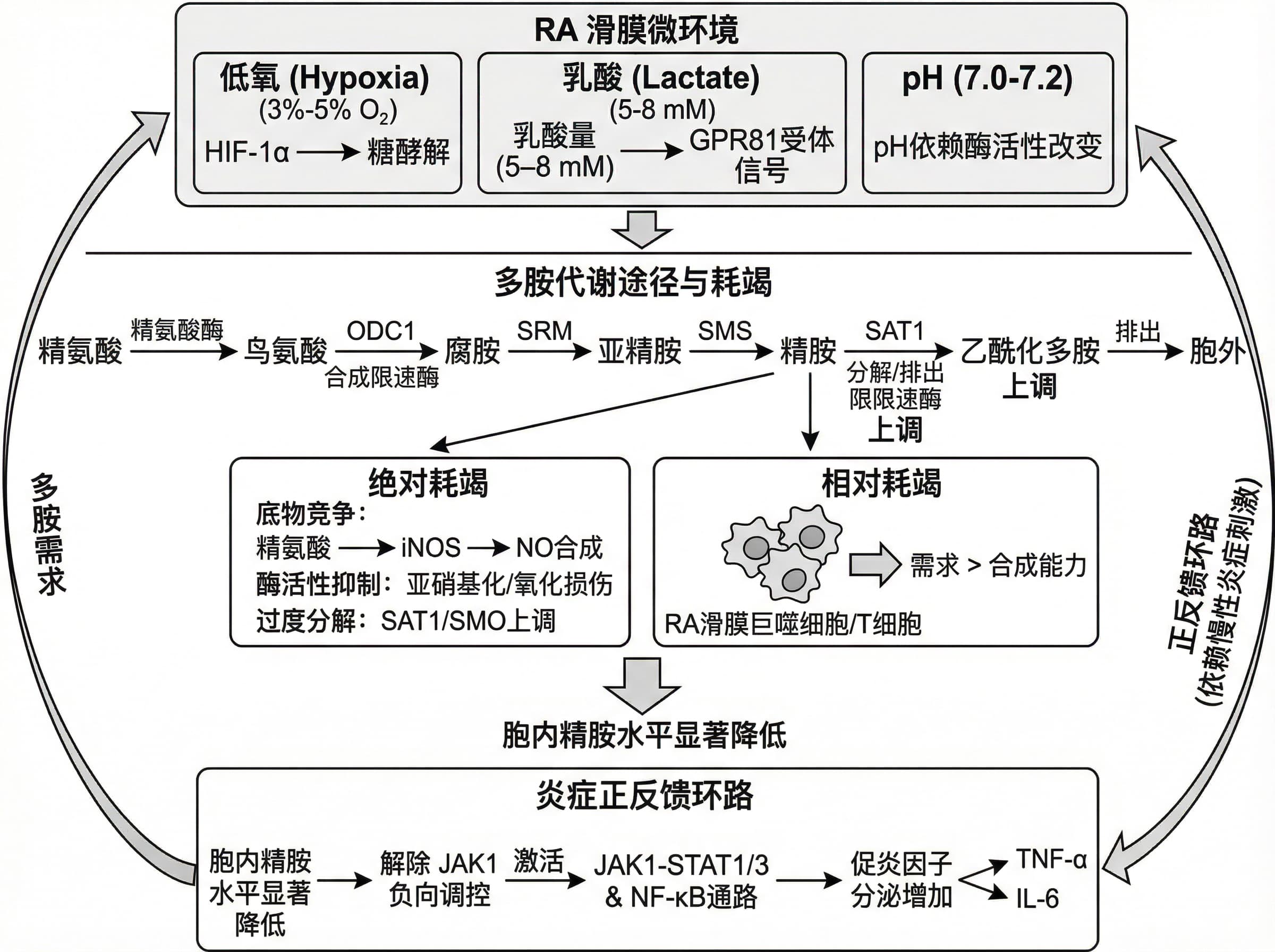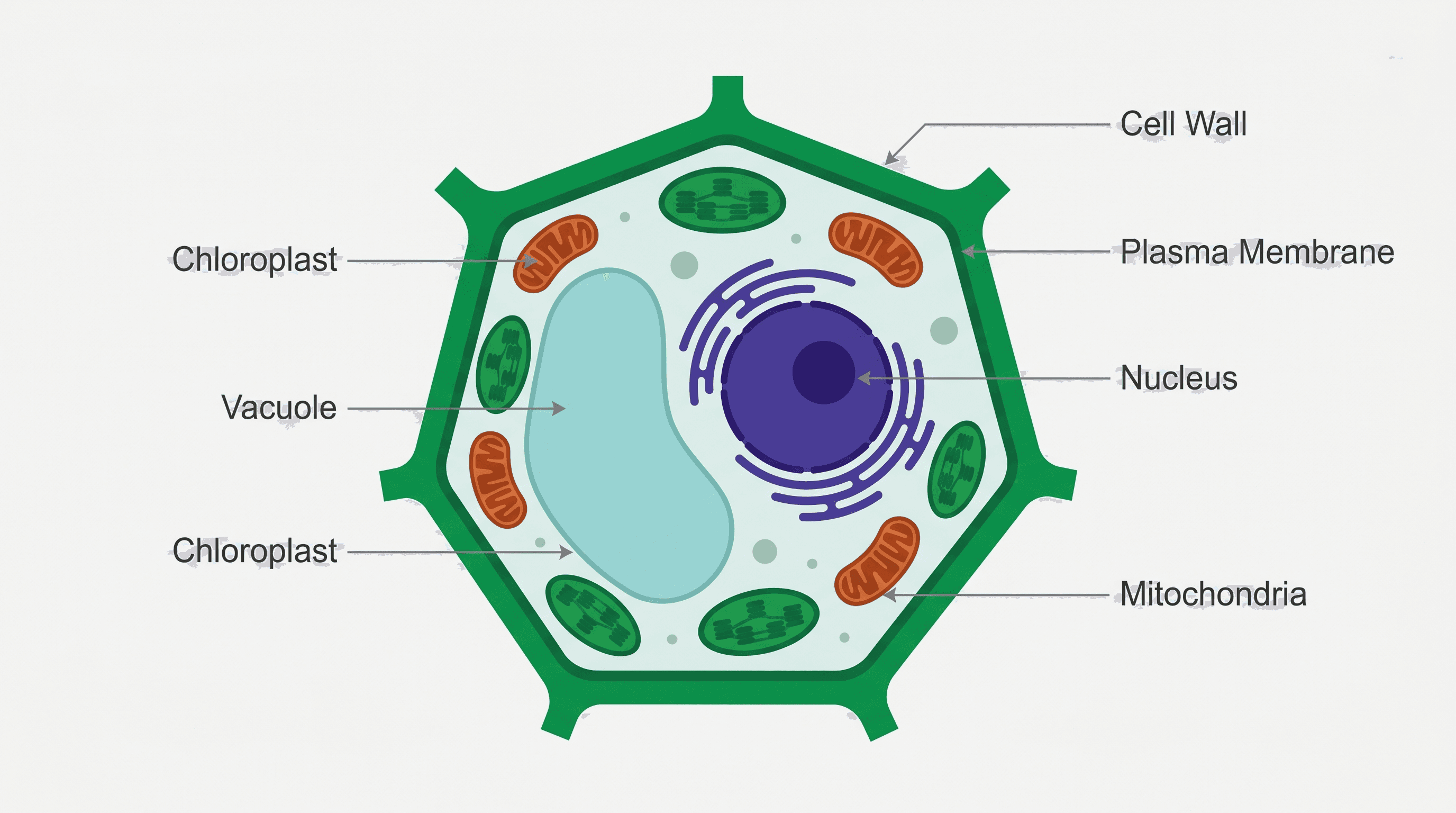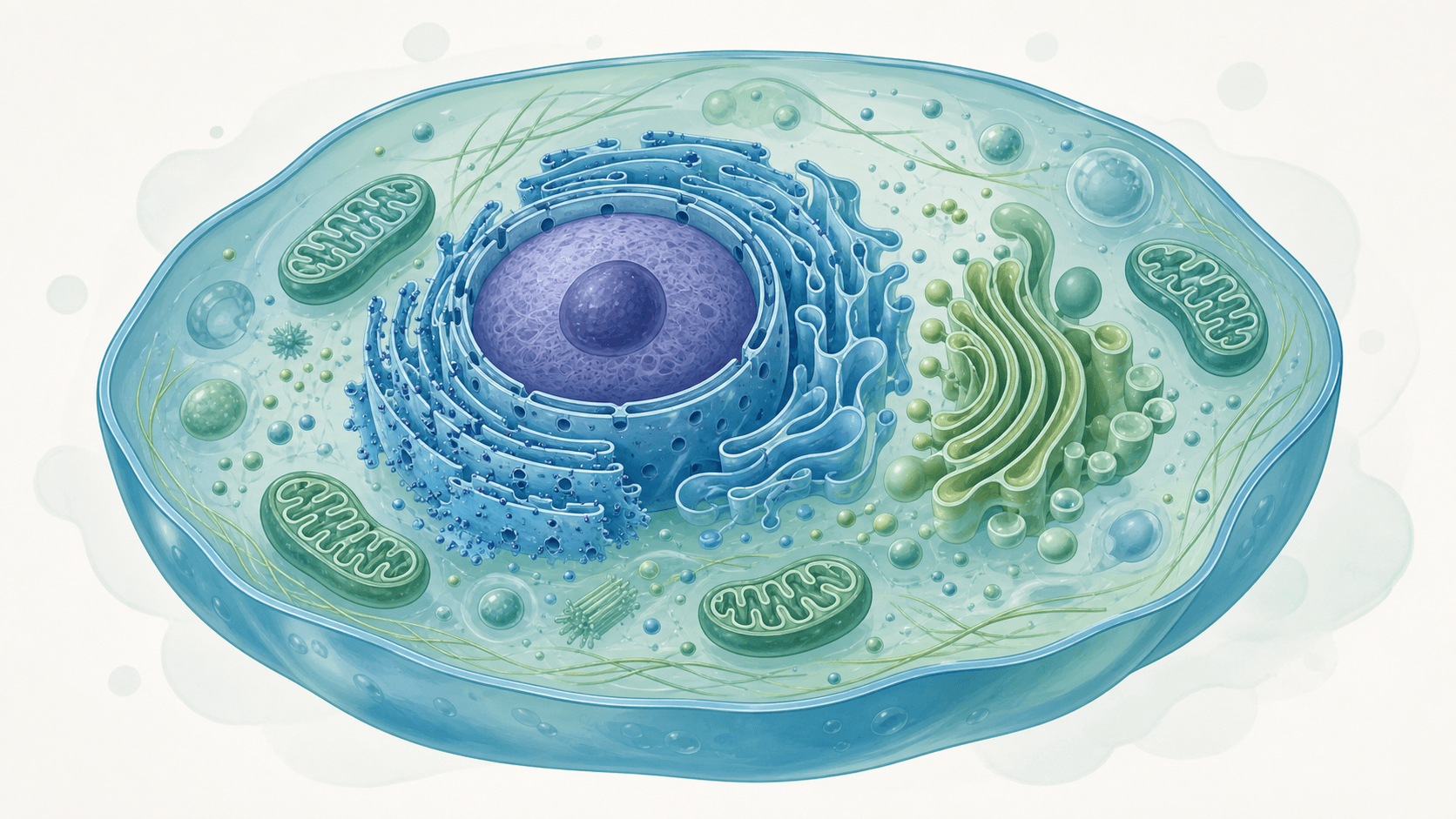
シグナル伝達経路も、有糸分裂も、ミトコンドリアの構造も——文章だけで伝えるのは骨が折れます。細胞生物学は図がほぼ欠かせない分野です。とはいえ、ラベル付きの細胞図を手で描くとなると、美術の心得がない人はオルガネラの比率すら合わせられず、時間だけが過ぎていきます。
このチュートリアルでは、正確で投稿にも使える細胞生物学の図をAIで手早く描く方法を、よくある用途別(完全な細胞図、オルガネラ、細胞膜、細胞プロセス)にそのまま使えるプロンプトつきで解説します。ツールは 細胞イラストジェネレーター を使えます。
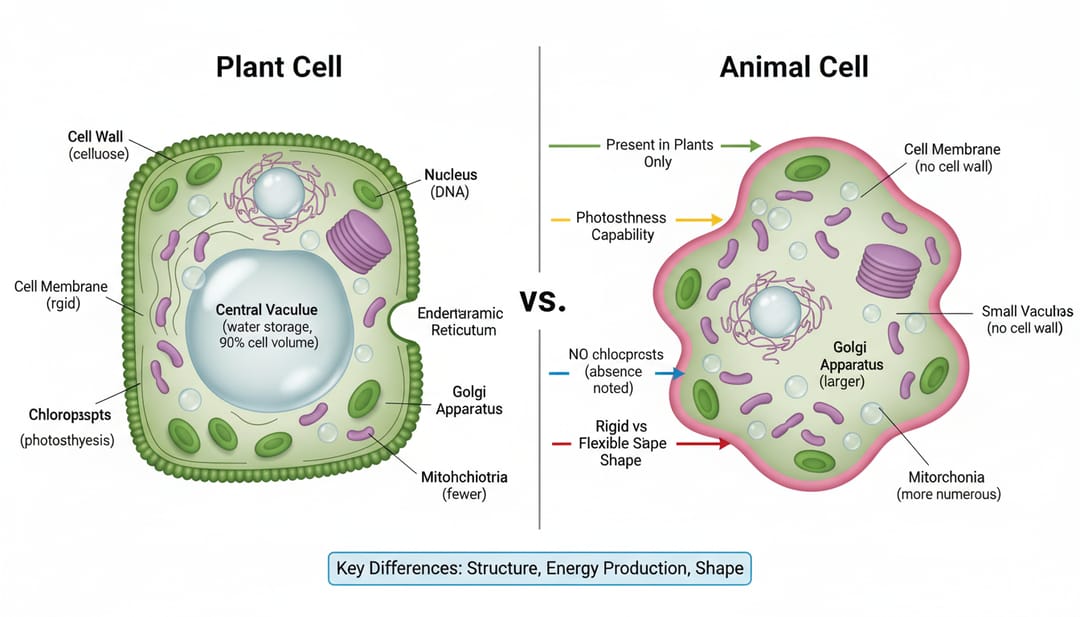 プロフェッショナルな細胞生物学のイラストは、複雑な概念を効果的に伝えます
細胞生物学のイラストが重要な理由
効果的な細胞のイラストは、以下に役立ちます。
- メカニズムの説明: 細胞プロセスがどのように機能するかを示す
- データコンテキストの提示: 実験結果をフレーム化する
- 概念の教育: 教育資料をサポートする
- 発見の伝達: 論文をよりアクセスしやすくする
必須の細胞生物学の視覚化タイプ
1. 細胞全体の図
細胞構造を示す基本的なイラスト。
真核細胞のプロンプト:
Detailed eukaryotic cell cross-section illustration,
visible organelles: nucleus with nucleolus, rough and smooth ER,
Golgi apparatus, mitochondria, lysosomes, peroxisomes,
cytoskeleton elements, plasma membrane with proteins,
each organelle clearly labeled in English,
educational scientific illustration style,
white background, 4:3 landscape format
原核細胞のプロンプト:
Bacterial cell diagram showing prokaryotic structure,
cell wall, plasma membrane, nucleoid region with DNA,
ribosomes scattered in cytoplasm, flagellum and pili,
capsule layer visible, plasmid indicated,
comparative biology style, clear labels,
suitable for microbiology textbook
2. オルガネラ詳細イラスト
特定の細胞コンパートメントを拡大します。
ミトコンドリア構造:
Detailed mitochondrion cross-section,
outer membrane, intermembrane space, inner membrane with cristae,
matrix containing mtDNA and ribosomes,
ATP synthase complexes visible on cristae,
electron transport chain components indicated,
biochemistry illustration style,
labels: "Outer membrane", "Inner membrane", "Cristae", "Matrix"
核構造:
Eukaryotic nucleus detailed illustration,
nuclear envelope with double membrane,
nuclear pores with transport complexes,
chromatin and chromosomes visible,
nucleolus for ribosome assembly,
nuclear lamina supporting structure,
molecular biology textbook style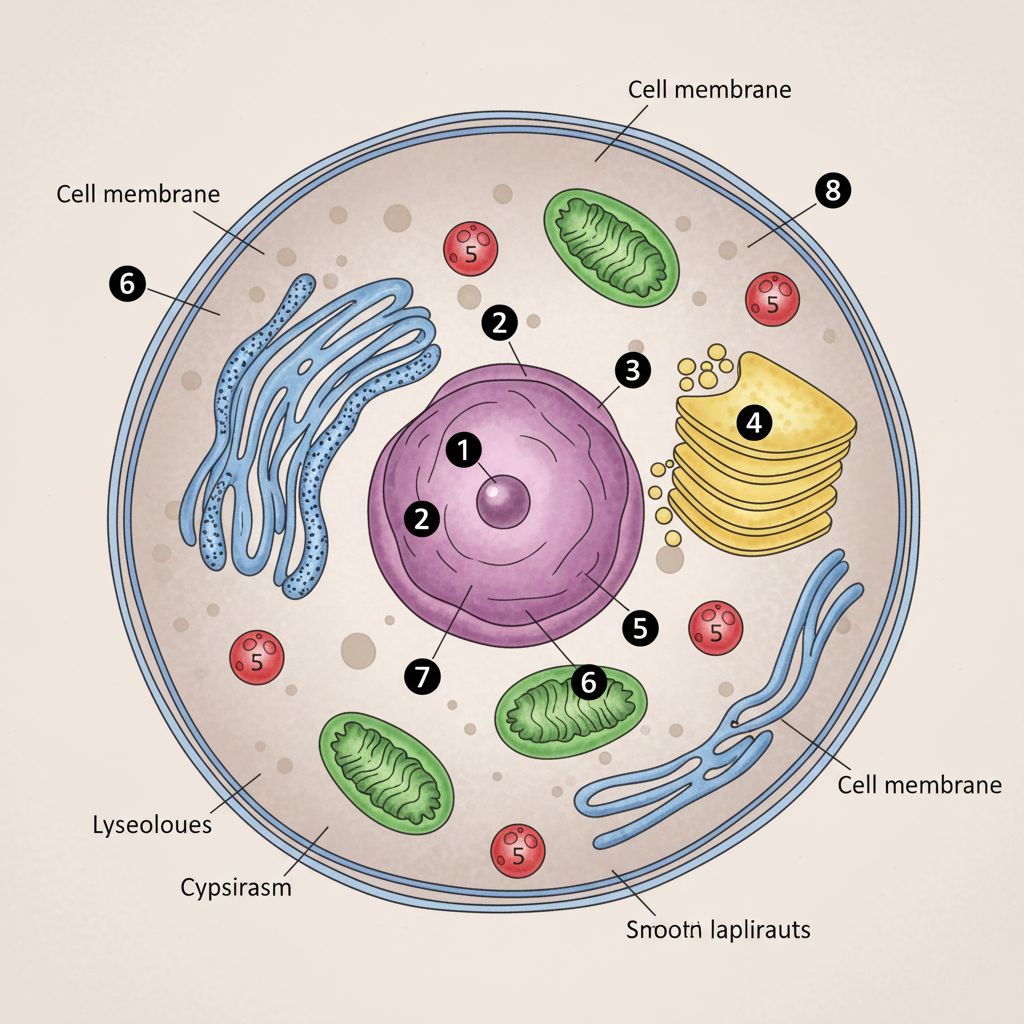 詳細なオルガネラのイラストは、細胞機能の理解をサポートします
3. 膜生物学
生体膜の複雑な世界を視覚化します。
細胞膜:
Fluid mosaic model of plasma membrane,
phospholipid bilayer with hydrophilic heads and hydrophobic tails,
integral proteins spanning membrane,
peripheral proteins on surfaces,
cholesterol molecules interspersed,
glycoproteins and glycolipids on outer surface,
cell biology textbook illustration style
膜輸送:
Membrane transport mechanisms comparison,
passive diffusion, facilitated diffusion, active transport,
channel proteins and carrier proteins shown,
ion gradients indicated with arrows,
ATP usage marked for active transport,
educational diagram with clear labels,
4:3 landscape format
4. 細胞プロセス
細胞活動の動的なイラスト。
細胞分裂(有糸分裂):
Mitosis stages illustration showing cell cycle,
prophase: chromosome condensation, spindle formation,
metaphase: chromosomes aligned at metaphase plate,
anaphase: sister chromatid separation,
telophase: nuclear envelope reformation,
cytokinesis: cell division completion,
circular or linear arrangement, labeled stages,
cell biology education style
タンパク質合成:
Protein synthesis pathway illustration,
DNA in nucleus → transcription → mRNA,
mRNA export through nuclear pore,
ribosome assembly on mRNA,
translation with tRNA bringing amino acids,
polypeptide chain emerging,
central dogma of molecular biology,
scientific illustration style
細胞呼吸:
Cellular respiration overview diagram,
glucose entry into cytoplasm,
glycolysis pathway producing pyruvate,
pyruvate entering mitochondria,
citric acid cycle in matrix,
electron transport chain on inner membrane,
ATP production tallied at each stage,
biochemistry textbook style
高度な細胞生物学のイラスト
シグナル伝達経路
受容体型チロシンキナーゼシグナル伝達:
RTK signaling pathway illustration,
ligand binding causing receptor dimerization,
autophosphorylation of tyrosine residues,
adapter protein recruitment (GRB2, SOS),
RAS activation (GDP to GTP exchange),
MAPK cascade (RAF → MEK → ERK),
nuclear translocation and gene activation,
cell signaling diagram style,
phosphorylation events marked with "P"
GPCRシグナル伝達:
G-protein coupled receptor signaling cascade,
7-transmembrane receptor structure,
heterotrimeric G-protein (α, β, γ subunits),
GDP-GTP exchange upon activation,
effector activation (adenylyl cyclase or PLC),
second messenger production (cAMP or IP3/DAG),
downstream effects illustrated,
pharmacology textbook style
細胞間相互作用
細胞結合の種類:
Epithelial cell junction illustration,
tight junctions at apical surface (claudins, occludins),
adherens junctions (cadherins, catenins),
desmosomes (desmogleins, desmoplakins),
gap junctions (connexins forming channels),
hemidesmosomes at basal surface,
comparative side-by-side arrangement,
histology illustration style
免疫細胞の相互作用:
T cell and antigen-presenting cell interaction,
APC presenting MHC-peptide complex,
TCR recognizing antigen,
CD4/CD8 coreceptor engagement,
costimulatory molecules (CD28-B7),
immunological synapse formation,
cytokine release indicated,
immunology textbook illustration
SciDraw AI で細胞イラストを作成する
ステップバイステップのワークフロー
ステップ1:視覚化の目標を定義する
- どのような細胞の概念をイラスト化する必要がありますか?
- どの程度の詳細が必要ですか?
- ターゲットオーディエンスは誰ですか?
ステップ2:包括的なプロンプトを作成する
次の要素を含めます。
- 主題: 特定の細胞の種類またはプロセス
- コンポーネント: 含めるすべての構造のリスト
- ラベル: 用語を指定する
- スタイル: 教育的、芸術的、または出版準備完了
- 形式: 寸法と向き
ステップ3:生成と評価
- 複数のバージョンを生成する
- 科学的な正確さを確認する
- 視覚的な明瞭さを評価する
ステップ4:反復による改良
Refinement prompt:
Previous image was good but needs:
- More detail on [specific structure]
- Clearer labeling of [component]
- Better color contrast between [elements]
- Addition of [missing element]
例:完全なワークフロー
目標: 論文のためのエンドサイトーシスのイラストを作成する
最初のプロンプト:
Endocytosis mechanism illustration,
clathrin-mediated endocytosis steps shown,
receptor binding on cell surface,
clathrin coat assembly,
membrane invagination,
vesicle scission (dynamin),
clathrin coat disassembly,
vesicle trafficking to early endosome,
sequential steps arranged left to right,
cell biology publication style
改良:
Add more detail to clathrin coat structure,
show adaptor proteins (AP2),
include cargo molecules being internalized,
add labels for each step: "1. Cargo binding",
"2. Coat assembly", "3. Invagination",
"4. Scission", "5. Uncoating"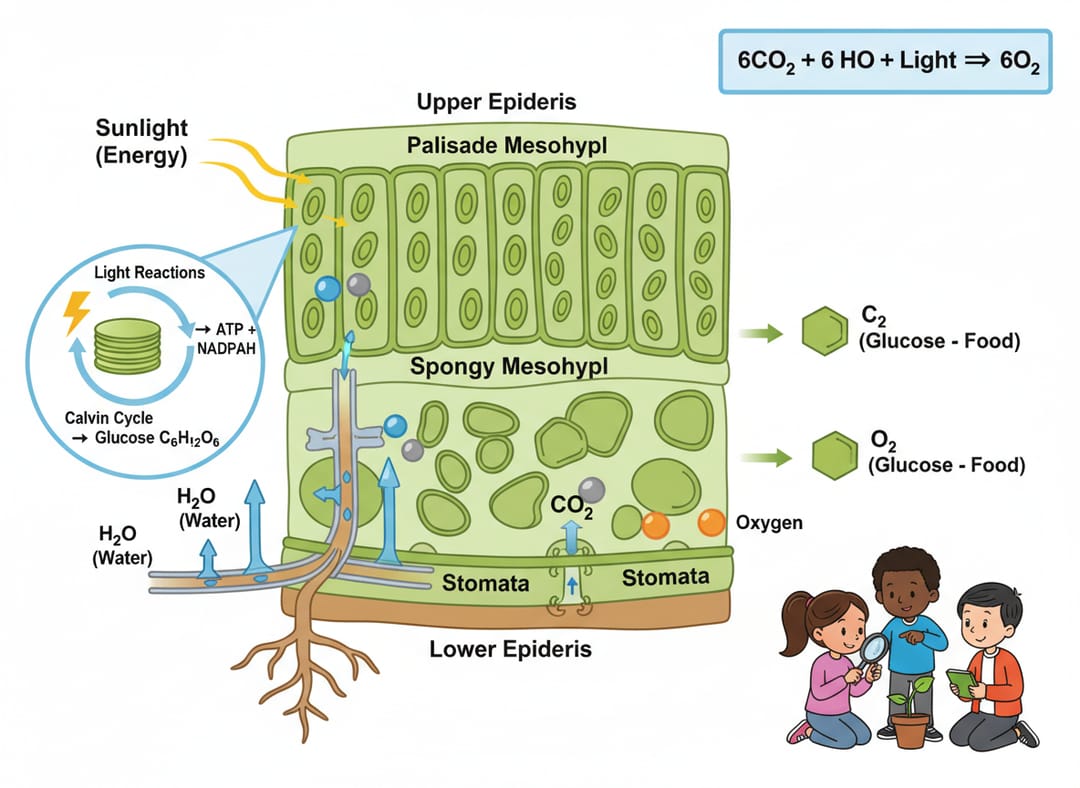 教育的なイラストは、詳細と明瞭さのバランスを取ります
分野固有の細胞生物学のプロンプト
がん生物学
Cancer cell vs normal cell comparison,
left: normal cell with contact inhibition,
right: cancer cell with uncontrolled division,
differences highlighted: growth signals, apoptosis evasion,
angiogenesis, metastasis capability,
hallmarks of cancer visualization,
oncology education style
神経生物学
Neuron structure and synaptic transmission,
cell body with nucleus, dendrites, axon,
myelin sheath with nodes of Ranvier,
synaptic terminal with vesicles,
neurotransmitter release into synaptic cleft,
postsynaptic receptors and response,
neuroscience textbook illustration
幹細胞生物学
Stem cell differentiation potential illustration,
pluripotent stem cell at center,
differentiation pathways radiating outward,
ectoderm: neurons, skin cells,
mesoderm: muscle, bone, blood cells,
endoderm: lung, liver, gut cells,
developmental biology style
免疫学
Adaptive immune response overview,
antigen encounter by dendritic cells,
T cell activation in lymph node,
B cell activation and antibody production,
effector T cell responses,
memory cell formation,
immunology textbook style with timeline
細胞イラストにおける一般的な間違い
1. 不正確なスケール
問題点: オルガネラが間違った相対的なサイズで表示される 解決策: 実際のサイズを調査する。プロポーションを維持する
2. コンポーネントの欠落
問題点: 主要な構造が省略されている 解決策: 参照画像を使用する。チェックリストを作成する
3. 不正確な構造
問題点: オルガネラが誤って描かれている 解決策: 電子顕微鏡画像を研究する。信頼できる参考文献を使用する
4. 不適切なラベル付け
問題点: ラベルが不明確または欠落している 解決策: すべての主要なコンポーネントにラベルを付ける。一貫した用語を使用する
5. 煩雑なデザイン
問題点: 要素が多すぎて混乱を招く 解決策: 簡素化する。複雑な概念には複数のパネルを使用する
ベストプラクティス
科学的な正確さ
- 常に信頼できる情報源に対して構造を確認する
- 最新の命名法を使用する
- 関連する場合はスケールバーを含める
- 種特異的な違いに注意する
視覚的な明瞭さ
- 同じ構造には一貫した色を使用する
- 要素間の明確な境界を維持する
- 適切な空白を提供する
- ラベルが構造と重ならないようにする
教育効果
- 単純なものから複雑なものへと進む
- 関連する機能を強調する
- 矢印を使用してプロセスを示す
- カラーコーディングの凡例を含める
細胞生物学のイラストの作成を開始する
プロフェッショナルな細胞生物学のイラストを作成する準備はできましたか?
- SciDraw AI Drawing にアクセスする
- 適切なテンプレートを選択する
- このガイドのプロンプトを開始点として使用する
- 特定のニーズに合わせてカスタマイズする
- 出版品質を達成するまで反復する
AI支援で細胞生物学を視覚化する方法を変革します。
関連記事:
- 細胞イラストジェネレーター — AIで細胞生物学図・オルガネラ図を作成
- Scientific Figure Generator: AI Tool for Research Papers - [科学図ジェネレーター:研究論文のためのAIツール]
- Nature and Science Figure Requirements - [NatureとScienceの図の要件]
- How to Write Effective AI Prompts for Scientific Illustrations - [科学イラストのための効果的なAIプロンプトの書き方]