Molecular Orbital Diagram Generator
Build a labeled MO diagram from plain text
Describe a molecule and AI draws a clean molecular orbital energy-level diagram — atomic orbitals, bonding and antibonding molecular orbitals, and filled electrons, all labeled and ready for chemistry homework, slides, and exams.
Molecular orbital diagram examples
Click any example to load its prompt, or use it as a starting point for your own MO diagram.
What is a molecular orbital diagram?
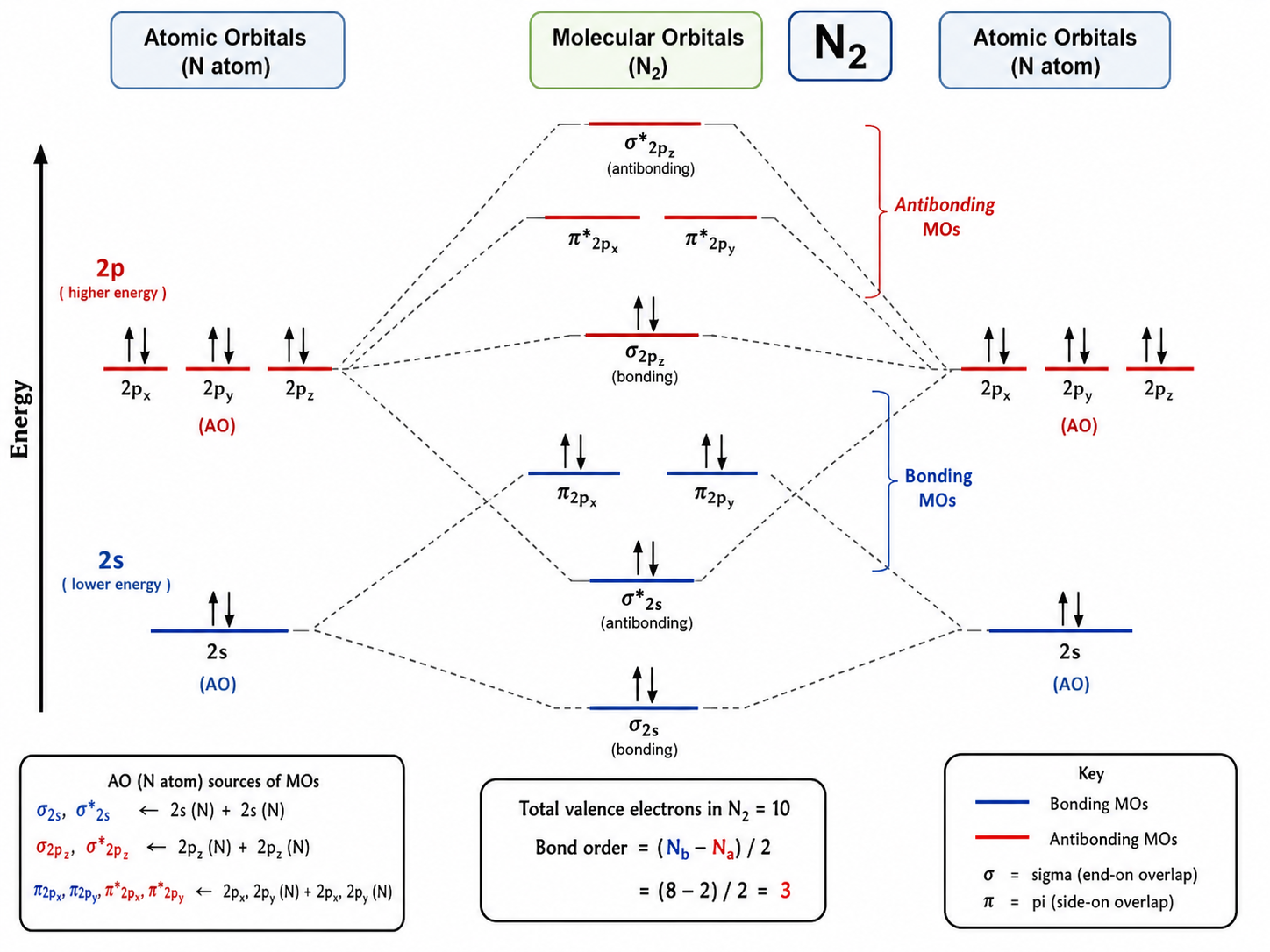
A molecular orbital (MO) diagram is an energy-level diagram from molecular orbital theory that shows how the atomic orbitals of two atoms combine into bonding and antibonding molecular orbitals, and how electrons fill them from the bottom up. This generator turns a plain-text description of a molecule into that clean, labeled picture — the one chemists use to explain bond order, stability, and magnetism. You name the molecule and any details (orbital ordering, sigma and pi labels, which electrons are unpaired), and the AI lays out the atomic orbitals on each side, the molecular orbitals stacked by energy in the middle, and the electrons drawn as paired up/down arrows. It is a drawing tool that lays out and labels the diagram you describe, not a quantum-chemistry solver, so you stay in control of the ordering and electron count.
Why use an MO diagram generator
- MO diagrams are a core topic in general and inorganic chemistry, drawn constantly for homework, exams, and molecular orbital theory worksheets.
- Lining up atomic orbital energy levels, sigma and pi orbitals, and electron arrows by hand is fiddly and easy to misalign.
- A clean energy-level diagram makes bond order, HOMO/LUMO, and paramagnetism easy to read at a glance.
- Instructors and tutors need quick, tidy MO diagrams for slides, lectures, and study guides.
- Regenerating from text is far faster than re-aligning bonding and antibonding levels every time you switch from O2 to N2, CO, or F2.
How to draw a molecular orbital diagram
Name the molecule and the valence orbitals involved — for second-row diatomics like O2, N2, CO, and F2 that means the 2s and 2p atomic orbitals. State the orbital ordering you want: for N2 and lighter diatomics the pi2p orbitals sit below sigma2p because of s-p mixing, while for O2 and F2 the sigma2p is lower. Give the number of valence electrons so they fill the bonding and antibonding orbitals correctly from lowest energy first, and ask for sigma and pi labels if you need them. Generate the MO diagram, then read off the bond order (bonding minus antibonding electrons, divided by two) and check that any unpaired electrons land where you expect. Refine the wording and regenerate until the energy-level diagram matches your course material.
Parts of an MO diagram
- Atomic orbital energy levels — the starting 2s/2p (or 1s) orbitals of each atom, drawn on the left and right.
- Bonding molecular orbitals (sigma, pi) — the lower-energy combinations in the centre.
- Antibonding molecular orbitals (sigma-star, pi-star) — the higher-energy combinations above them.
- Sigma and pi labels — naming each level so head-on and side-on overlaps are clear.
- Electron arrows — paired up/down arrows filling orbitals from the lowest energy first.
- Bond order — the annotation summarising net bonding, stability, and magnetism.
Molecular Orbital Diagram Generator FAQ
What is a molecular orbital diagram?
A molecular orbital (MO) diagram is an energy-level diagram from molecular orbital theory that shows how the atomic orbitals of the atoms in a molecule combine into bonding and antibonding molecular orbitals, and how electrons fill them. It is used to explain bond order, stability, and magnetic properties such as why O2 is paramagnetic.
How do I draw an MO diagram online?
Describe the molecule in plain text — name it, mention the 2s and 2p atomic orbitals, the orbital ordering, and the number of valence electrons — and this MO diagram maker draws a clean, labeled energy-level diagram with the bonding and antibonding orbitals and electron arrows. It lays out and labels the diagram you describe rather than computing orbital energies, so you can refine the wording and regenerate instantly.
Can it do molecular orbital diagrams for O2, N2, CO, and F2?
Yes. Just name the molecule — O2, N2, CO, F2, NO, H2, HF and similar diatomics are all supported, including heteronuclear cases like CO with offset atomic-orbital energies. Mention the orbital ordering or valence-electron count if you want to be precise, and the diagram fills the sigma and pi orbitals accordingly.
Does it show bond order, sigma and pi orbitals, and s-p mixing?
Yes. The diagram labels the sigma and pi (and sigma-star, pi-star) molecular orbitals, fills electrons by energy, and can annotate the bond order. State the ordering you expect — pi2p below sigma2p for N2 and lighter diatomics due to s-p mixing, or sigma2p lower for O2 and F2 — and ask for O2 with 12 valence electrons to show the two unpaired electrons that make oxygen paramagnetic.
Is it free?
Each generation uses a small number of credits, and new accounts get free credits, so you can make a molecular orbital diagram without any subscription.
Is it suitable for chemistry class and homework?
Yes. It produces clean, labeled MO diagrams suitable for chemistry homework, lab reports, exams, and lecture slides. Because it draws what you describe rather than solving the quantum chemistry, always check the orbital ordering, electron count, and bond order against your course material before submitting.
Explore More Tools
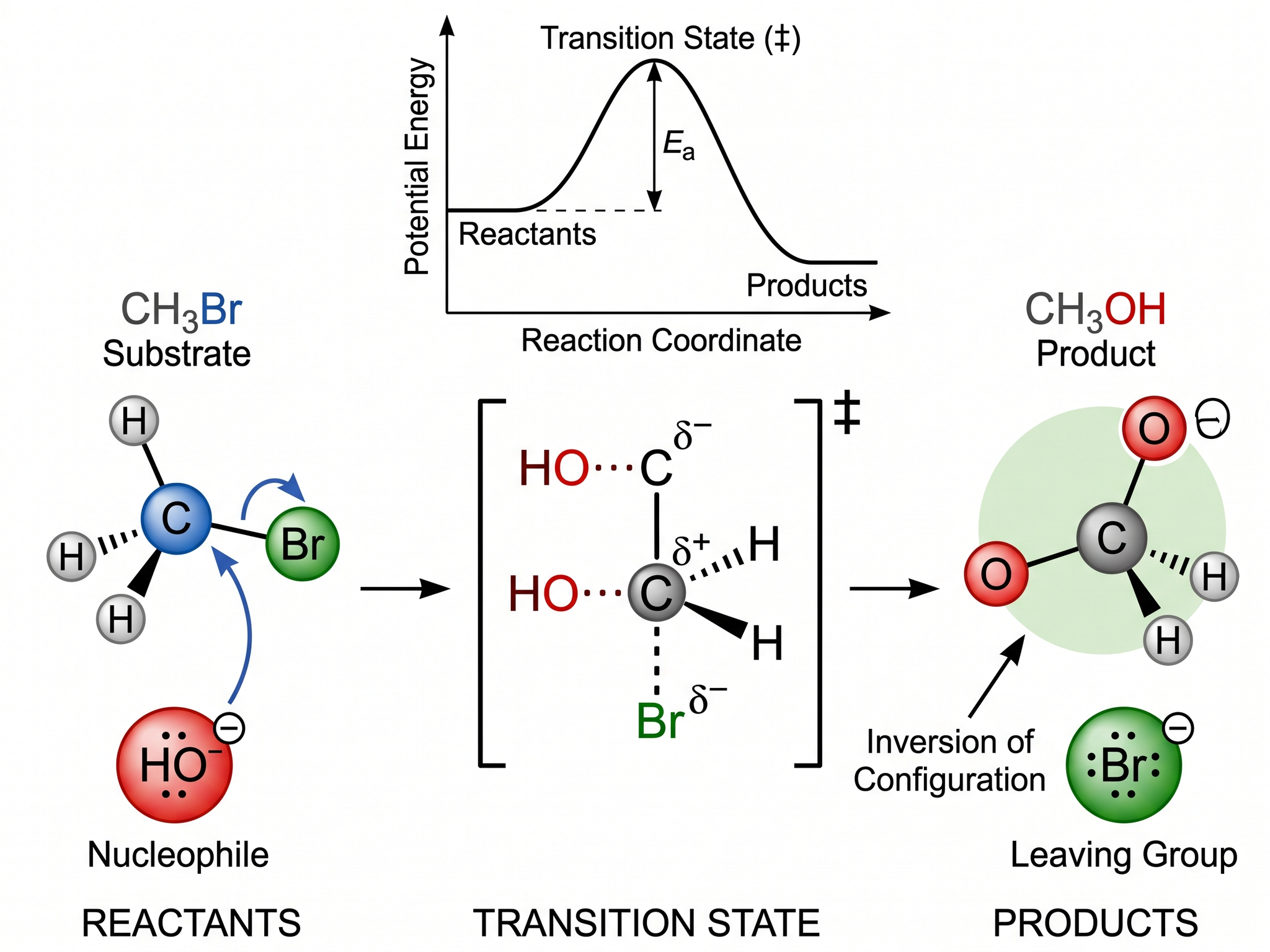
Chemistry Diagram Generator
Create chemistry figures, TOC graphics, and molecular visuals
Try it free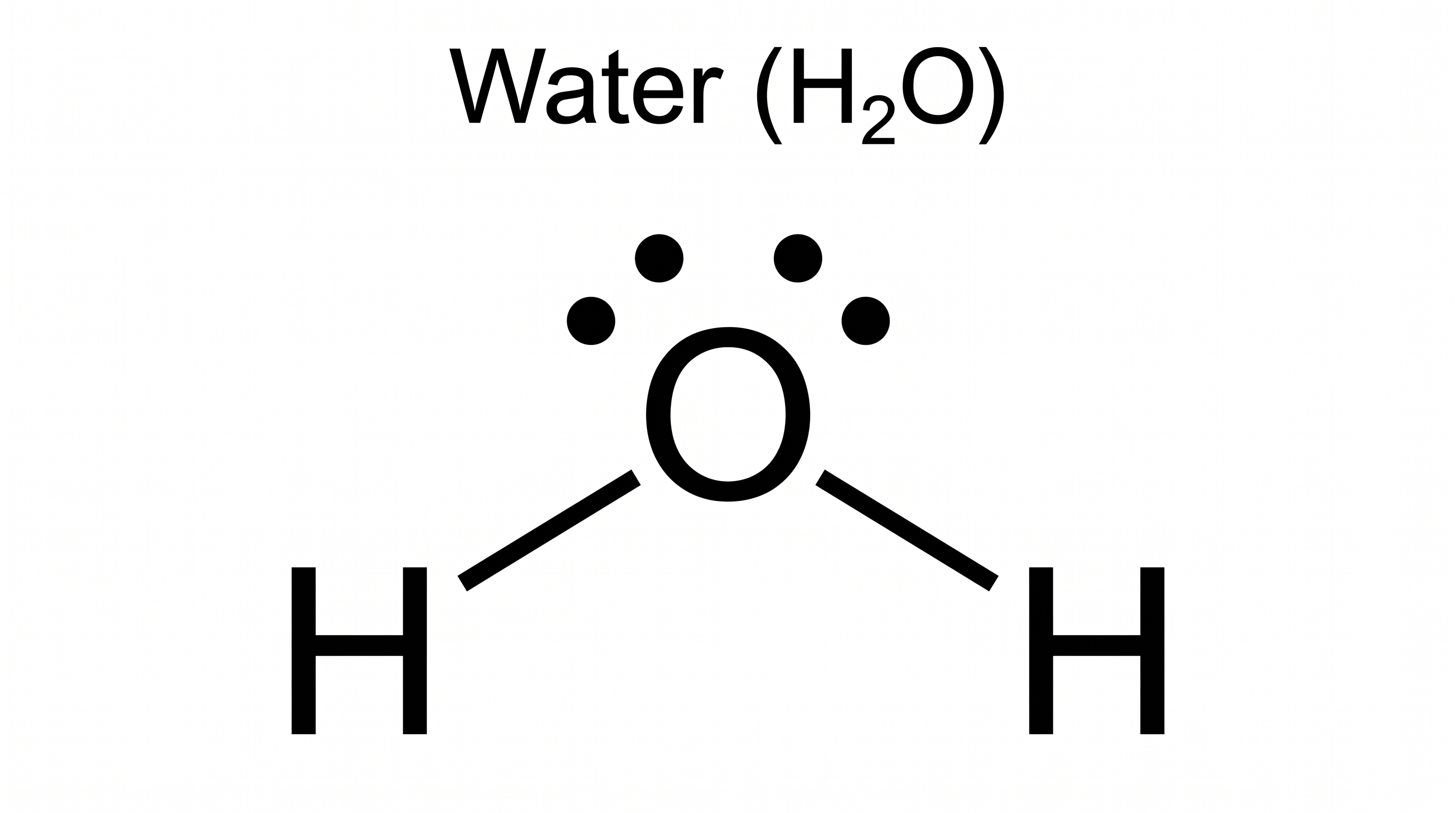
Lewis Dot Structure Generator
Draw electron dot diagrams for any molecule or ion instantly.
Try it free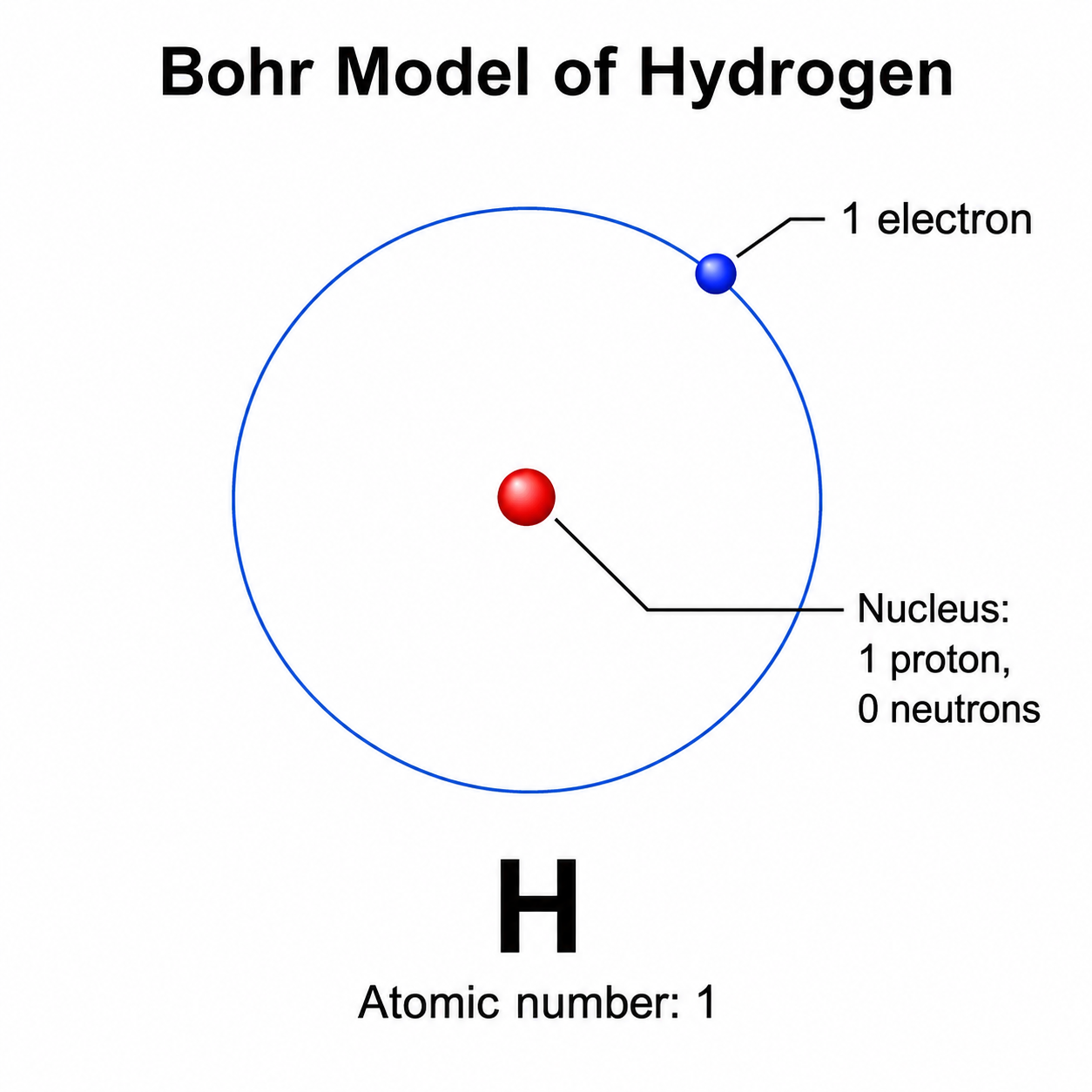
Bohr Model Maker
Draw clean, labeled Bohr diagrams with a nucleus and electron shells from a text prompt.
Try it freeNeed other chemistry diagrams?
Generate Lewis structures, reaction mechanisms, and chemistry figures with SciDraw AI.