Free AI Microfluidic Chip Diagram Generator
From device notes to a clean, labeled chip schematic
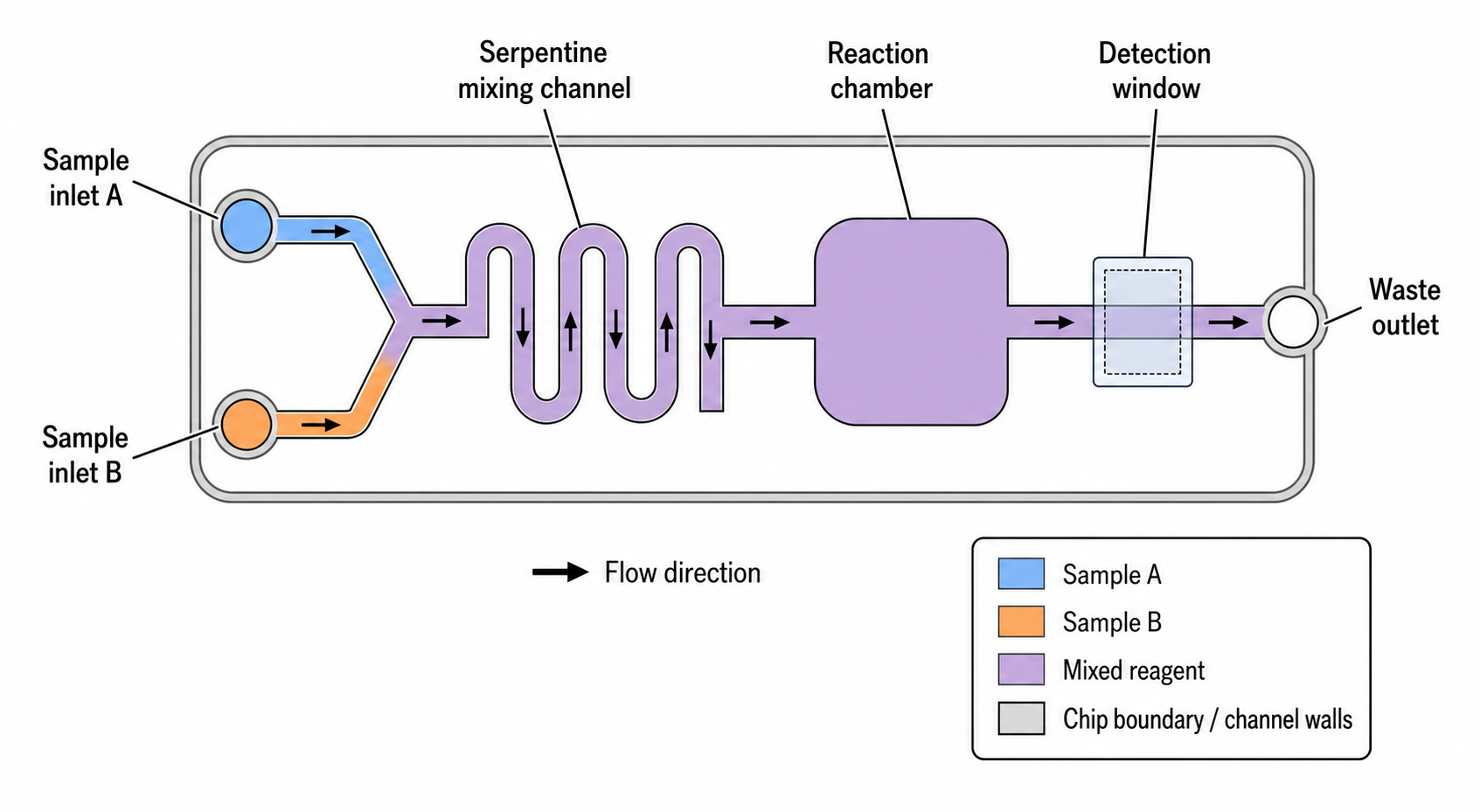
Microfluidic Chip Diagram Generator turns a plain-language device description into a structured top-view schematic. It is tuned for sample inlets, microchannels, mixing and reaction chambers, detection windows, and outlets, so the first draft already uses the labels, flow-direction arrows, and spacing that readers expect in lab-on-a-chip papers, patents, theses, and lab presentations.
Microfluidic Chip Diagram Examples
Start from a realistic device scenario, reuse the prompt, or write your own version above.
What this microfluidic chip diagram generator does
Microfluidic Chip Diagram Generator turns a plain-language device description into a structured top-view schematic. It is tuned for inlets, microchannels, mixing and reaction chambers, detection windows, and outlets, so the first draft already uses the labels, flow arrows, and spacing that readers expect in lab-on-a-chip papers, patents, theses, and lab presentations.
Why researchers use this page
- Turn channels, chambers, inlets, and detection windows into a schematic without redrawing every element by hand
- Keep component labels and flow direction consistent across the device figure
- Move faster from a device sketch to a shareable schematic
- Create paper, patent, and thesis figures in the same visual language
- Export a clean result that can be revised with collaborators
How to get a better result
Name the device type first (lab-on-a-chip, droplet, organ-on-a-chip), then list the components that must appear: inlets, channel geometry, mixing or reaction chambers, detection windows, membranes, and outlets. Add the flow direction and any labels you cannot afford to miss. SciDraw AI will arrange the schematic, and you can regenerate or export an editable version for final polish.
What to include in the prompt
- The device type: lab-on-a-chip, droplet microfluidics, or organ-on-a-chip
- Inlets, outlets, and channel geometry (straight, serpentine, flow-focusing)
- Mixing chambers, reaction chambers, and detection windows
- Flow direction arrows and continuous versus dispersed phases
- Membranes, electrodes, valves, or cell culture regions
- Audience and style: journal schematic, patent figure, or teaching diagram
Frequently Asked Questions
What can I create with this microfluidic chip diagram generator?
You can create top-view schematics for lab-on-a-chip devices, droplet microfluidics, and organ-on-a-chip systems, with labeled inlets, channels, chambers, detection windows, and outlets. It works best when you name the components and the flow direction.
Is the output suitable for papers or patents?
Yes. Layouts prioritize clear labels, readable spacing, and export-friendly composition for manuscripts, patents, and theses. You should still verify the device geometry and dimensions before submission.
How detailed should my prompt be?
A useful prompt names the device type, channel geometry, chambers, detection method, and flow direction. Add must-have labels when you need a precise figure rather than a broad concept sketch.
Can I draw droplet or organ-on-a-chip designs?
Yes. Specify a flow-focusing or T-junction for droplet generation, or parallel channels separated by a porous membrane for organ-on-a-chip, and list the phases, cells, and readouts you want shown.
Can I edit the figure after generation?
Yes. You can regenerate with a revised prompt or export an editable version for further polishing in your normal figure workflow.
Can I paste text from a manuscript or patent?
Yes. Paste a short device description or methods summary, then ask SciDraw AI to turn it into a labeled schematic with the exact components you need.
Explore More Tools

Chemistry Diagram Generator
Create chemistry figures, TOC graphics, and molecular visuals
Try it free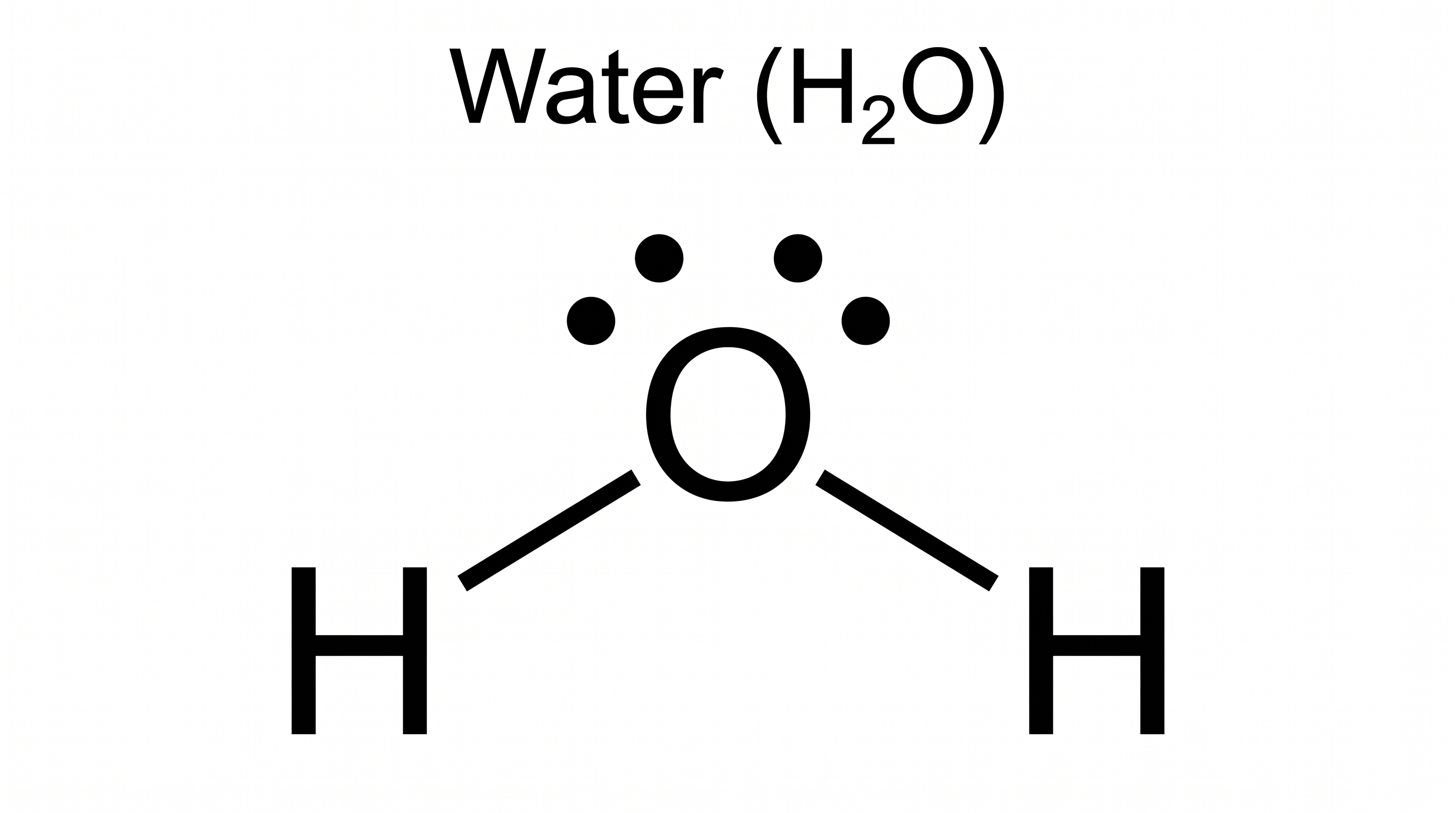
Lewis Dot Structure Generator
Draw electron dot diagrams for any molecule or ion instantly.
Try it free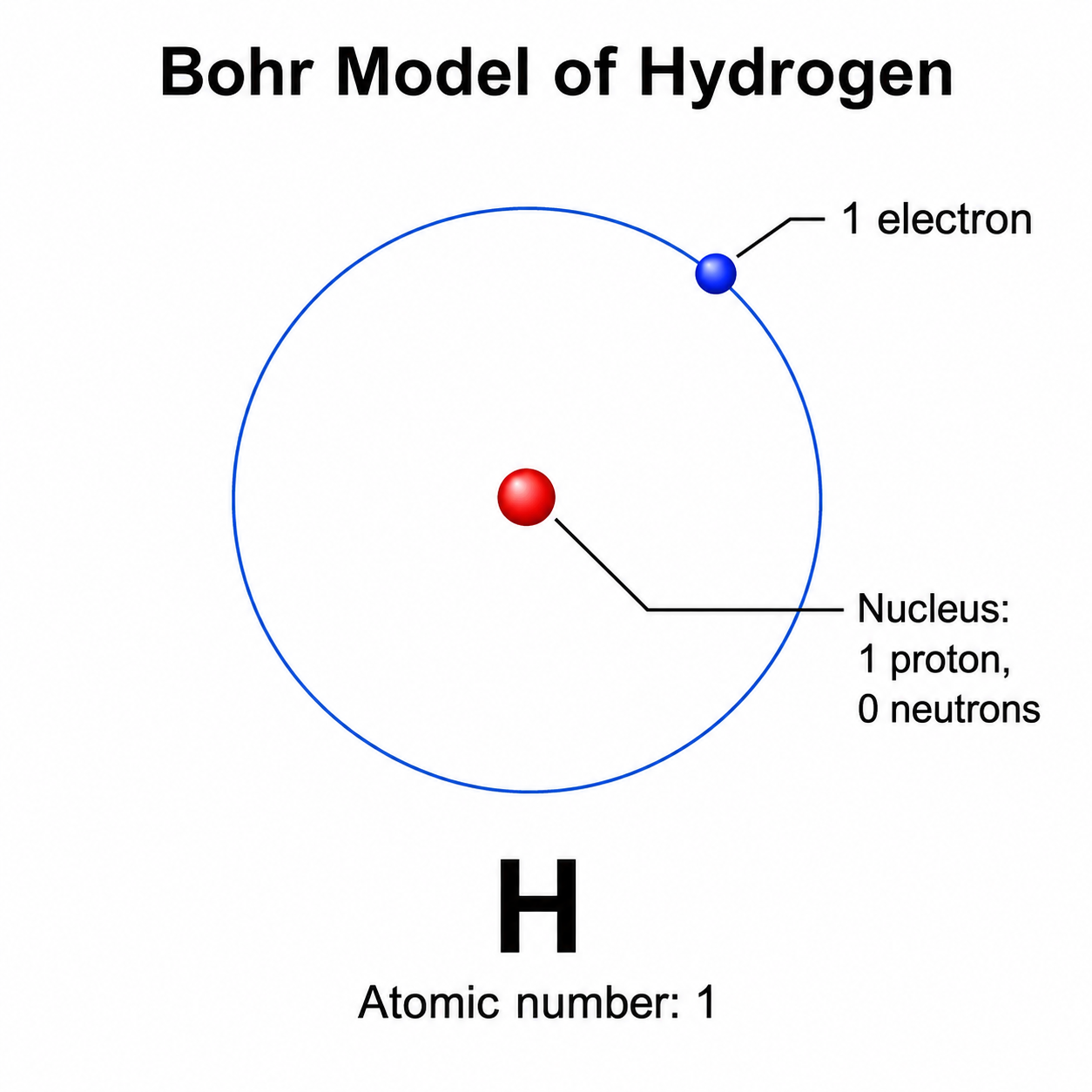
Bohr Model Maker
Draw clean, labeled Bohr diagrams with a nucleus and electron shells from a text prompt.
Try it freeCreate your microfluidic chip diagram now
Describe inlets, channels, mixing and reaction chambers, detection windows, and outlets and get a clean lab-on-a-chip schematic you can refine for papers, patents, and slides.