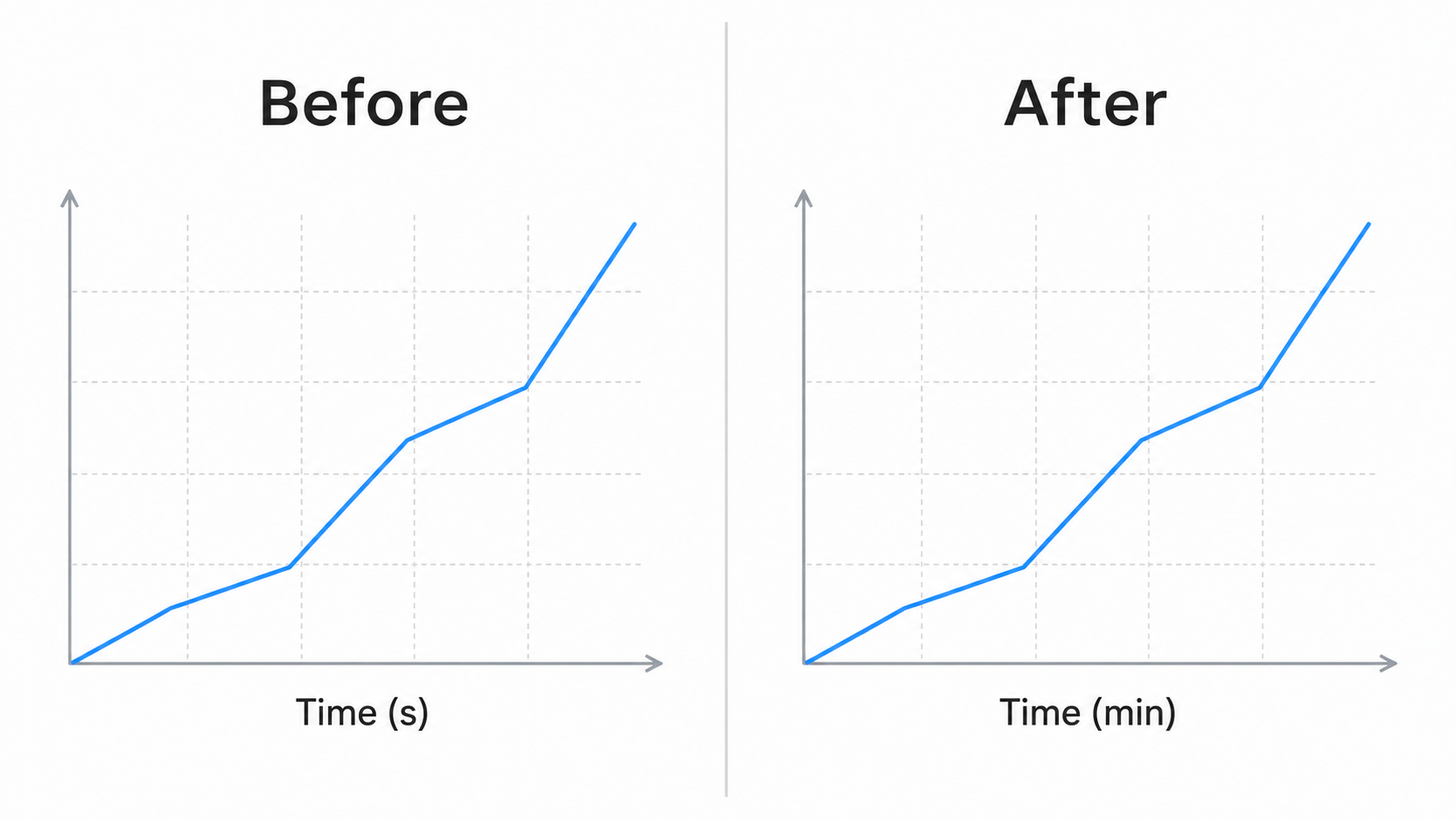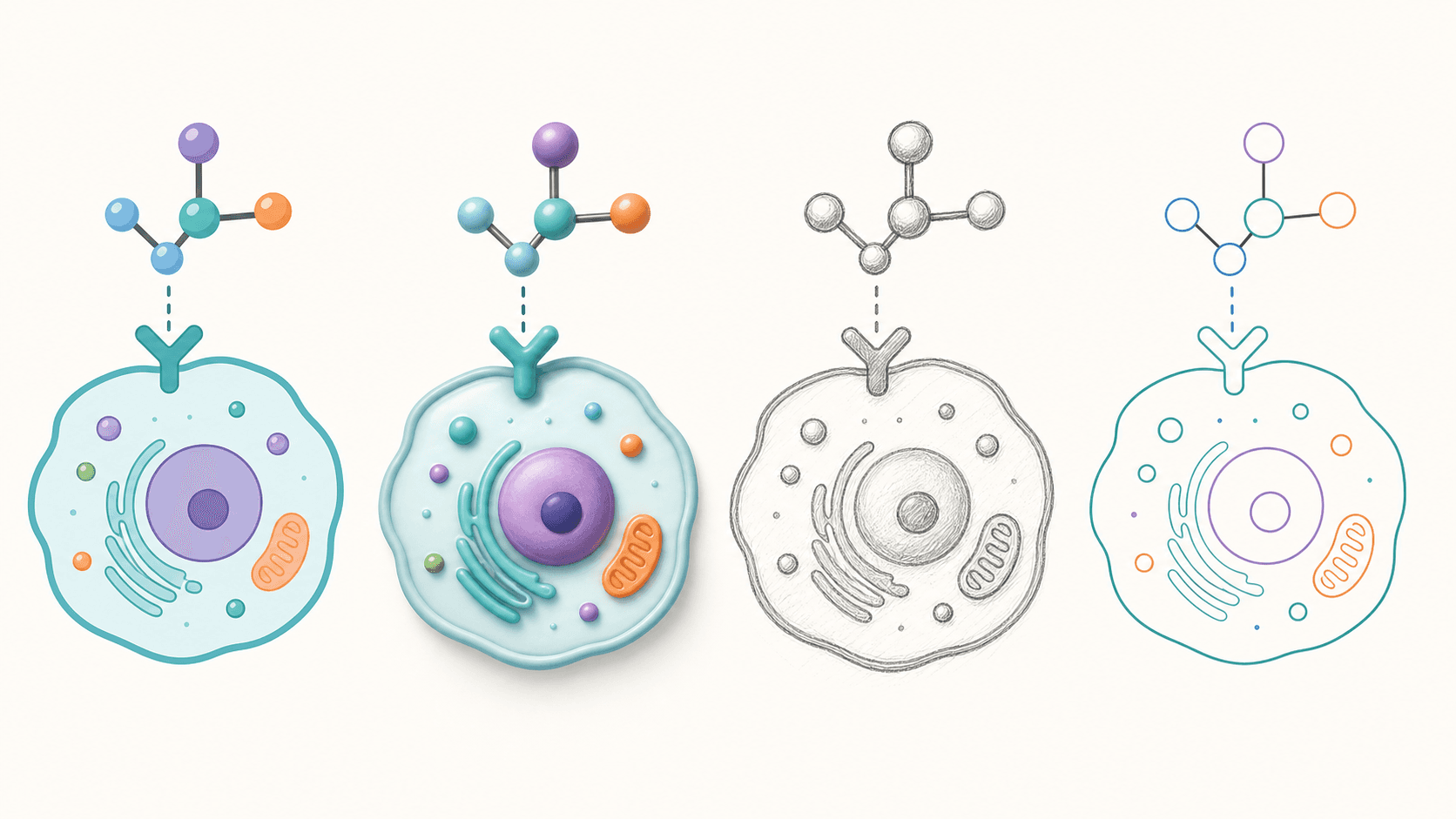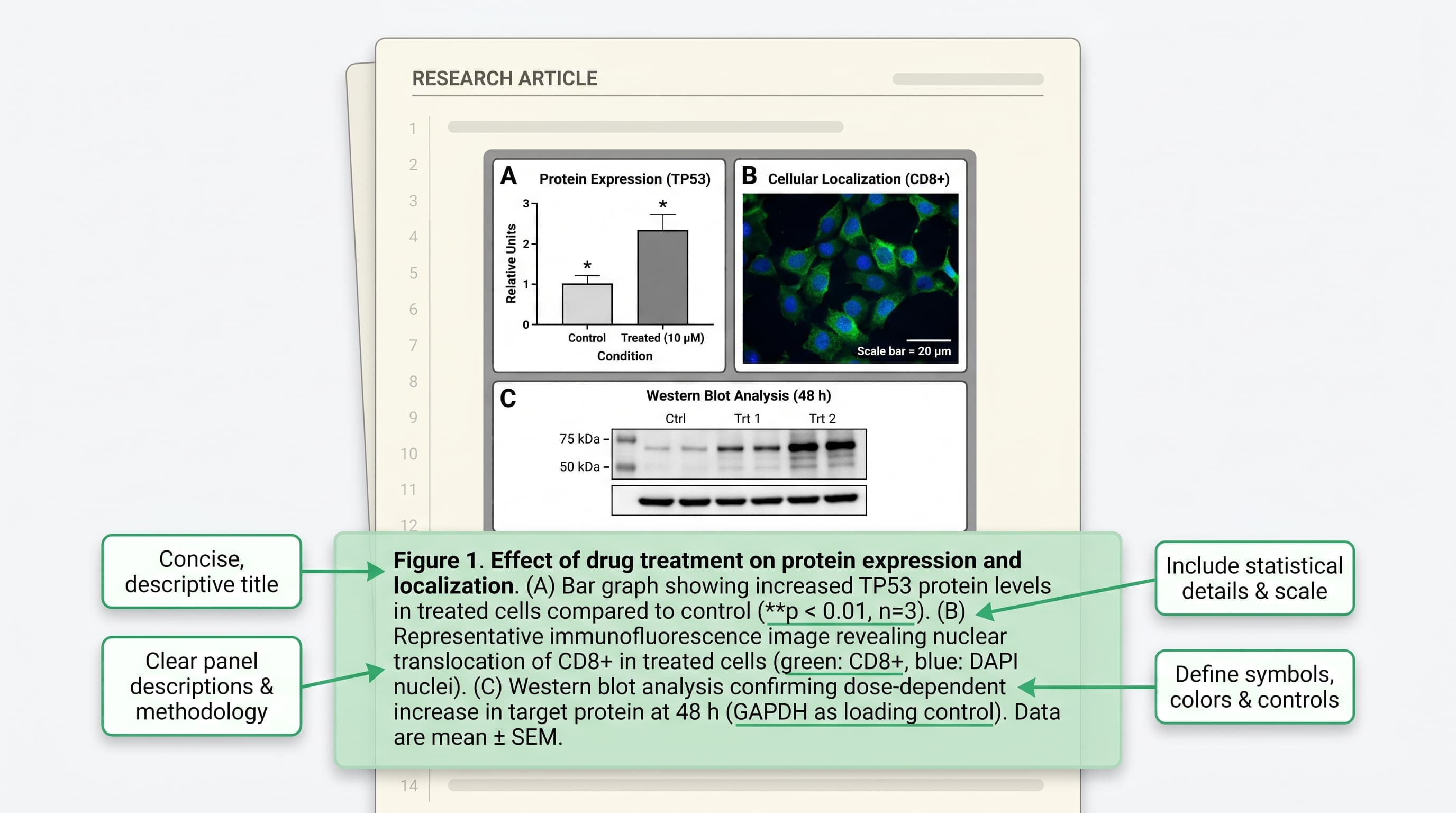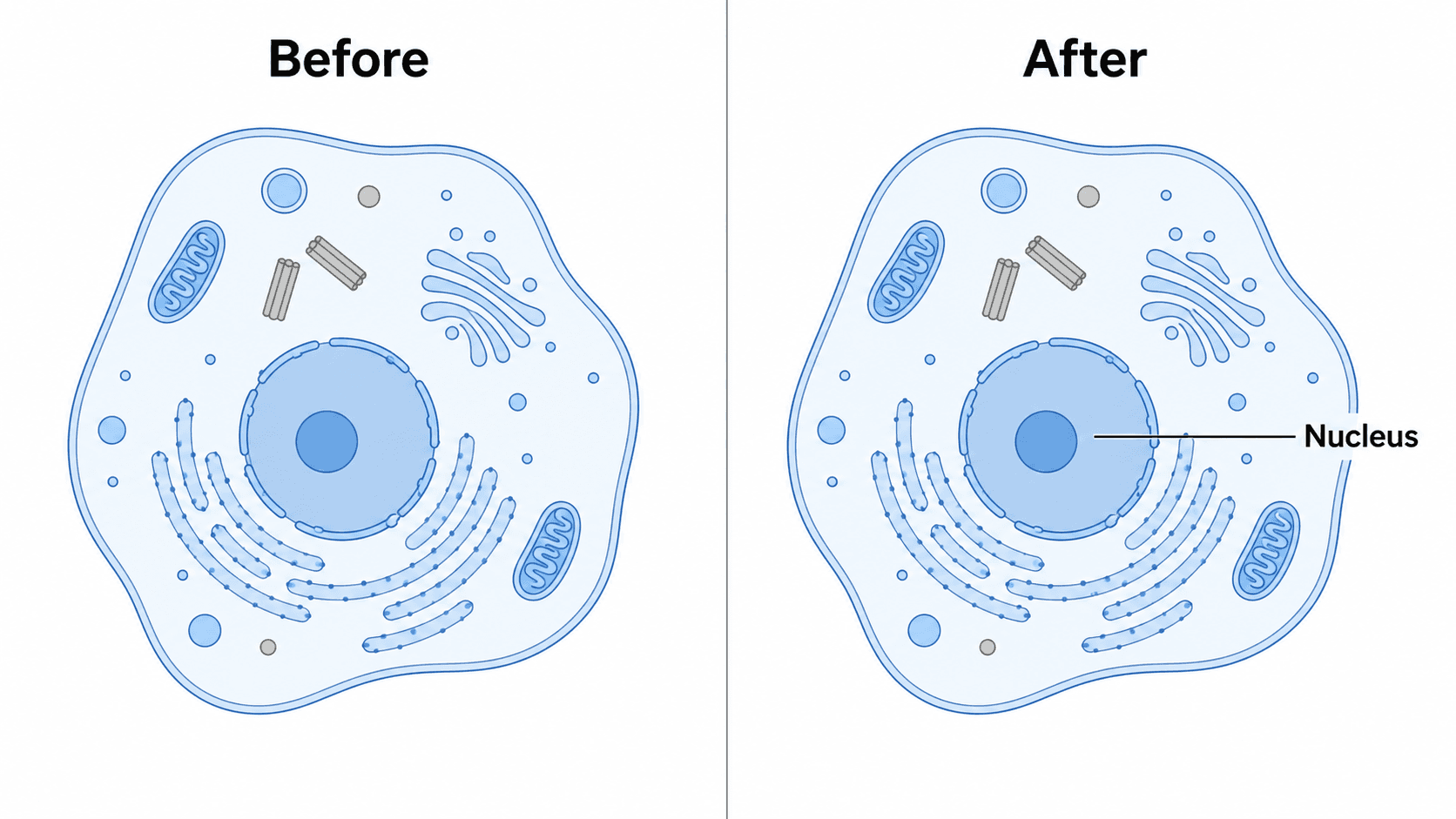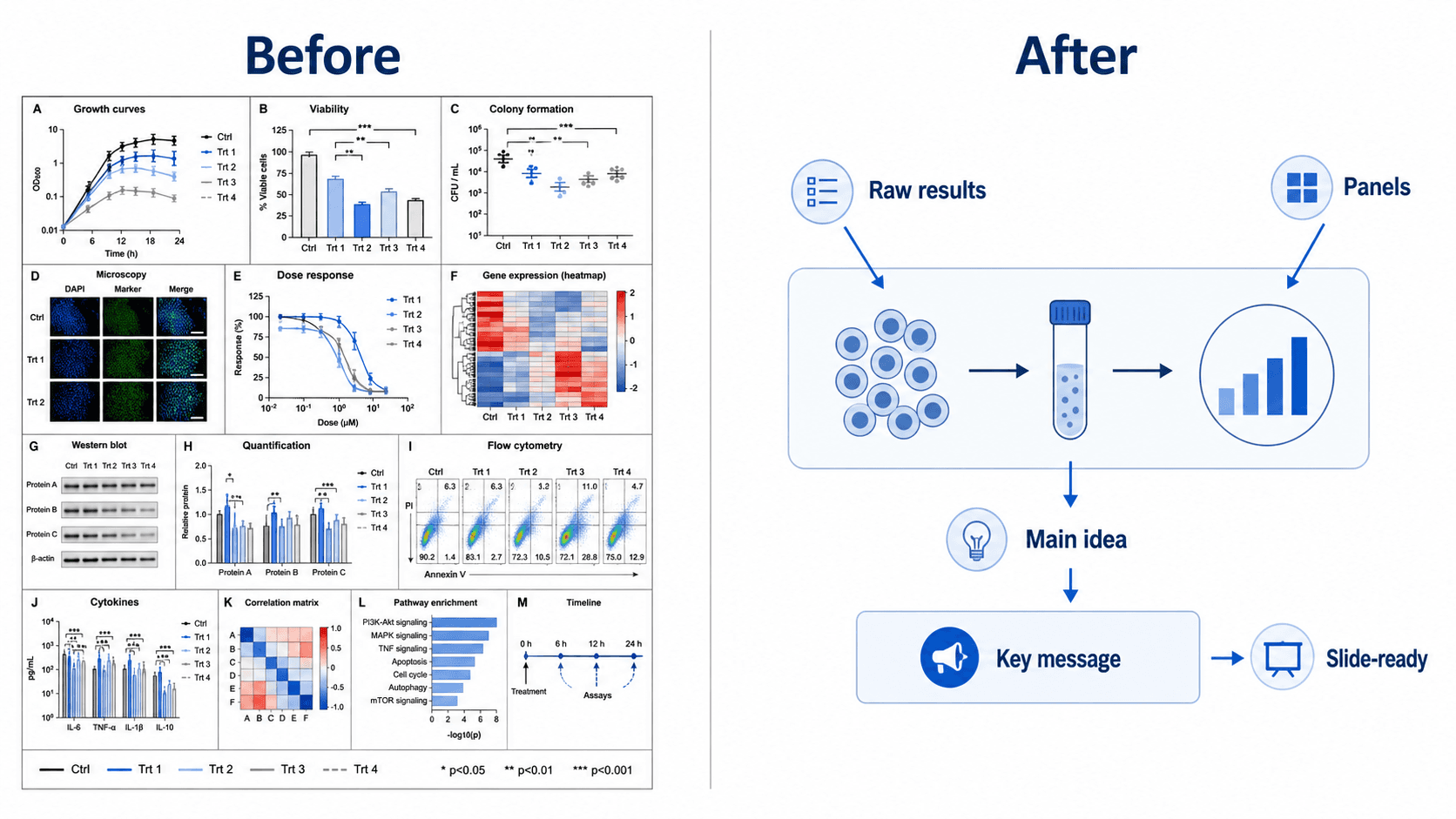
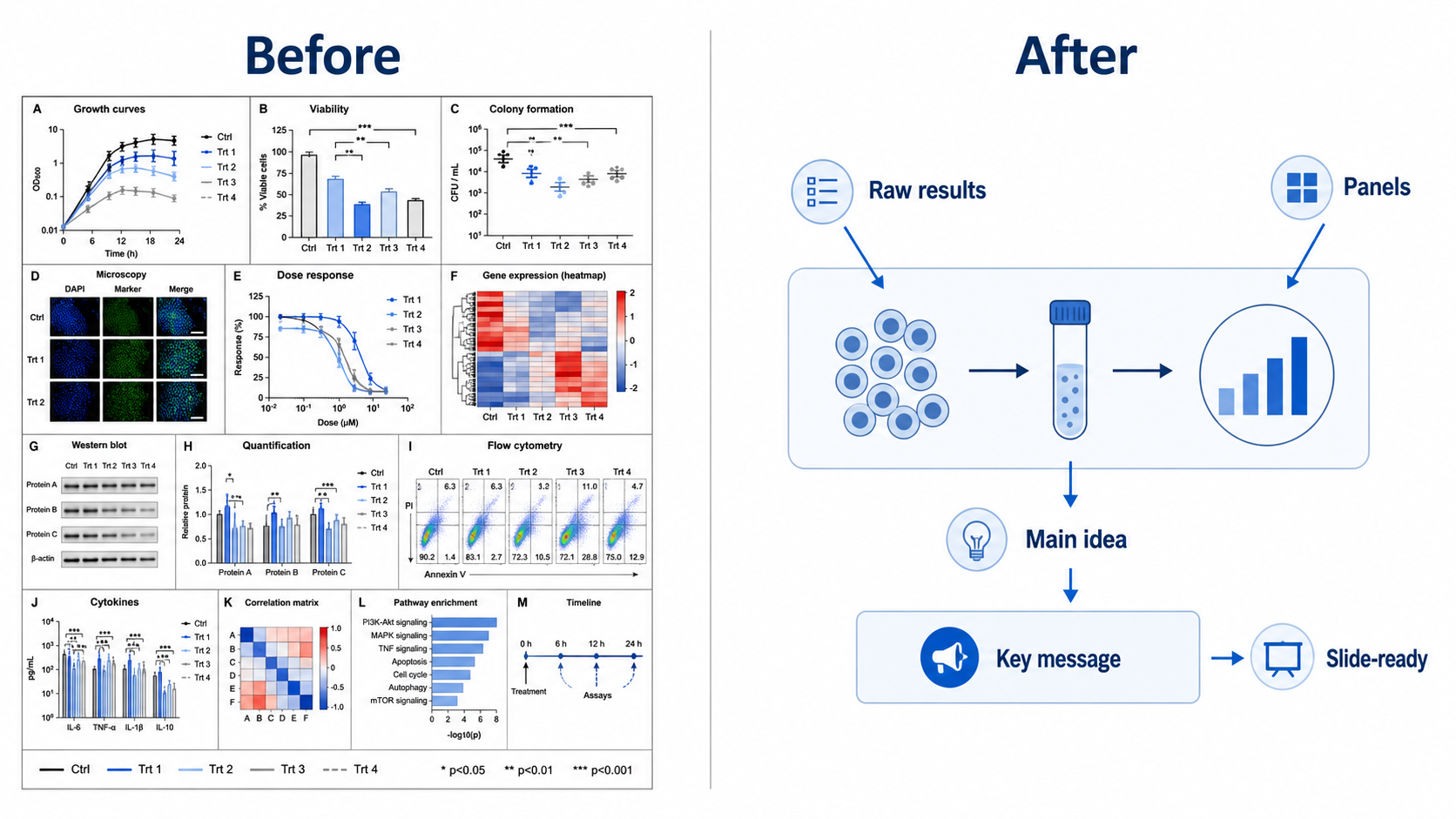
You made a great figure for your paper — and now you need it again for a wide conference slide, a tall poster column, and a square social post. Each destination wants a different shape, and stretching the original just distorts everything. You don't have to redraw it for every format. With an AI-native figure tool you simply tell the AI the aspect ratio or destination you need, and it reflows the existing figure to fit — keeping the elements, labels, and meaning intact instead of squashing them. This guide shows you how to resize a figure and change its aspect ratio for a journal, poster, or slide — no design software, no distortion, no starting over.
By the end of this guide you'll be able to:
- Change the aspect ratio of a figure to single-column, double-column, 16:9, square, or tall poster shapes.
- Resize a figure for a journal without distorting elements or shrinking labels into illegibility.
- Reformat a diagram for a slide so it fills a widescreen frame and reads from the back of the room.
- Adapt a figure for a poster panel that's tall and narrow.
- Resize without redrawing the figure, so the science stays the same while the shape changes.
Every resize below is made by typing one sentence into the SciDraw AI editor — the AI figure editor where your image is the canvas and language is the tool.
Why "resize" should mean reflow, not stretch
Dragging a corner handle scales every pixel uniformly: text squishes, circles become ovals, and a careful layout breaks. Real resizing for science means reflowing the content into a new shape — rearranging panels, repositioning labels, and adjusting spacing so the figure still reads cleanly at its new proportions. That's exactly what an AI figure tool does when you ask for a new aspect ratio: it doesn't stretch the image, it re-lays-out the figure to fit. The skill is naming the target shape (or destination) and telling the AI to keep the content intact while it rearranges.