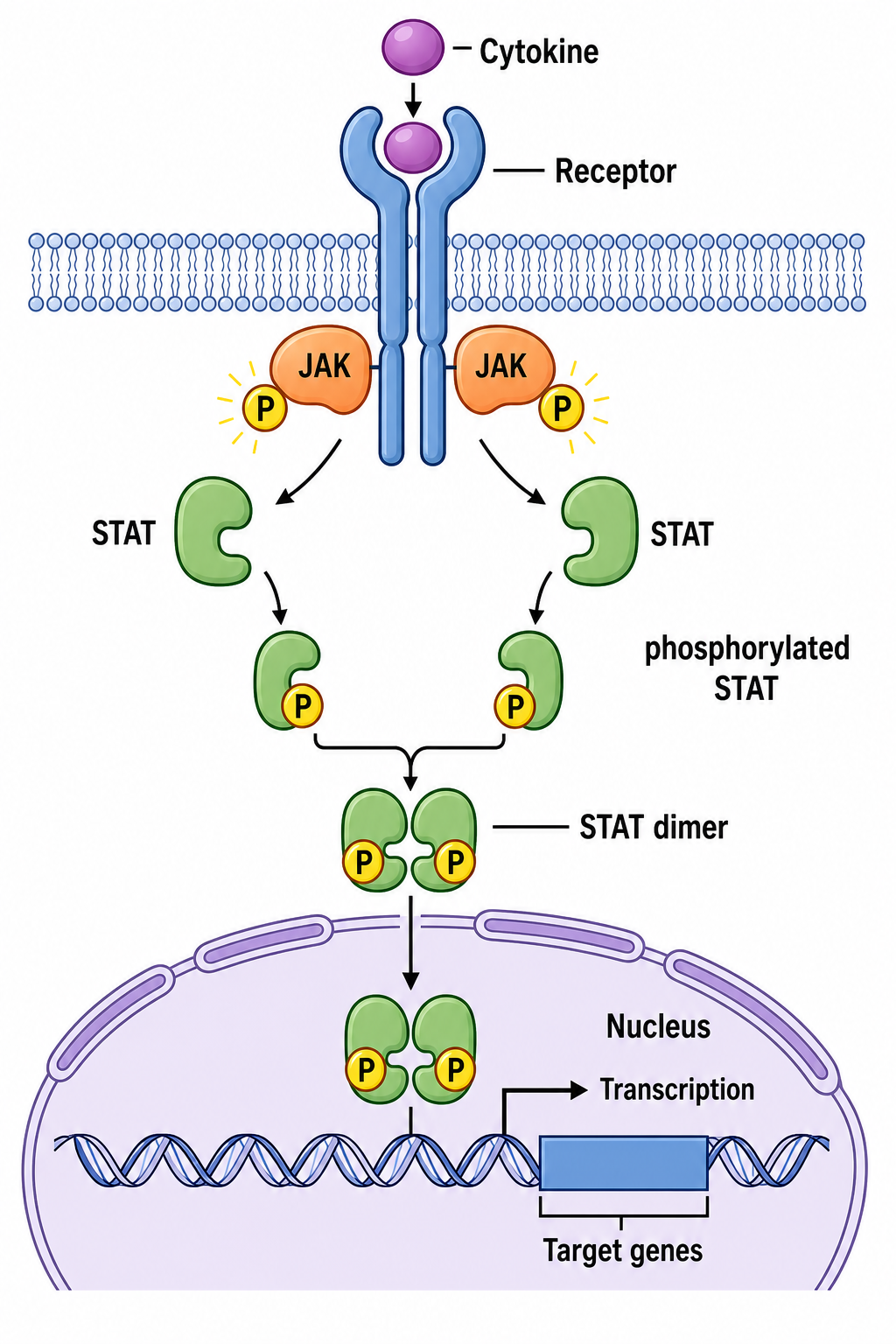
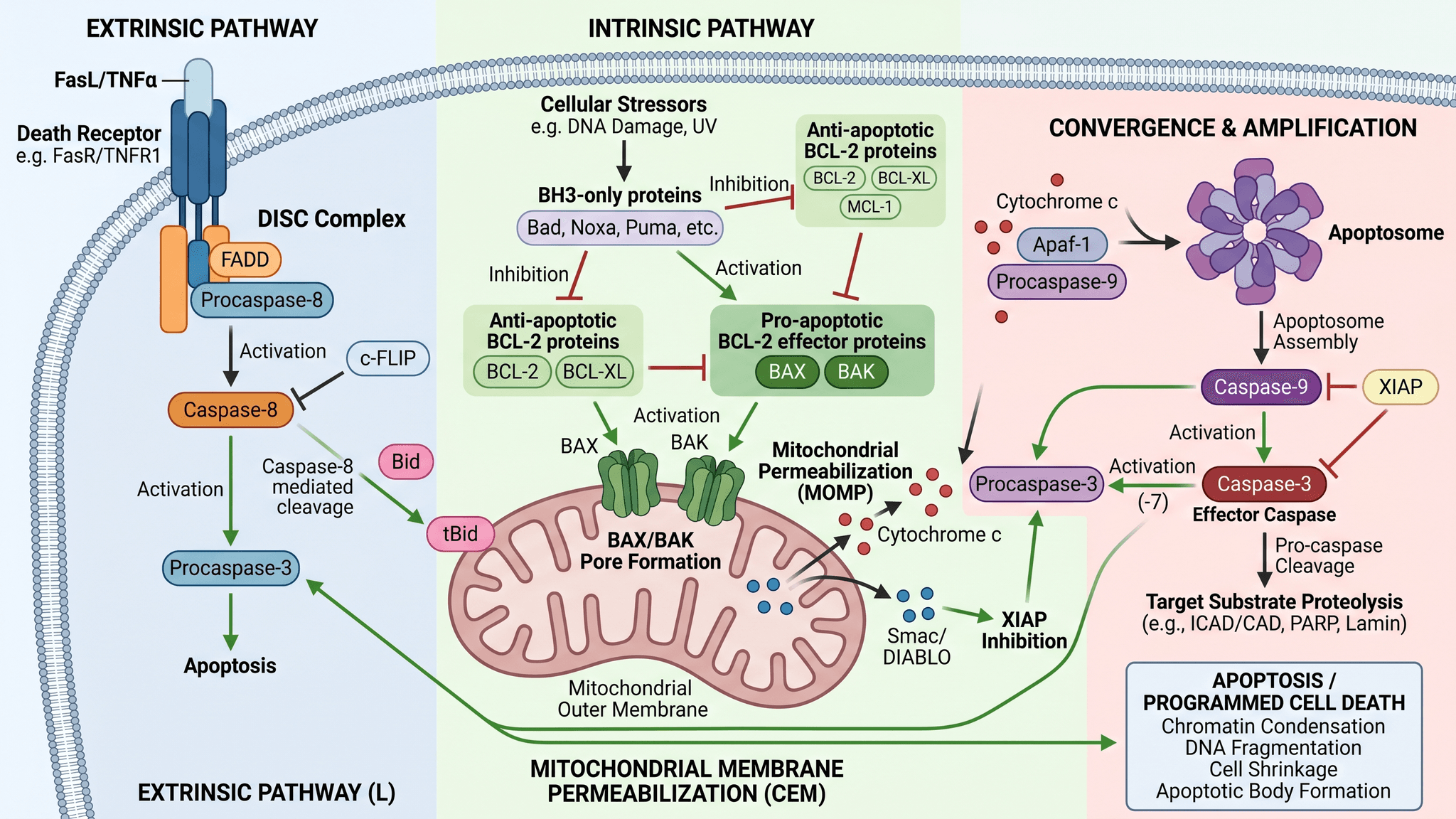
The NF-κB pathway sits at the heart of inflammation, immunity, and cell survival — which is exactly why it is so hard to draw. A complete NF-κB inflammation diagram has to show receptor activation, the IKK complex, IκB phosphorylation and degradation, the p65/p50 dimer translocating to the nucleus, and often the parallel NLRP3 inflammasome producing mature IL-1β. This guide shows you how to generate a clean, accurate, publication-ready NF-κB pathway diagram with AI from a single sentence, then refine it by talking to the editor.
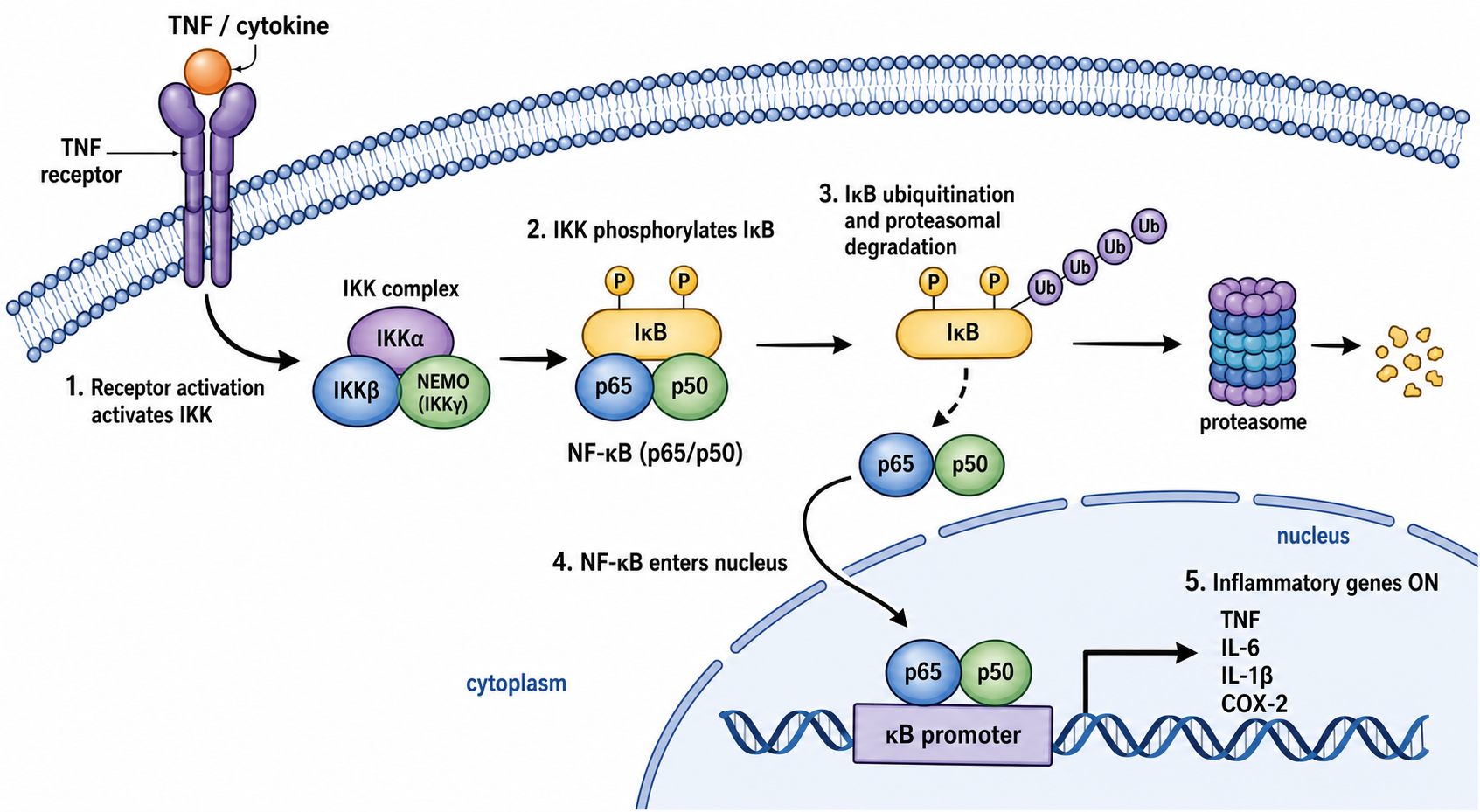
By the end of this guide you'll be able to:
- Generate a complete NF-κB signaling pathway diagram from one prompt.
- Label every key player correctly: TLR4/TNFR, MyD88, IKKα/β/γ, IκBα, p65 (RelA)/p50, and target inflammatory genes (TNF-α, IL-6, IL-1β).
- Draw the NLRP3 inflammasome branch: priming, assembly, caspase-1 activation, and pro-IL-1β → IL-1β maturation.
- Show activation vs. inhibition and nuclear translocation cleanly.
- Export an editable figure for your manuscript, slides, or poster.
Paste any prompt below into the Signaling Pathway Diagram Generator, then refine the result in the SciDraw AI editor.
A reusable prompt template for NF-κB figures
Strong inflammation pathway prompts have four parts:
- Subject — canonical NF-κB, the inflammasome, or both together.
- Steps and interactions — the cascade in order, including the nuclear translocation step.
- Labels — name every receptor, kinase, subunit, and target gene.
- Style & layout — "flat vector, publication-ready, top-to-bottom flow with a clearly drawn nuclear membrane, activation arrows and inhibition bars."