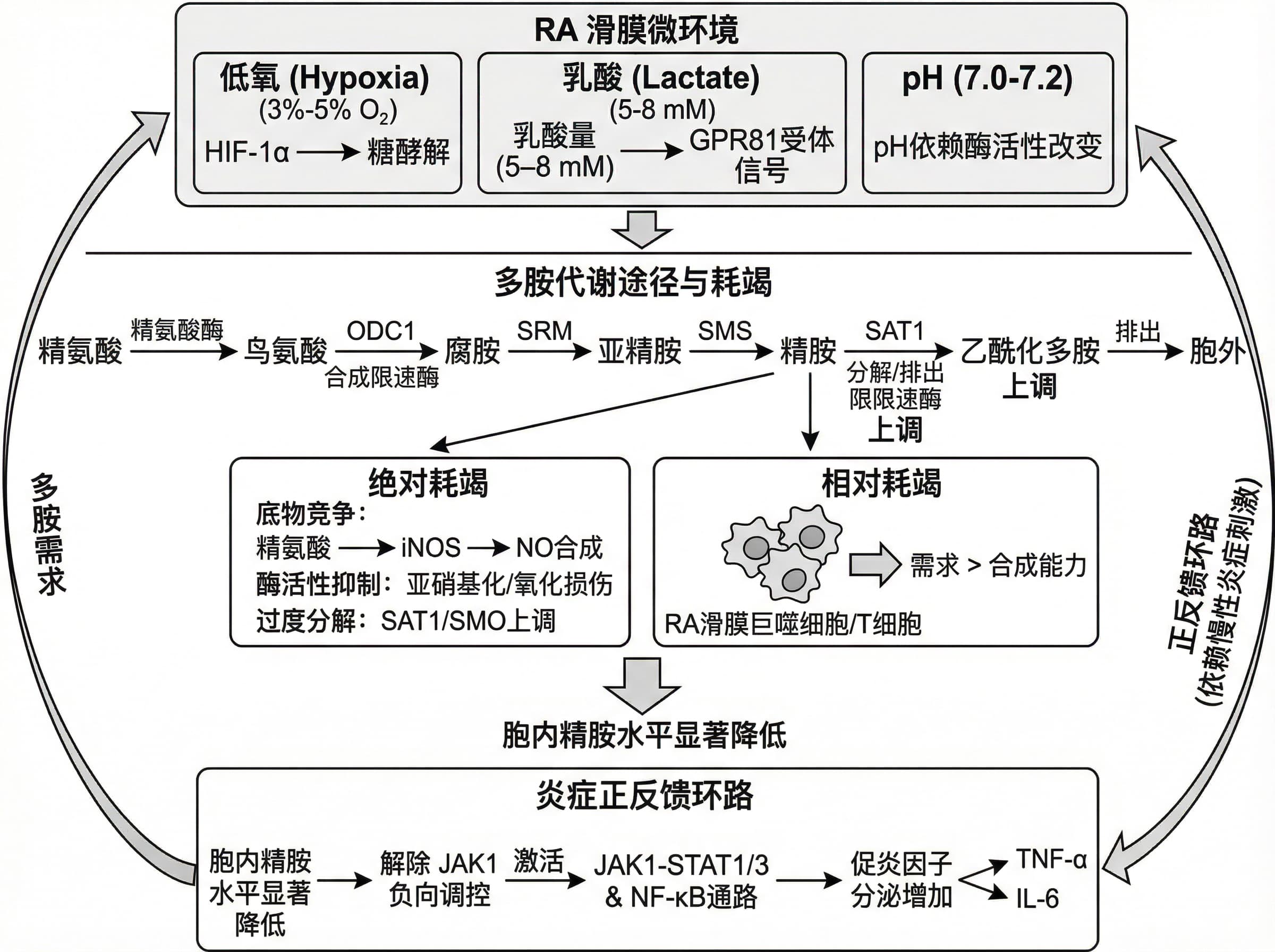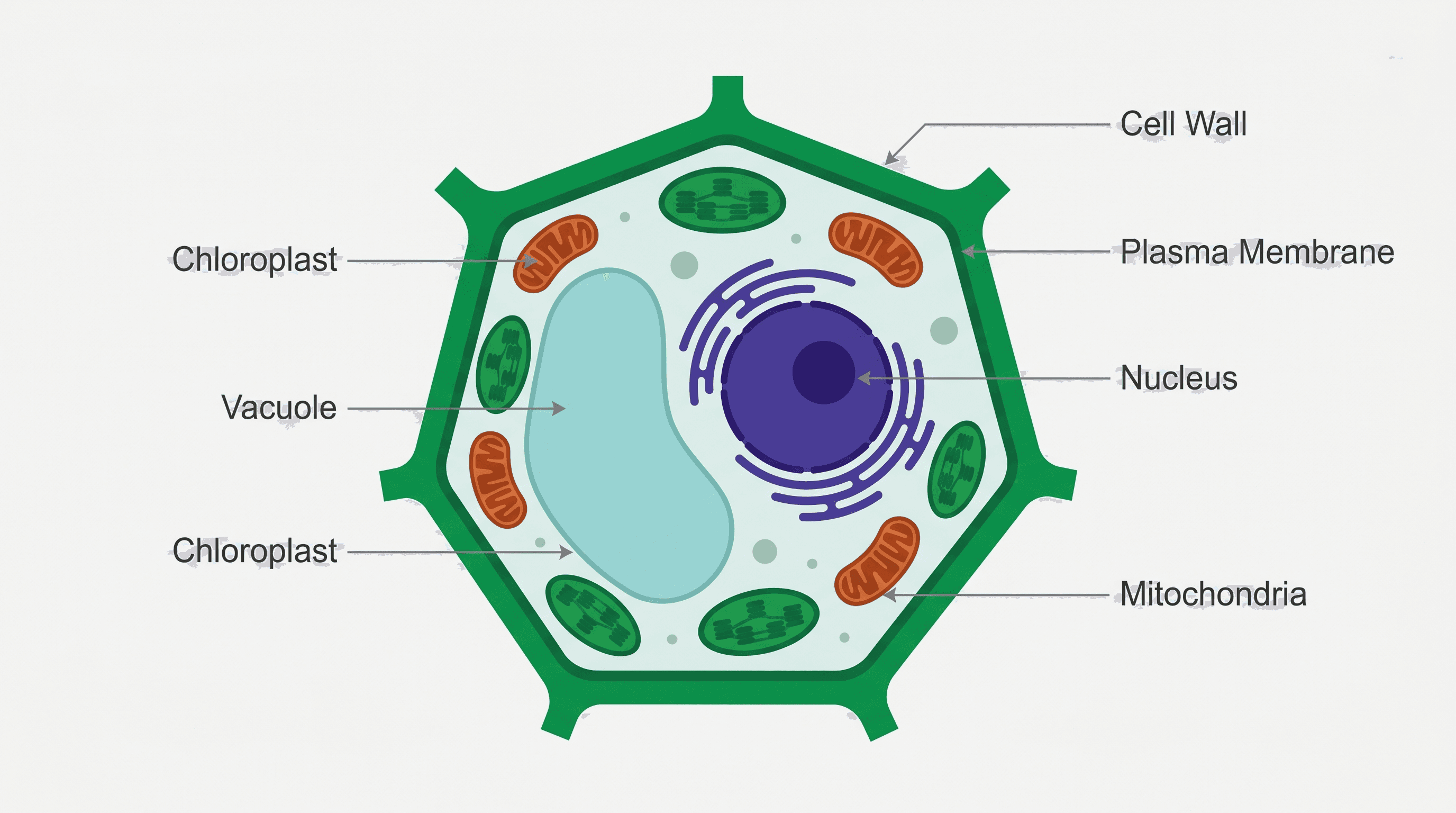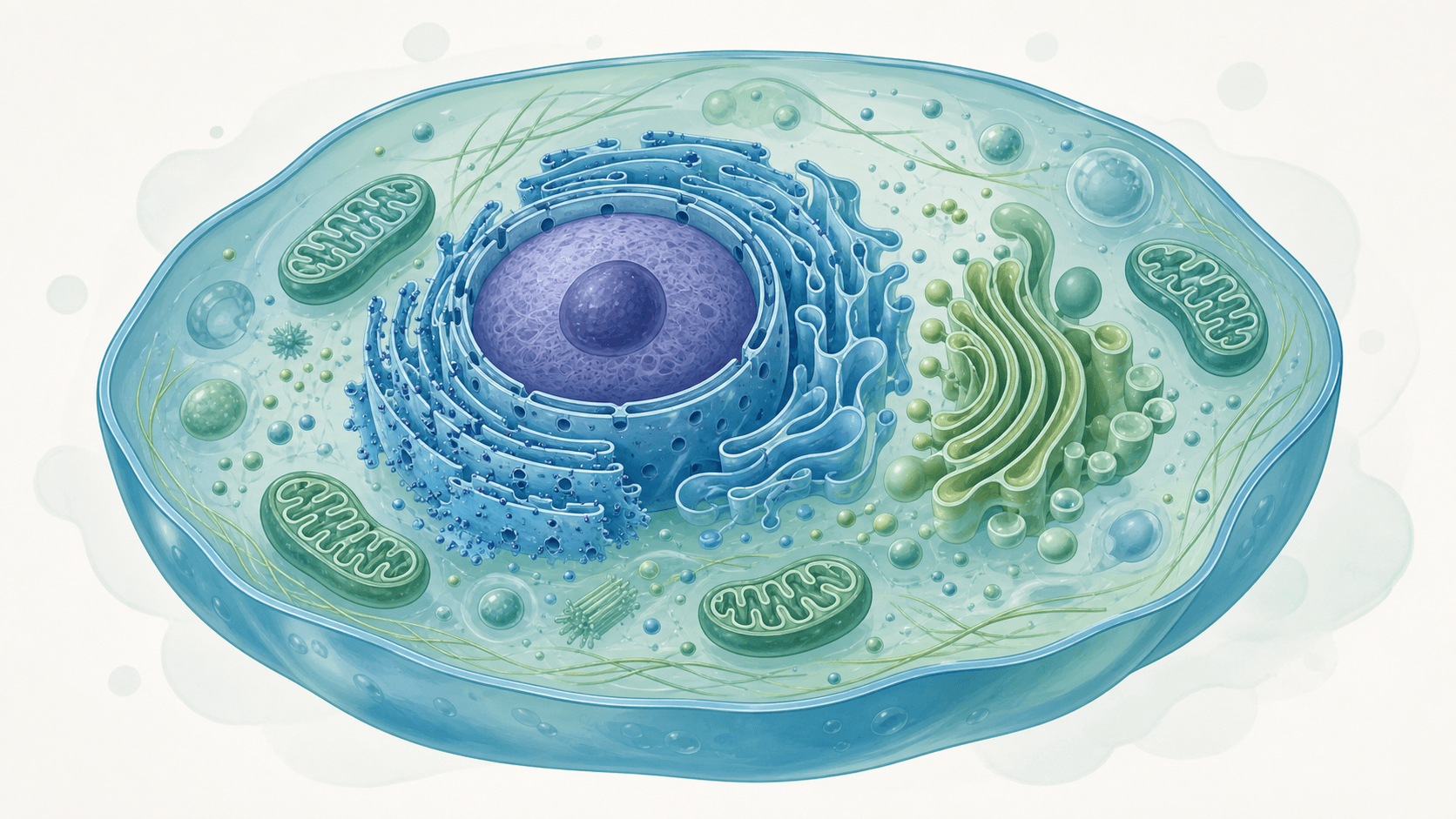
Einen Signalweg, eine Mitose oder den Aufbau eines Mitochondriums nur mit Worten zu erklären, ist mühsam: Zellbiologie kommt kaum ohne Abbildungen aus. Eine beschriftete Zelle von Hand zu zeichnen kostet aber ohne Design-Erfahrung Stunden — und selbst die Proportionen der Organellen stimmen nicht.
Dieses Tutorial zeigt, wie Sie mit KI präzise, einreichungsfertige zellbiologische Abbildungen erstellen, mit wiederverwendbaren Prompts nach Einsatzzweck (ganze Zelle, Organellen, Membran, zelluläre Prozesse). Das Werkzeug finden Sie hier: Generator für Zellillustrationen.
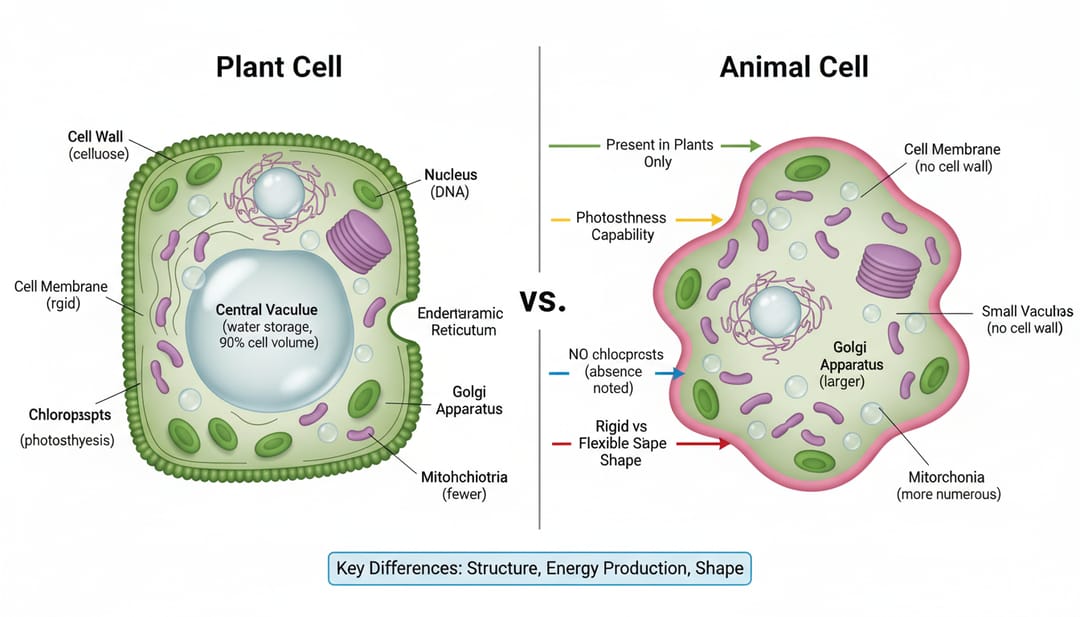 Professionelle zellbiologische Illustrationen vermitteln komplexe Konzepte effektiv
Warum zellbiologische Illustrationen wichtig sind
Effektive zelluläre Illustrationen helfen:
- Mechanismen erklären: Zeigen, wie zelluläre Prozesse funktionieren
- Datenkontext präsentieren: Experimentelle Ergebnisse einrahmen
- Konzepte lehren: Unterrichtsmaterialien unterstützen
- Ergebnisse kommunizieren: Arbeiten zugänglicher machen
Wesentliche Arten der zellbiologischen Visualisierung
1. Gesamtzell-Diagramme
Die grundlegende Illustration, die die zelluläre Architektur zeigt.
Prompt für eukaryotische Zellen:
Detailed eukaryotic cell cross-section illustration,
visible organelles: nucleus with nucleolus, rough and smooth ER,
Golgi apparatus, mitochondria, lysosomes, peroxisomes,
cytoskeleton elements, plasma membrane with proteins,
each organelle clearly labeled in English,
educational scientific illustration style,
white background, 4:3 landscape format
Prompt für prokaryotische Zellen:
Bacterial cell diagram showing prokaryotic structure,
cell wall, plasma membrane, nucleoid region with DNA,
ribosomes scattered in cytoplasm, flagellum and pili,
capsule layer visible, plasmid indicated,
comparative biology style, clear labels,
suitable for microbiology textbook
2. Detail-Illustrationen von Organellen
Vergrößern Sie bestimmte zelluläre Kompartimente.
Mitochondrienstruktur:
Detailed mitochondrion cross-section,
outer membrane, intermembrane space, inner membrane with cristae,
matrix containing mtDNA and ribosomes,
ATP synthase complexes visible on cristae,
electron transport chain components indicated,
biochemistry illustration style,
labels: "Outer membrane", "Inner membrane", "Cristae", "Matrix"
Kernstruktur:
Eukaryotic nucleus detailed illustration,
nuclear envelope with double membrane,
nuclear pores with transport complexes,
chromatin and chromosomes visible,
nucleolus for ribosome assembly,
nuclear lamina supporting structure,
molecular biology textbook style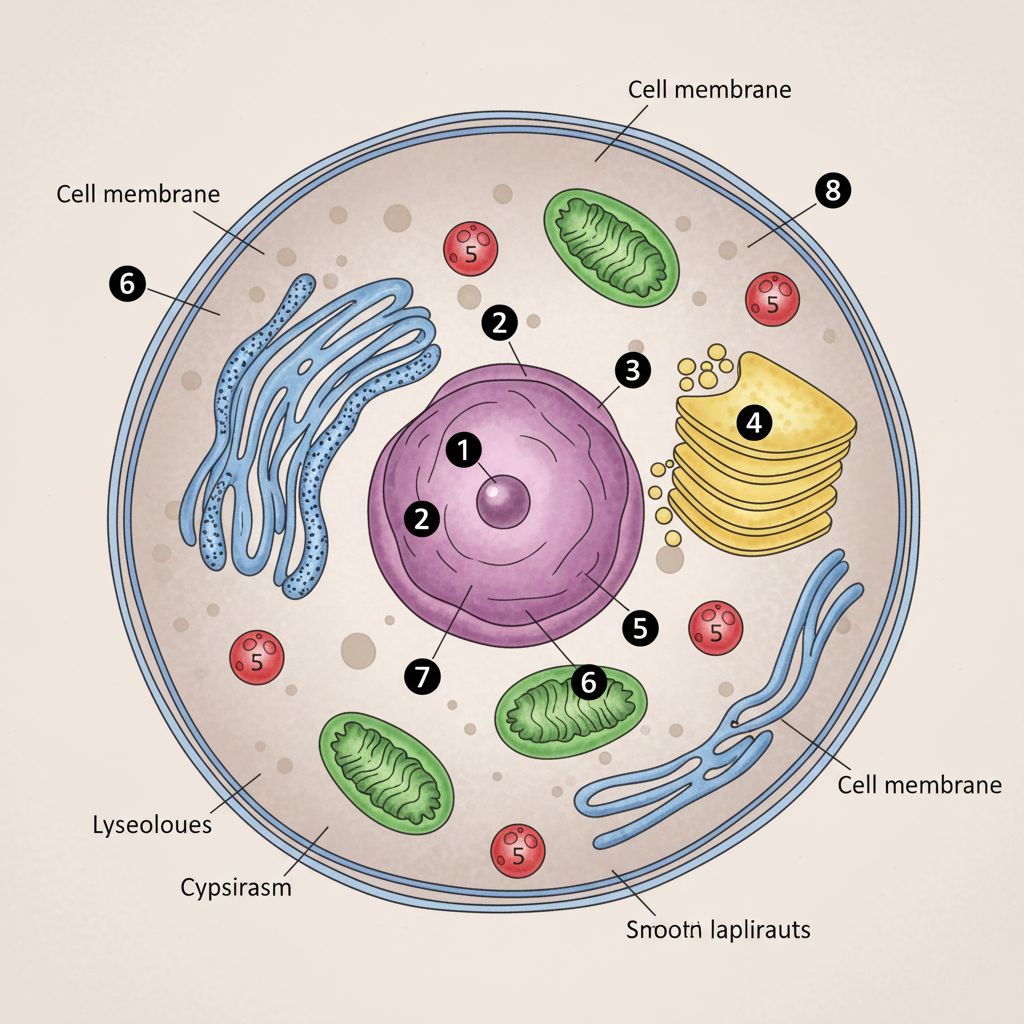 Detaillierte Organellen-Illustrationen unterstützen das Verständnis der zellulären Funktion
3. Membranbiologie
Visualisierung der komplexen Welt der biologischen Membranen.
Plasmamembran:
Fluid mosaic model of plasma membrane,
phospholipid bilayer with hydrophilic heads and hydrophobic tails,
integral proteins spanning membrane,
peripheral proteins on surfaces,
cholesterol molecules interspersed,
glycoproteins and glycolipids on outer surface,
cell biology textbook illustration style
Membrantransport:
Membrane transport mechanisms comparison,
passive diffusion, facilitated diffusion, active transport,
channel proteins and carrier proteins shown,
ion gradients indicated with arrows,
ATP usage marked for active transport,
educational diagram with clear labels,
4:3 landscape format
4. Zelluläre Prozesse
Dynamische Illustrationen zellulärer Aktivitäten.
Zellteilung (Mitose):
Mitosis stages illustration showing cell cycle,
prophase: chromosome condensation, spindle formation,
metaphase: chromosomes aligned at metaphase plate,
anaphase: sister chromatid separation,
telophase: nuclear envelope reformation,
cytokinesis: cell division completion,
circular or linear arrangement, labeled stages,
cell biology education style
Proteinbiosynthese:
Protein synthesis pathway illustration,
DNA in nucleus → transcription → mRNA,
mRNA export through nuclear pore,
ribosome assembly on mRNA,
translation with tRNA bringing amino acids,
polypeptide chain emerging,
central dogma of molecular biology,
scientific illustration style
Zellatmung:
Cellular respiration overview diagram,
glucose entry into cytoplasm,
glycolysis pathway producing pyruvate,
pyruvate entering mitochondria,
citric acid cycle in matrix,
electron transport chain on inner membrane,
ATP production tallied at each stage,
biochemistry textbook style
Erweiterte zellbiologische Illustrationen
Signaltransduktionswege
Rezeptor-Tyrosinkinase-Signalweg:
RTK signaling pathway illustration,
ligand binding causing receptor dimerization,
autophosphorylation of tyrosine residues,
adapter protein recruitment (GRB2, SOS),
RAS activation (GDP to GTP exchange),
MAPK cascade (RAF → MEK → ERK),
nuclear translocation and gene activation,
cell signaling diagram style,
phosphorylation events marked with "P"
GPCR-Signalweg:
G-protein coupled receptor signaling cascade,
7-transmembrane receptor structure,
heterotrimeric G-protein (α, β, γ subunits),
GDP-GTP exchange upon activation,
effector activation (adenylyl cyclase or PLC),
second messenger production (cAMP or IP3/DAG),
downstream effects illustrated,
pharmacology textbook style
Zelle-Zelle-Interaktionen
Zellverbindungstypen:
Epithelial cell junction illustration,
tight junctions at apical surface (claudins, occludins),
adherens junctions (cadherins, catenins),
desmosomes (desmogleins, desmoplakins),
gap junctions (connexins forming channels),
hemidesmosomes at basal surface,
comparative side-by-side arrangement,
histology illustration style
Immunzell-Interaktionen:
T cell and antigen-presenting cell interaction,
APC presenting MHC-peptide complex,
TCR recognizing antigen,
CD4/CD8 coreceptor engagement,
costimulatory molecules (CD28-B7),
immunological synapse formation,
cytokine release indicated,
immunology textbook illustration
Erstellen von Zell-Illustrationen mit SciDraw AI
Schritt-für-Schritt-Workflow
Schritt 1: Definieren Sie Ihr Visualisierungsziel
- Welches zelluläre Konzept muss illustriert werden?
- Welchen Detaillierungsgrad benötigen Sie?
- Wer ist die Zielgruppe?
Schritt 2: Schreiben Sie einen umfassenden Prompt
Fügen Sie diese Elemente hinzu:
- Subjekt: Spezifischer Zelltyp oder Prozess
- Komponenten: Liste aller einzubeziehenden Strukturen
- Beschriftungen: Geben Sie die Terminologie an
- Stil: Pädagogisch, künstlerisch oder publikationsreif
- Format: Abmessungen und Ausrichtung
Schritt 3: Generieren und bewerten
- Generieren Sie mehrere Versionen
- Überprüfen Sie die wissenschaftliche Genauigkeit
- Beurteilen Sie die visuelle Klarheit
Schritt 4: Verfeinern Sie durch Iteration
Refinement prompt:
Previous image was good but needs:
- More detail on [specific structure]
- Clearer labeling of [component]
- Better color contrast between [elements]
- Addition of [missing element]
Beispiel: Vollständiger Workflow
Ziel: Erstellen Sie eine Illustration der Endozytose für eine Arbeit
Anfangsprompt:
Endocytosis mechanism illustration,
clathrin-mediated endocytosis steps shown,
receptor binding on cell surface,
clathrin coat assembly,
membrane invagination,
vesicle scission (dynamin),
clathrin coat disassembly,
vesicle trafficking to early endosome,
sequential steps arranged left to right,
cell biology publication style
Verfeinerung:
Add more detail to clathrin coat structure,
show adaptor proteins (AP2),
include cargo molecules being internalized,
add labels for each step: "1. Cargo binding",
"2. Coat assembly", "3. Invagination",
"4. Scission", "5. Uncoating"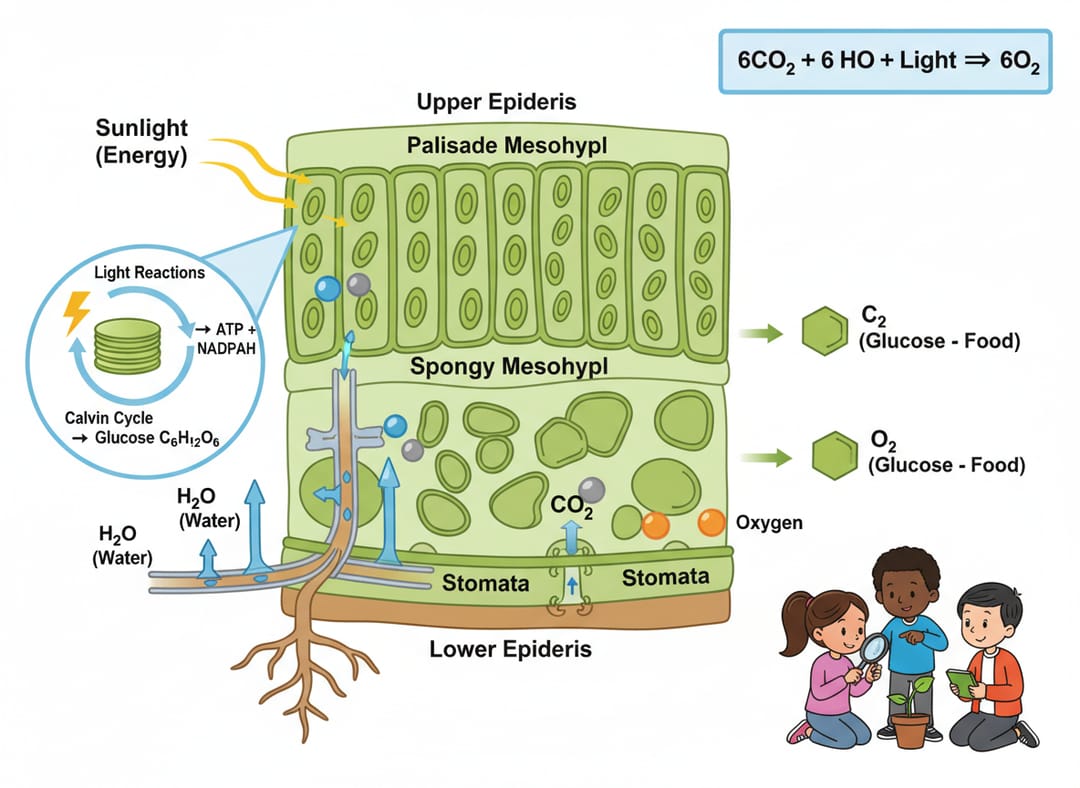 Pädagogische Illustrationen gleichen Detailreichtum mit Klarheit aus
Feldspezifische zellbiologische Prompts
Krebsbiologie
Cancer cell vs normal cell comparison,
left: normal cell with contact inhibition,
right: cancer cell with uncontrolled division,
differences highlighted: growth signals, apoptosis evasion,
angiogenesis, metastasis capability,
hallmarks of cancer visualization,
oncology education style
Neurobiologie
Neuron structure and synaptic transmission,
cell body with nucleus, dendrites, axon,
myelin sheath with nodes of Ranvier,
synaptic terminal with vesicles,
neurotransmitter release into synaptic cleft,
postsynaptic receptors and response,
neuroscience textbook illustration
Stammzellbiologie
Stem cell differentiation potential illustration,
pluripotent stem cell at center,
differentiation pathways radiating outward,
ectoderm: neurons, skin cells,
mesoderm: muscle, bone, blood cells,
endoderm: lung, liver, gut cells,
developmental biology style
Immunologie
Adaptive immune response overview,
antigen encounter by dendritic cells,
T cell activation in lymph node,
B cell activation and antibody production,
effector T cell responses,
memory cell formation,
immunology textbook style with timeline
Häufige Fehler in Zell-Illustrationen
1. Falscher Maßstab
Problem: Organellen werden in falschen relativen Größen dargestellt Lösung: Recherchieren Sie die tatsächlichen Größen; Proportionen beibehalten
2. Fehlende Komponenten
Problem: Wichtige Strukturen werden ausgelassen Lösung: Verwenden Sie Referenzbilder; erstellen Sie Checklisten
3. Ungenaue Strukturen
Problem: Organellen werden falsch gezeichnet Lösung: Studieren Sie elektronenmikroskopische Aufnahmen; verwenden Sie zuverlässige Referenzen
4. Schlechte Beschriftung
Problem: Beschriftungen sind unklar oder fehlen Lösung: Beschriften Sie jede Hauptkomponente; verwenden Sie eine einheitliche Terminologie
5. Überladenes Design
Problem: Zu viele Elemente stiften Verwirrung Lösung: Vereinfachen Sie; verwenden Sie mehrere Panels für komplexe Konzepte
Bewährte Verfahren
Wissenschaftliche Genauigkeit
- Überprüfen Sie Strukturen immer anhand zuverlässiger Quellen
- Verwenden Sie die aktuelle Nomenklatur
- Fügen Sie bei Bedarf Maßstabsbalken hinzu
- Beachten Sie artspezifische Unterschiede
Visuelle Klarheit
- Verwenden Sie konsistente Farben für gleiche Strukturen
- Sorgen Sie für klare Grenzen zwischen den Elementen
- Sorgen Sie für ausreichend Freiraum
- Stellen Sie sicher, dass sich die Beschriftungen nicht mit den Strukturen überschneiden
Pädagogische Wirksamkeit
- Gehen Sie vom Einfachen zum Komplexen über
- Heben Sie relevante Merkmale hervor
- Verwenden Sie Pfeile, um Prozesse darzustellen
- Fügen Sie Legenden für die Farbcodierung hinzu
Beginnen Sie mit der Erstellung von zellbiologischen Illustrationen
Sind Sie bereit, professionelle zellbiologische Illustrationen zu erstellen?
- Besuchen Sie SciDraw AI Drawing
- Wählen Sie eine geeignete Vorlage aus
- Verwenden Sie die Prompts in diesem Leitfaden als Ausgangspunkt
- Passen Sie sie an Ihre spezifischen Bedürfnisse an
- Iterieren Sie, bis Sie Publikationsqualität erreichen
Transformieren Sie die Art und Weise, wie Sie die Zellbiologie visualisieren, mit Hilfe von KI.
Verwandte Artikel:
- Zellillustrations-Generator — Zellbiologie-Diagramme und Organellen-Illustrationen mit KI erstellen
- Scientific Figure Generator: AI Tool for Research Papers
- Nature and Science Figure Requirements
- How to Write Effective AI Prompts for Scientific Illustrations