Visualizing AI systems, neural network architectures, and technical workflows is essential for machine learning papers, presentations, and documentation. This guide presents 30 proven prompts from real AI research projects, helping you create professional diagrams for your publications.
What you'll learn:
- Neural network architecture visualization prompts
- Algorithm mechanism and workflow diagrams
- Data processing pipeline illustrations
- System integration and deployment diagrams
1. Neural Network Architecture Diagrams
1.1 Convolutional Neural Networks
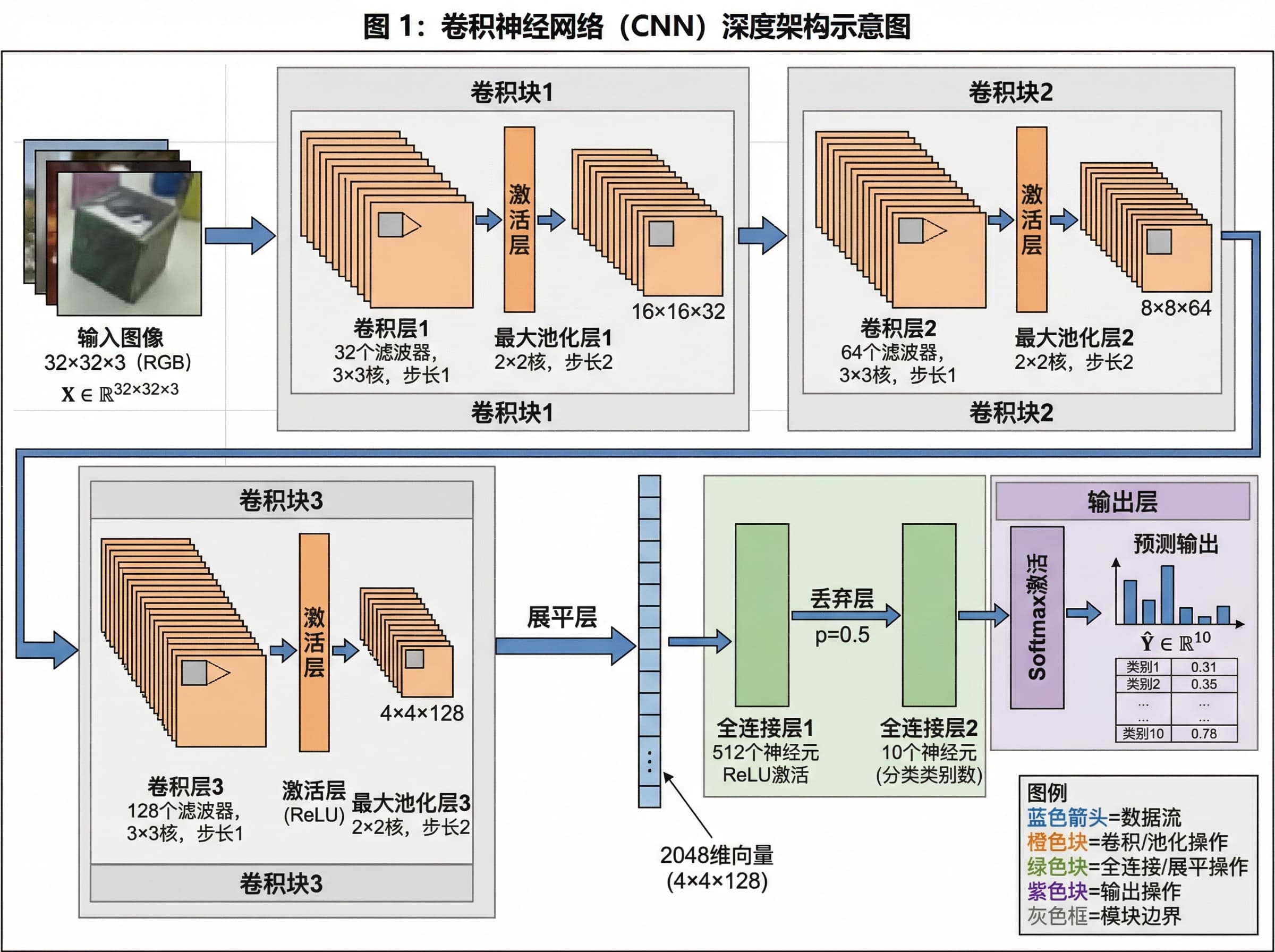
Prompt: Detailed CNN Architecture
I need to generate a detailed schematic diagram of a convolutional neural network
architecture. The generated diagram should clearly show:
- Input layer with image dimensions (e.g., 224×224×3)
- Multiple convolutional layers with filter sizes and feature map dimensions
- Pooling layers (max pooling) with stride annotations
- Fully connected layers with neuron counts
- Output layer with classification probabilities
Use a horizontal left-to-right flow with consistent color coding for each layer type.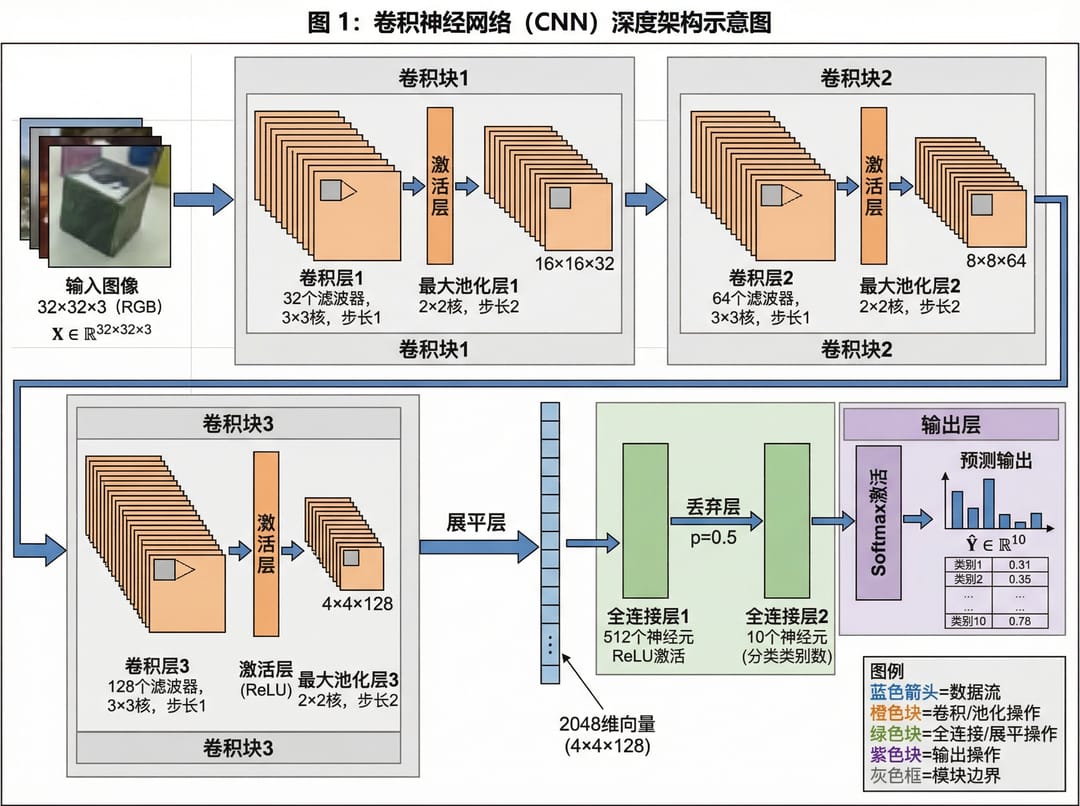
For CNN, ResNet, or Transformer figures where you mainly need clean layer blocks and tensor shapes, the neural network diagram generator gives you a labeled draft from one sentence.
1.2 Algorithm Mechanism Diagrams
Prompt: Knowledge Graph Algorithm Workflow
Generate an image: Core visual theme and style.
Theme: algorithm mechanism diagram, technical workflow, abstract knowledge
representation. Show the pipeline from raw data input through entity extraction,
relationship mining, knowledge graph construction, to final reasoning output.
Include intermediate representations and transformation arrows with labels.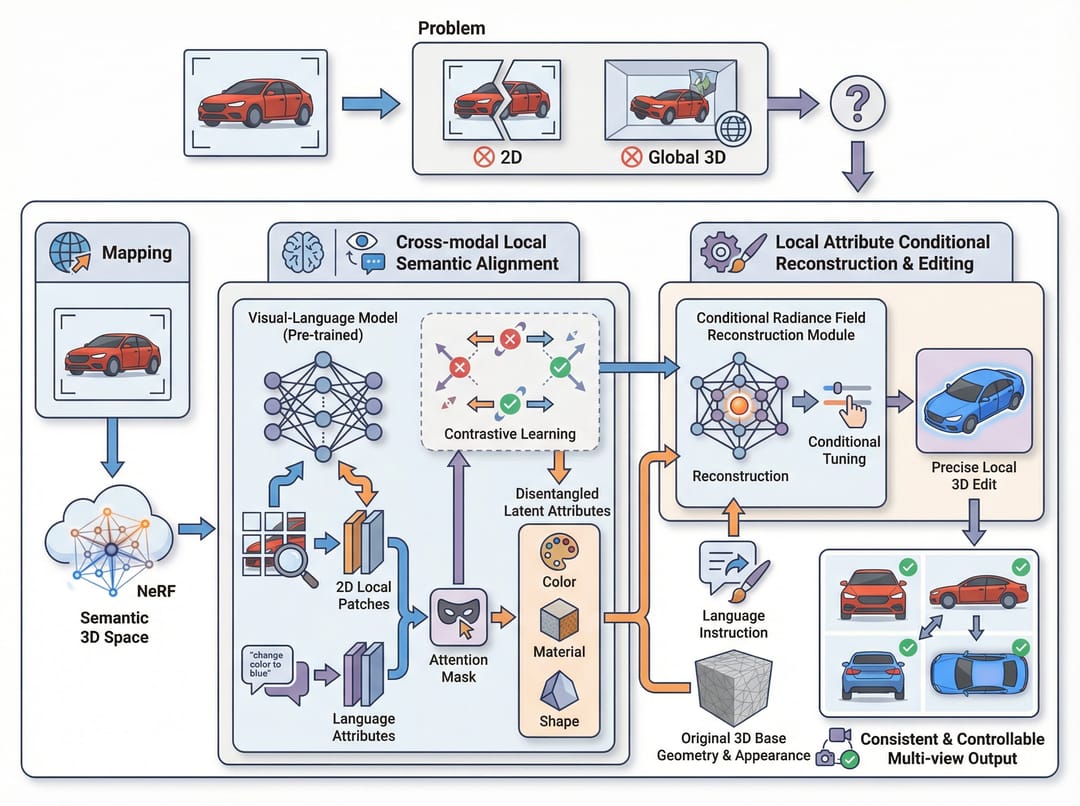
2. Technical System Architecture
2.1 Simulation and Verification Platforms
Prompt: Digital Simulation Platform Architecture
Please create a technical architecture diagram for a full digital simulation
and verification platform for civil aircraft systems. Include:
- Data acquisition layer (sensors, flight data)
- Simulation engine layer (physics models, aerodynamics)
- Verification and validation modules
- User interface and visualization components
- Integration with external systems (CAD, CFD)
Use a layered architecture style with clear module boundaries.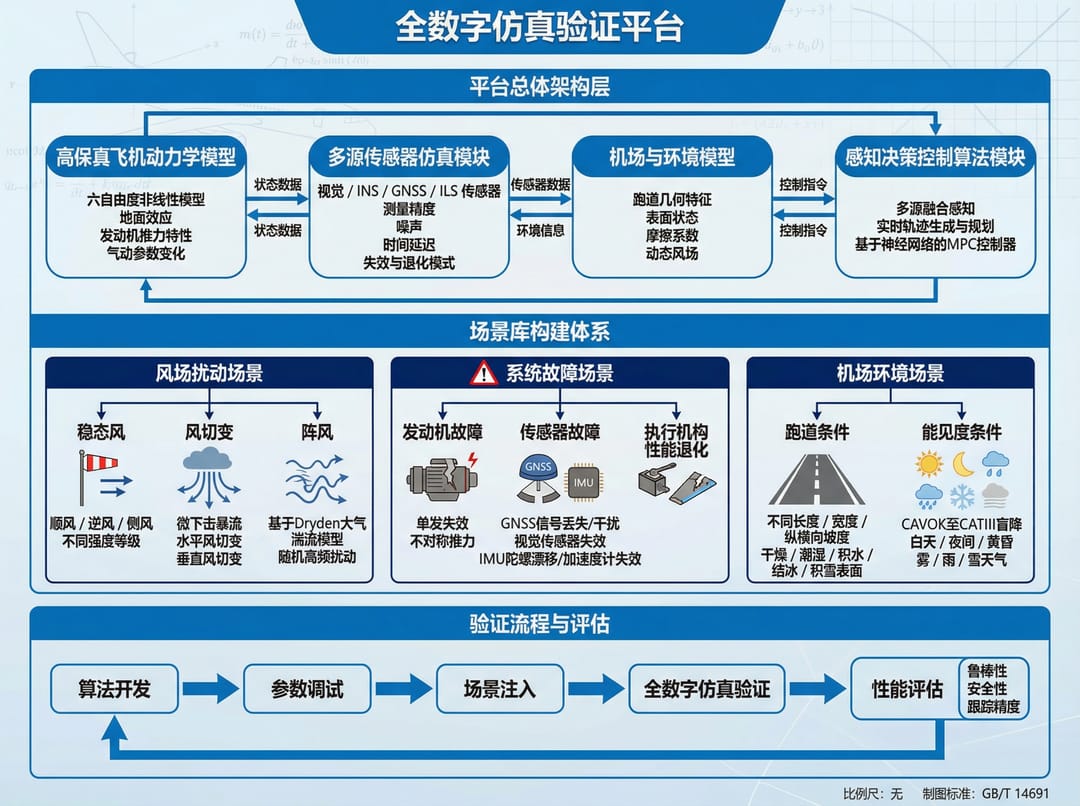
2.2 Control Systems
Prompt: Autonomous Control System Architecture
Please draw a technical architecture diagram of a multi-source disturbance
automatic takeoff and landing control system. Show:
- Sensor fusion module (IMU, GPS, vision)
- State estimation and prediction
- Control law computation
- Actuator command generation
- Feedback loops with disturbance rejection
Label all signals and processing blocks with technical terminology.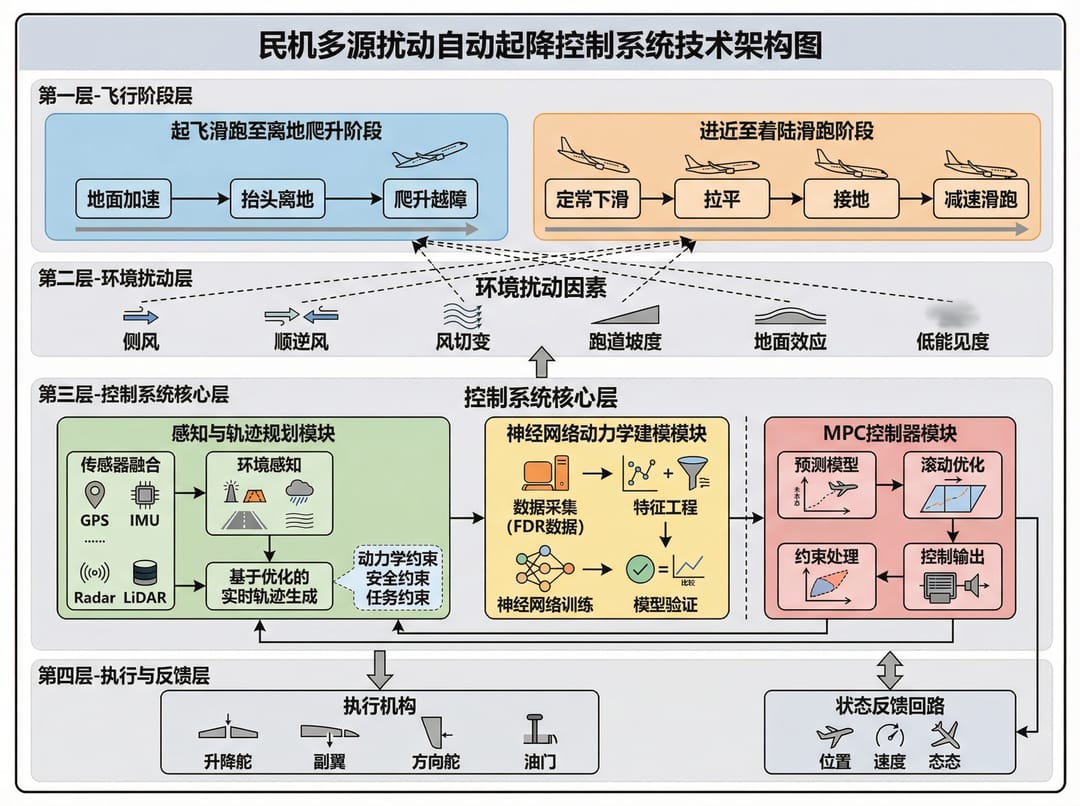
3. Data Processing Pipelines
3.1 Machine Learning Workflows
Prompt: Data Analysis Pipeline
Data Loading:
Initially, the competition data CSV file is loaded into a DataFrame using pandas.
Create a workflow diagram showing:
1. Data ingestion and validation
2. Feature engineering and preprocessing
3. Model training with cross-validation
4. Hyperparameter optimization
5. Model evaluation and selection
6. Prediction and submission generation
Include data flow arrows and intermediate dataset shapes.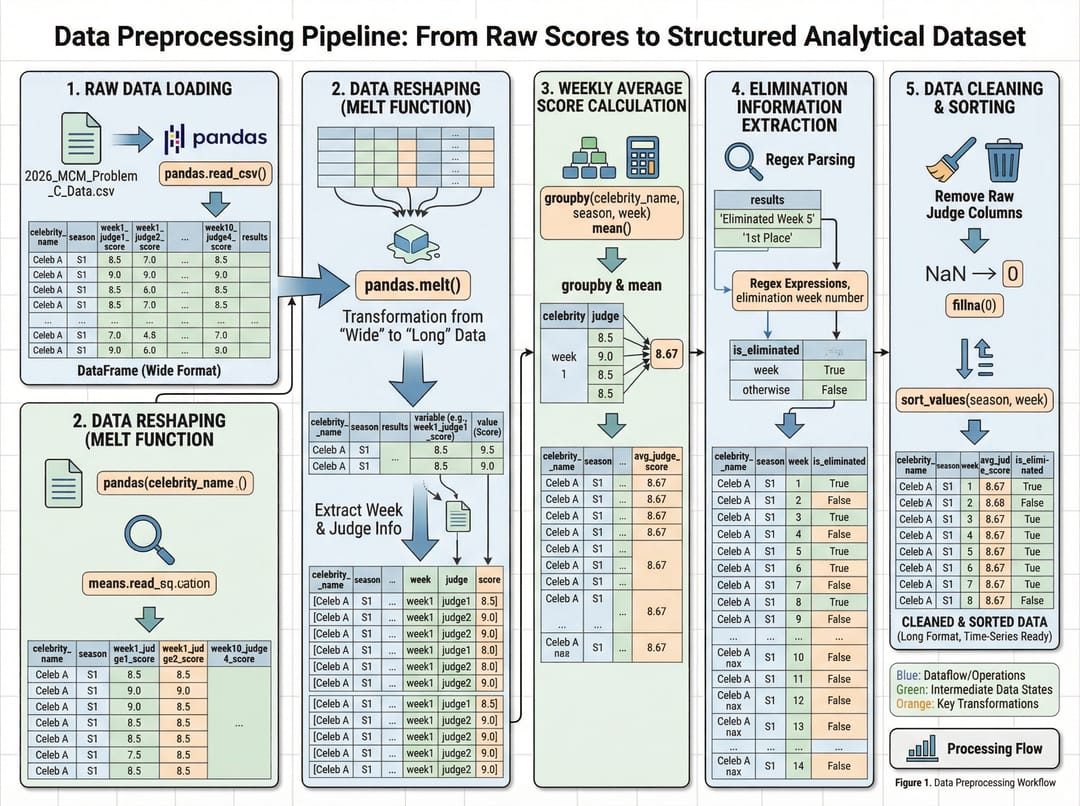
3.2 Manufacturing Inspection Systems
Prompt: AI-Powered Inspection Architecture
Abstract: Modern manufacturing inspection relies on complex measurements due to
advanced production processes and intricate product designs. Create a system
architecture diagram showing:
- Image acquisition subsystem (cameras, lighting)
- AI inference engine (defect detection models)
- Quality decision module
- Integration with manufacturing execution system (MES)
- Real-time dashboard and alerting
Use industrial automation visual style with equipment icons.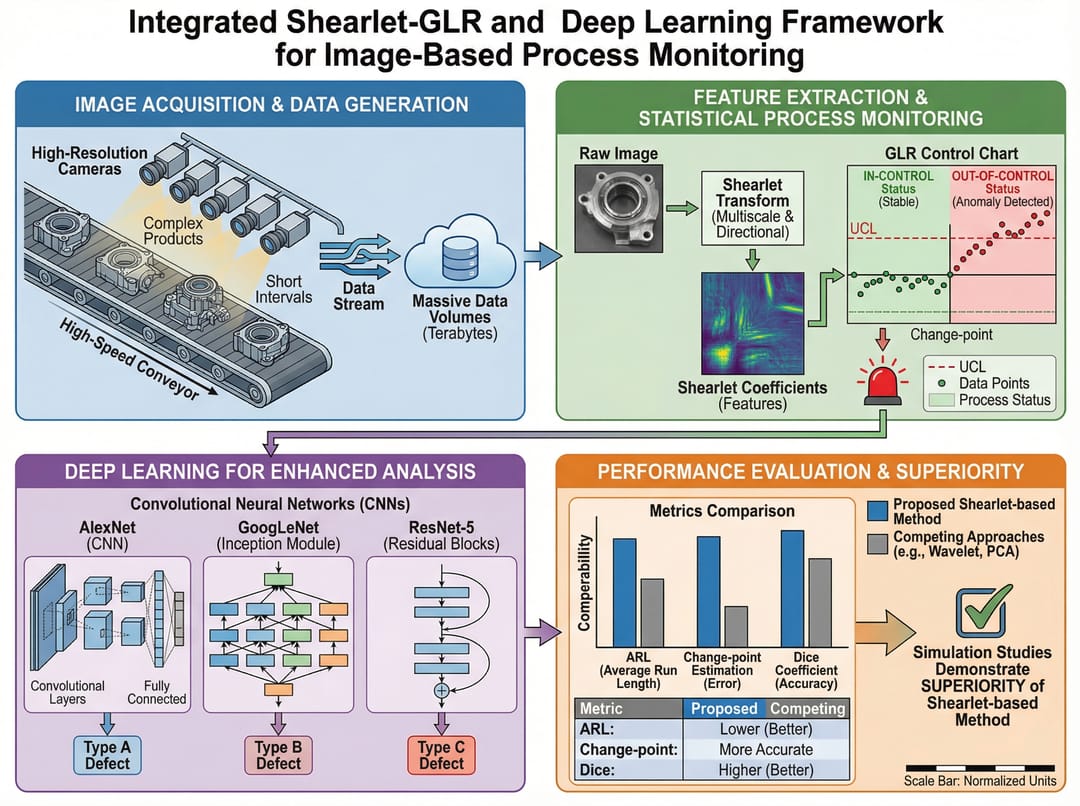
4. Research Framework Diagrams
4.1 AI Research Vision
Prompt: Research Task Organization
This document outlines the research vision of CRAFT-AI, proposing nine research
tasks organized within four primary research areas. Create a hierarchical diagram
showing:
- Core research pillars (Foundation Models, Reasoning, Alignment, Applications)
- Individual research tasks under each pillar
- Cross-cutting themes and dependencies
- Timeline or phase indicators if applicable
Use academic poster style with clean typography.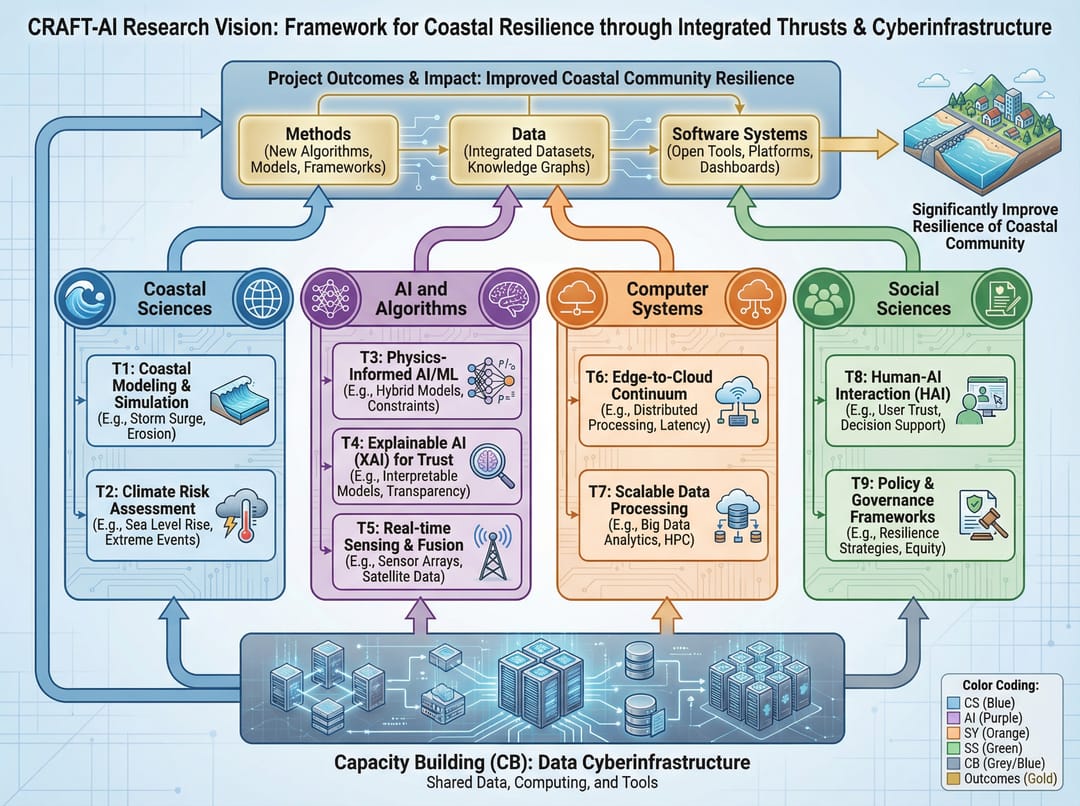
5. Prompt Writing Tips for AI Architecture Diagrams
Key Elements to Include
| Diagram Type | Essential Components |
|---|---|
| Neural Networks | Layer types, dimensions, activation functions, data flow direction |
| System Architecture | Modules, interfaces, data flows, external integrations |
| Workflows | Steps, decision points, data transformations, timing |
| Algorithms | Input/output, processing stages, mathematical operations |
Best Practices
- Specify Layout Direction: "left-to-right", "top-to-bottom", or "layered"
- Include Dimensions: Layer sizes, data shapes, timing annotations
- Use Technical Terminology: Match your paper's nomenclature
- Request Consistent Styling: Color coding, icon style, font choices
Start Creating Your AI Architecture Diagrams
Try these prompts with SciDraw AI's AI illustration tools:
Related Guides
- AI Architecture Diagram Generator — create neural network and system architecture diagrams with AI
- AI Architecture Neural Network Diagram Guide — neural networks, algorithms, and frameworks
- AI Data Visualization — transform CSV/Excel into Python charts
- 8 AI Prompt Rules for Scientific Figures — prompt techniques for diagrams
- Scientific Figure Maker Tool — create architecture diagrams online