在人工智慧驅動的科學繪圖時代,您輸出的品質完全取決於您輸入的品質。一個精心設計的提示詞,可能決定了最終呈現的是一張可以直接發表的圖片,還是一張通用、無法使用的圖片。
透過廣泛的測試和優化,我們已經確定了 8 個核心原則,這些原則可以持續產生高品質的科學插圖,適用於像 Nature、Science 和 Cell 這樣的期刊。本指南將準確地教您如何編寫提示詞,以生成專業的學術圖片。
為什麼好的提示詞很重要
平庸和卓越的科學插圖之間的差異,通常歸結於提示詞的具體性。像「建立一個細胞圖」這樣的通用提示詞,會產生通用的結果。具有明確參數、標籤和上下文的特定提示詞,會生成出版品質的圖片。
您將學到:
- 編寫有效人工智慧提示詞的 8 個經過驗證的原則
- 具有完整提示詞範本的真實範例
- 要避免的常見錯誤
- 提示詞品質的快速檢查表
讓我們深入研究這些原則,這些原則將改變您的人工智慧生成的科學插圖。
原則 1:指定確切的長寬比
為什麼這很重要: 不同的出版格式需要不同的圖片尺寸。期刊封面需要直向 (3:4),而 TOC 圖形在橫向 (4:3) 中效果最佳,並且圖片面板通常使用 16:9。
如何應用: 始終在提示詞中使用 aspect-[寬度/高度] 格式或特定尺寸來包含長寬比規格。
範例提示詞:
Multi-panel statistical analysis figure for clinical trial, 4:3 landscape format,
2×2 grid layout showing "A. Kaplan-Meier Survival Curve", "B. Forest Plot Meta-Analysis",
"C. Violin Plot Biomarkers", "D. ROC Curve AUC=0.89", sample size "n=324" labeled,
confidence intervals "95% CI" visible, p-values "*p<0.05, **p<0.01, ***p<0.001" annotated,
color-coded groups "Treatment vs Control", professional medical journal figure style,
clean white background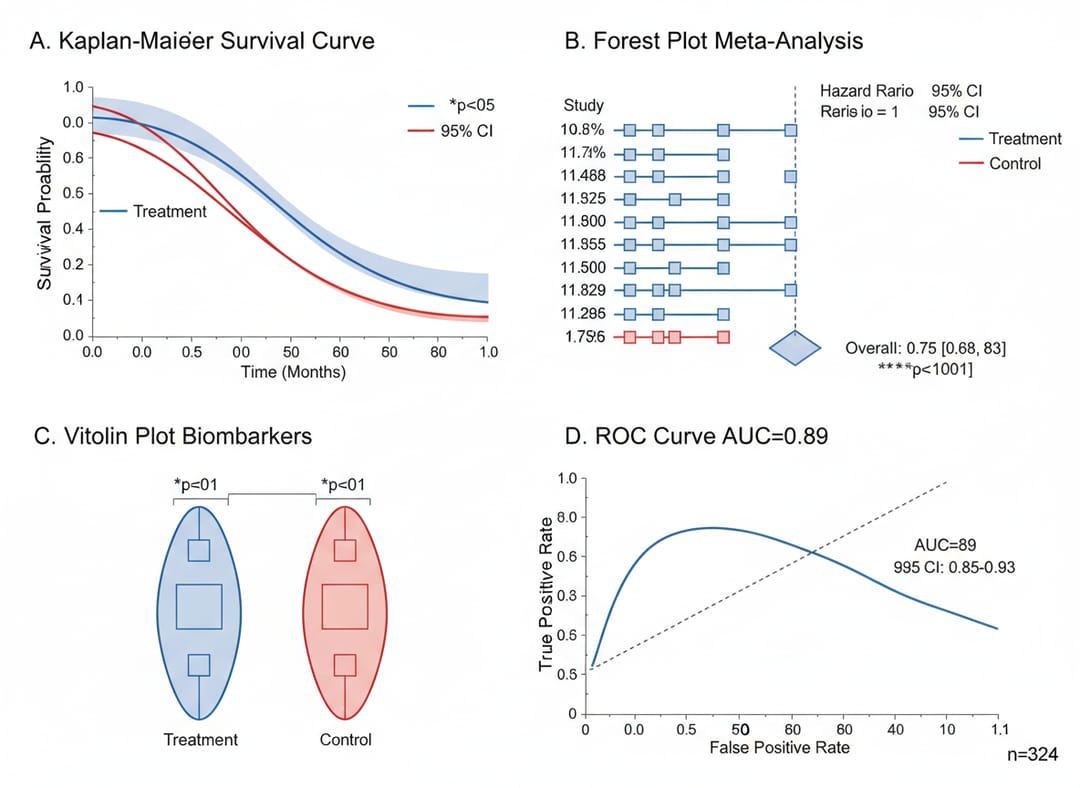
重點: 橫向圖使用 4:3,期刊封面使用 3:4 或 9:16,寬螢幕簡報使用 16:9。
原則 2:確保內容填滿畫面
為什麼這很重要: 空白空間浪費了寶貴的圖片空間。科學期刊更喜歡密集、資訊豐富的圖片,這些圖片在保持清晰度的同時,最大化內容。
如何應用: 在您的提示詞中使用「filling entire frame(填滿整個畫面)」、「no empty space(沒有空白空間)」、「edge-to-edge(邊到邊)」、「dense layout(密集佈局)」、「comprehensive(全面的)」等關鍵字。
範例提示詞:
Comprehensive metabolic pathway network diagram, 4:3 landscape, dense interconnected
pathways filling entire frame, glycolysis pathway left side labeled "Glucose→Pyruvate,
ATP+2, NADH+2", TCA cycle center with "Citric Acid Cycle, 8 steps", electron transport
chain right showing "Complex I-IV, ATP Synthase", amino acid metabolism branches,
lipid pathways connected, enzyme names labeled "Hexokinase, Phosphofructokinase,
Citrate Synthase", metabolite structures shown, energy values "ΔG°" marked, color-coded
pathways (blue=carbohydrate, red=lipid, green=protein), no empty space, biochemistry
textbook style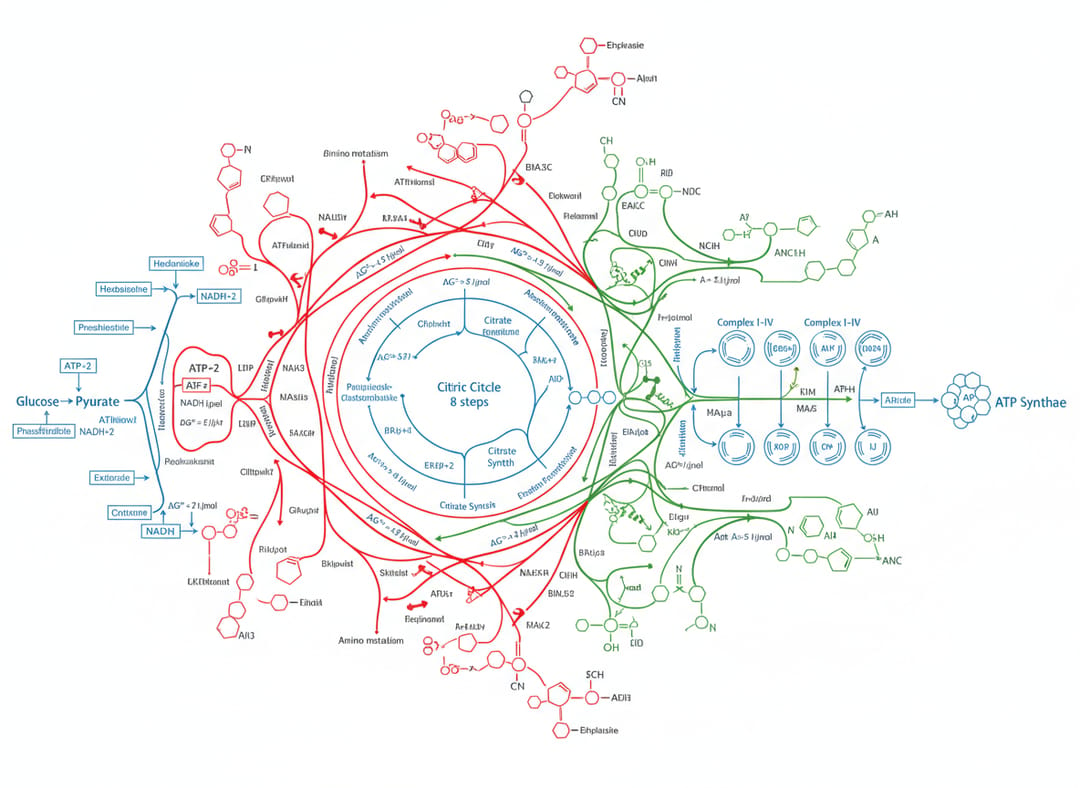
重點: 透過描述圖片所有區域的內容,避免大面積的空白背景。
原則 3:使用特定的英文學術標籤
為什麼這很重要: 像「protein A(蛋白質 A)」或「molecule(分子)」這樣的模糊標籤會降低可信度。具有適當單位的真實科學術語使圖片可以立即發表。
如何應用: 在英文中包含特定的名稱、測量值、單位和統計符號。 使用標準縮寫(μm、kDa、mM、°C 等)。
範例提示詞:
Plant cell cross-section illustration, 4:3 horizontal composition, detailed organelles
with English labels "Chloroplast", "Mitochondria", "Cell Wall", "Nucleus", "Vacuole",
"Endoplasmic Reticulum", "Golgi Apparatus", cutaway view showing internal structures,
magnification "×15,000" noted, scale bar "5 μm", biology textbook style with clear
colors (green chloroplasts, purple nucleus), educational scientific illustration,
high detail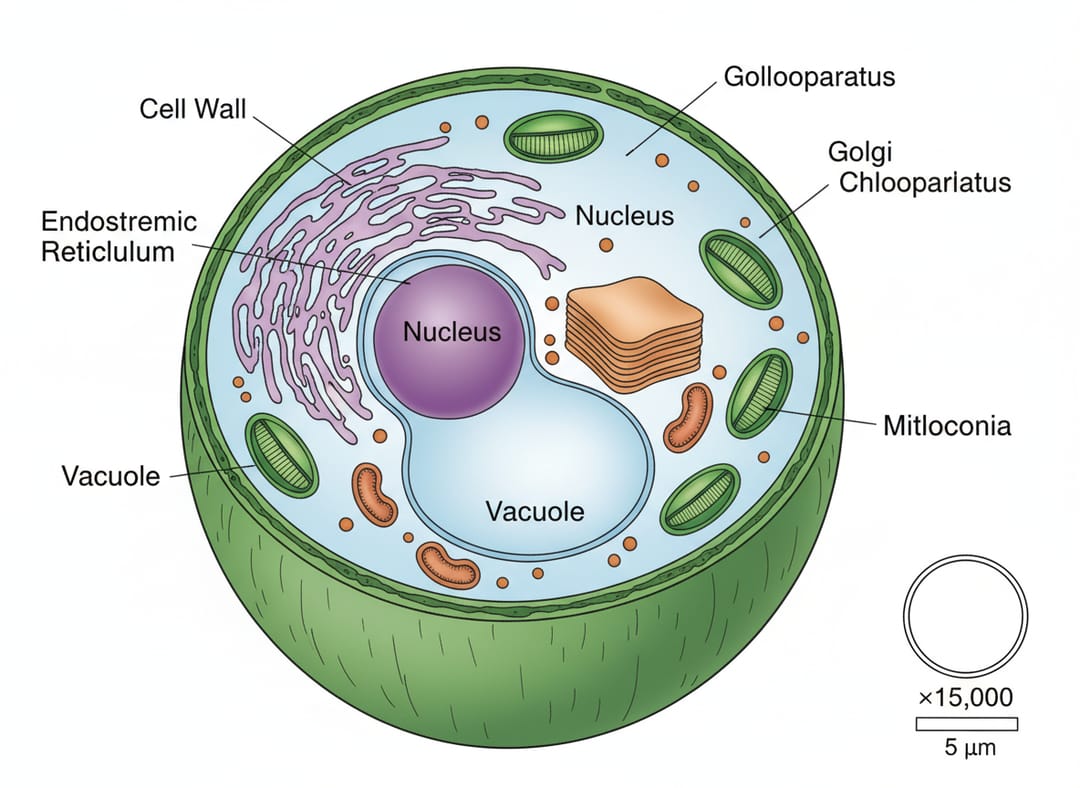
重點: 始終指定確切的測量值(50 μm,而不是「small(小)」),統計值(p<0.001,而不是「significant(顯著)」)和適當的科學命名法。
原則 4:定義清晰的應用場景
為什麼這很重要: 不同的出版上下文需要不同的視覺風格。Nature 封面需要藝術天賦,而方法圖則需要技術清晰度。
如何應用: 明確說明預期用途:「Nature journal cover(Nature 期刊封面)」、「TOC graphical abstract(TOC 圖形摘要)」、「experimental workflow diagram(實驗工作流程圖)」、「supplementary figure(補充圖)」等。
範例提示詞:
Nature journal cover design showing cancer immunotherapy mechanism, T-cell attacking
tumor cell in center, glowing CAR-T receptor labeled "CAR-T Cell", tumor antigens
marked "CD19", cytokines arrows labeled "IL-2, IFN-γ", deep blue medical background,
professional scientific illustration, labels in white sans-serif font,
"Volume 625 | Issue 7993" text, ultra-detailed, Nature magazine style, 3:4 portrait format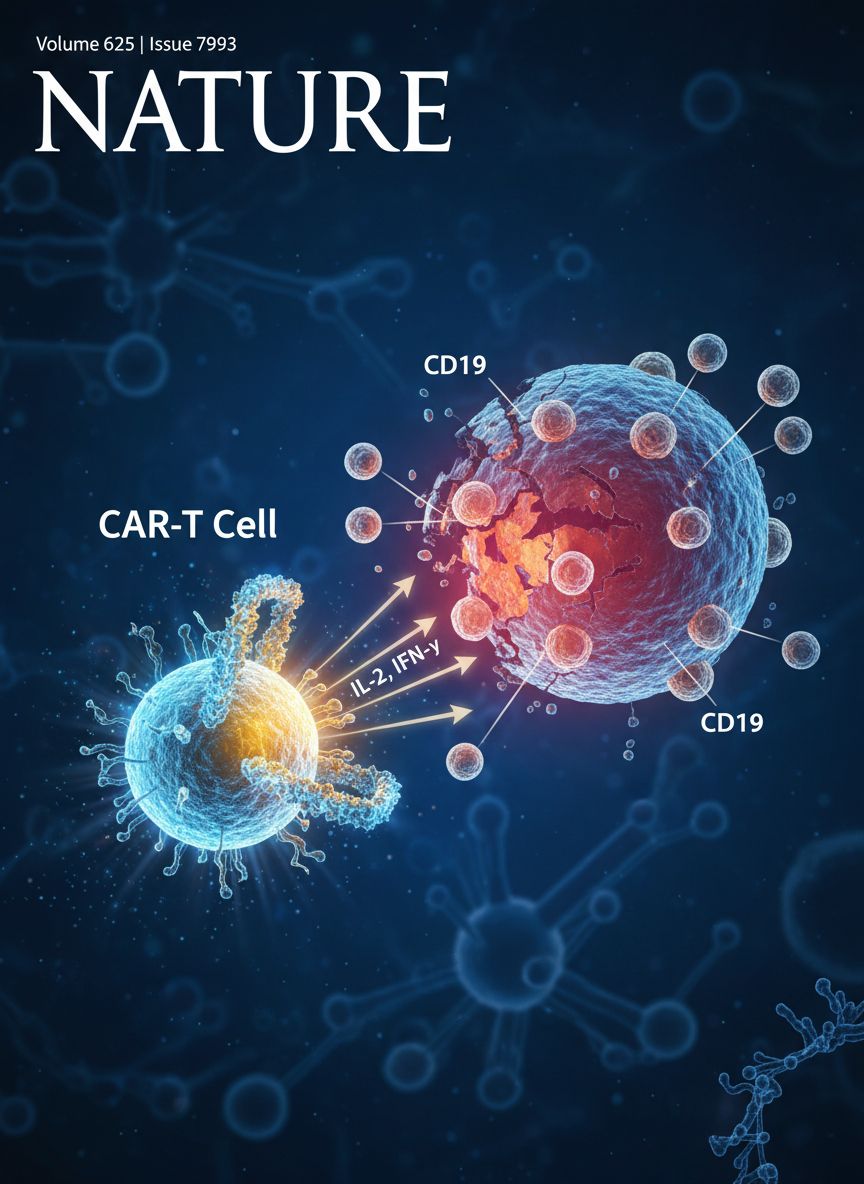
重點: 使您的視覺風格與目標出版格式相匹配 - 封面具有藝術性,方法具有技術性,TOC 具有概念性。
原則 5:遵循學術命名標準
為什麼這很重要: 使用準確的科學術語可以證明嚴謹性,並使圖片可以立即被同行評審和讀者理解。
如何應用: 使用正確的基因名稱(斜體表示法,如 TP53)、蛋白質命名法(CD8+、HSP70)、化學式(H₂O、CO₂)和標準縮寫。
範例提示詞:
CRISPR-Cas9 workflow diagram with 4 sequential steps connected by arrows, labeled
"1. sgRNA Design", "2. Plasmid Construction", "3. Cell Transfection", "4. Genotype
Verification", each step shows detailed illustration, gene names "TP53, BRCA1, KRAS"
visible, timeline "Day 0, 7, 14, 21" marked, icons for lab equipment, modern flat
design with blue-purple gradient, annotations in Arial font, 4:3 landscape format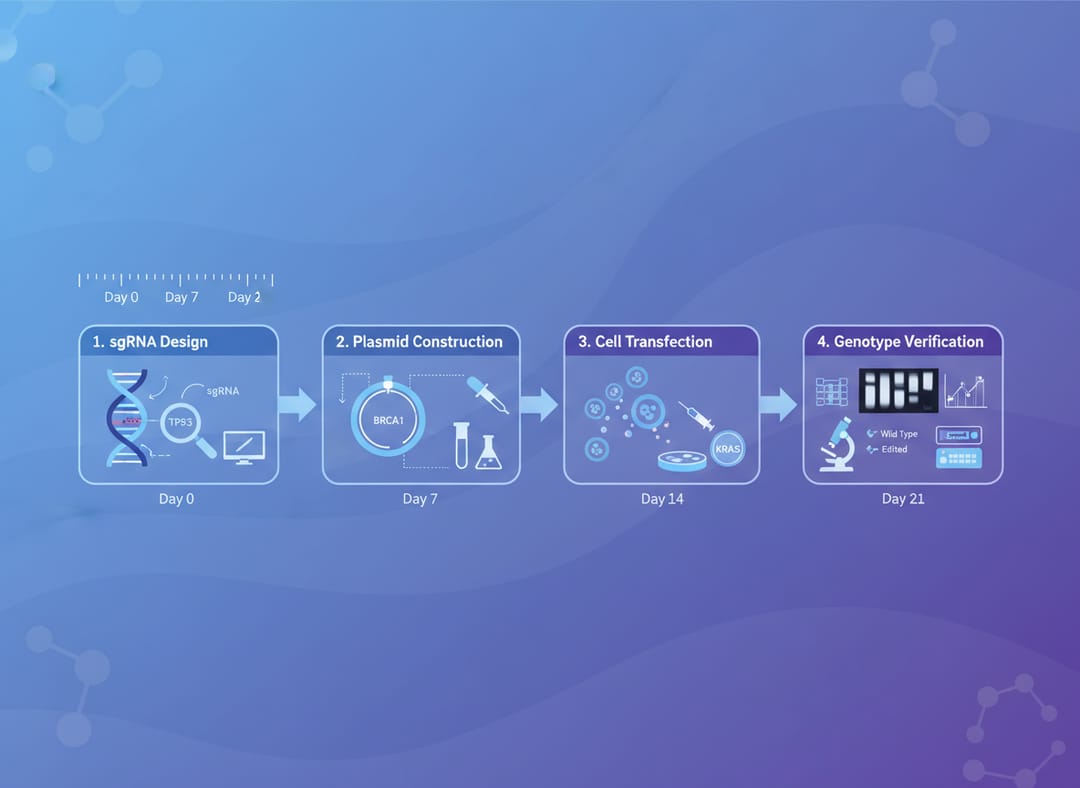
重點: 研究您所在領域的正確術語,並在整個提示詞中始終如一地使用它。
原則 6:設計多層資訊
為什麼這很重要: 最好的科學圖片將多種資訊類型(結構圖、定量數據、註釋和視覺強調)組合在一個有凝聚力的圖片中。
如何應用: 分層不同的資訊類型:主要插圖 + 數據曲線 + 標籤 + 圖例 + 插入。 明確描述每一層。
範例提示詞:
Cardiac electrophysiology and ECG correlation, 4:3 horizontal layout, left side detailed
heart anatomy with conduction system labeled "SA Node, AV Node, Bundle of His, Purkinje
Fibers", action potential phases shown "Phase 0-4, Na+/K+/Ca2+ channels", center ECG
trace with labeled waves "P wave (atrial depolarization), QRS complex (ventricular
depolarization), T wave (repolarization)", timing intervals "PR 120-200ms, QT 350-440ms",
right side pathological ECGs "Atrial Fibrillation, Ventricular Tachycardia, STEMI",
ion concentrations noted, complete cardiology reference diagram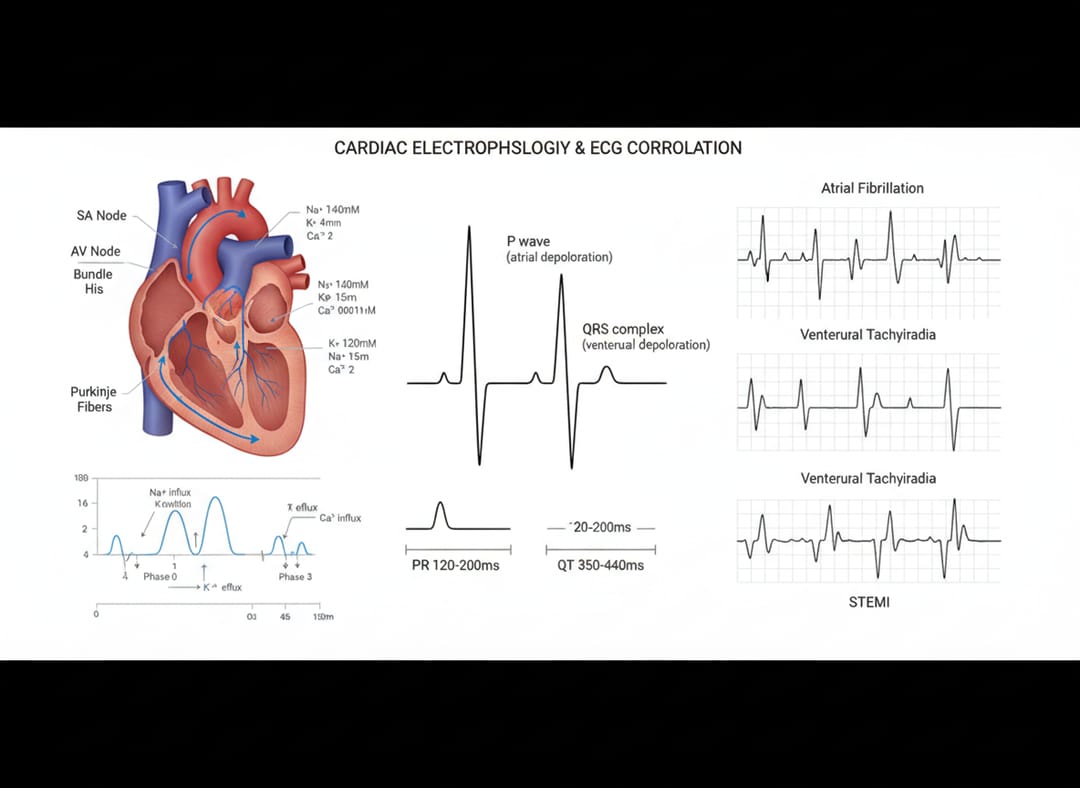
重點: 在一個全面的圖片中組合結構資訊、定量數據、標籤和視覺指南。
原則 7:實施策略性顏色編碼
為什麼這很重要: 顏色是科學圖片中強大的視覺組織工具。 策略性地使用顏色有助於讀者快速理解關係和類別。
如何應用: 明確定義不同元素的顏色分配:途徑、群組、條件或數據類型。
範例提示詞:
RNA splicing mechanism and spliceosome assembly, 4:3 horizontal format, pre-mRNA
structure top with exons/introns labeled "Exon 1-2-3, Intron 1-2", splice sites
marked "5' Splice Site GU, 3' Splice Site AG, Branch Point A", spliceosome components
U1/U2/U4/U5/U6 snRNPs color-coded (U1=red, U2=blue, U4/U6=green, U5=yellow) and
positioned, stepwise assembly stages E→A→B→C complexes shown, lariat intermediate
structure illustrated, catalytic reactions "Transesterification Step 1 & 2", mature
mRNA product bottom, alternative splicing variants displayed, regulatory proteins
SR/hnRNP marked, comprehensive molecular biology diagram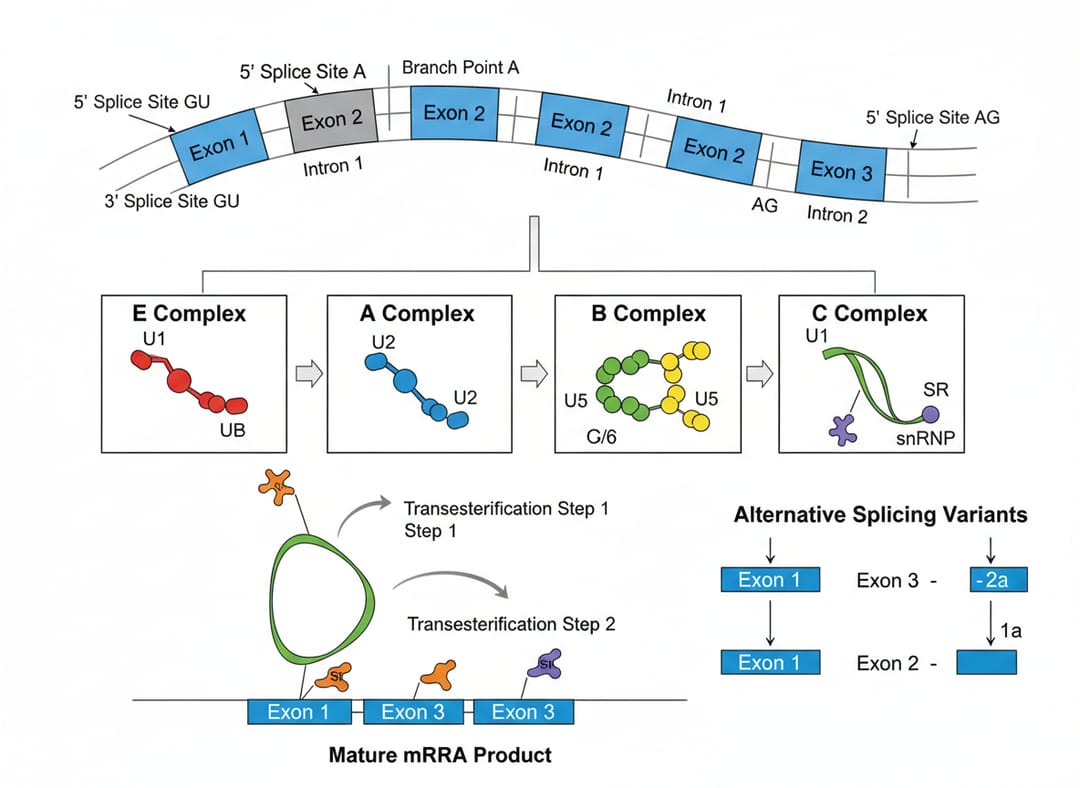
重點: 預先定義顏色方案並始終如一地應用它(例如,「blue=glycolysis(藍色=糖解作用),red=lipid metabolism(紅色=脂質代謝),green=protein synthesis(綠色=蛋白質合成)」)。
原則 8:避免模糊的通用描述
為什麼這很重要: 像「scientific diagram(科學圖)」或「molecular structure(分子結構)」這樣的術語太寬泛。 人工智慧需要具體的細節才能生成準確的、出版品質的輸出。
如何應用: 用確切的規格替換通用術語。 不要說「protein(蛋白質)」,而要說「spike protein trimer with RBD domain(具有 RBD 結構域的棘狀蛋白三聚體)」。 不要說「process(過程)」,而要明確描述每個步驟。
不良範例: 「Create a scientific figure about immune response(建立一個關於免疫反應的科學圖片)」
良好範例:
Bacterial infection and immune response panorama, 4:3 aspect ratio, complete scene
from left to right: pathogen entry through epithelium labeled "Bacterial Invasion,
Streptococcus", innate immunity activation showing "Macrophages, Neutrophils, NK cells",
cytokine storm with molecules "IL-1β, IL-6, TNF-α, IFN-γ", adaptive immunity right
side "B-cells producing IgG/IgM, T-cells CD4+/CD8+", antibody-antigen binding
illustrated, complement cascade "C3a, C5a", memory cell formation labeled, timeline
"0h→24h→72h→7days", every inch filled with cellular and molecular details, immunology
journal quality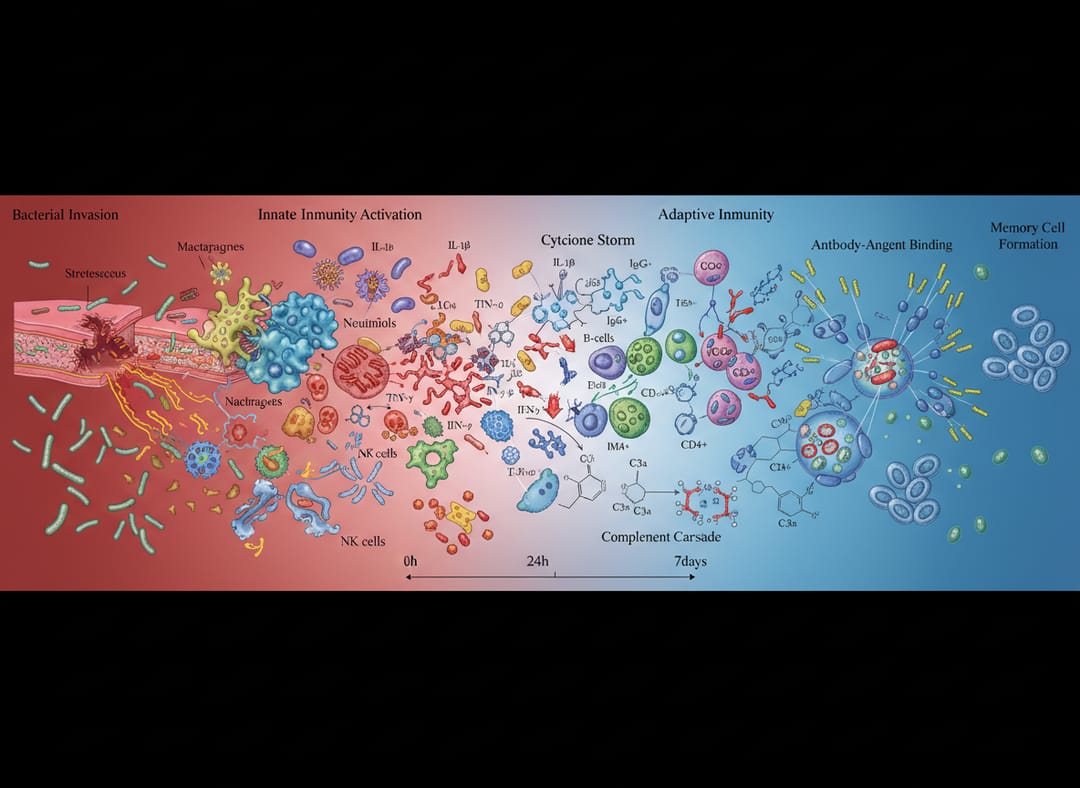
重點: 盡可能具體。 命名每個元素,定義每個關係,指定每個參數。
快速品質檢查表
在提交您的提示詞之前,請驗證:
- 指定長寬比(4:3、3:4、16:9 等)
- 內容填滿畫面(沒有大的空白區域)
- 包含帶有適當單位的英文標籤
- 說明應用上下文(期刊封面、TOC、圖片面板)
- 準確的命名法(基因名稱、蛋白質、化學物質)
- 多個資訊層(結構 + 數據 + 標籤)
- 定義顏色方案(如果使用顏色)
- 具體細節(沒有「molecule A(分子 A)」或「generic structure(通用結構)」)
- 品質關鍵字(professional(專業)、high-detail(高細節)、publication-ready(可以發表))
- 目標解析度(4K、8K、ultra-detailed(超細節)等)
開始建立您的科學插圖
將這些原則應用於 SciDraw AI: