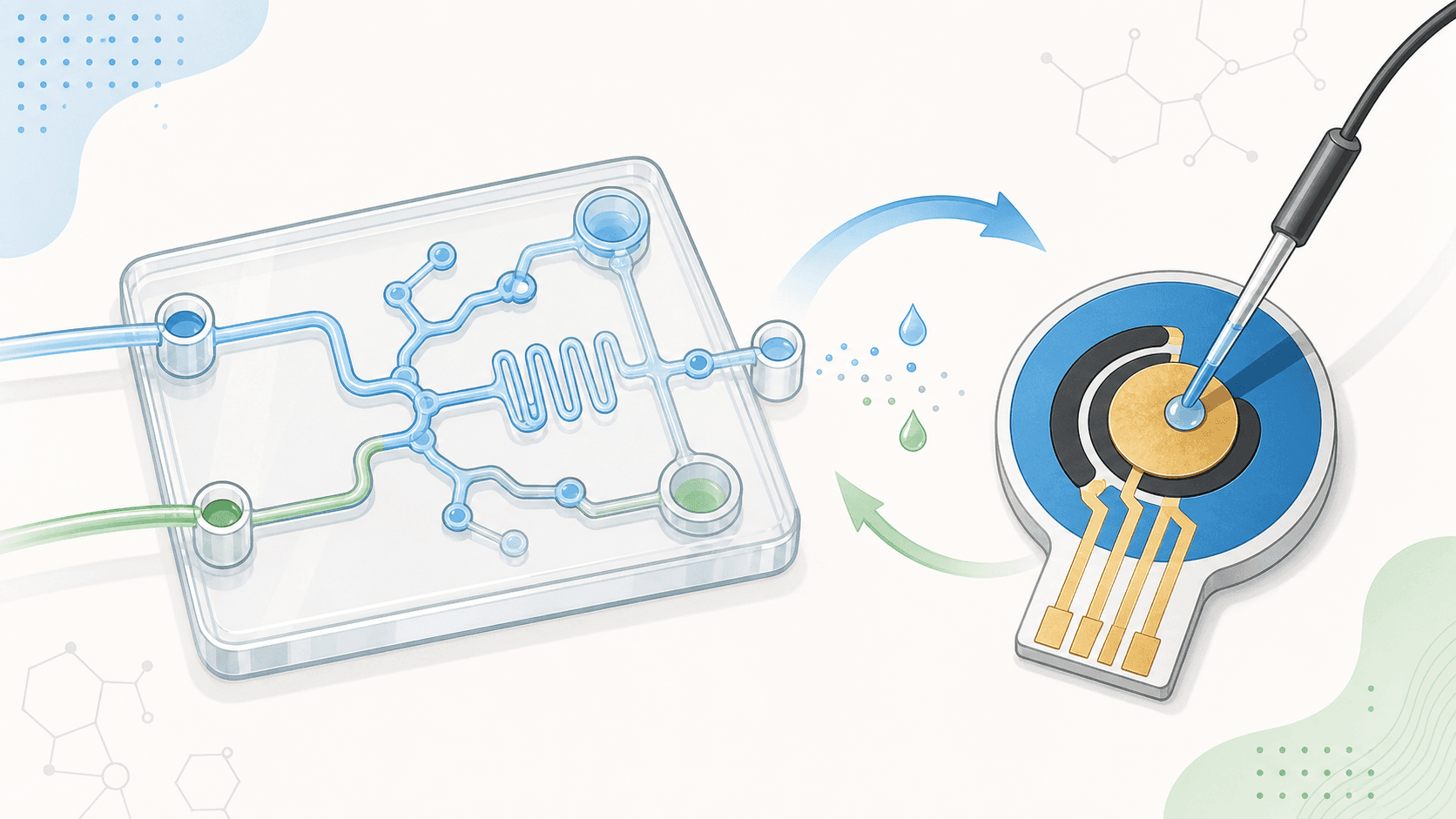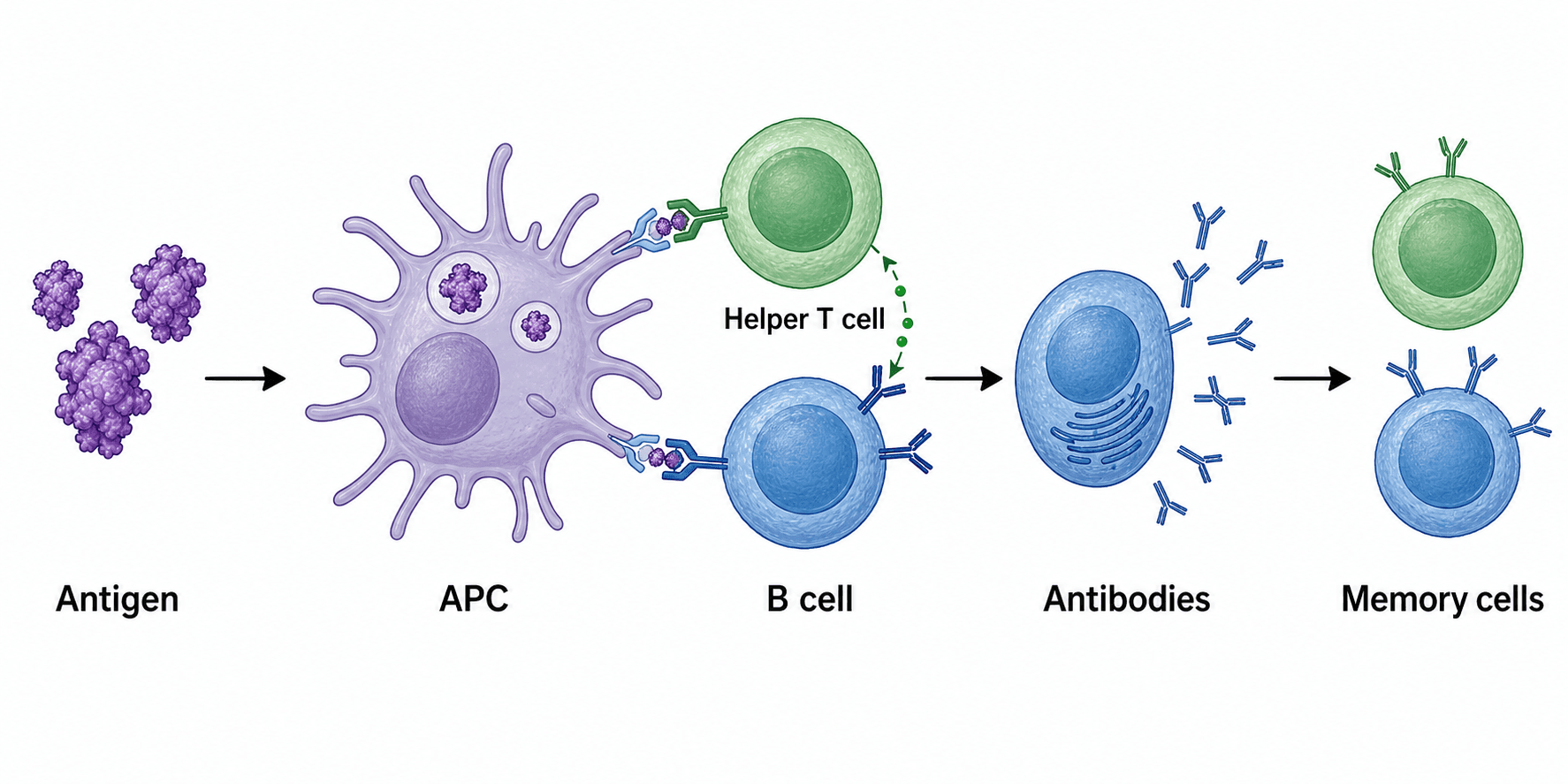
화학 논문은 분자 구조, 반응 메커니즘 및 분석 워크플로우에 대한 정밀한 시각적 표현을 필요로 합니다. 이 가이드는 실제 화학 연구에서 검증된 40가지 AI 프롬프트를 제시하여 학술지, 발표 및 교육 자료용 출판 수준의 다이어그램을 제작하는 데 도움을 줍니다.
이 가이드에서 다루는 내용:
- 분자 구조 및 3D 시각화 프롬프트
- 반응 메커니즘 다이어그램 템플릿
- 분석 기기 도식
- 촉매 및 재료 화학 일러스트레이션
1. 분자 구조 (Molecular Structures)
1.1 유기 화합물 (Organic Compounds)
프롬프트: 단순 분자 구조 (Simple Molecular Structure)
Draw the structural formula for 2,2-dimethylpropane (neopentane). Show all carbon
and hydrogen atoms with proper bonding. Use a clear 2D representation with the
central quaternary carbon and four methyl groups arranged tetrahedrally. Include
bond angles and use standard chemical drawing conventions.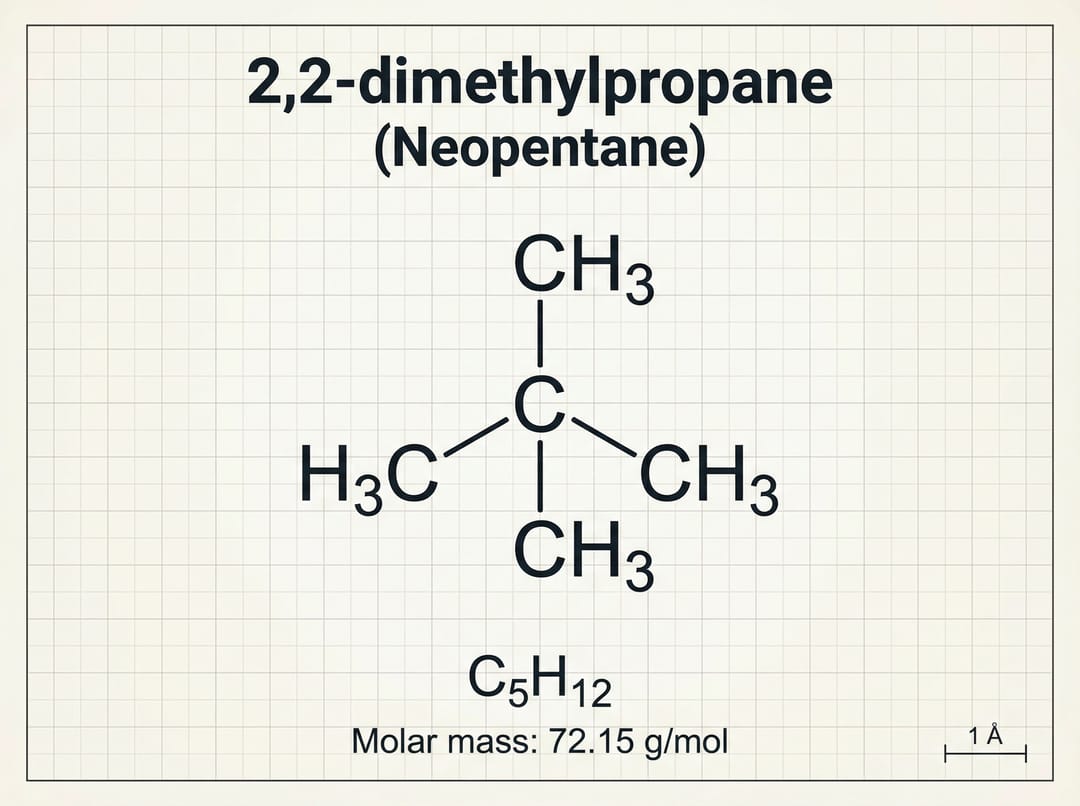
1.2 표면 화학 (Surface Chemistry)
프롬프트: 접촉각 측정 일러스트레이션 (Contact Angle Measurement Illustration)
Create an illustration explaining contact angle measurement for organic thin films.
Show a liquid droplet resting on a glass substrate coated with an organic film.
Include:
- The contact angle θ clearly labeled
- Surface tension vectors (γSV, γSL, γLV)
- Young's equation reference
- Cross-sectional view with substrate layers
Use a clean scientific illustration style.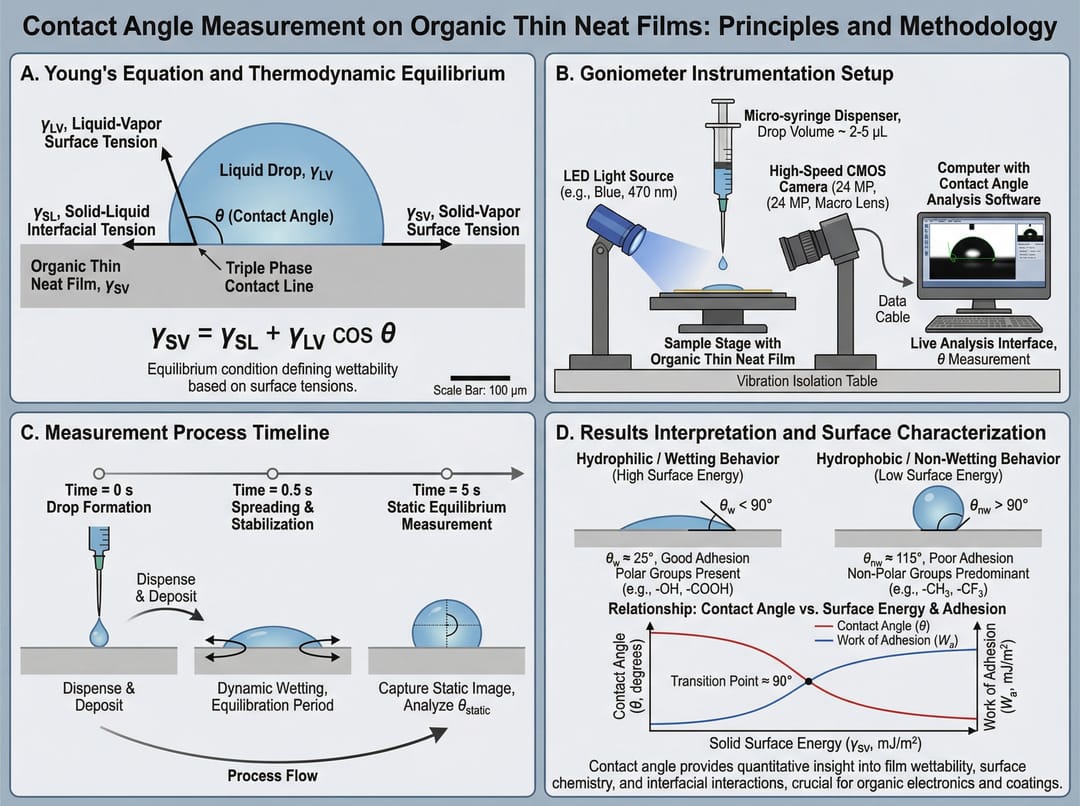
2. 촉매 및 반응 메커니즘 (Catalysis and Reaction Mechanisms)
2.1 촉매 활성 부위 (Catalyst Active Sites)
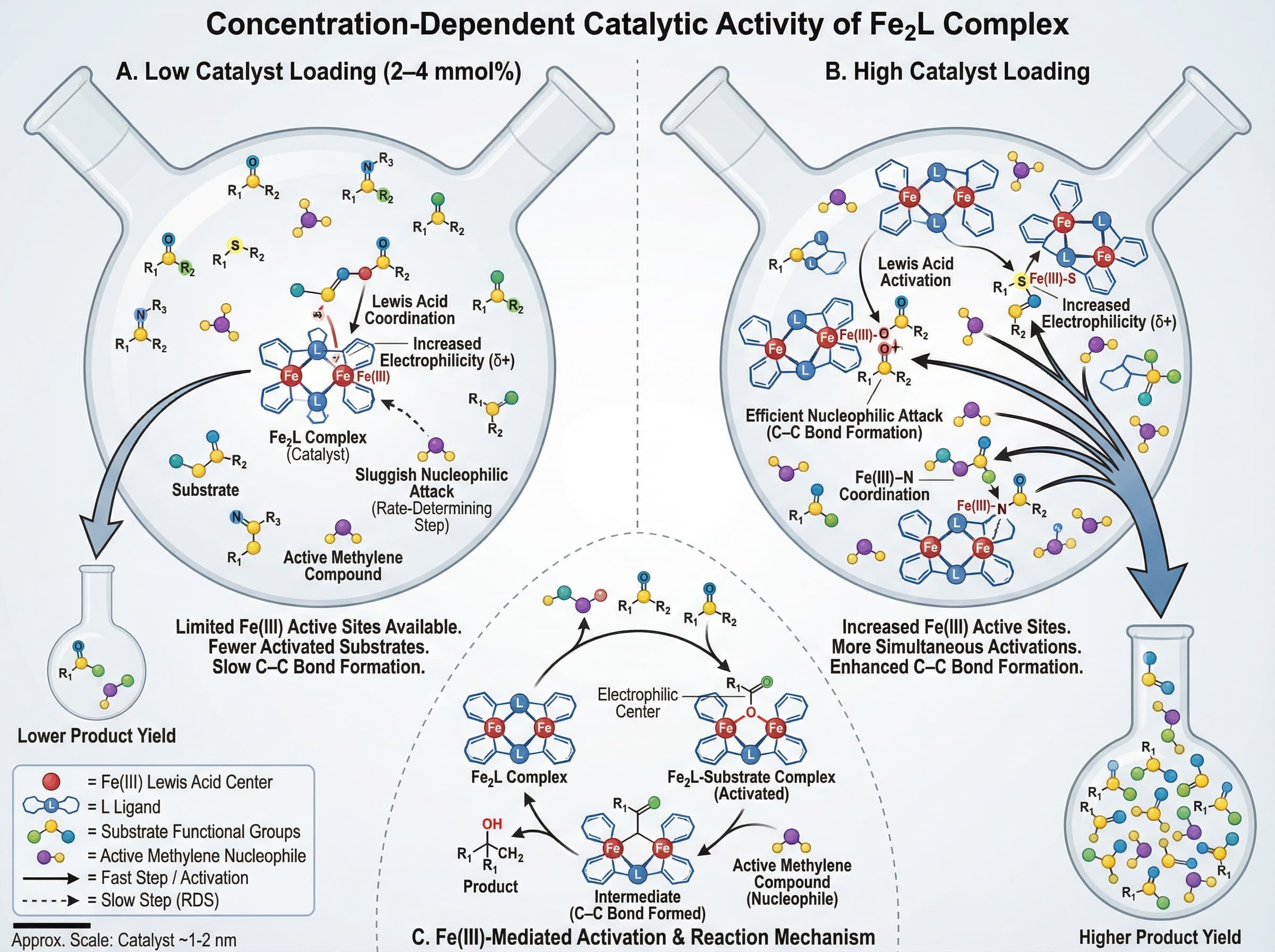
프롬프트: Fe2L 착물 촉매 활성 (Fe2L Complex Catalytic Activity)
The catalytic activity of the Fe2L complex is primarily determined by the
availability and accessibility of its active center. Create a diagram showing:
- The dinuclear iron complex structure
- Substrate approach and binding pocket
- Key amino acid residues in the active site
- Electron transfer pathways
- Product release mechanism
Use molecular graphics style with color-coded atoms.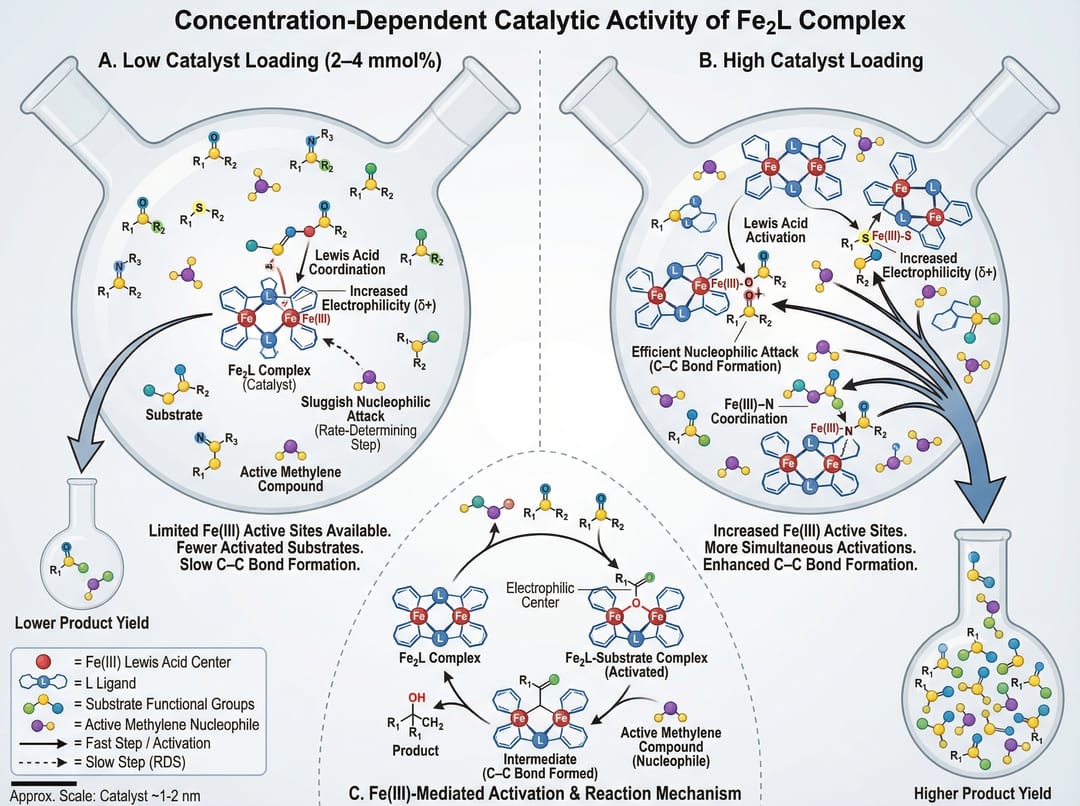
2.2 다단계 촉매 경로 (Multi-Step Catalytic Routes)
프롬프트: 2단계 촉매 합성 (Two-Step Catalytic Synthesis)
A two-step catalytic route to N''-(1,3-benzothiazol-2-yl)guanidine derivatives
was developed using the Fe2L complex as a catalyst. Create a reaction scheme
showing:
- Starting materials with structural formulas
- Reaction conditions (temperature, solvent, catalyst loading)
- Intermediate species
- Final product with stereochemistry
- Yields and selectivity data boxes
Use standard organic chemistry arrow conventions.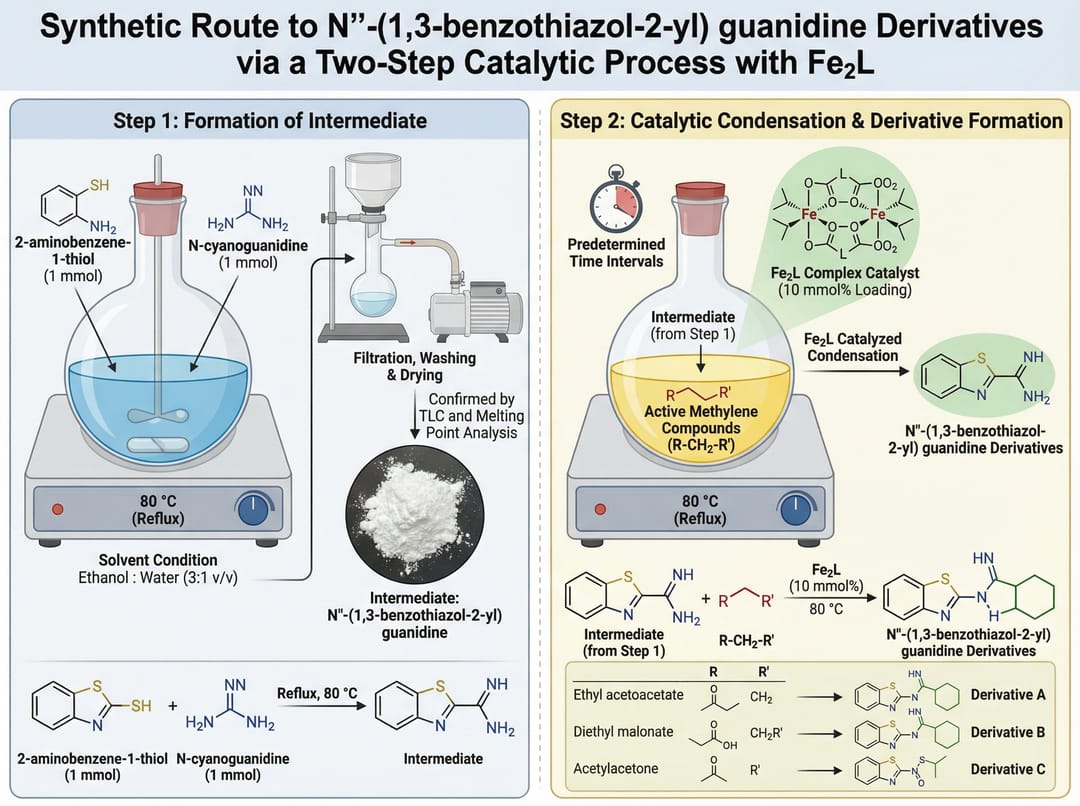
3. 분석 기기 (Analytical Instrumentation)
3.1 크로마토그래피 시스템 (Chromatography Systems)
프롬프트: UPLC-MS 시스템 도식 (UPLC-MS System Schematic)
Left half (UPLC section): Draw a schematic diagram of a UPLC system, including
an autosampler, high-pressure pump, and chromatographic column with particle
packing visualization.

Right half (MS section): Show the mass spectrometer components including
ionization source (ESI), mass analyzer (quadrupole or TOF), and detector.

Connect both sections with the LC-MS interface. Label all major components
and show sample/solvent flow paths with arrows.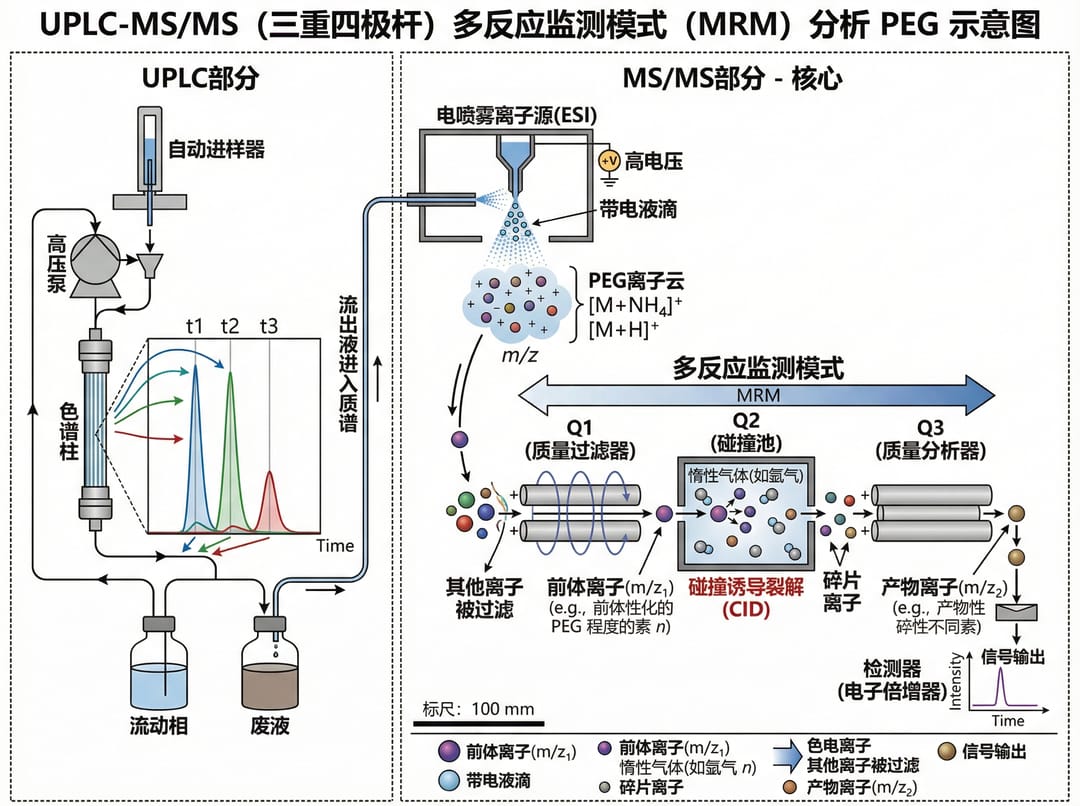
4. 전기화학 및 녹색 화학 (Electrochemistry and Green Chemistry)
4.1 전기화학 반응 (Electrochemical Reactions)
프롬프트: 탄소-질소 커플링 전기화학 (Carbon-Nitrogen Coupling Electrochemistry)
I need a schematic diagram for a research project proposal. The theme is the
electrochemical carbon-nitrogen coupling of CO2 and nitrate. Show:
- Electrochemical cell setup (cathode, anode, membrane)
- CO2 and NO3- reactant streams
- Electron transfer at electrode surface
- C-N bond formation mechanism
- Product collection (urea, amines)
Include potential/current annotations and Faradaic efficiency indicators.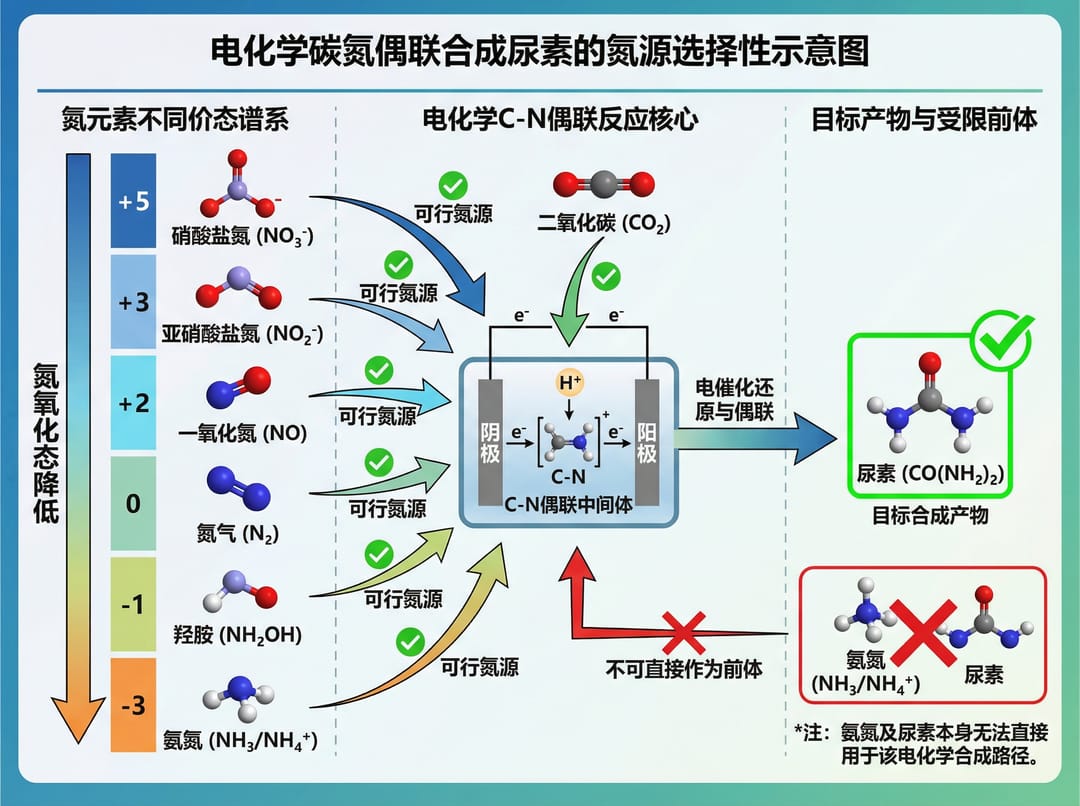
5. 재료 및 막 화학 (Materials and Membrane Chemistry)
5.1 분리막 (Separation Membranes)
프롬프트: Cu-H3BTC 막 유화액 분리 (Cu-H3BTC Membrane Emulsion Separation)
2.3 Emulsion Separation Performance Test of Cu-H3BTC Complex Membrane

Emulsion Preparation: Oil-in-water emulsions using different oils.
Create a figure showing:
- Membrane structure (MOF layer on support)
- Emulsion droplets approaching membrane surface
- Separation mechanism (size exclusion, hydrophilicity)
- Permeate quality comparison
- Flux and rejection rate data visualization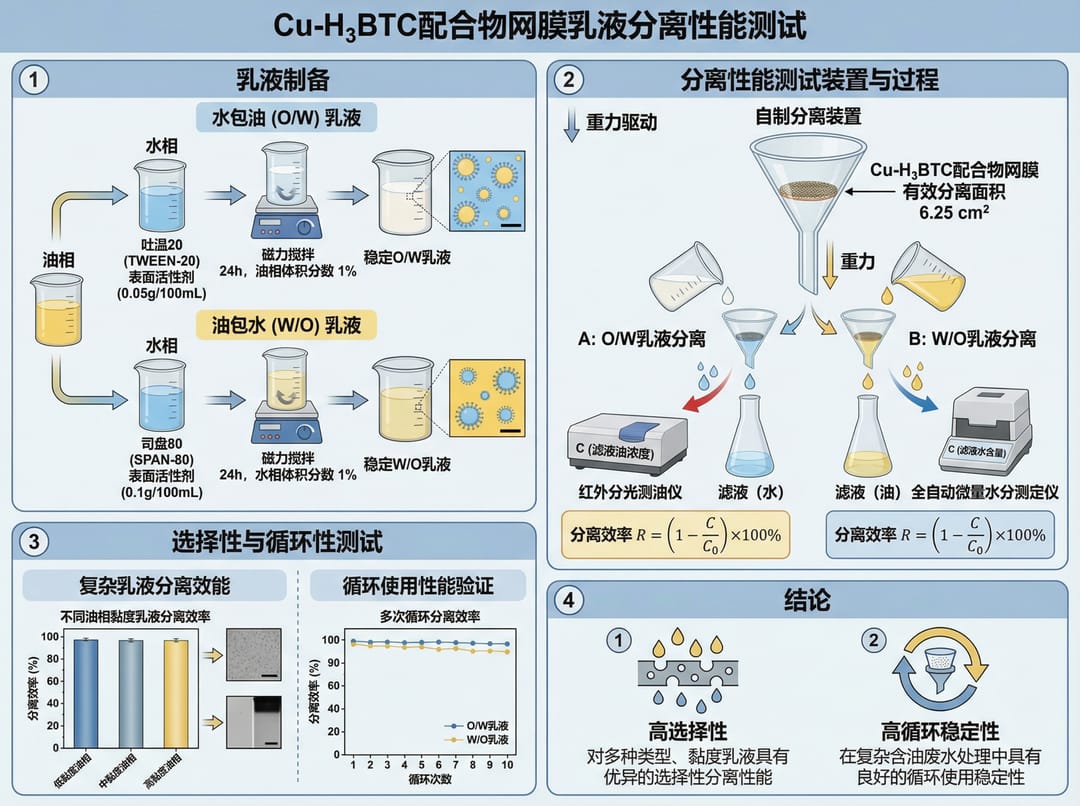
5.2 표면 개질 (Surface Modification)
프롬프트: 정전기 활성 표면 (Electrostatically Active Surfaces)
Conserved domain architecture enables resilience of electrostatically active
surfaces during processing.

Left panel: Show the pristine surface with charged domains
Center panel: Processing conditions (heat, solvent exposure)
Right panel: Preserved surface activity after treatment

Include molecular-level detail of the domain structure and charge distribution.
Use a comparative three-panel layout.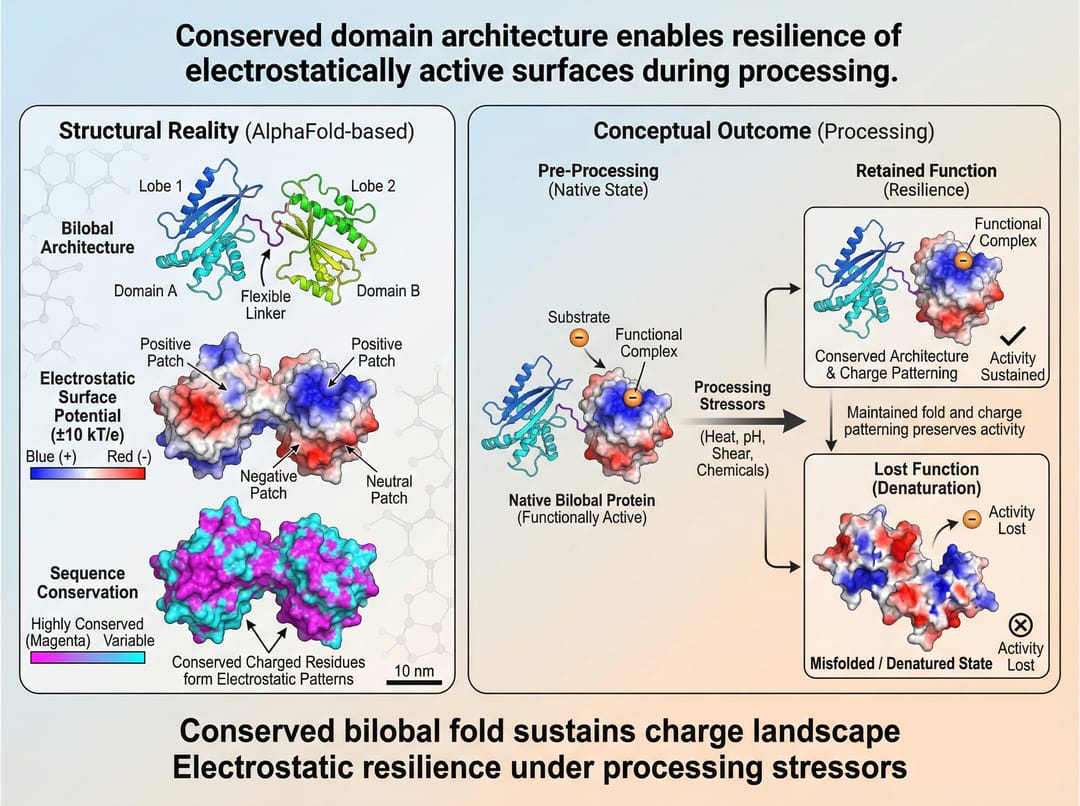
6. 촉매 재료 (Catalytic Materials)
6.1 자동차 촉매 (Automotive Catalysis)
프롬프트: 디젤 입자상 물질 산화 촉매 (Diesel Particulate Oxidation Catalyst)
The image will show a catalyst used in the oxidation of diesel particulate matter,
a very specific application. Create an illustration showing:
- Catalyst support structure (honeycomb monolith)
- Active phase distribution (precious metals, mixed oxides)
- Soot particle interaction with catalyst surface
- Oxidation reaction mechanism
- Temperature and conversion profiles
Include cross-sectional and surface views.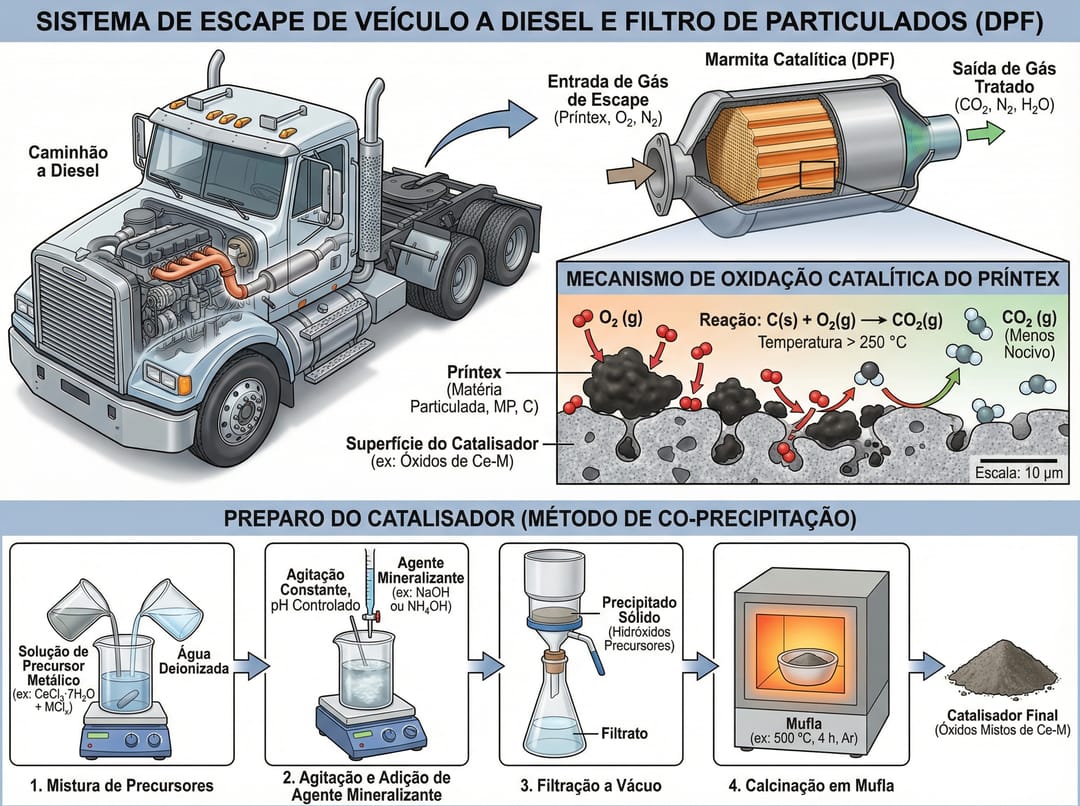
7. 화학 다이어그램 작성을 위한 모범 사례
프롬프트 구조 가이드라인
| 다이어그램 유형 | 주요 요소 |
|---|---|
| 분자 구조 | 원자 레이블, 결합 유형, 입체 화학, 3D 방향성 |
| 반응 메커니즘 | 화살표 규칙, 중간체, 전이 상태, 반응 조건 |
| 기기 도식 | 구성 요소 레이블, 흐름 경로, 신호 처리 |
| 공정 다이어그램 | 유입/유출 스트림, 단위 조작, 재순환 루프 |
화학 분야별 팁
- IUPAC 명명법 사용: 정확성과 재현성을 보장합니다.
- 입체 화학 명시: 3D 표현을 위해 Wedge/Dash 표기법을 사용합니다.
- 반응 조건 포함: 온도, 압력, 촉매, 용매를 명시합니다.
- 모든 원자 레이블 표시: 특히 헤테로 원자와 작용기를 명확히 합니다.
- 전자 흐름 표시: 메커니즘 단계를 나타내기 위해 굽은 화살표를 사용합니다.
화학 다이어그램 제작 시작하기
SciDraw AI의 AI 일러스트레이션 도구로 이 프롬프트들을 시도해 보세요:
- 모식도 생성기 — AI로 화학 실험 모식도 생성
- 다이어그램 제작하기 →
- 화학 예시 둘러보기 →