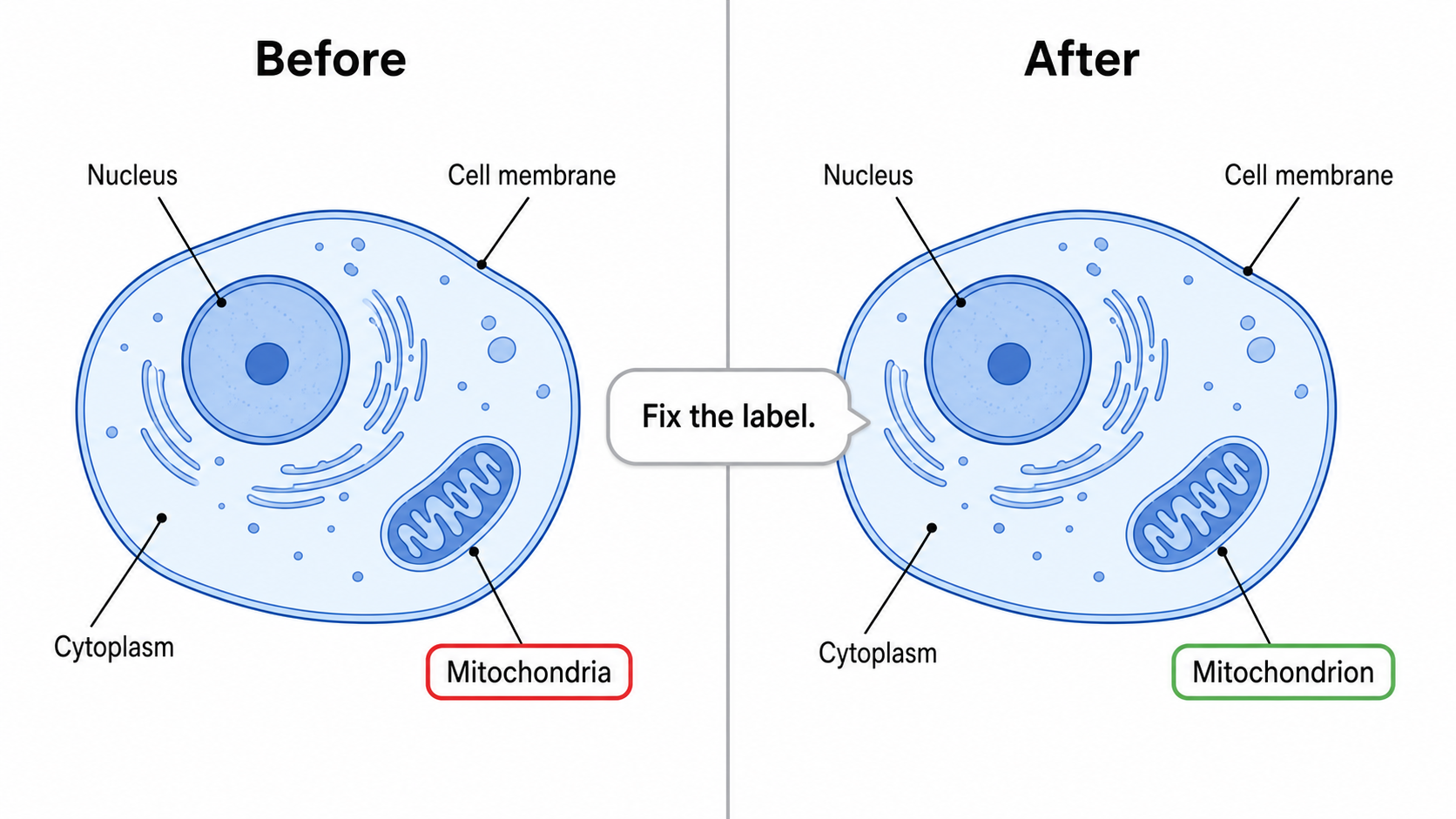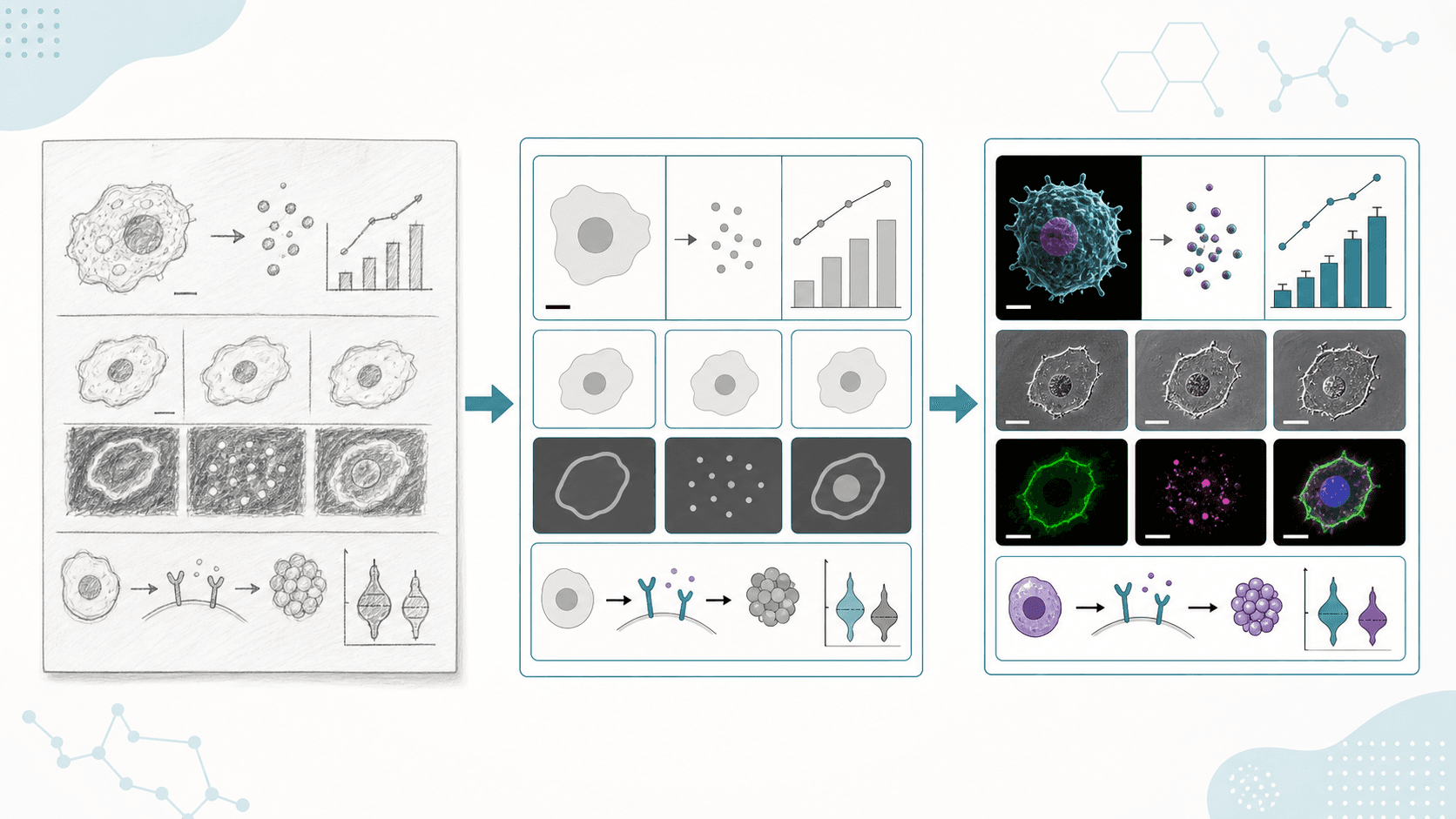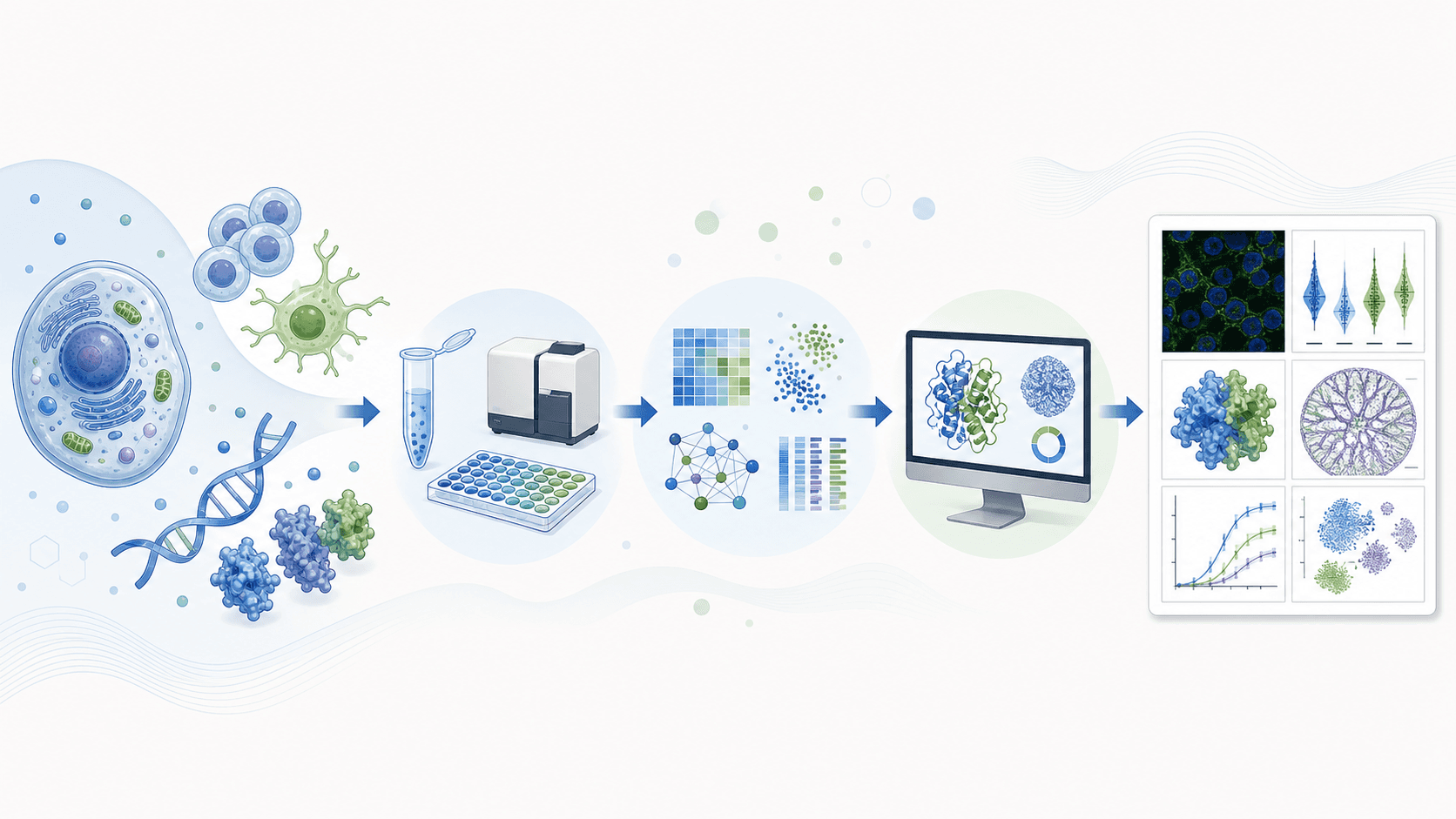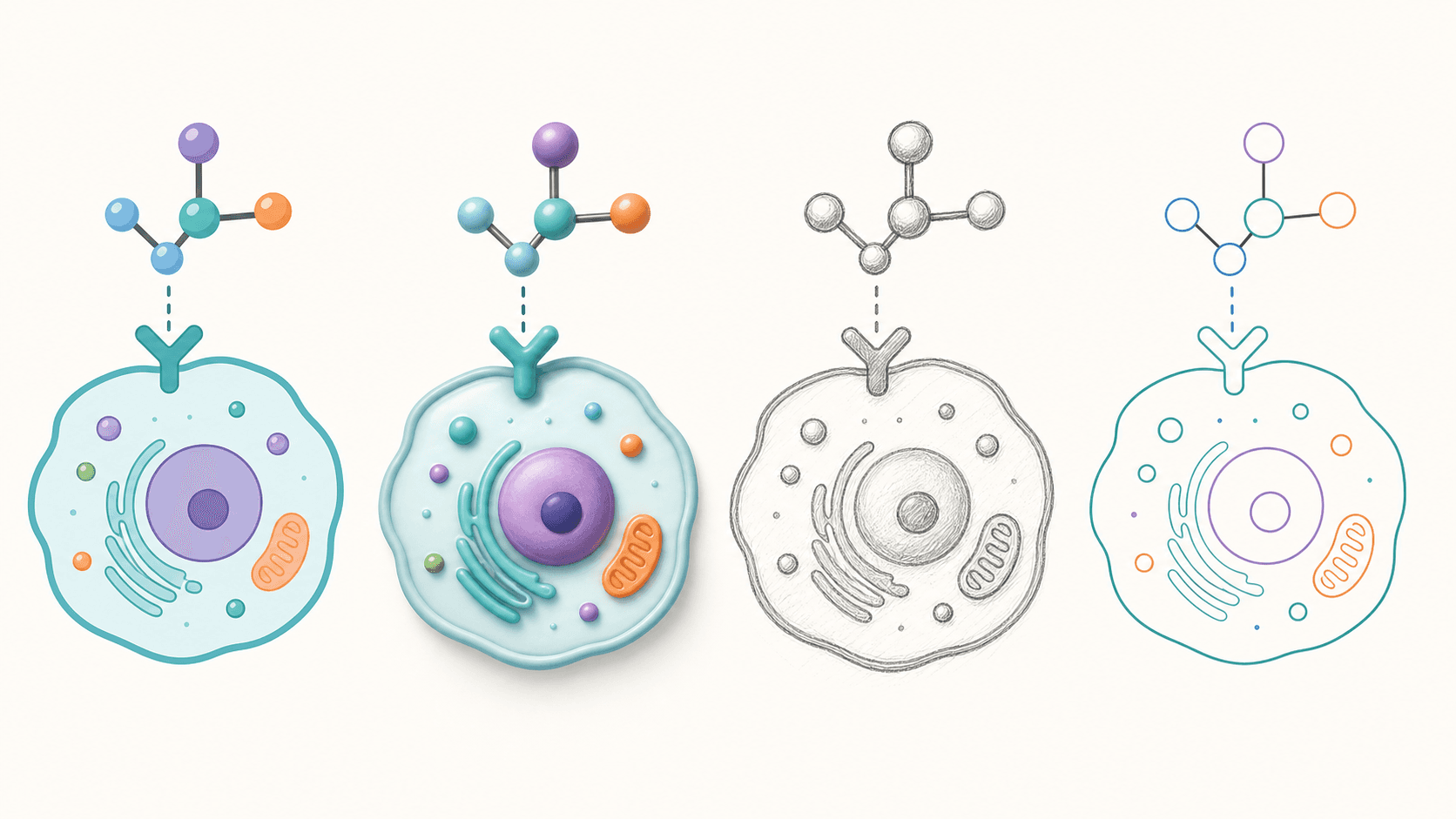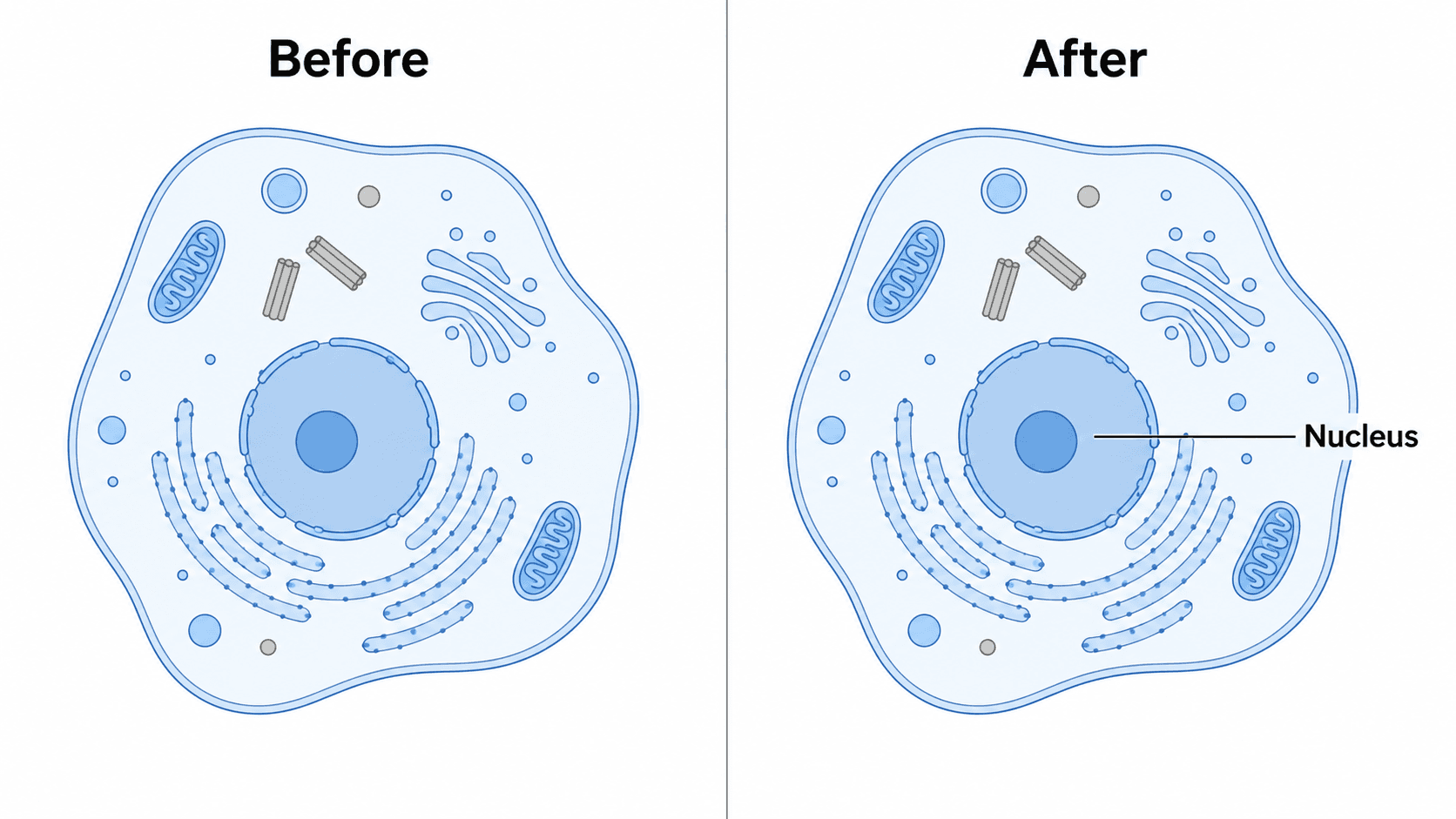
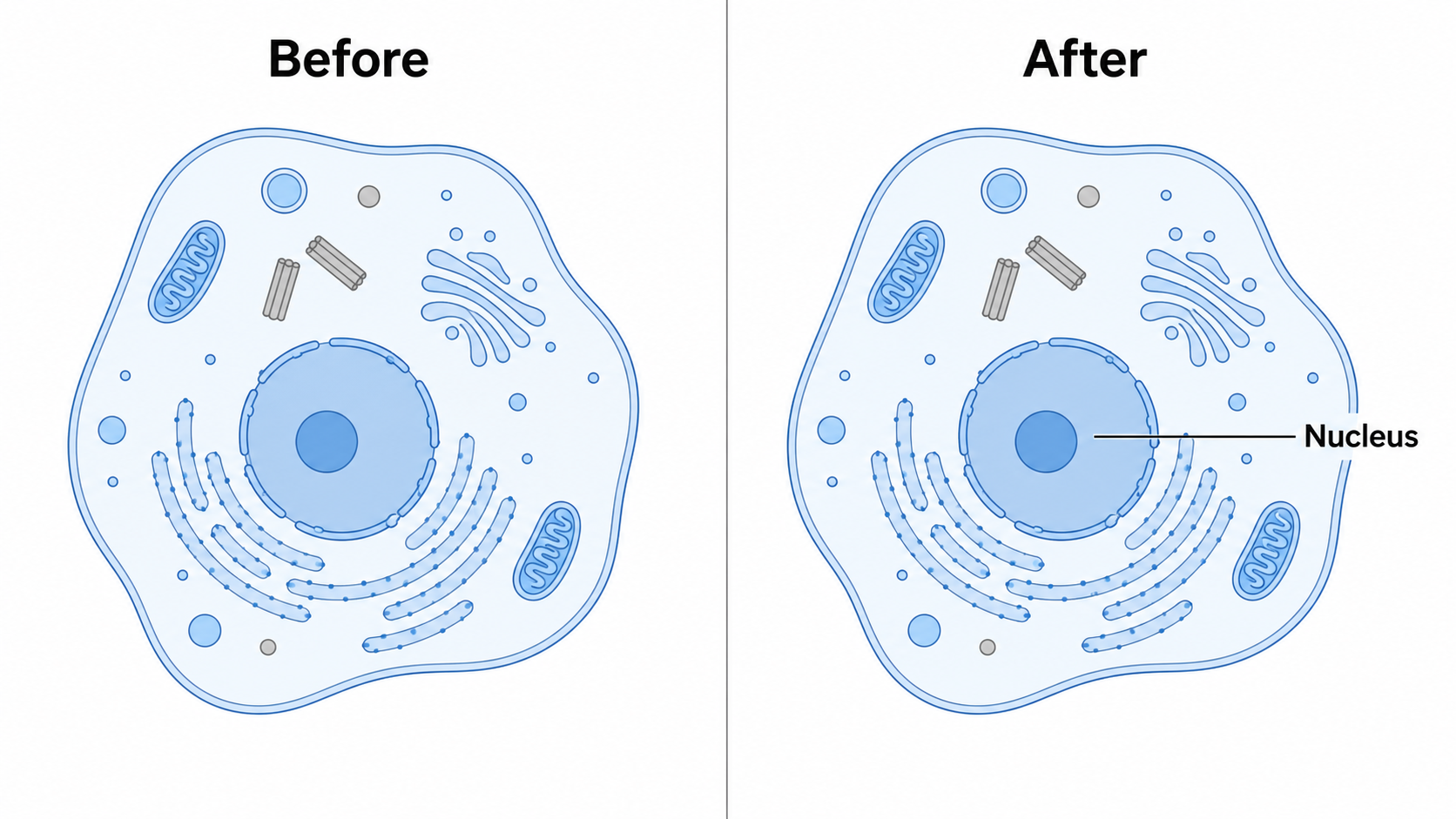
La tua figura è quasi finita — ma manca una cosa. Un revisore vuole una freccia che mostri la direzione della segnalazione, al diagramma serve un'etichetta sulla struttura che hai dimenticato, oppure alla tua via manca un passaggio tra due riquadri. Non devi ridisegnare l'intera figura per aggiungerlo. Con uno strumento di figure AI-native ti basta dire all'AI cosa aggiungere e dove, e inserisce il nuovo elemento nell'immagine esistente mantenendo tutto il resto esattamente com'era. Questa guida ti mostra come aggiungere un elemento a una figura, aggiungere un'etichetta a un diagramma e aggiungere una freccia a una figura con l'AI — senza software di grafica, senza maniglie di selezione, senza ricominciare da capo.
Al termine di questa guida sarai in grado di:
- Aggiungere un'etichetta a un diagramma con una linea di richiamo che punta esattamente al punto giusto.
- Aggiungere una freccia a una figura — direzionale, di attivazione o di inibizione — per mostrare flussi e relazioni.
- Aggiungere un nuovo elemento come un organello, una cellula, una molecola, un pannello o un passaggio a una figura esistente.
- Aggiungere annotazioni come barre di scala, lettere di pannello, didascalie e callout.
- Aggiungere a una figura senza ridisegnarla, così non perdi mai le parti che già ti piacciono.
Ogni aggiunta qui sotto si realizza digitando una sola frase nell'editor di SciDraw AI — l'editor di figure AI in cui la tua immagine è la tela e il linguaggio è lo strumento.
Perché aggiungere è più sicuro che rigenerare
Quando a una figura manca un pezzo, l'istinto è riscrivere l'intero prompt e generare di nuovo. Il problema: una rigenerazione completa sposta il layout, ricolora gli elementi e a volte ricalcola etichette che avevi già sistemato. Aggiungere è una modifica mirata — l'AI mantiene intatta l'immagine esistente e inserisce solo il nuovo elemento. Questo significa che l'organello che hai posizionato con cura, i colori che hai scelto e le frecce che hai già corretto restano tutti al loro posto. L'abilità è la stessa di qualsiasi buona modifica di figura: essere precisi su aggiungere, va e resta invariato.