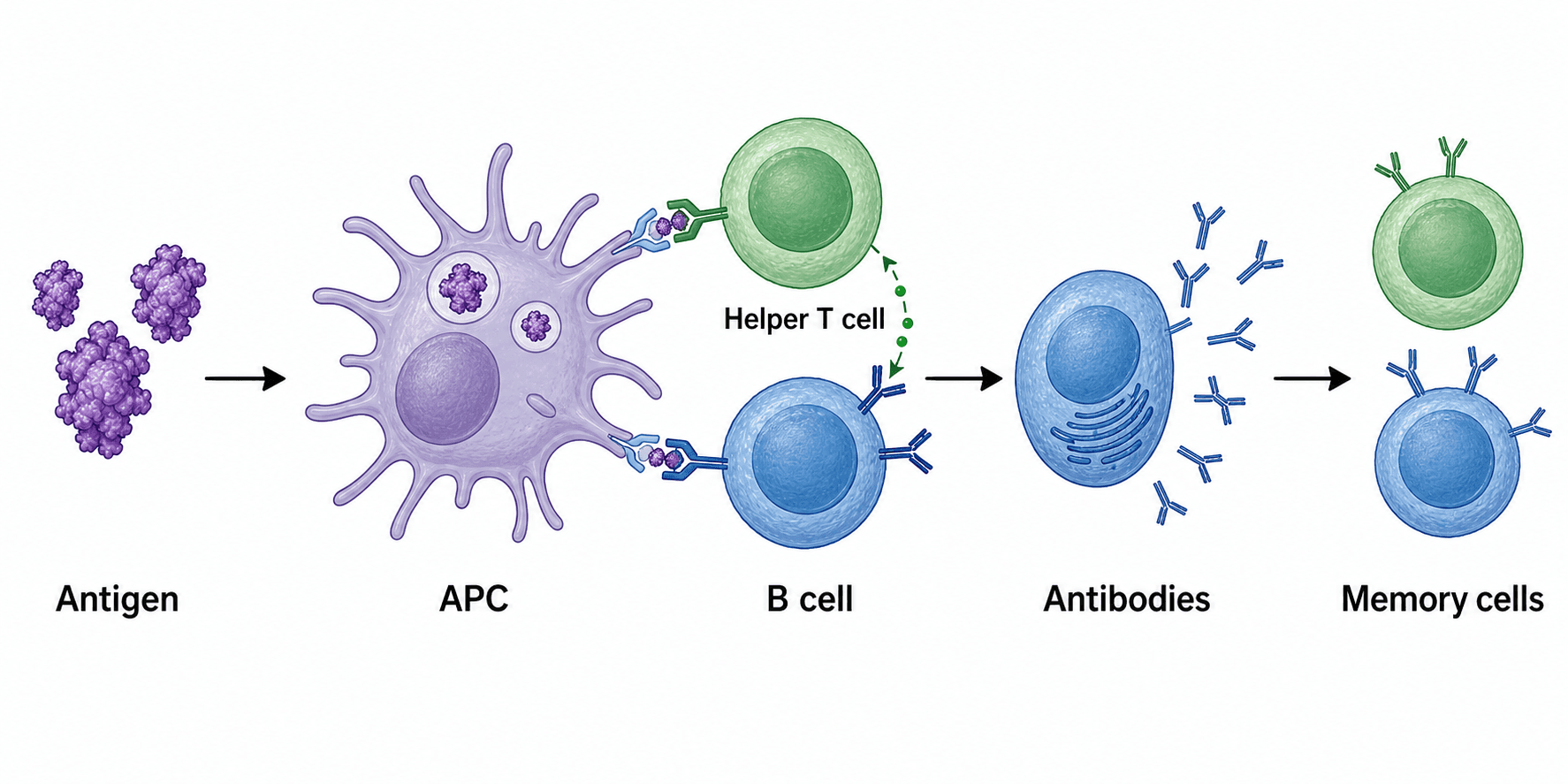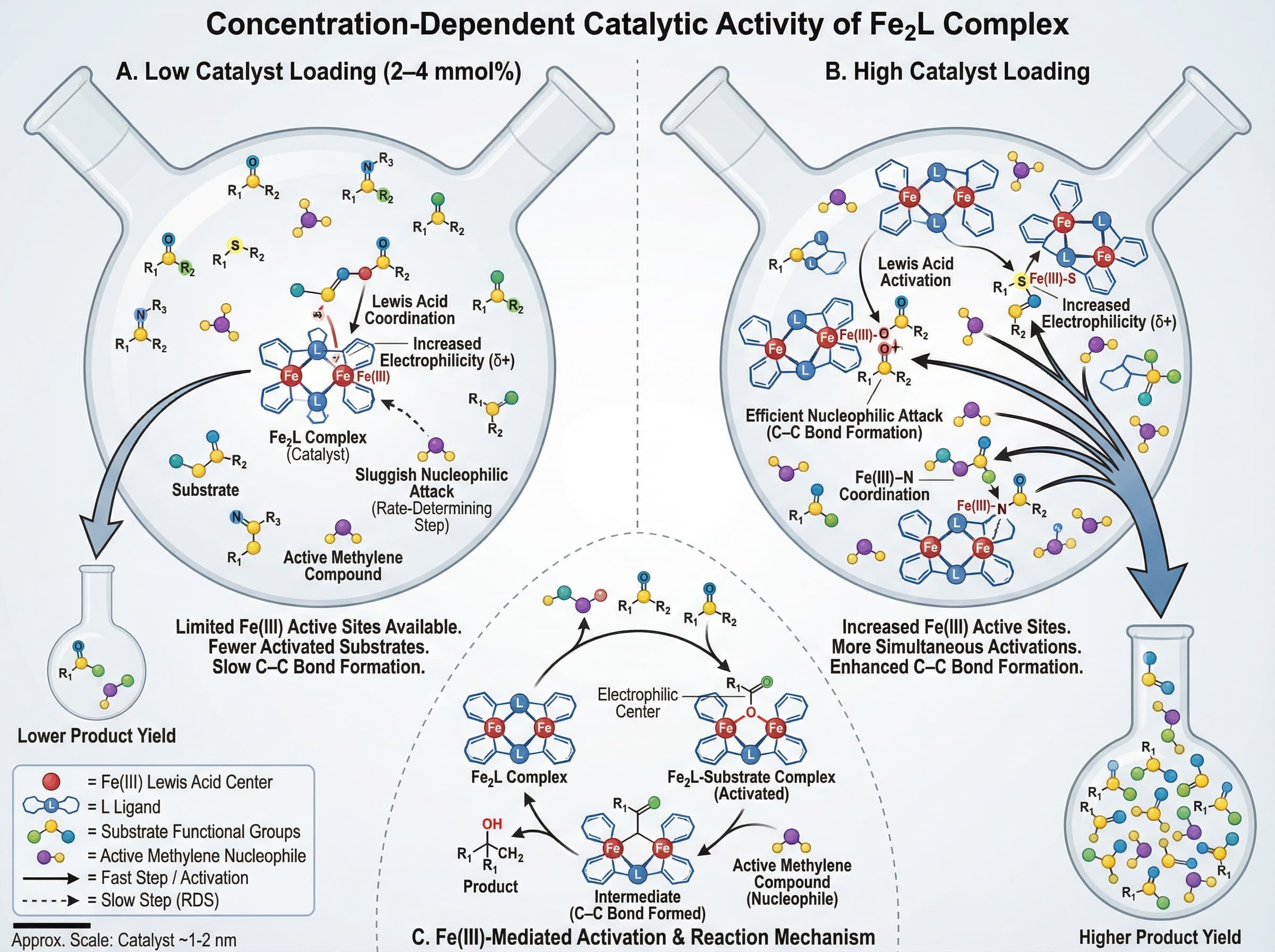
化学出版物需要精确的分子结构、反应机制和分析工作流程的视觉呈现。本指南介绍了 40 个来自真实化学研究的经过验证的 AI 提示词,帮助你为期刊、演示文稿和教学材料创建可供发表的图表。
在本指南中,你将找到:
- 分子结构和 3D 可视化提示词
- 反应机制图模板
- 分析仪器示意图
- 催化和材料化学插图
1. 分子结构
1.1 有机化合物
提示词:简单分子结构
Draw the structural formula for 2,2-dimethylpropane (neopentane). Show all carbon
and hydrogen atoms with proper bonding. Use a clear 2D representation with the
central quaternary carbon and four methyl groups arranged tetrahedrally. Include
bond angles and use standard chemical drawing conventions.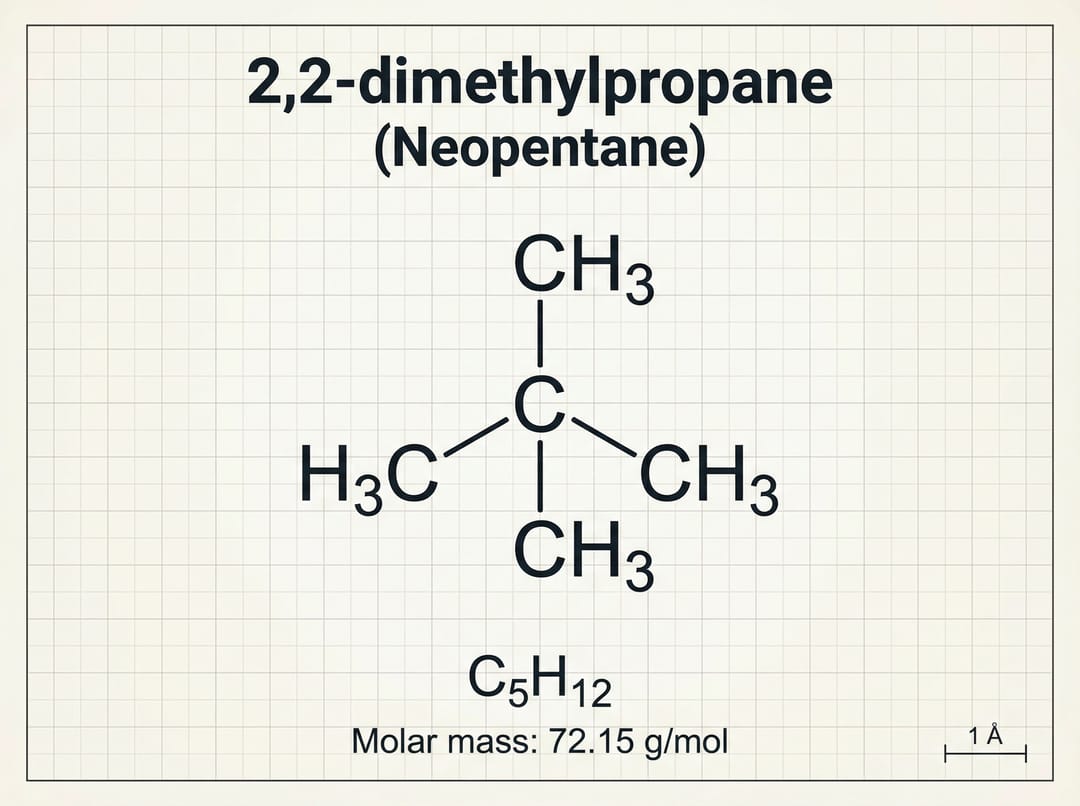
1.2 表面化学
提示词:接触角测量插图
Create an illustration explaining contact angle measurement for organic thin films.
Show a liquid droplet resting on a glass substrate coated with an organic film.
Include:
- The contact angle θ clearly labeled
- Surface tension vectors (γSV, γSL, γLV)
- Young's equation reference
- Cross-sectional view with substrate layers
Use a clean scientific illustration style.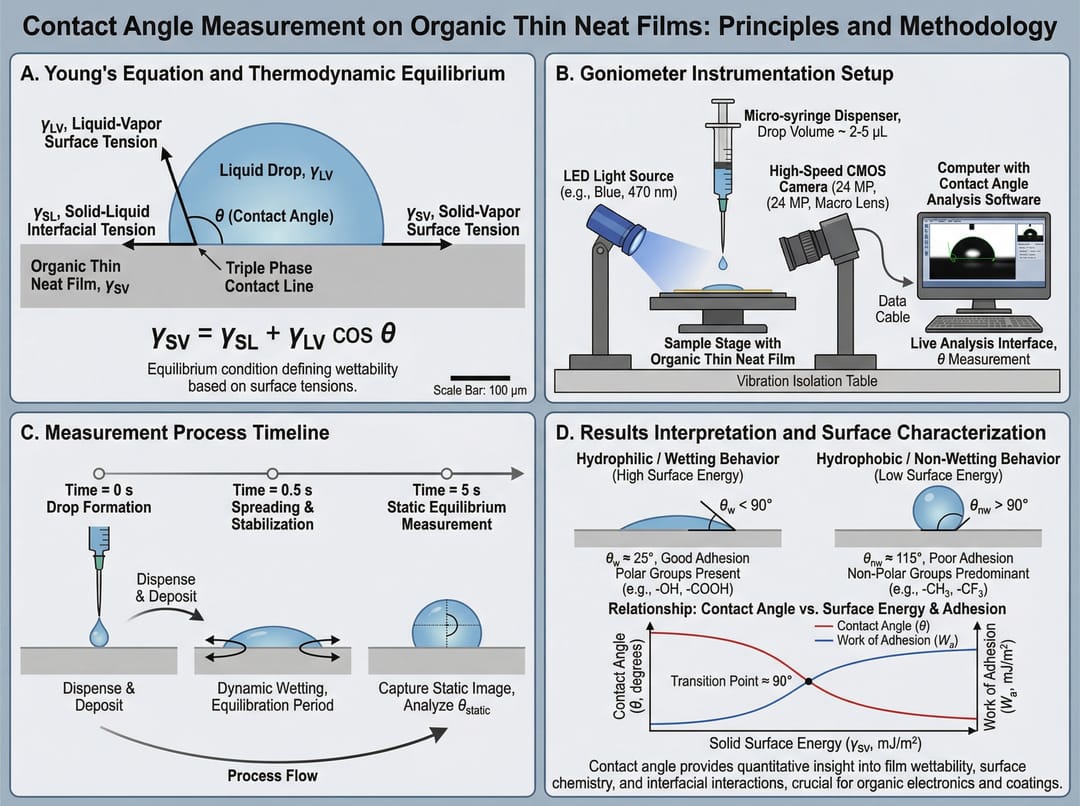
2. 催化与反应机制
2.1 催化剂活性位点
提示词:Fe2L 配合物的催化活性
The catalytic activity of the Fe2L complex is primarily determined by the
availability and accessibility of its active center. Create a diagram showing:
- The dinuclear iron complex structure
- Substrate approach and binding pocket
- Key amino acid residues in the active site
- Electron transfer pathways
- Product release mechanism
Use molecular graphics style with color-coded atoms.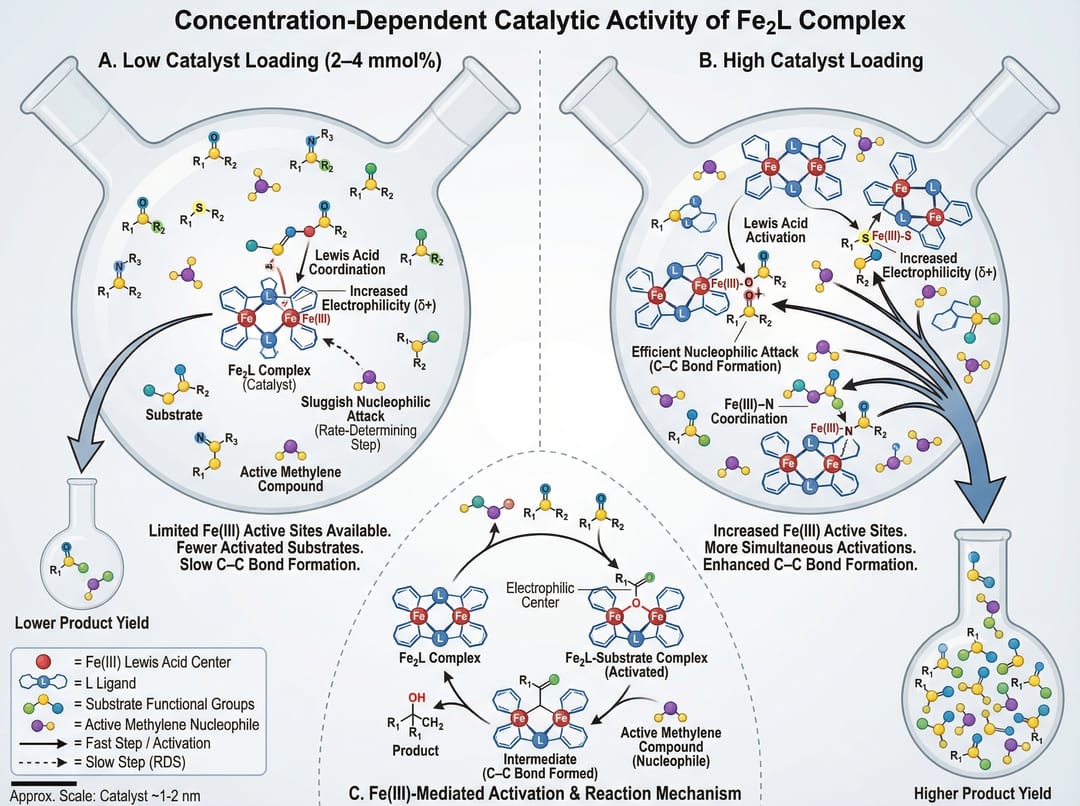
2.2 多步催化路径
提示词:两步催化合成
A two-step catalytic route to N''-(1,3-benzothiazol-2-yl)guanidine derivatives
was developed using the Fe2L complex as a catalyst. Create a reaction scheme
showing:
- Starting materials with structural formulas
- Reaction conditions (temperature, solvent, catalyst loading)
- Intermediate species
- Final product with stereochemistry
- Yields and selectivity data boxes
Use standard organic chemistry arrow conventions.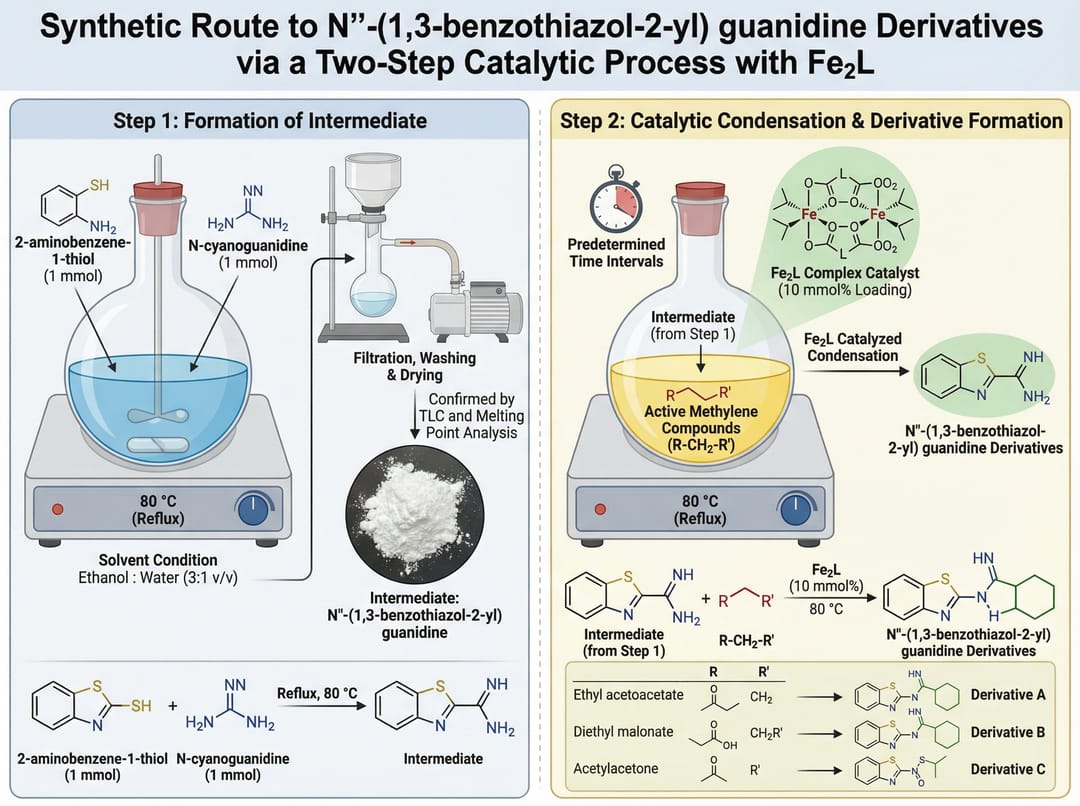
3. 分析仪器
3.1 色谱系统
提示词:UPLC-MS 系统示意图
Left half (UPLC section): Draw a schematic diagram of a UPLC system, including
an autosampler, high-pressure pump, and chromatographic column with particle
packing visualization.

Right half (MS section): Show the mass spectrometer components including
ionization source (ESI), mass analyzer (quadrupole or TOF), and detector.

Connect both sections with the LC-MS interface. Label all major components
and show sample/solvent flow paths with arrows.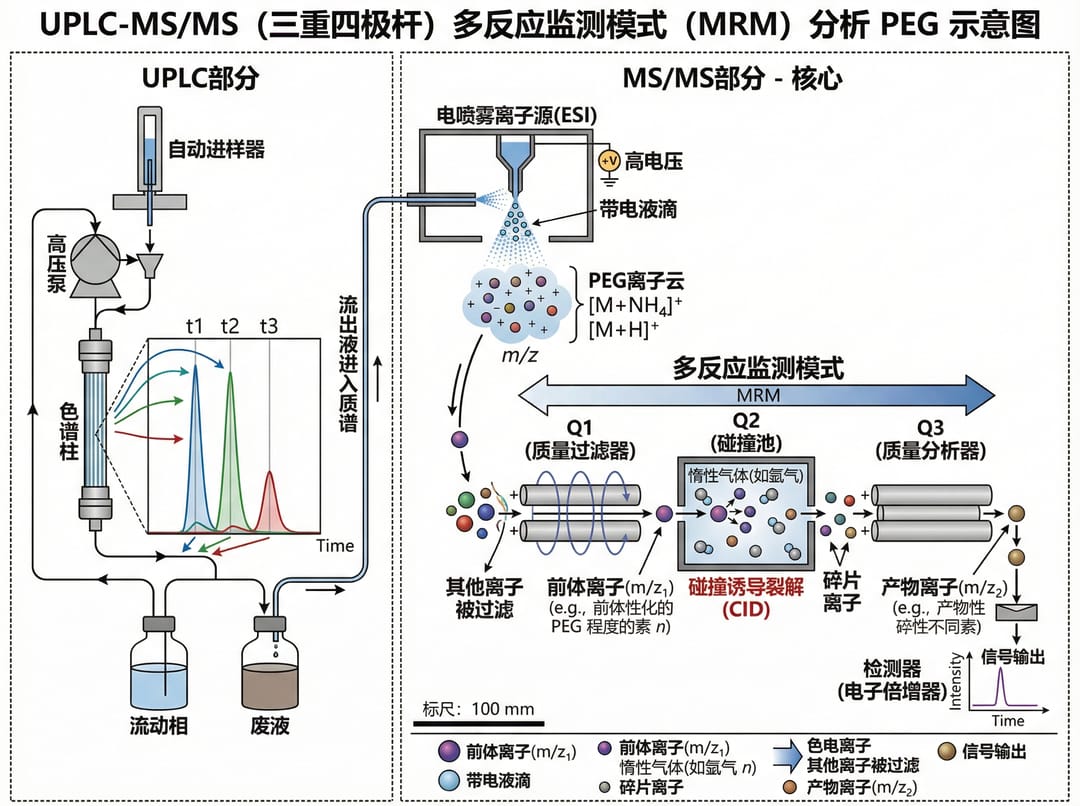
4. 电化学与绿色化学
4.1 电化学反应
提示词:碳氮偶联电化学
I need a schematic diagram for a research project proposal. The theme is the
electrochemical carbon-nitrogen coupling of CO2 and nitrate. Show:
- Electrochemical cell setup (cathode, anode, membrane)
- CO2 and NO3- reactant streams
- Electron transfer at electrode surface
- C-N bond formation mechanism
- Product collection (urea, amines)
Include potential/current annotations and Faradaic efficiency indicators.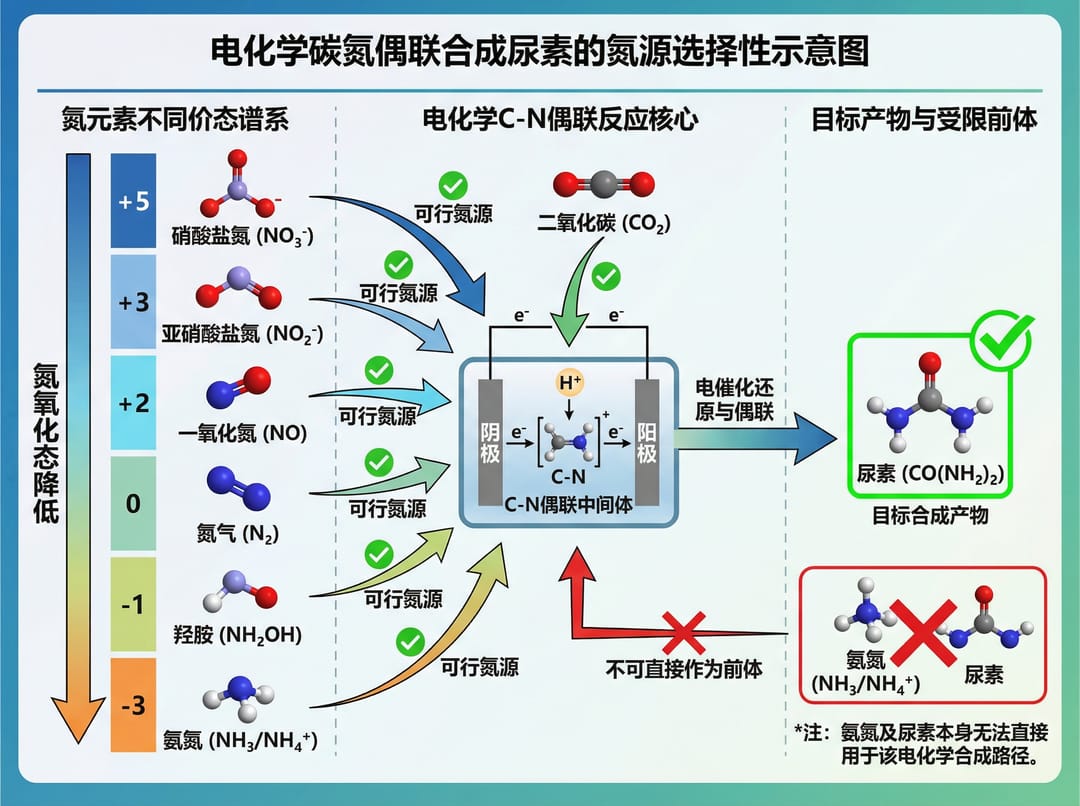
5. 材料与膜化学
5.1 分离膜
提示词:Cu-H3BTC 配合物膜乳液分离
2.3 Emulsion Separation Performance Test of Cu-H3BTC Complex Membrane

Emulsion Preparation: Oil-in-water emulsions using different oils.
Create a figure showing:
- Membrane structure (MOF layer on support)
- Emulsion droplets approaching membrane surface
- Separation mechanism (size exclusion, hydrophilicity)
- Permeate quality comparison
- Flux and rejection rate data visualization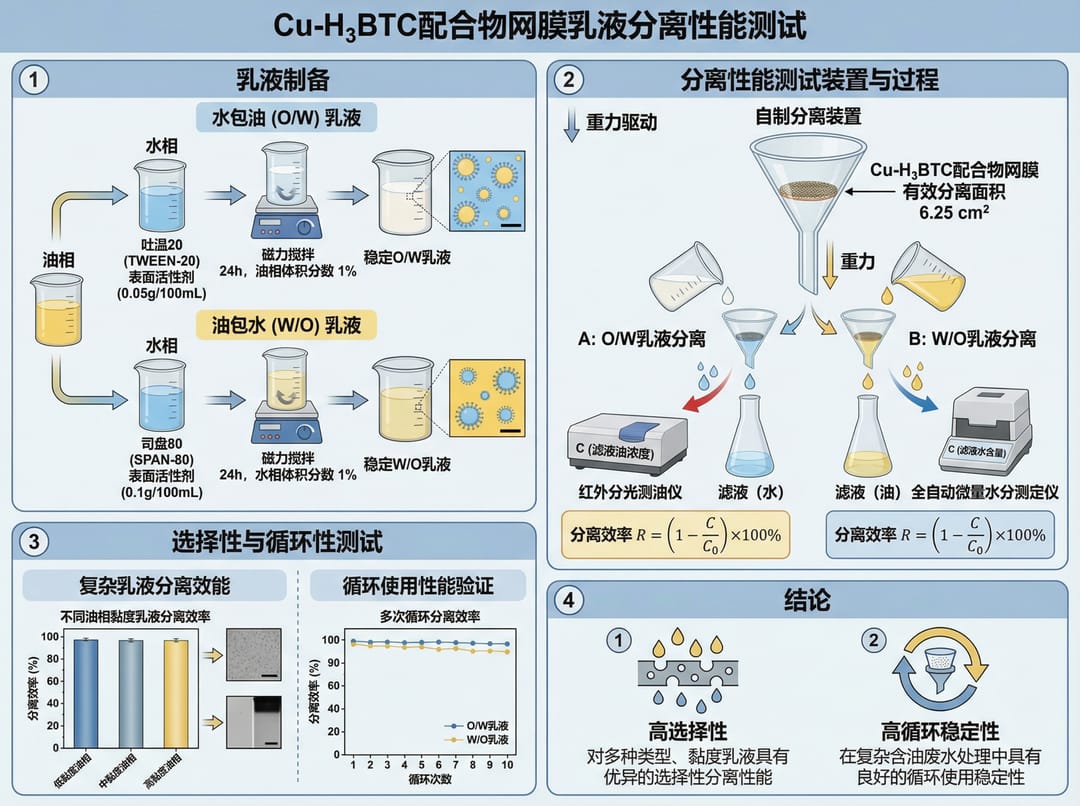
5.2 表面改性
提示词:静电活性表面
Conserved domain architecture enables resilience of electrostatically active
surfaces during processing.

Left panel: Show the pristine surface with charged domains
Center panel: Processing conditions (heat, solvent exposure)
Right panel: Preserved surface activity after treatment

Include molecular-level detail of the domain structure and charge distribution.
Use a comparative three-panel layout.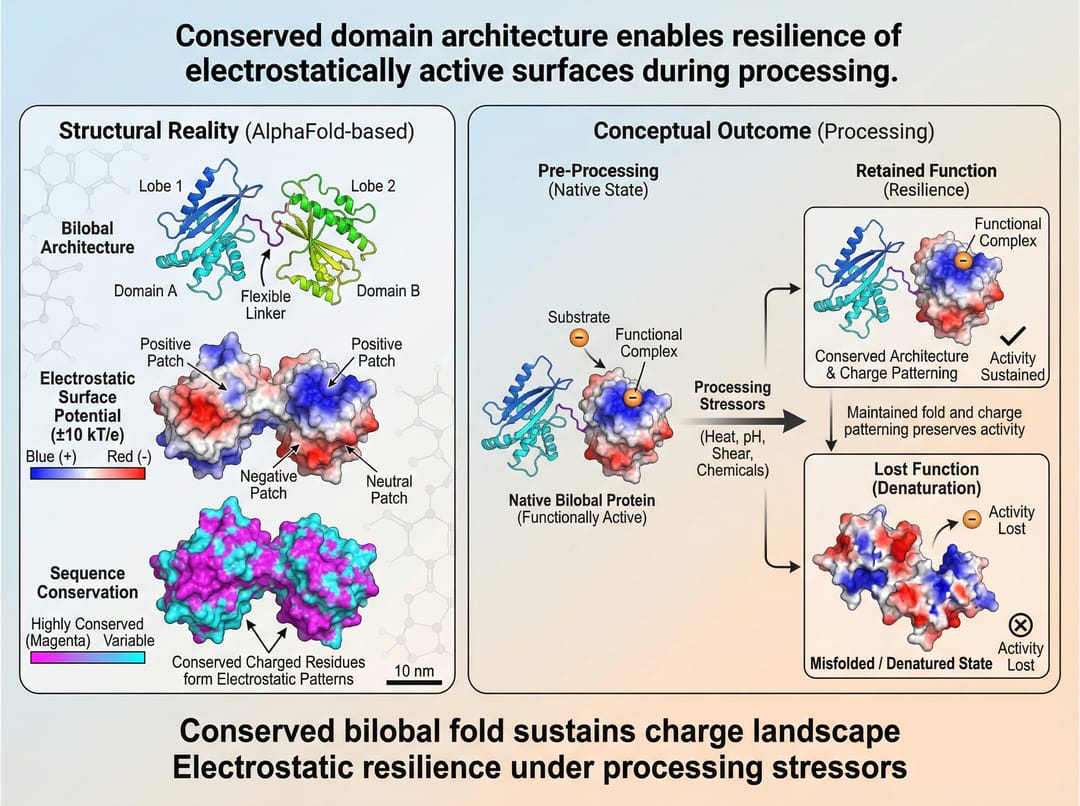
6. 催化材料
6.1 汽车催化
提示词:柴油颗粒氧化催化剂
The image will show a catalyst used in the oxidation of diesel particulate matter,
a very specific application. Create an illustration showing:
- Catalyst support structure (honeycomb monolith)
- Active phase distribution (precious metals, mixed oxides)
- Soot particle interaction with catalyst surface
- Oxidation reaction mechanism
- Temperature and conversion profiles
Include cross-sectional and surface views.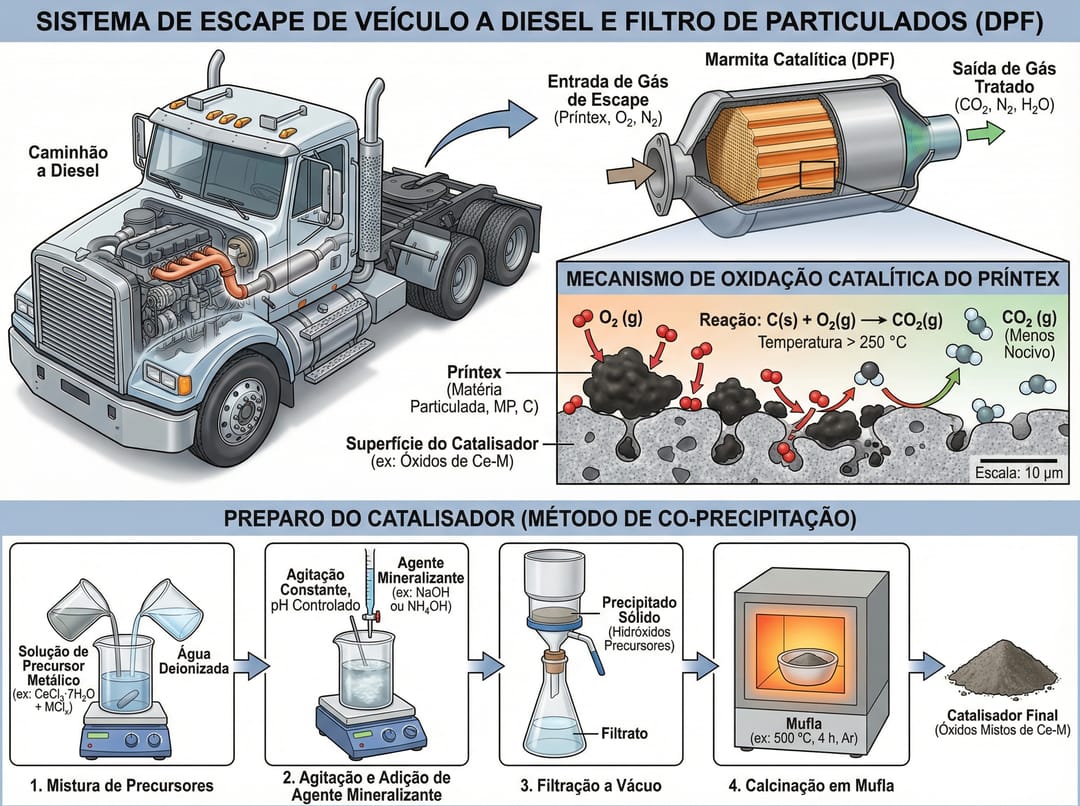
7. 化学图表最佳实践
提示词结构指南
| 图表类型 | 关键要素 |
|---|---|
| 分子结构 | 原子标签、键类型、立体化学、3D 取向 |
| 反应机制 | 箭头规范、中间体、过渡态、反应条件 |
| 仪器示意图 | 组件标签、流路、信号处理 |
| 流程图 | 进料/出料流、单元操作、循环回路 |
化学特定技巧
- 使用 IUPAC 命名法:确保准确性和可重复性。
- 明确立体化学:使用楔形键/虚线键表示 3D 结构。
- 包含反应条件:温度、压力、催化剂、溶剂。
- 标记所有原子:特别是杂原子和官能团。
- 显示电子流:使用弯曲箭头表示机制步骤。
开始创建你的化学图表
尝试在 SciDraw AI 的 AI 插图工具中使用这些提示词:
相关指南:
- 示意图生成器 — AI 创建化学实验示意图