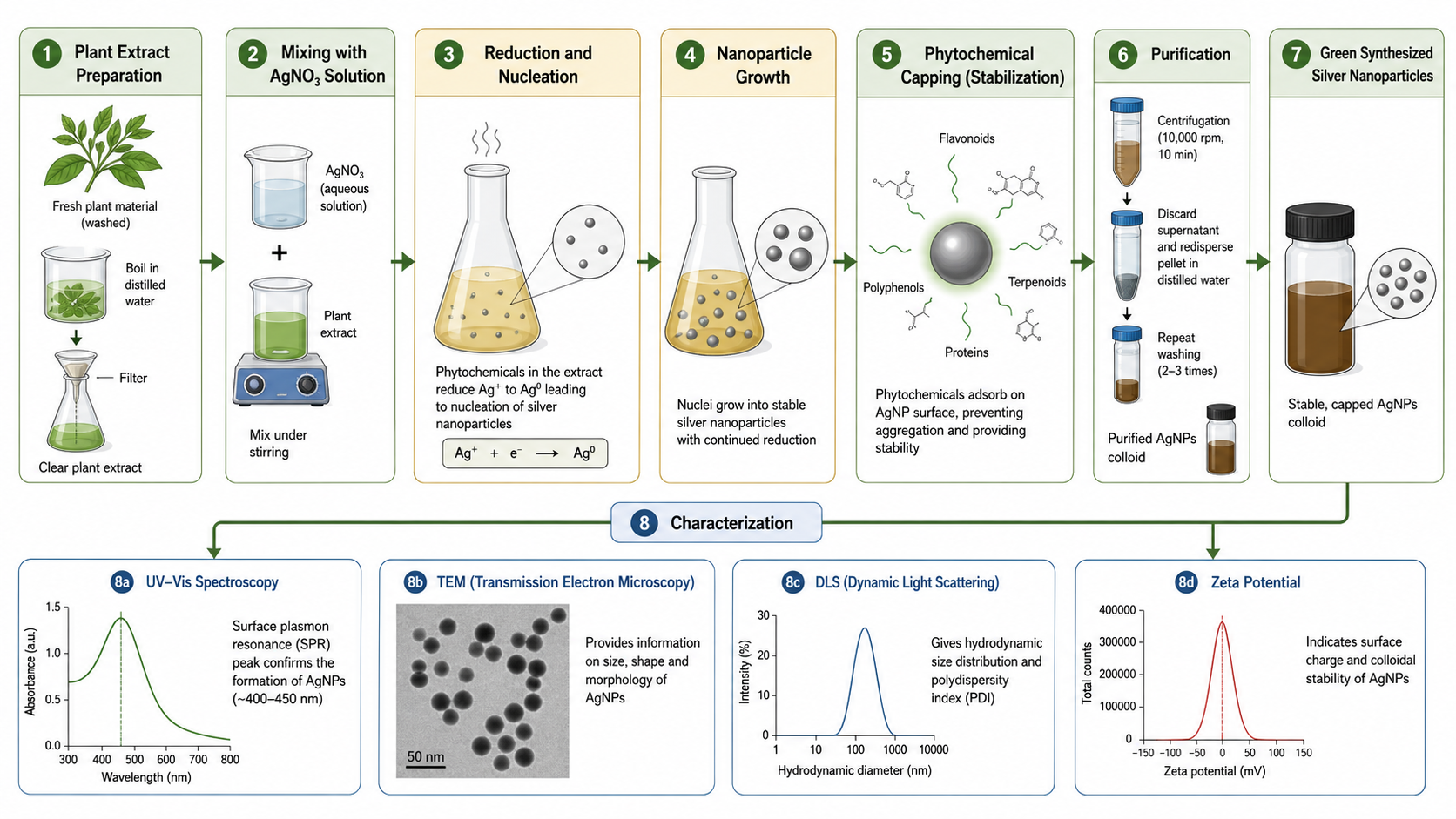
Kostenloser KI-Generator für Nanopartikel-Synthese-Diagramme
Von Forschungsnotizen zur publikationsreifen Abbildung
Der Generator für Nanopartikel-Synthese-Diagramme verwandelt eine Forschungsbeschreibung in eine strukturierte wissenschaftliche Abbildung. Für Präkursoren, Keimbildung, Wachstum, Capping, Oberflächenfunktionalisierung, Reinigung und Charakterisierung werden Labels, Pfeile, Ebenen und Abstände so angelegt, dass die Grafik in Paper, Poster und Folien passt.
Beispiele für Nanopartikel-Synthese-Diagramme
Beginnen Sie mit einem realistischen Forschungsszenario, übernehmen Sie den Prompt oder passen Sie ihn an.
Was Generator für Nanopartikel-Synthese-Diagramme leistet
Der Generator für Nanopartikel-Synthese-Diagramme verwandelt eine Forschungsbeschreibung in eine strukturierte wissenschaftliche Abbildung. Für Präkursoren, Keimbildung, Wachstum, Capping, Oberflächenfunktionalisierung, Reinigung und Charakterisierung werden Labels, Pfeile, Ebenen und Abstände so angelegt, dass die Grafik in Paper, Poster und Folien passt.
Warum Forscher diese Seite nutzen
- Aus Forschungstext schneller einen ersten Abbildungsentwurf erstellen
- Terminologie, Labels und Pfeilrichtungen konsistent halten
- Manuskriptideen früh mit Co-Autoren diskutierbar machen
- Paper, Poster und Lehrmaterial im gleichen visuellen Stil halten
- Eine saubere Grundlage für spätere Detailkorrekturen exportieren
So gelingt ein besseres Ergebnis
Beschreiben Sie zuerst das System und nennen Sie danach Pflicht-Labels, Pfeile, Kompartimente, Schichten oder Geräte. Ergänzen Sie Zielgruppe und gewünschte Detailtiefe, damit der erste Entwurf näher an Paper, Poster oder Lehrfolie liegt.
Was in den Prompt gehört
- Hauptprozess, Mechanismus oder Architektur
- Pflicht-Labels, Abkürzungen und Fachbegriffe
- Flussrichtung, Aktivierung, Hemmung oder Feedback
- Kompartimente, Gewebe, Geräteschichten oder Systemgrenzen
- Ziel: Paper, Antrag, Folie, Poster oder Unterricht
- Stil: Lehrdiagramm, Mechanismusgrafik oder Journalschema
Häufige Fragen
Was kann ich mit diesem Generator erstellen?
Sie können aus einer kurzen Beschreibung einen strukturierten wissenschaftlichen Abbildungsentwurf erstellen. Besonders hilfreich ist das für Mechanismen, Workflows, Architekturen, klinische Schemata und Lehrdiagramme.
Ist das Ergebnis für Paper oder Poster geeignet?
Ja. Die Seite ist auf Forschungskommunikation ausgelegt: lesbare Labels, klare Abstände und exportfreundliche Komposition. Fachliche Richtigkeit und Journalvorgaben prüfen Sie vor der Einreichung.
Wie detailliert sollte der Prompt sein?
Nennen Sie System, Hauptkomponenten, Interaktionen, Pfeilrichtungen und Zielgruppe. Labels, die exakt erscheinen müssen, sollten direkt im Prompt stehen.
Kann ich die Abbildung nach der Generierung bearbeiten?
Ja. Sie können mit einem präziseren Prompt neu generieren oder das Ergebnis in Ihren üblichen Abbildungsworkflow übernehmen und dort weiterbearbeiten.
Ersetzt SciDraw AI die fachliche Prüfung?
Nein. SciDraw AI beschleunigt den Entwurf. Mechanismen, klinische Aussagen, Abkürzungen und Journalanforderungen bleiben Verantwortung der Autoren.
Kann ich Text aus dem Manuskript einfügen?
Ja. Fügen Sie Abstract, Methoden- oder Ergebniszusammenfassung ein und sagen Sie, ob daraus ein Workflow, eine Mechanismusgrafik, ein Graphical Abstract oder eine mehrteilige Figure werden soll.
Weitere Tools entdecken
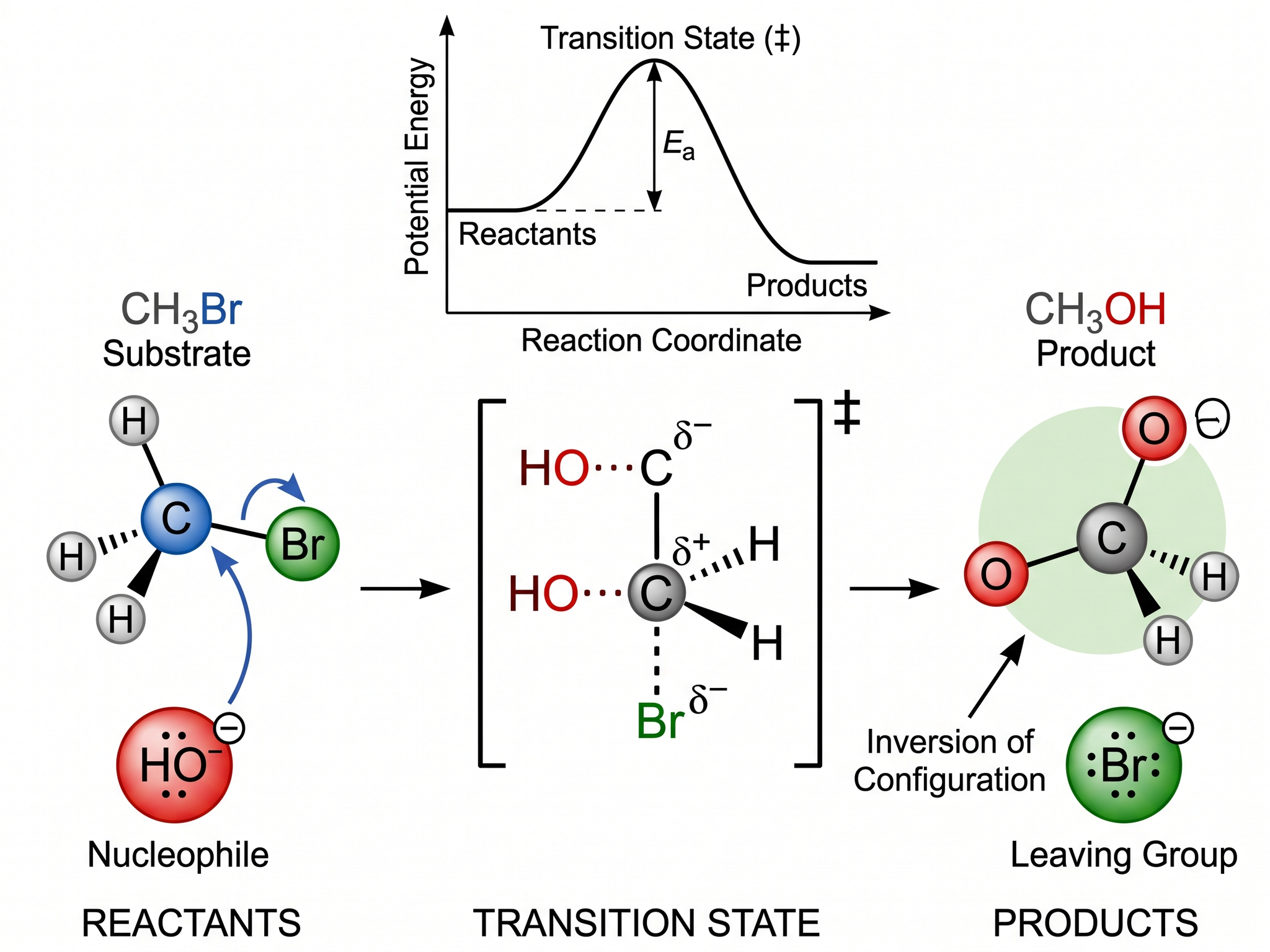
Chemie-Diagramm-Generator
Erstellen Sie Reaktionsschemata, TOC-Grafiken und molekulare Visualisierungen
Kostenlos testen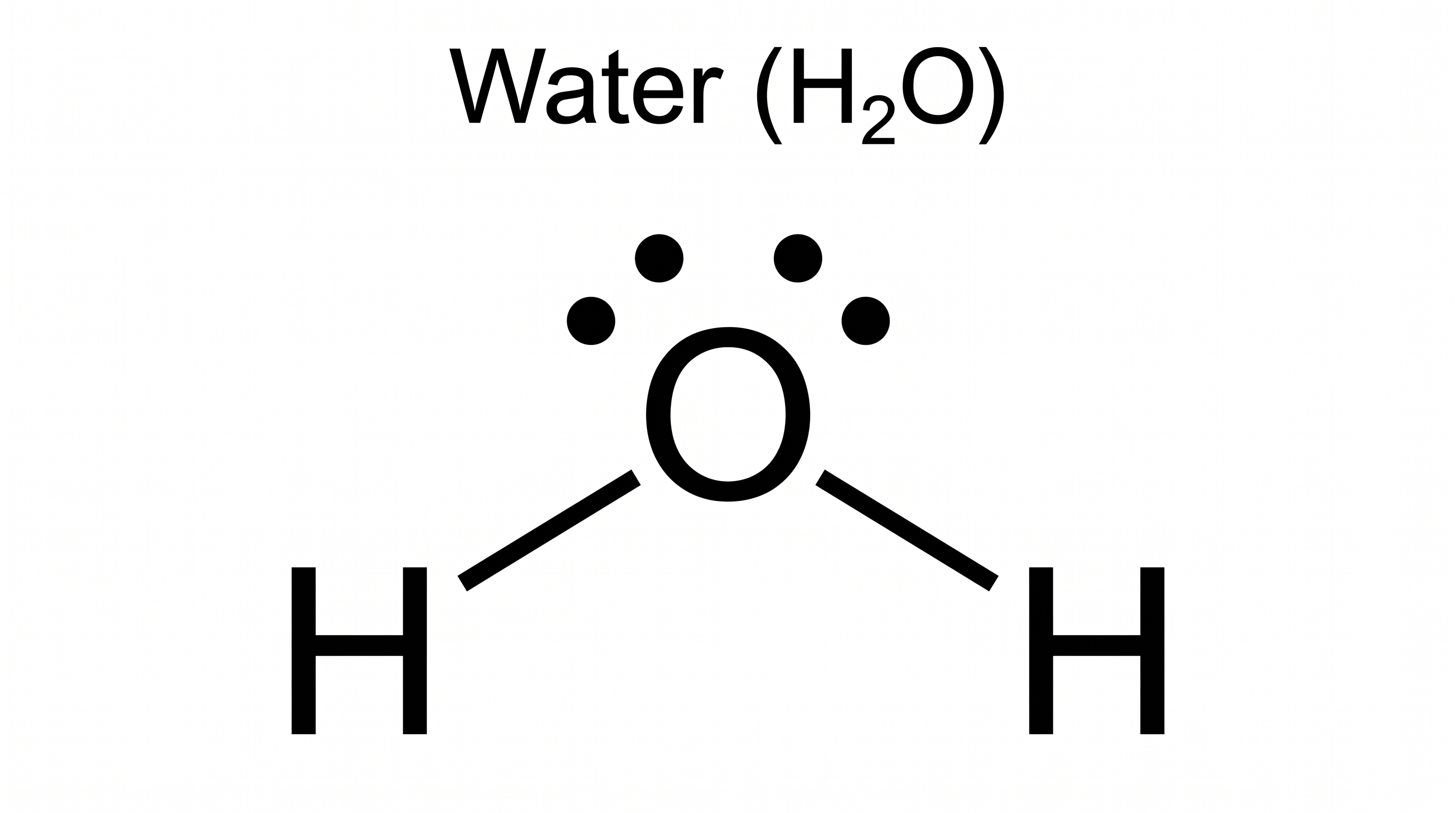
Lewis-Formel-Generator
Elektronenpunktdiagramme für beliebige Moleküle oder Ionen sofort zeichnen.
Kostenlos testen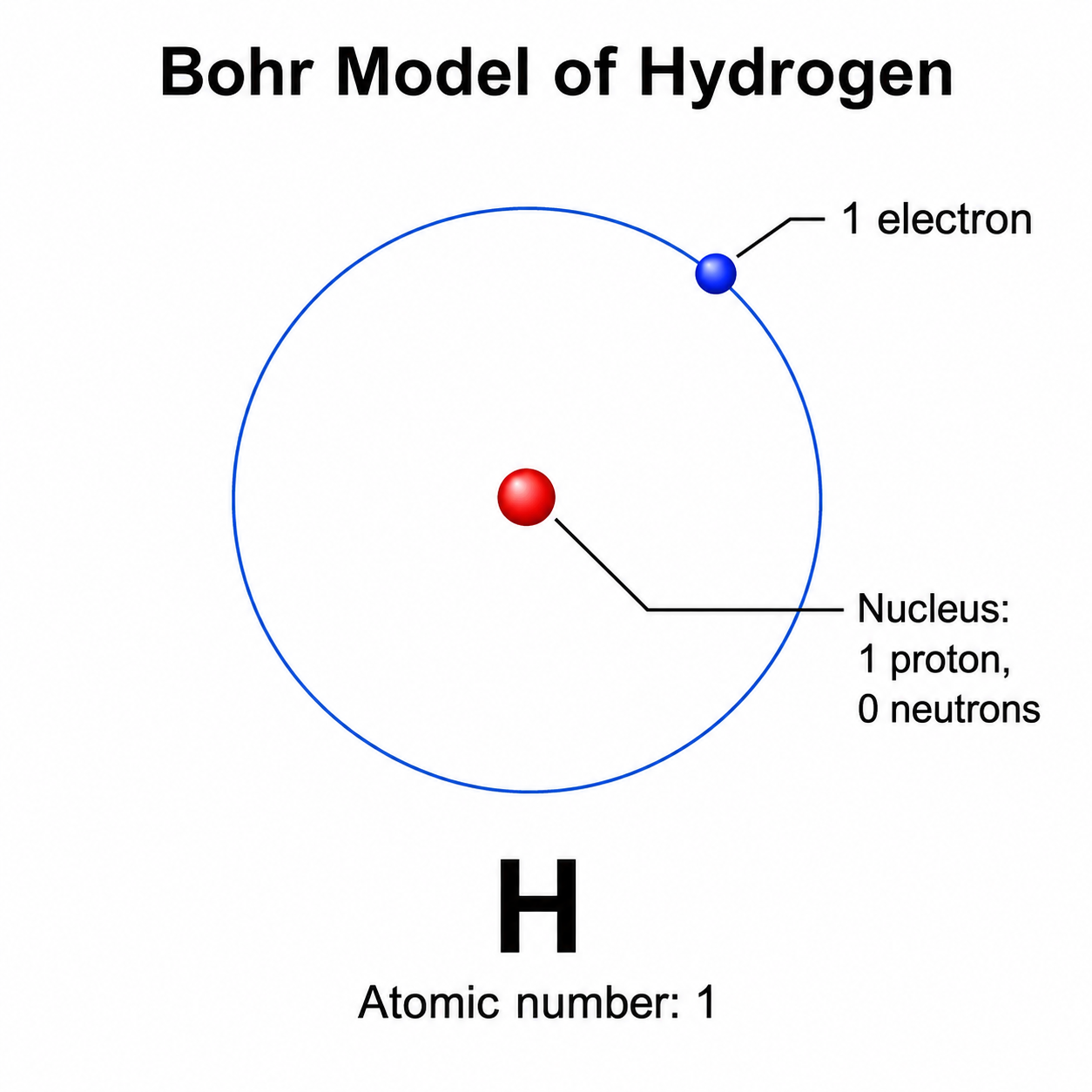
Bohr-Modell-Ersteller
Zeichnen Sie übersichtliche, beschriftete Bohr-Diagramme mit Kern und Elektronenschalen aus einem Text-Prompt.
Kostenlos testenErstellen Sie jetzt Ihr Nanopartikel-Synthese-Diagramm
Beschreiben Sie Ihr Thema und erhalten Sie einen sauberen, editierbaren Abbildungsentwurf für Paper, Folien oder Unterricht.