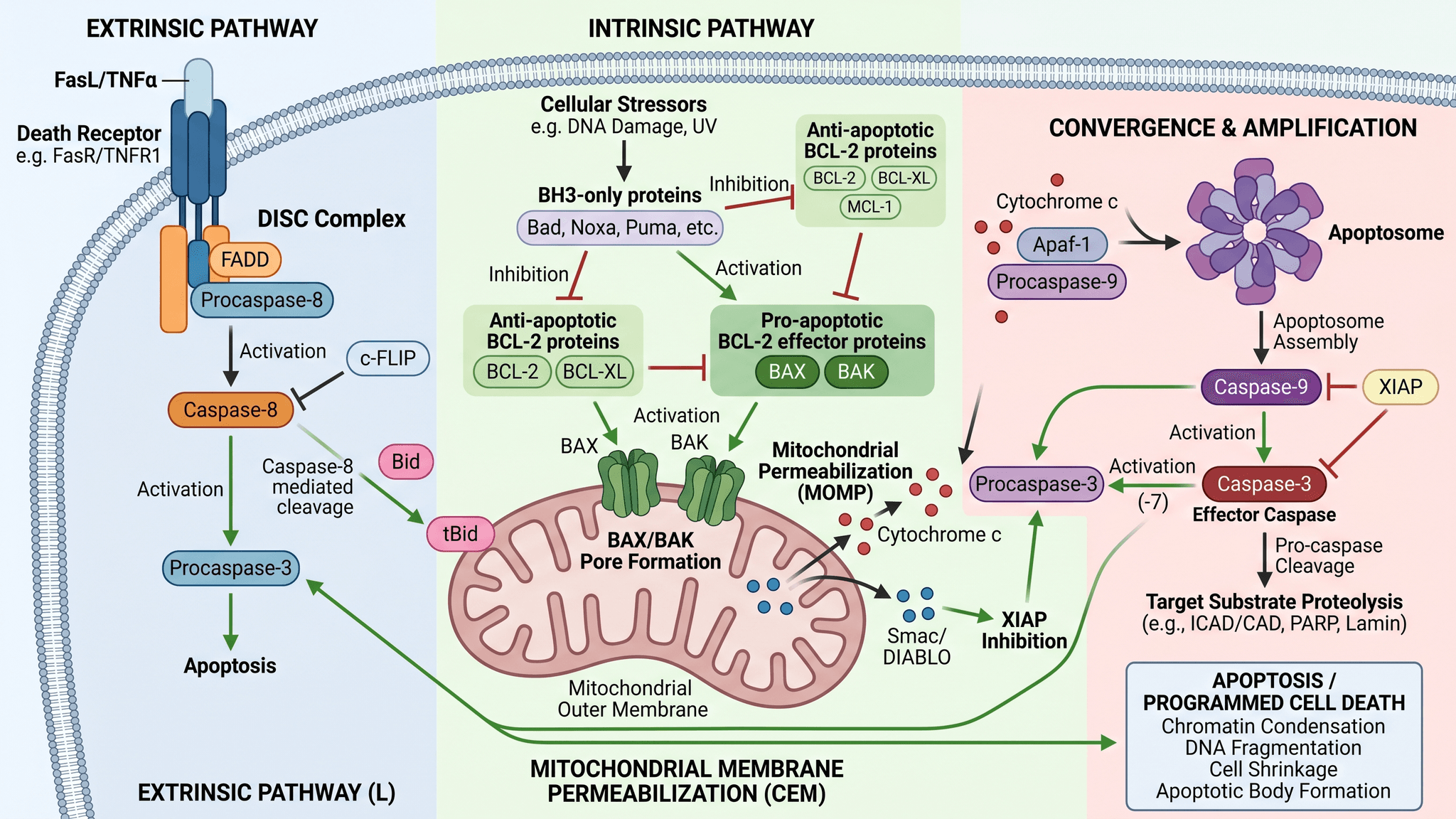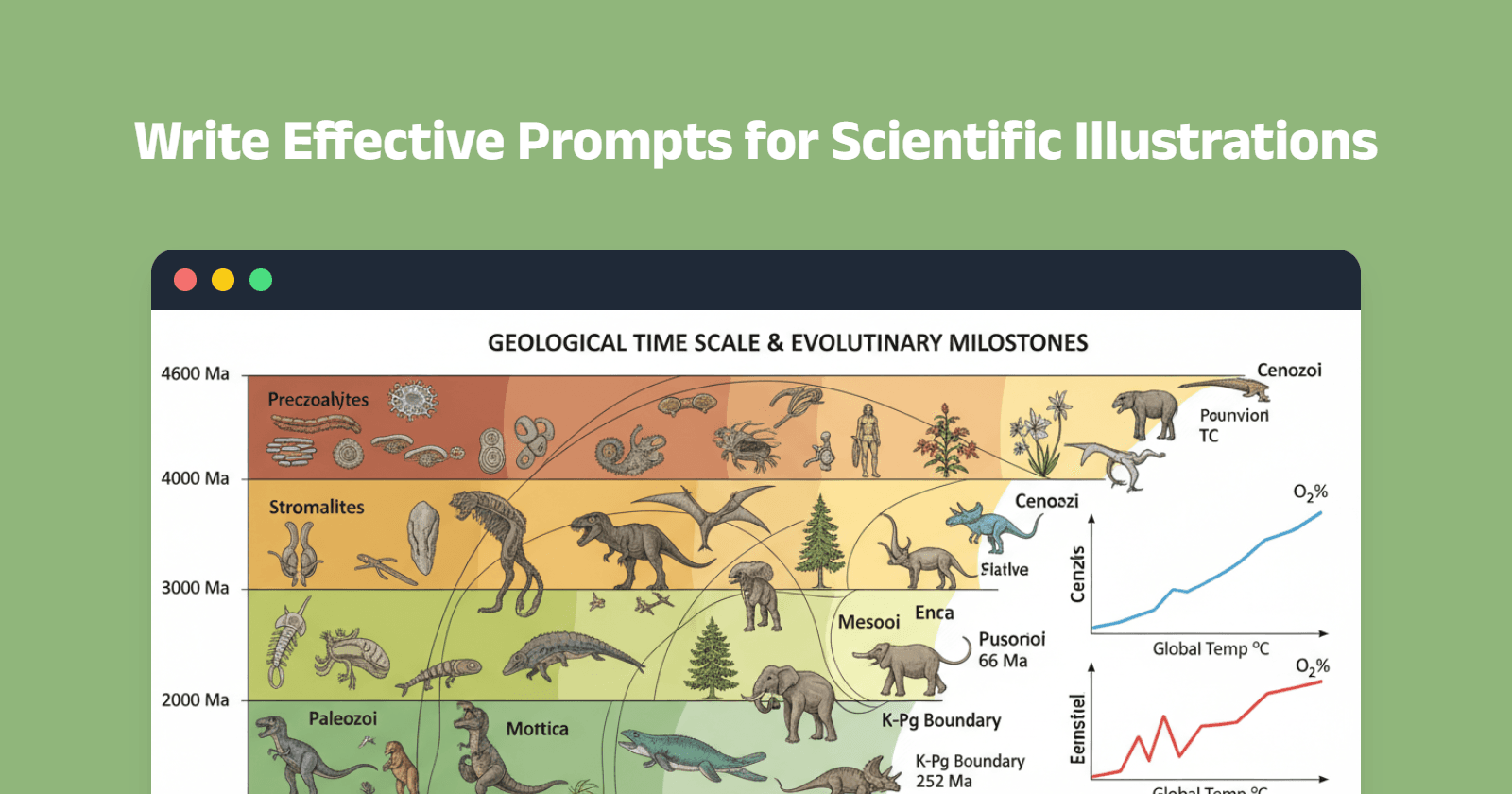
AI 기반 과학 일러스트레이션 시대에는 결과물의 품질이 입력(prompt)의 품질에 완전히 좌우된다. 잘 다듬어진 프롬프트 하나면 출판 가능한 그림과 흔한 쓸모 없는 이미지의 차이를 만들 수 있다.
수많은 테스트와 최적화를 거쳐 Nature, Science, Cell 같은 저널에 걸맞은 고품질 과학 일러스트를 안정적으로 뽑아내는 8가지 핵심 원칙을 확립했다. 이 가이드는 전문 학술 도표를 생성하는 프롬프트를 “정확히” 어떻게 써야 하는지 단계별로 알려준다.
좋은 프롬프트가 중요한 이유
과학 일러스트의 “평범함”과 “탁월함”은 프롬프트의 구체성 하나로 갈린다. “세포 도표 만들어줘” 같은 흔한 프롬프트는 흔한 결과만 낳는다. 명확한 파라미터·라벨·맥락이 담긴 구체적 프롬프트야말로 출판 품질의 도표를 만든다.
이 글에서 배울 것:
- 검증된 8가지 AI 프롬프트 작성 원칙
- 실제 사례와 완전 템플릿
- 자주 범하는 실수
- 프롬프트 품질을 위한 빠른 체크리스트
AI 과학 일러스트를 바꿔 놓을 원칙들로 들어가 보자.
원칙 1: 정확한 화면 비율 지정
중요한 이유: 출판 형식마다 요구하는 이미지 크기가 다르다. 저널 커버는 세로(3:4), TOC 그래픽은 가로(4:3), 도표 패널은 16:9가 이상적이다.
적용 방법: 프롬프트에 aspect-[가로/세로] 형식이나 구체적인 해상도를 항상 포함한다.
예시 프롬프트:
Multi-panel statistical analysis figure for clinical trial, 4:3 landscape format,
2×2 grid layout showing "A. Kaplan-Meier Survival Curve", "B. Forest Plot Meta-Analysis",
"C. Violin Plot Biomarkers", "D. ROC Curve AUC=0.89", sample size "n=324" labeled,
confidence intervals "95% CI" visible, p-values "*p<0.05, **p<0.01, ***p<0.001" annotated,
color-coded groups "Treatment vs Control", professional medical journal figure style,
clean white background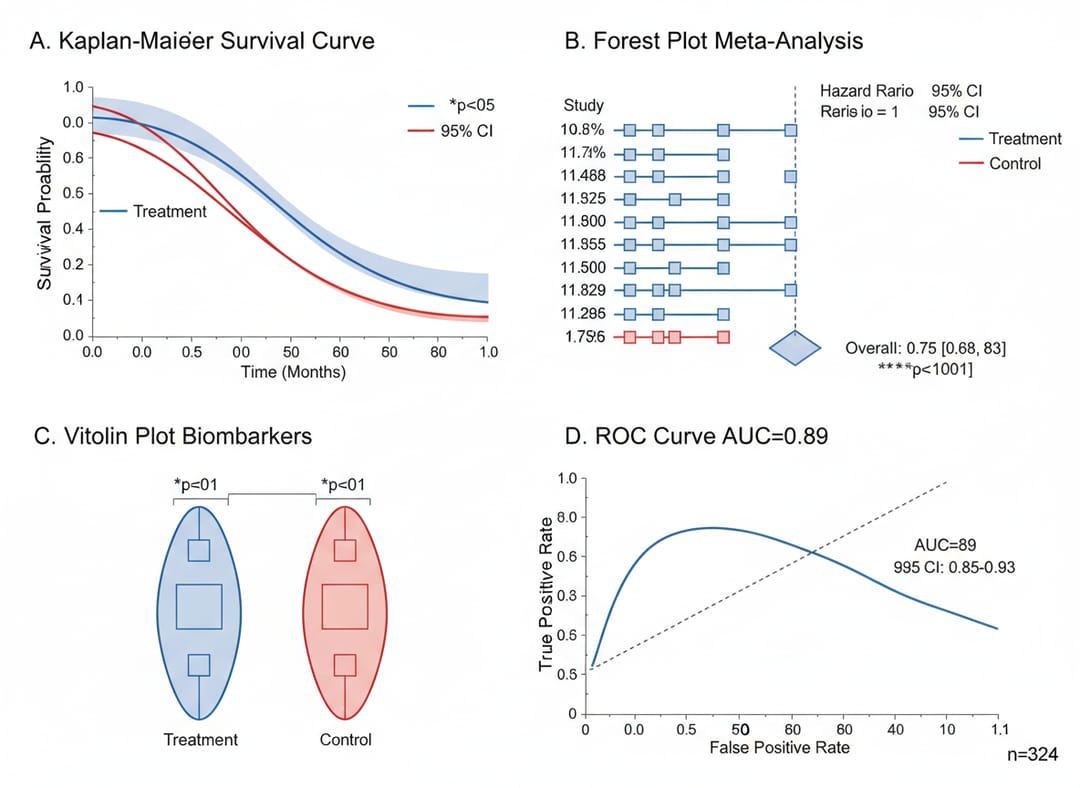
핵심: 가로 도표는 4:3, 저널 커버는 3:4 또는 9:16, 넓은 발표용은 16:9로 명시한다.
원칙 2: 콘텐츠가 프레임 가득 채우도록
중요한 이유: 빈 공간은 귀중한 도표 공간을 낭비한다. 학술지는 정보 밀도가 높고, 명확성을 유지하면서 콘텐츠를 최대화한 도표를 선호한다.
적용 방법: “filling entire frame”, “no empty space”, “edge-to-edge”, “dense layout”, “comprehensive” 같은 키워드를 넣는다.
예시 프롬프트:
Comprehensive metabolic pathway network diagram, 4:3 landscape, dense interconnected
pathways filling entire frame, glycolysis pathway left side labeled "Glucose→Pyruvate,
ATP+2, NADH+2", TCA cycle center with "Citric Acid Cycle, 8 steps", electron transport
chain right showing "Complex I-IV, ATP Synthase", amino acid metabolism branches,
lipid pathways connected, enzyme names labeled "Hexokinase, Phosphofructokinase,
Citrate Synthase", metabolite structures shown, energy values "ΔG°" marked, color-coded
pathways (blue=carbohydrate, red=lipid, green=protein), no empty space, biochemistry
textbook style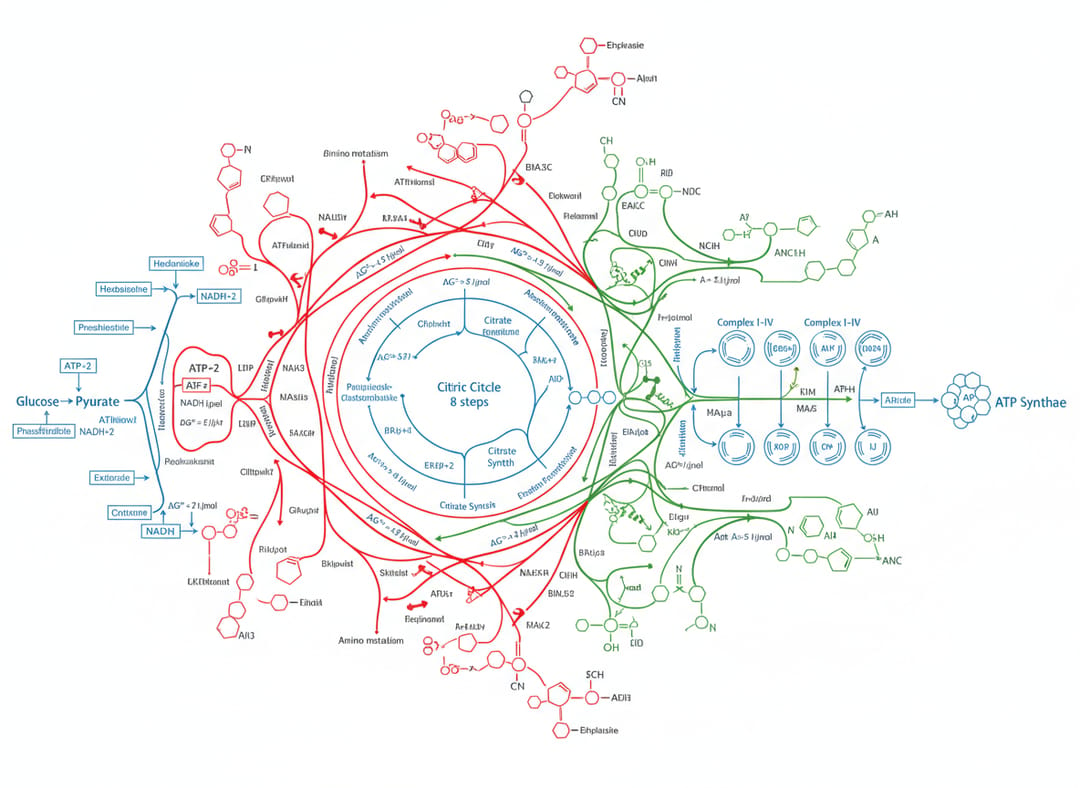
핵심: 이미지 전 영역에 콘텐츠를 묘사해 넓은 여백을 피한다.
원칙 3: 구체적인 영어 학술 라벨 사용
중요한 이유: “protein A”나 “molecule” 같은 막연한 라벨은 신뢰도를 떨어뜨린다. 정확한 단위를 포함한 실제 과학 용어가 도표를 출판 가능하게 만든다.
적용 방법: 이름·측정값·단위·통계 기호를 영어로 포함한다. μm, kDa, mM, °C 등 표준 약어를 쓴다.
예시 프롬프트:
Plant cell cross-section illustration, 4:3 horizontal composition, detailed organelles
with English labels "Chloroplast", "Mitochondria", "Cell Wall", "Nucleus", "Vacuole",
"Endoplasmic Reticulum", "Golgi Apparatus", cutaway view showing internal structures,
magnification "×15,000" noted, scale bar "5 μm", biology textbook style with clear
colors (green chloroplasts, purple nucleus), educational scientific illustration,
high detail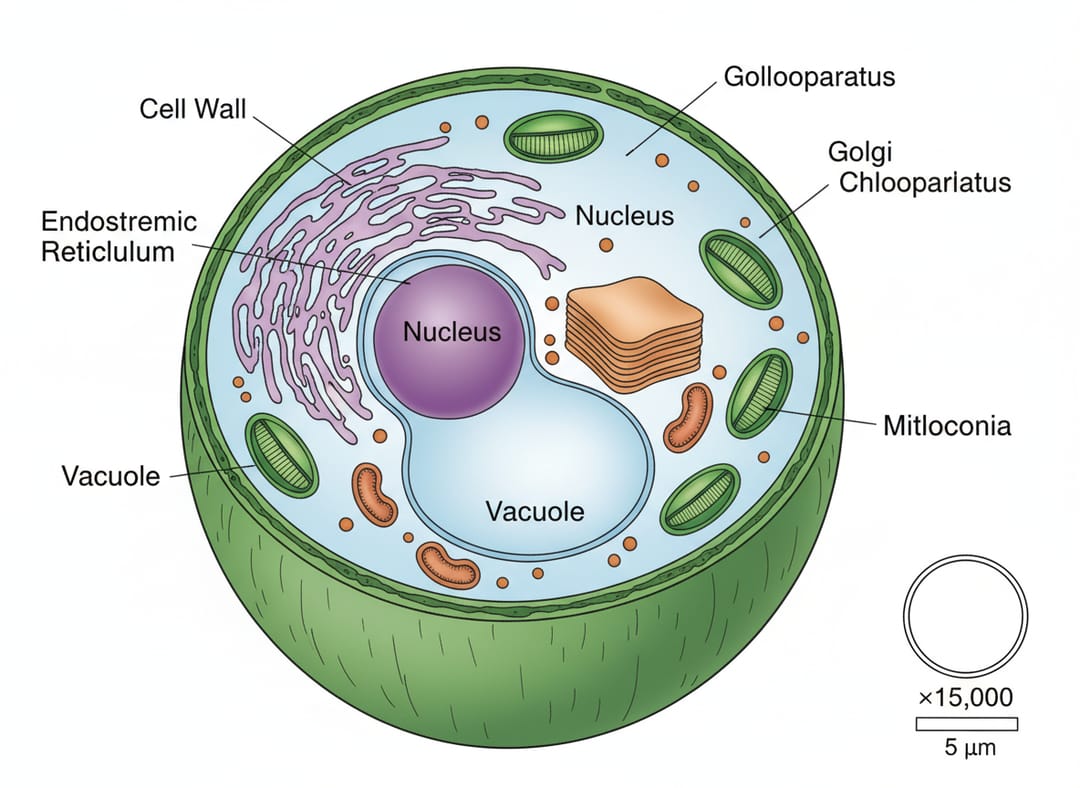
핵심: “작음” 대신 정확한 측정값(50 μm), “유의” 대신 p<0.001 등 정확한 수치와 명명법을 쓴다.
원칙 4: 명확한 적용 시나리오 정의
중요한 이유: 발표 맥락마다 요구하는 시각적 스타일이 다르다. Nature 커버는 예술적 감각을, 방법론 도표는 기술적 명확성을 요구한다.
적용 방법: “Nature journal cover”, “TOC graphical abstract”, “experimental workflow diagram”, “supplementary figure” 등 용도를 명시한다.
예시 프롬프트:
Nature journal cover design showing cancer immunotherapy mechanism, T-cell attacking
tumor cell in center, glowing CAR-T receptor labeled "CAR-T Cell", tumor antigens
marked "CD19", cytokines arrows labeled "IL-2, IFN-γ", deep blue medical background,
professional scientific illustration, labels in white sans-serif font,
"Volume 625 | Issue 7993" text, ultra-detailed, Nature magazine style, 3:4 portrait format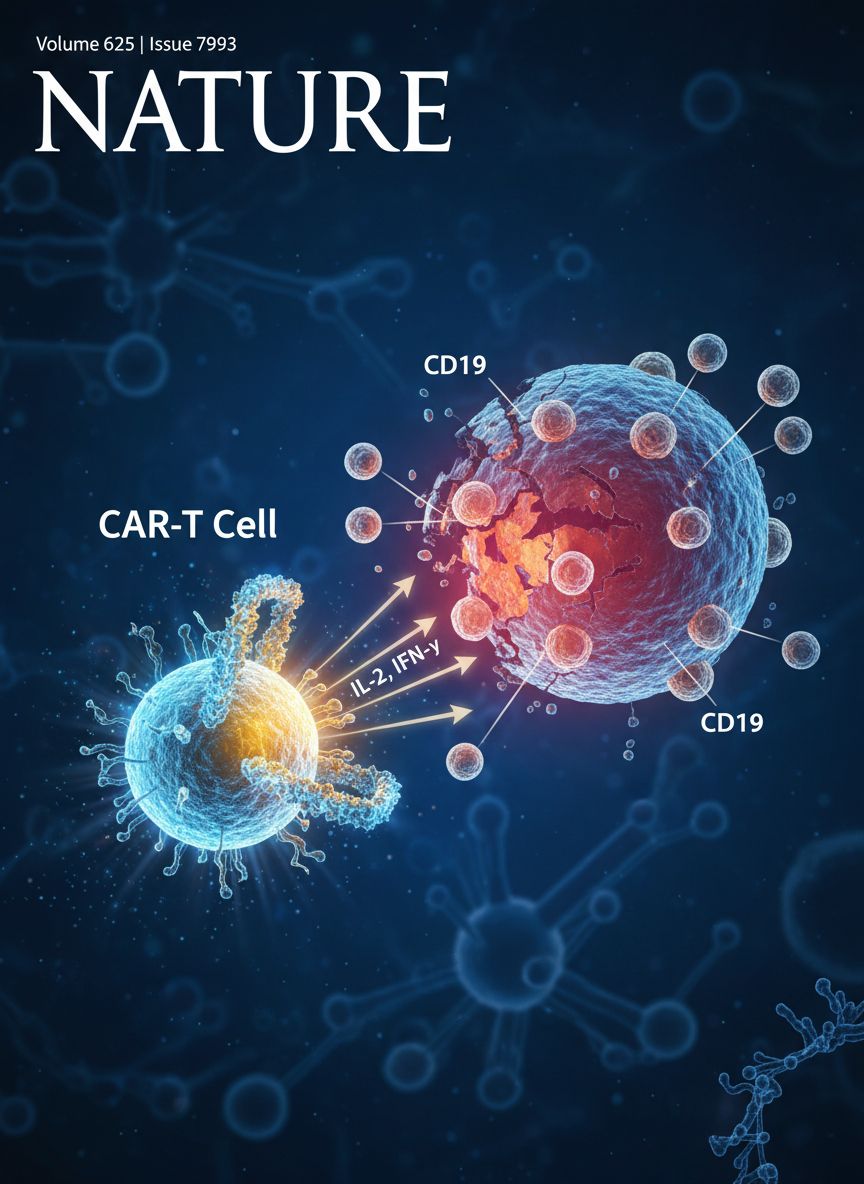
핵심: 대상 출판 형식에 맞춘다—커버는 예술적, 방법론은 기술적, TOC는 개념적 스타일로.
원칙 5: 학술 명명법 표준 준수
중요한 이유: 정확한 과학 용어는 엄밀성을 보여주며 심사자와 독자가 도표를 즉시 이해할 수 있게 한다.
적용 방법: 적절한 유전자명(기울임 TP53), 단백질 명명법(CD8+, HSP70), 화학식(H₂O, CO₂), 표준 약어를 사용한다.
예시 프롬프트:
CRISPR-Cas9 workflow diagram with 4 sequential steps connected by arrows, labeled
"1. sgRNA Design", "2. Plasmid Construction", "3. Cell Transfection", "4. Genotype
Verification", each step shows detailed illustration, gene names "TP53, BRCA1, KRAS"
visible, timeline "Day 0, 7, 14, 21" marked, icons for lab equipment, modern flat
design with blue-purple gradient, annotations in Arial font, 4:3 landscape format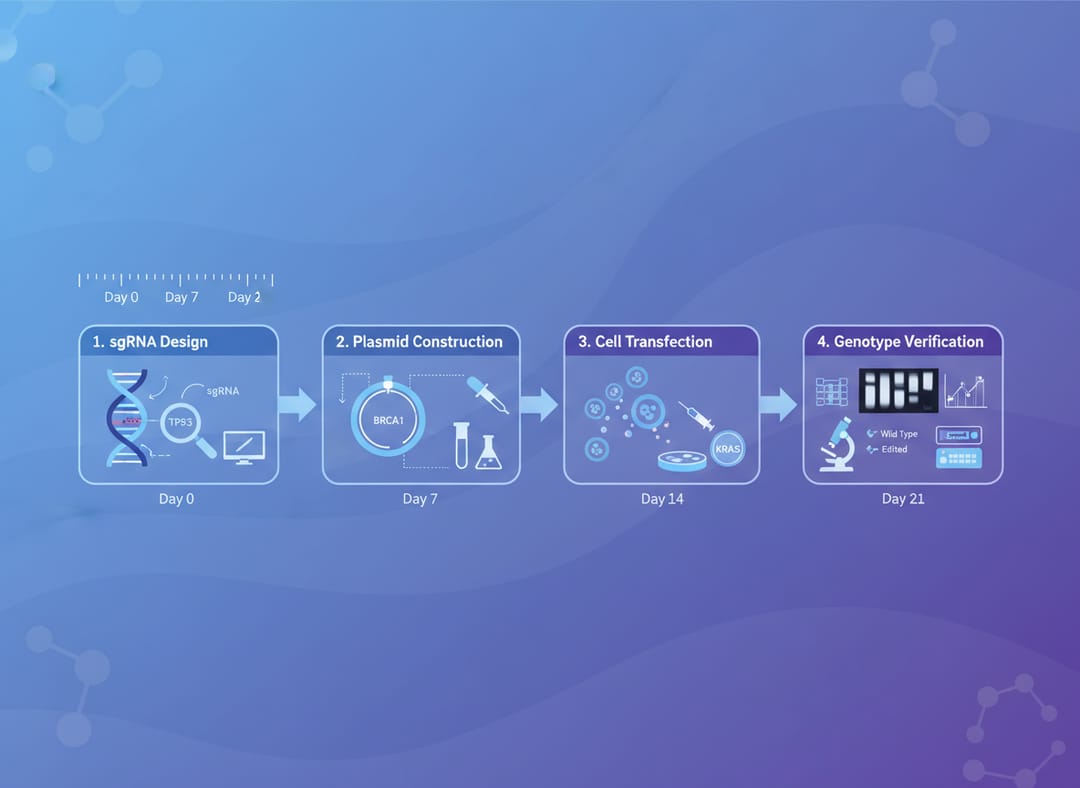
핵심: 해당 분야의 정확한 용어를 조사해 프롬프트 전체에 일관되게 사용한다.
원칙 6: 다층 정보 설계
중요한 이유: 우수한 과학 도표는 구조 도해·정량 데이터·주석·강조 효과를 하나의 일관된 이미지로 결합한다.
적용 방법: 주 도해 + 데이터 곡선 + 라벨 + 범례 + 삽입 도해 등 정보 유형을 겹쳐 명시적으로 묘사한다.
예시 프롬프트:
Cardiac electrophysiology and ECG correlation, 4:3 horizontal layout, left side detailed
heart anatomy with conduction system labeled "SA Node, AV Node, Bundle of His, Purkinje
Fibers", action potential phases shown "Phase 0-4, Na+/K+/Ca2+ channels", center ECG
trace with labeled waves "P wave (atrial depolarization), QRS complex (ventricular
depolarization), T wave (repolarization)", timing intervals "PR 120-200ms, QT 350-440ms",
right side pathological ECGs "Atrial Fibrillation, Ventricular Tachycardia, STEMI",
ion concentrations noted, complete cardiology reference diagram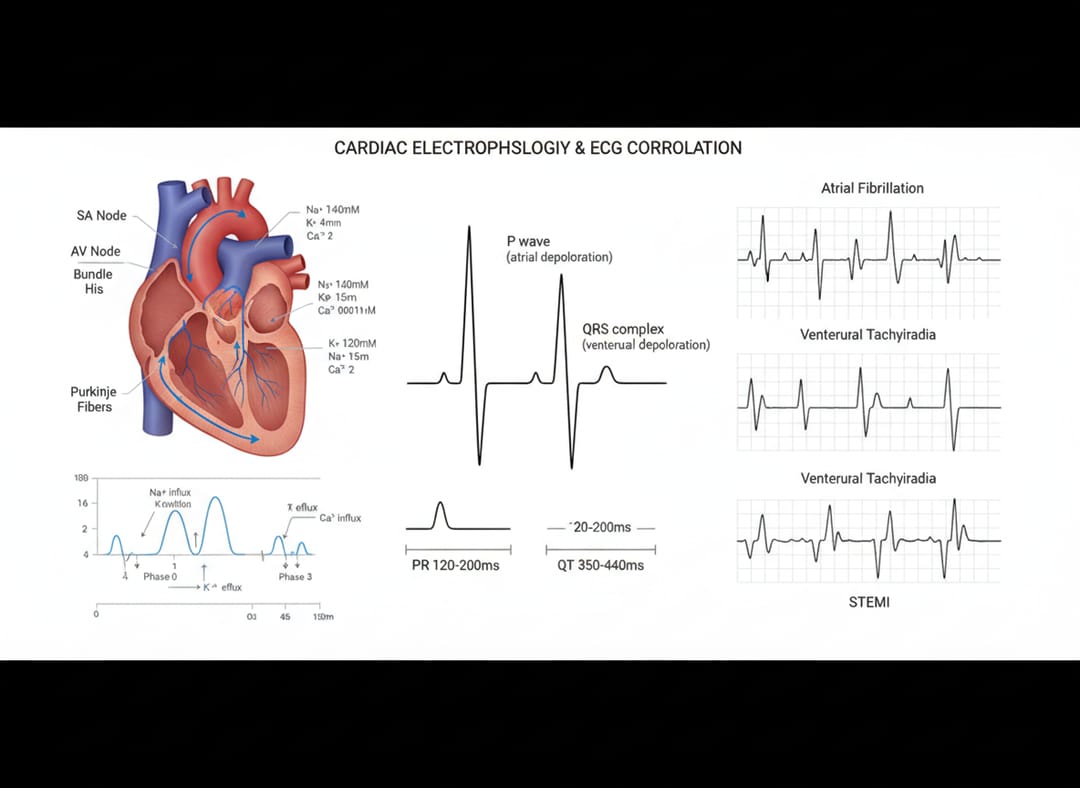
핵심: 구조 정보·정량 데이터·라벨·가이드를 하나의 종합 도표로 결합한다.
원칙 7: 전략적 색상 코딩
중요한 이유: 색상은 과학 도표에서 강력한 시각적 구성 도구다. 독자가 관계와 범주를 빠르게 파악하도록 돕는다.
적용 방법: 경로·그룹·조건·데이터 유형별 색상 할당을 명시적으로 정의한다.
예시 프롬프트:
RNA splicing mechanism and spliceosome assembly, 4:3 horizontal format, pre-mRNA
structure top with exons/introns labeled "Exon 1-2-3, Intron 1-2", splice sites
marked "5' Splice Site GU, 3' Splice Site AG, Branch Point A", spliceosome components
U1/U2/U4/U5/U6 snRNPs color-coded (U1=red, U2=blue, U4/U6=green, U5=yellow) and
positioned, stepwise assembly stages E→A→B→C complexes shown, lariat intermediate
structure illustrated, catalytic reactions "Transesterification Step 1 & 2", mature
mRNA product bottom, alternative splicing variants displayed, regulatory proteins
SR/hnRNP marked, comprehensive molecular biology diagram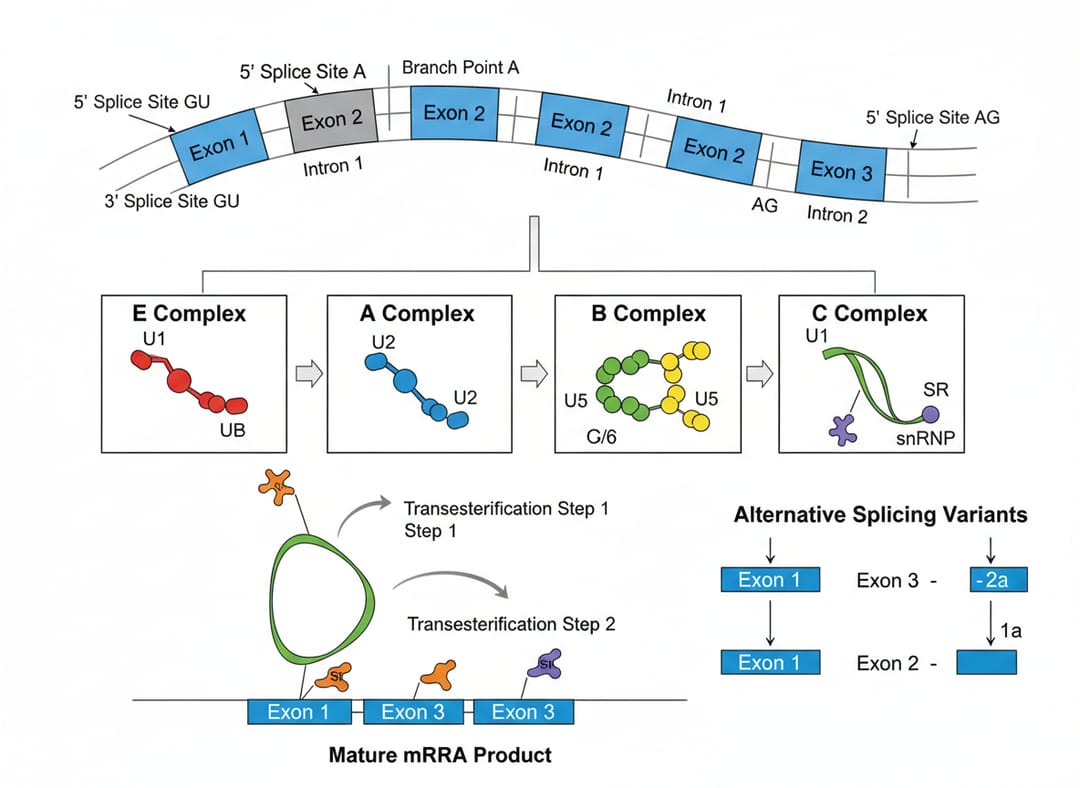
핵심: 색상 구성을 먼저 정하고 일관되게 적용(예: “blue=glycolysis, red=lipid metabolism, green=protein synthesis”).
원칙 8: 막연한 일반적 묘사 피하기
중요한 이유: “scientific diagram”이나 “molecular structure” 같은 표현은 너무 광범위하다. AI는 정확하고 출판 가능한 결과를 만들기 위해 구체적 세부사항이 필요하다.
적용 방법: 일반어를 정확한 사양으로 대체. “protein” 대신 “spike protein trimer with RBD domain”, “process” 대신 각 단계를 명시.
나쁜 예: “Create a scientific figure about immune response”
좋은 예:
Bacterial infection and immune response panorama, 4:3 aspect ratio, complete scene
from left to right: pathogen entry through epithelium labeled "Bacterial Invasion,
Streptococcus", innate immunity activation showing "Macrophages, Neutrophils, NK cells",
cytokine storm with molecules "IL-1β, IL-6, TNF-α, IFN-γ", adaptive immunity right
side "B-cells producing IgG/IgM, T-cells CD4+/CD8+", antibody-antigen binding
illustrated, complement cascade "C3a, C5a", memory cell formation labeled, timeline
"0h→24h→72h→7days", every inch filled with cellular and molecular details, immunology
journal quality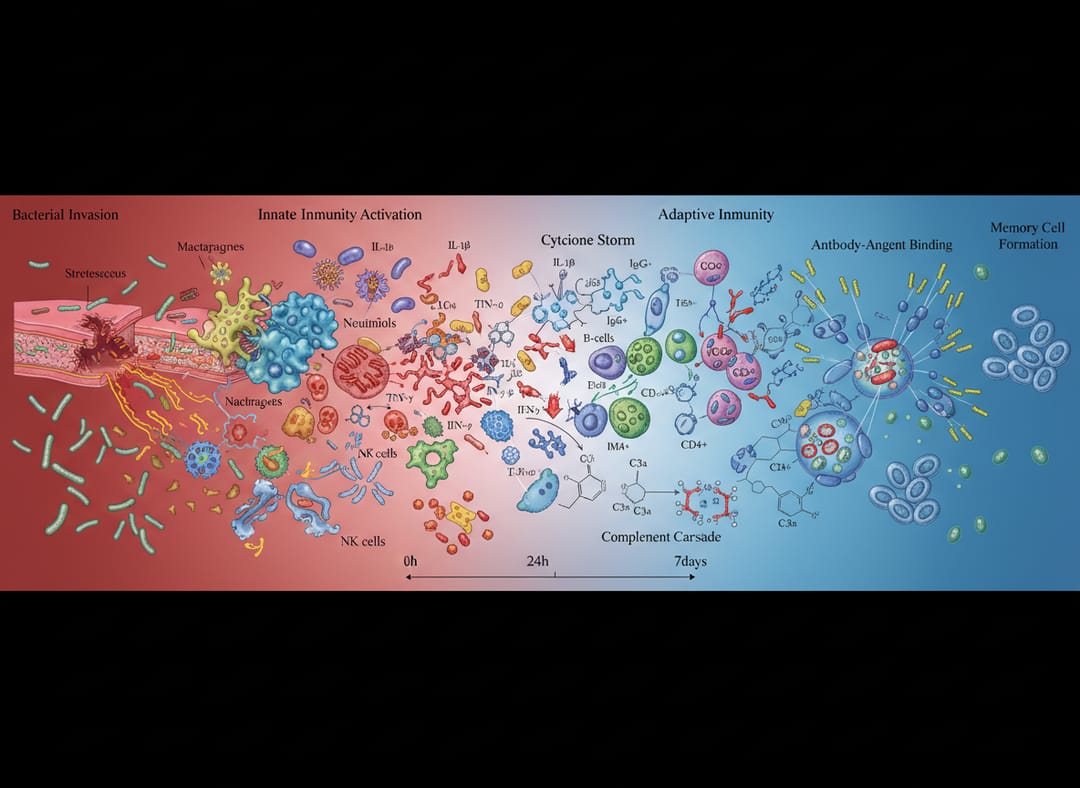
핵심: 철저히 구체적으로. 모든 요소 이름·관계·파라미터를 지정한다.
빠른 품질 체크리스트
프롬프트 제출 전 확인:
- 화면 비율 지정됨 (4:3, 3:4, 16:9 등)
- 콘텐츠가 프레임 가득 (큰 빈 공간 없음)
- 영어 라벨 포함 적절한 단위와 함께
- 용도 명시됨 (journal cover, TOC, figure panel)
- 정확한 명명법 (유전자명, 단백질, 화학식)
- 다층 정보 (구조 + 데이터 + 라벨)
- 색상 구성 정의됨 (색 사용 시)
- 구체적 세부사항 (“molecule A”나 “generic structure” 없음)
- 품질 키워드 (professional, high-detail, publication-ready)
- 목표 해상도 (4K, 8K, ultra-detailed 등)
과학 일러스트 제작 시작하기
SciDraw AI로 원칙을 적용하세요: