Getting your research featured on a journal cover is one of the highest honors in academic publishing. A cover image not only increases your paper's visibility but also serves as a lasting symbol of your scientific achievement.
This guide will teach you how to create compelling journal cover art using AI tools, dramatically improving your chances of cover selection.
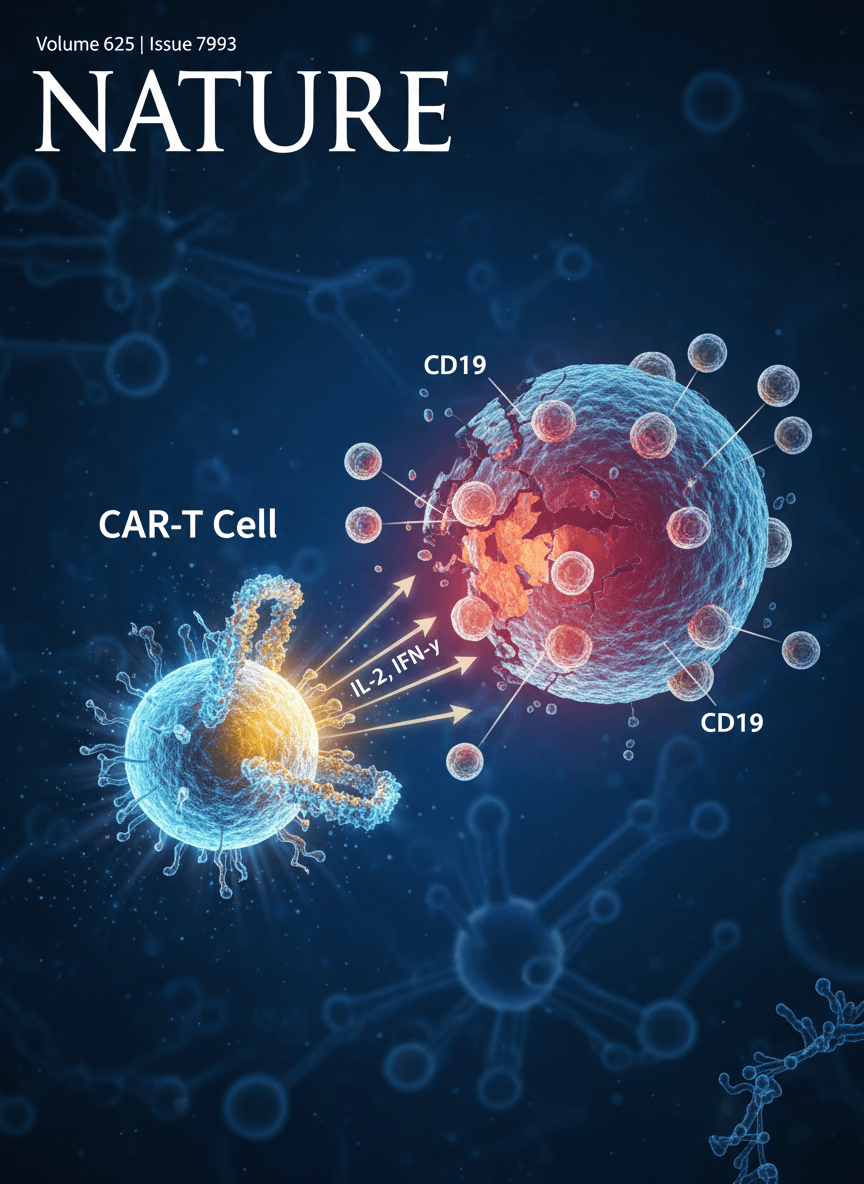
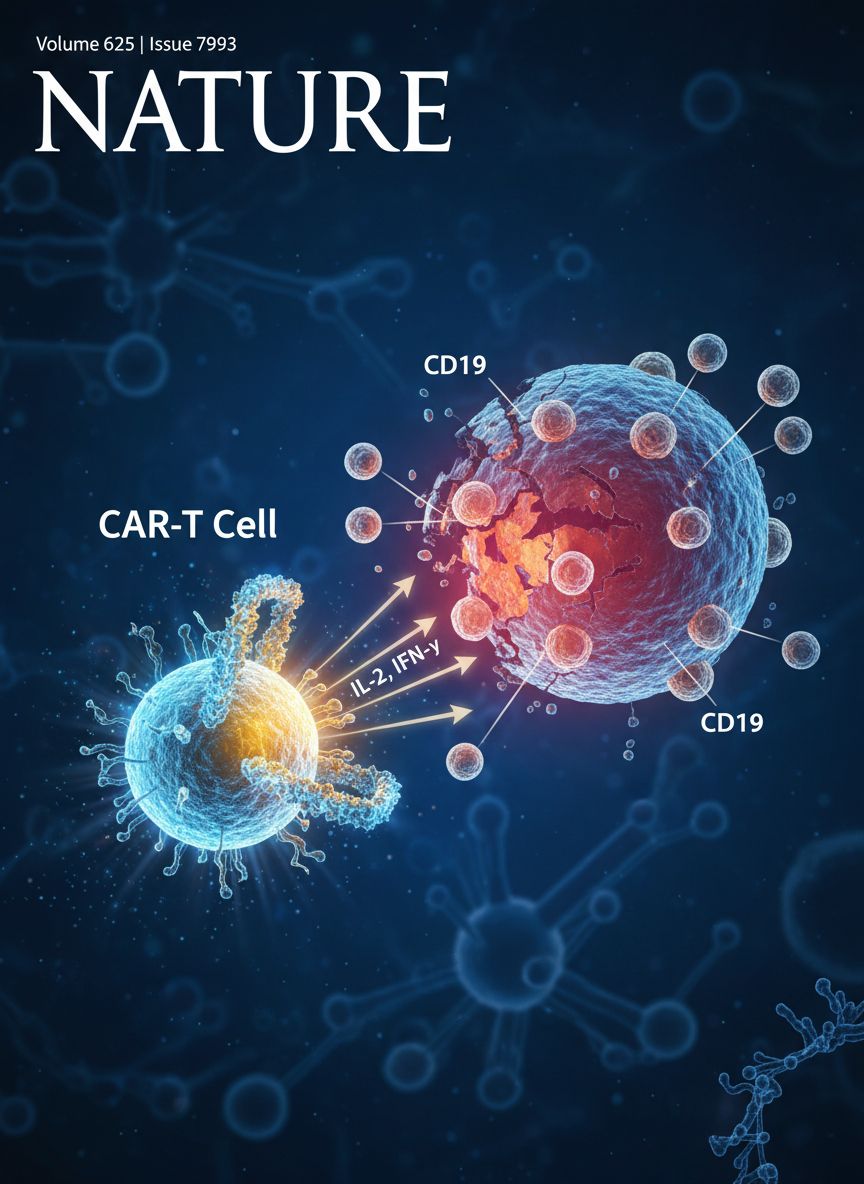 Example of Nature-style journal cover art
Why Journal Covers Matter
A journal cover feature provides:
- Maximum visibility: Your research becomes the face of that issue
- Career recognition: A prestigious achievement for CVs and portfolios
- Citation boost: Cover articles receive significantly more citations
- Media attention: Covers often attract press coverage
- Lasting impact: The image becomes permanently associated with your work
Cover Selection Statistics
Most high-impact journals receive 50-100 cover submissions per issue but only feature 1-2. Understanding what editors look for can dramatically improve your chances.
What Editors Look For
Journal cover art must balance several requirements:
1. Scientific Accuracy
The image must accurately represent your research without misleading viewers.
2. Visual Impact
Covers must catch attention in both print and digital formats.
3. Aesthetic Quality
Professional design that matches the journal's visual standards.
4. Storytelling
The best covers tell your research story at a glance.
5. Technical Specifications
Meeting exact size, resolution, and format requirements.
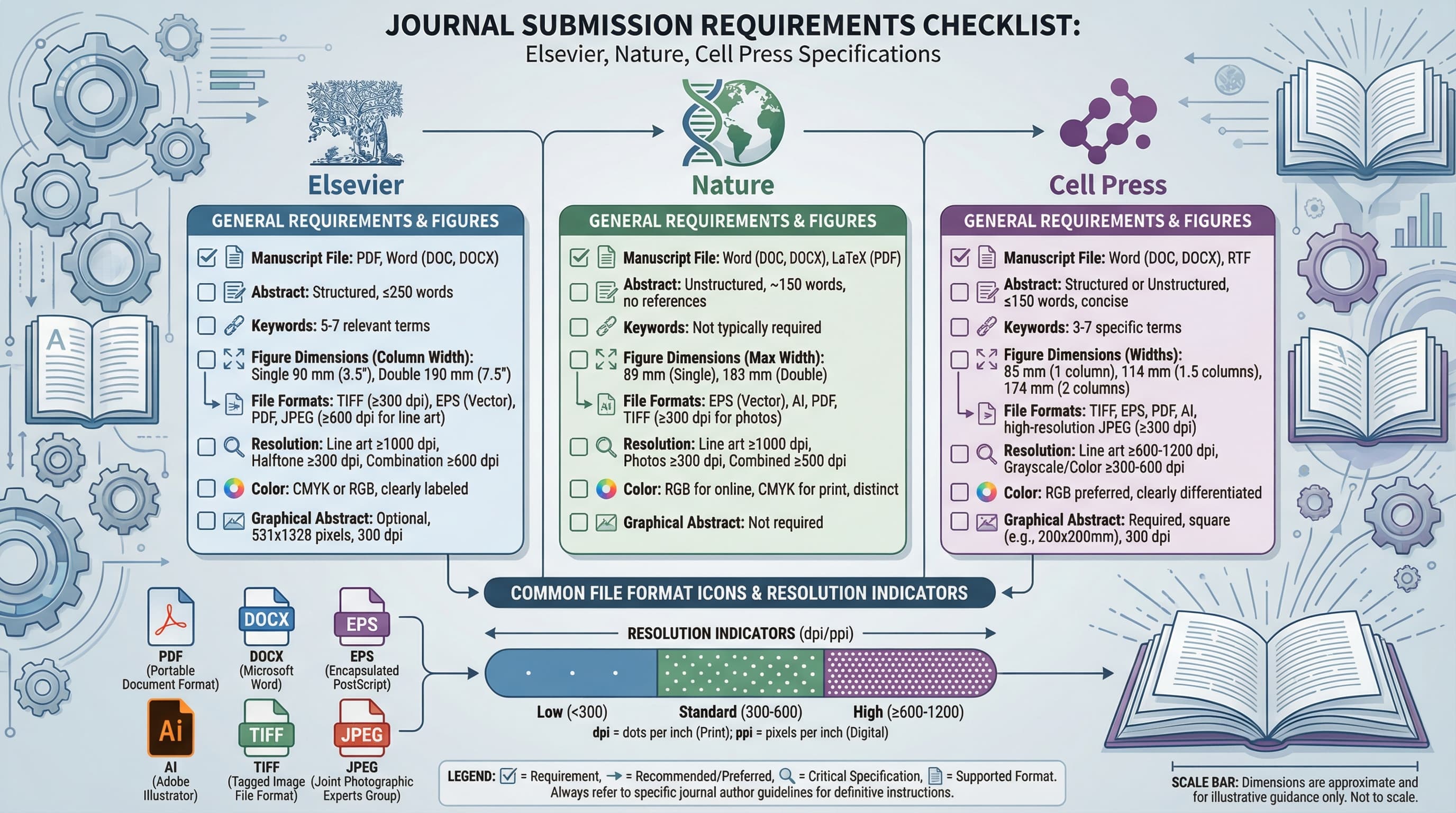
Cover Requirements by Journal
Nature
- Size: 222 × 276 mm (portrait)
- Resolution: 300 DPI minimum
- Format: TIFF or high-res JPEG
- Style: Artistic, conceptual, visually striking
- Space: Leave room for masthead and text
Science
- Size: 8.5 × 11 inches
- Resolution: 300 DPI
- Format: TIFF, EPS, or PDF
- Style: Can be more technical/data-driven
- Space: Consider text overlay areas
Cell
- Size: 8.375 × 10.875 inches
- Resolution: 300 DPI minimum
- Format: TIFF or EPS
- Style: Dramatic, often microscopy-based
- Note: Particularly values electron microscopy images
ACS Journals
- Size: Varies by journal
- Resolution: 300 DPI
- Format: TIFF preferred
- Style: Clean, chemistry-focused
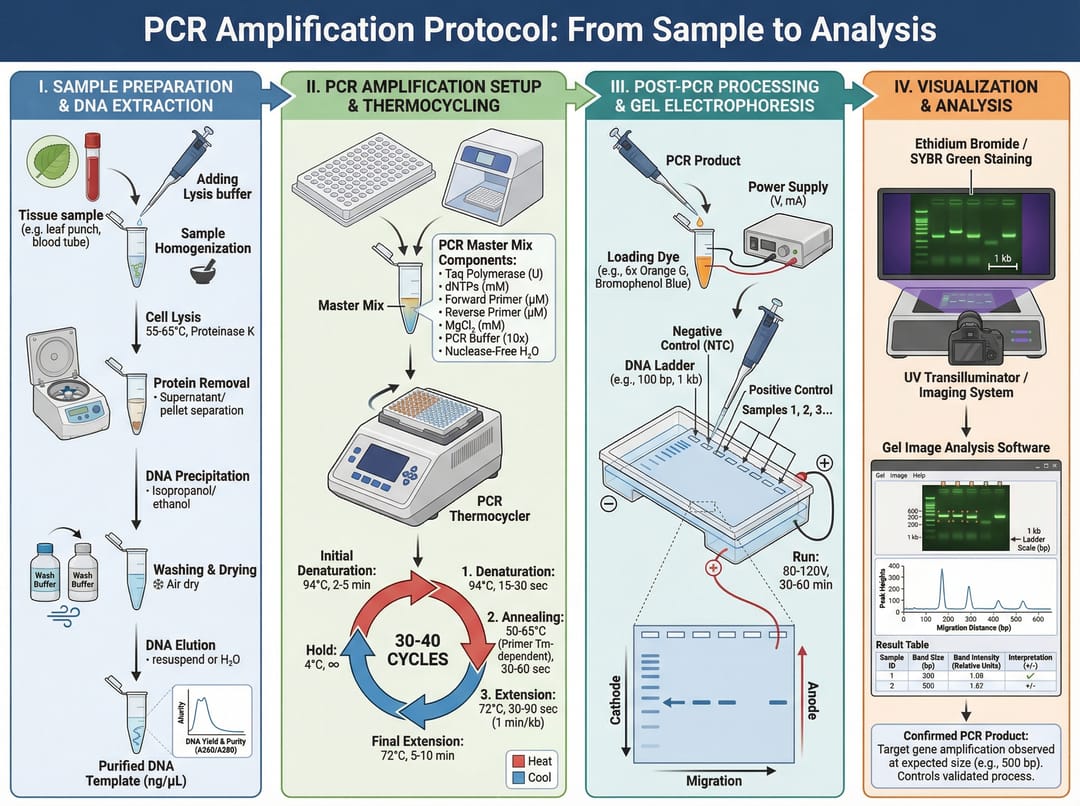 Different artistic approaches for journal covers
Design Principles for Journal Covers
Composition
Rule of Thirds: Place key elements at intersection points Negative Space: Leave room for journal title and text Focal Point: Create a clear visual center of interest Balance: Distribute visual weight across the image
Color Strategy
- High contrast: Ensures visibility at small sizes
- Brand alignment: Consider journal's color palette
- Emotional impact: Colors evoke specific feelings
- Print considerations: CMYK conversion may alter colors
Visual Metaphors
The most memorable covers use visual metaphors:
- A molecular "key" unlocking a "cellular door"
- DNA as a "ladder to discovery"
- Neurons as a "network of connections"
- Proteins as "molecular machines"
Creating Cover Art with AI
Step 1: Conceptualize Your Story
Before generating anything, define:
- Core finding: What's the main discovery?
- Visual metaphor: How can it be represented artistically?
- Emotional tone: What feeling should viewers get?
- Key elements: What must be included?
Step 2: Write an Effective Cover Prompt
Journal cover prompts should emphasize artistic impact:
Nature journal cover design,
[your research topic] as central visual metaphor,
[specific elements] arranged dramatically,
deep [color] background with [accent color] highlights,
professional scientific illustration,
high artistic impact,
3:4 portrait format,
space for title at top,
publication-ready quality
Example for a CRISPR paper:
Nature journal cover design,
CRISPR-Cas9 as molecular scissors cutting DNA double helix,
golden scissors made of Cas9 protein structure,
DNA strand unwinding in dramatic spiral,
deep blue background transitioning to teal,
glowing cut site with sparks of light,
guide RNA visible as elegant ribbon,
professional scientific illustration,
3:4 portrait format, space for masthead
Step 3: Iterate and Refine
Generate multiple versions and refine:
- Initial generation: Get the basic concept
- Composition adjustment: Refine element placement
- Color refinement: Adjust palette for impact
- Detail enhancement: Add scientific accuracy
- Technical polish: Ensure publication quality
Step 4: Prepare for Submission
- Export at required resolution (300+ DPI)
- Convert to CMYK if requested
- Leave appropriate margins
- Include caption and explanation
- Prepare multiple versions if allowed
Cover Art Examples by Field
Molecular Biology
Cell journal cover design,
DNA replication fork as central image,
helicase unwinding parental strands,
polymerase complexes synthesizing new strands,
leading and lagging strand synthesis visible,
dramatic lighting from replication fork,
deep purple background,
molecular detail with artistic flair,
3:4 portrait format
Neuroscience
Nature Neuroscience cover design,
neural network as constellation of stars,
synaptic connections as glowing lines,
action potential as wave of light propagating,
brain silhouette integrated subtly,
dark space background with bioluminescent neurons,
artistic and scientifically accurate,
portrait format with space for title
Chemistry
JACS cover design,
catalytic cycle as elegant circular flow,
metal center as glowing core,
substrate entering, product leaving,
electron flow indicated by color gradients,
clean white background with colored molecules,
chemistry journal aesthetic,
professional illustration style
Materials Science
Advanced Materials cover design,
nanomaterial structure as futuristic architecture,
atomic arrangement visible at core,
applications radiating outward as icons,
metallic silver and blue color scheme,
3D isometric perspective,
modern technical illustration style,
portrait format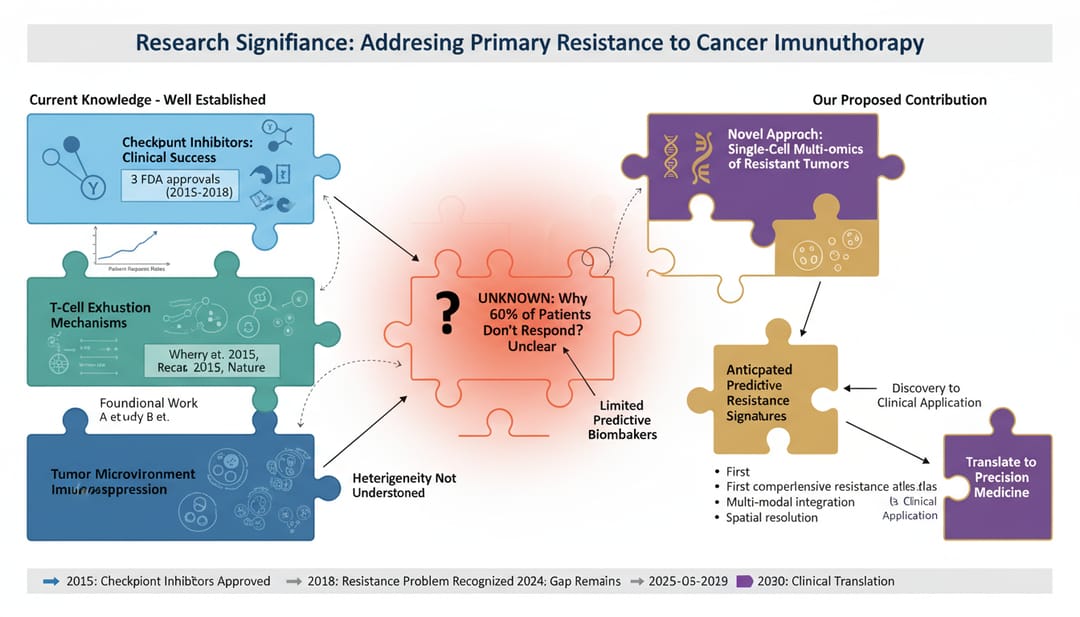 Communicating research impact visually
Tips for Cover Selection Success
DO:
- Submit early: Covers are often selected weeks before publication
- Follow guidelines exactly: Wrong format = automatic rejection
- Include explanation: Help editors understand the connection
- Provide multiple options: Different concepts increase chances
- Consider the full layout: How will it look with text overlaid?
DON'T:
- Copy existing covers: Editors want originality
- Overcomplicate: Simple concepts often win
- Ignore requirements: Technical specs matter
- Submit low quality: Resolution and format must be perfect
- Miss deadlines: Most journals have strict cutoffs
Writing Your Cover Submission
Include with your submission:
Cover Letter Elements
- Paper reference: Title, authors, manuscript number
- Image description: What the image shows
- Scientific connection: How it relates to your findings
- Technical details: Size, resolution, format
- Contact information: For follow-up questions
Example Cover Letter
Dear Cover Editor,

We respectfully submit the attached image for consideration
as a cover illustration for our manuscript "Title Here"
(Manuscript ID: XXX-XXX).

The image depicts [brief description], representing our
key finding that [main result]. The visual metaphor of
[explanation] captures the essence of our discovery.

Technical specifications:
- Size: 222 × 276 mm
- Resolution: 300 DPI
- Format: TIFF
- Color mode: CMYK

We have provided three variations for your consideration.

Best regards,
[Author name]
After Selection: What to Expect
If your cover is selected:
- Notification: Usually 2-4 weeks before publication
- Revisions: Minor adjustments may be requested
- Final files: High-resolution originals needed
- Caption: Short description for table of contents
- Credit: Confirm how you'll be credited
Start Creating Your Cover Art
Ready to create journal cover art for your next publication?
- Visit SciDraw AI Drawing
- Select a cover-appropriate template
- Describe your research concept artistically
- Generate multiple versions
- Refine and prepare for submission
Your research deserves to be seen. Make it unforgettable with stunning cover art.
Related Guides
- Nature, Science & Cell Figure Requirements — figure specs for top journals
- Graphical Abstract Maker — create visual abstracts for journals
- Scientific Figure Generator — AI-powered figure creation
- AI Scientific Illustration Tool — create publication-ready visuals