Генератор схем круговорота горных пород
Нарисуйте чёткий подписанный круговорот горных пород за секунды
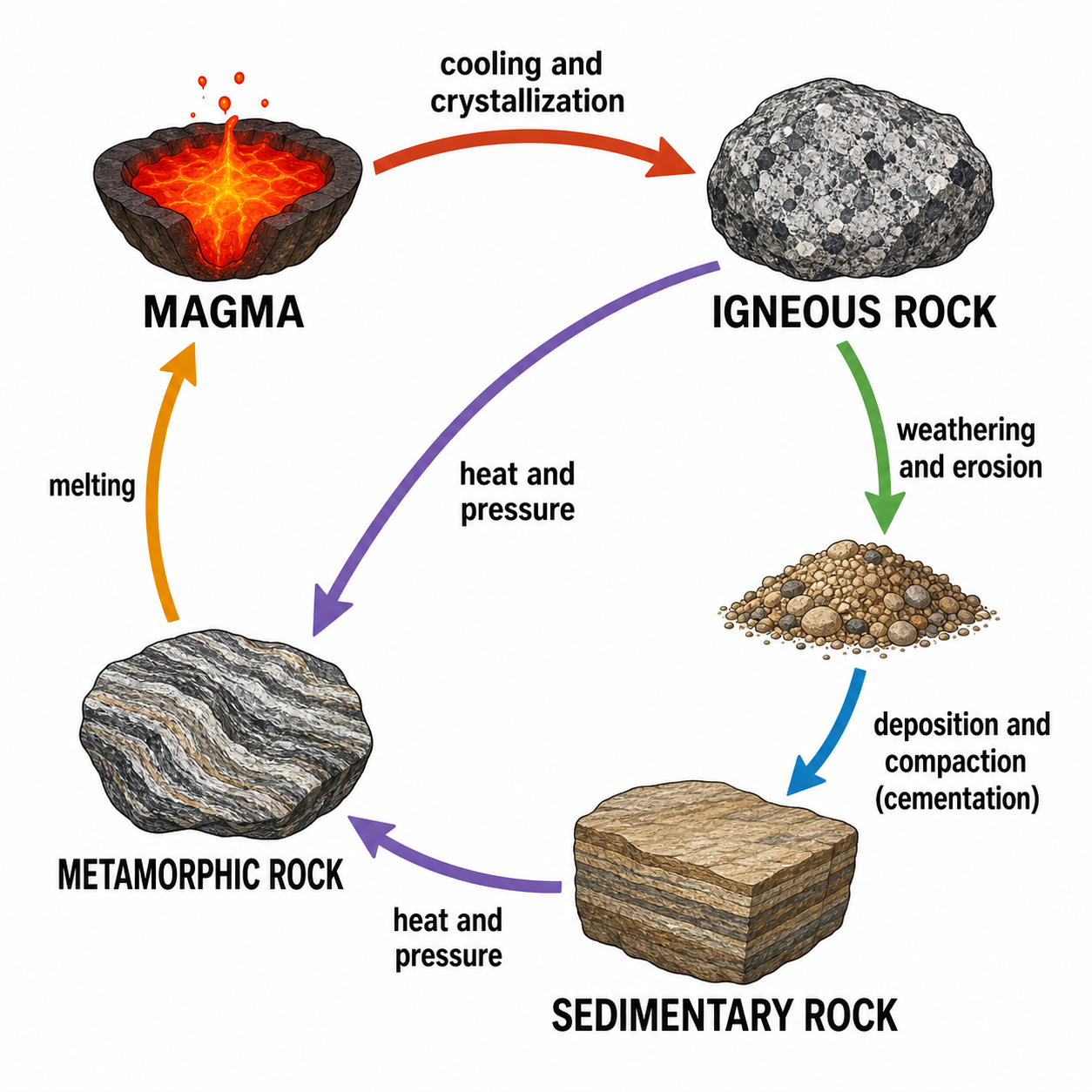
Опишите три типа горных пород и процессы, которые их изменяют, и ИИ нарисует чёткую подписанную схему круговорота горных пород с магматическими, осадочными и метаморфическими породами, магмой и направляющими стрелками. Создано для уроков по наукам о Земле и средней школы, с полными или простыми версиями для детей, готовыми для рабочих листов, презентаций и постеров.
Примеры схем круговорота горных пород
Нажмите на любой пример, чтобы загрузить его запрос, или используйте его как основу для своей схемы круговорота горных пород.
Что такое круговорот горных пород?
Круговорот горных пород — это серия процессов, посредством которых три основных типа горных пород — магматические, осадочные и метаморфические — образуются, разрушаются и превращаются друг в друга в течение геологического времени. Магма охлаждается и кристаллизуется в магматическую породу; выветривание и эрозия превращают породу в осадок, который откладывается, уплотняется и цементируется в осадочную породу; нагрев и давление глубоко под землёй превращают породу в метаморфическую; а порода, которая плавится, снова становится магмой, замыкая цикл. Схема круговорота горных пород показывает эти типы пород и процессы между ними с направляющими стрелками, так что путь от одной породы к другой легко проследить. Этот генератор превращает ваше описание в чёткую подписанную иллюстрацию круговорота горных пород — без графических инструментов или ручного выравнивания.
Зачем нужен генератор схем круговорота горных пород
- Схема круговорота горных пород — это стандартный способ показать, как связаны магматические, осадочные и метаморфические породы.
- Рисовать круговую компоновку с изогнутыми, правильно подписанными направляющими стрелками вручную медленно, и легко ошибиться.
- Чёткие подписи на каждом типе породы и процессе делают этапы круговорота горных пород очевидными для любого ученика.
- Преподавателям быстро нужны и детальные схемы, и простые версии для детей для уроков по наукам о Земле.
- Перегенерация из описания быстрее перерисовки, когда вы корректируете процесс или упрощаете для младших учеников.
Как создать схему круговорота горных пород
Назовите три типа горных пород, которые хотите показать — магматические, осадочные и метаморфические — плюс магму, и перечислите процессы, которые их связывают, такие как выветривание и эрозия, отложение, уплотнение и цементация, нагрев и давление, плавление, а также охлаждение и кристаллизация. Отметьте направление каждой стрелки и укажите, хотите ли вы полностью подписанную схему или простую версию для детей. Сгенерируйте иллюстрацию, затем проверьте, что каждый тип породы и процесс назван правильно, и дорабатывайте запрос, пока он не будет соответствовать вашему уроку.
Части круговорота горных пород
- Магматическая порода — образуется, когда магма или лава охлаждается и кристаллизуется, либо под землёй (интрузивная), либо на поверхности (эффузивная).
- Осадочная порода — образуется, когда осадок откладывается слоями и уплотняется и цементируется вместе, часто содержа окаменелости.
- Метаморфическая порода — образуется, когда существующая порода изменяется нагревом и давлением глубоко под землёй, без плавления.
- Магма и плавление — расплавленная порода, которая охлаждается в магматическую породу, и плавление, которое возвращает породу в магму.
- Выветривание и эрозия — разрушение и перенос породы в осадок, который питает новую осадочную породу.
- Нагрев и давление плюс направляющие стрелки — этап метаморфизма и стрелки, которые показывают, как изменяется каждая порода.
Часто задаваемые вопросы о схемах круговорота горных пород
Какие три типа горных пород в круговороте горных пород?
Три типа — это магматические, осадочные и метаморфические породы. Магматическая порода образуется, когда магма или лава охлаждается и кристаллизуется, осадочная порода образуется, когда осадок откладывается и уплотняется в слои, а метаморфическая порода образуется, когда существующая порода изменяется нагревом и давлением без плавления. Круговорот горных пород показывает, как каждая из них может превратиться в другую со временем.
Как создать подписанную схему круговорота горных пород онлайн?
Введите краткое описание, называя три типа пород и магму, затем перечислите процессы для подписи, такие как выветривание, отложение, нагрев и давление, плавление и охлаждение. SciDraw AI нарисует чёткую схему круговорота горных пород в круговой компоновке с направляющими стрелками и читаемыми подписями. Вы можете скорректировать формулировку и перегенерировать, пока подписанный круговорот горных пород не будет соответствовать тому, что вам нужно.
Какие процессы превращают одну породу в другую?
Породы изменяются через несколько ключевых процессов. Выветривание и эрозия разрушают породу в осадок; отложение, уплотнение и цементация образуют осадочную породу; нагрев и давление образуют метаморфическую породу; плавление превращает породу в магму; а охлаждение и кристаллизация превращают магму в магматическую породу. Генератор размещает каждый из них на своей подписанной стрелке, чтобы этапы круговорота горных пород были понятны.
Может ли он нарисовать магматическую, осадочную и метаморфическую породу по отдельности?
Да. Вы можете создать схему, посвящённую отдельному типу породы — как магматическая порода охлаждается из магмы, как осадочная порода образуется из слоёв осадка или как метаморфическая порода образуется под нагревом и давлением — а также полный цикл. Просто назовите тип породы и процессы для подписи, и инструмент нарисует их с правильными обозначенными шагами.
Бесплатный ли генератор схем круговорота горных пород?
Да, вы можете создавать схемы круговорота горных пород бесплатно. SciDraw AI даёт новым пользователям стартовые кредиты, и каждая схема использует небольшое их количество, поэтому вы можете нарисовать подписанный круговорот горных пород или простую версию для детей без подписки для старта.
Можно ли использовать его для урока по наукам о Земле или рабочего листа?
Да. Попросите полностью подписанный круговорот горных пород для старших учеников или простую, яркую версию для детей, и генератор создаст иллюстрации, готовые для рабочих листов, лекционных слайдов и постеров для класса. Он хорошо подходит для наук о Земле в средней школе — просто сверьте схему со своей учебной программой перед выдачей.
Пишете статью, диплом или заявку на грант?
SciDraw AI также делает научные иллюстрации для публикаций: графические аннотации, схемы механизмов, рабочие процессы и концептуальные модели.
Другие инструменты
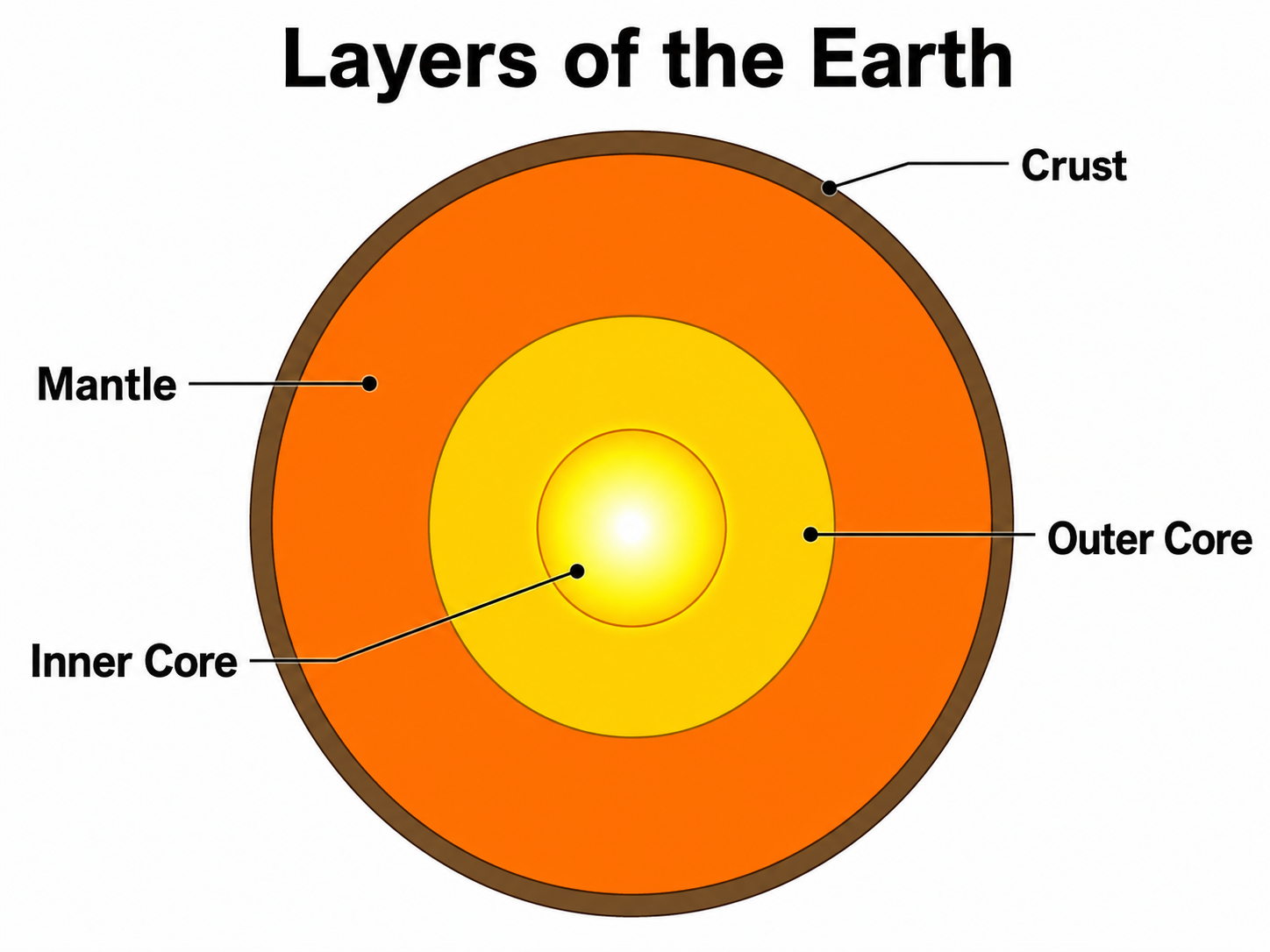
Схема слоёв Земли
Нарисуйте подписанный разрез слоёв Земли — коры, мантии, внешнего ядра и внутреннего ядра.
Попробовать бесплатно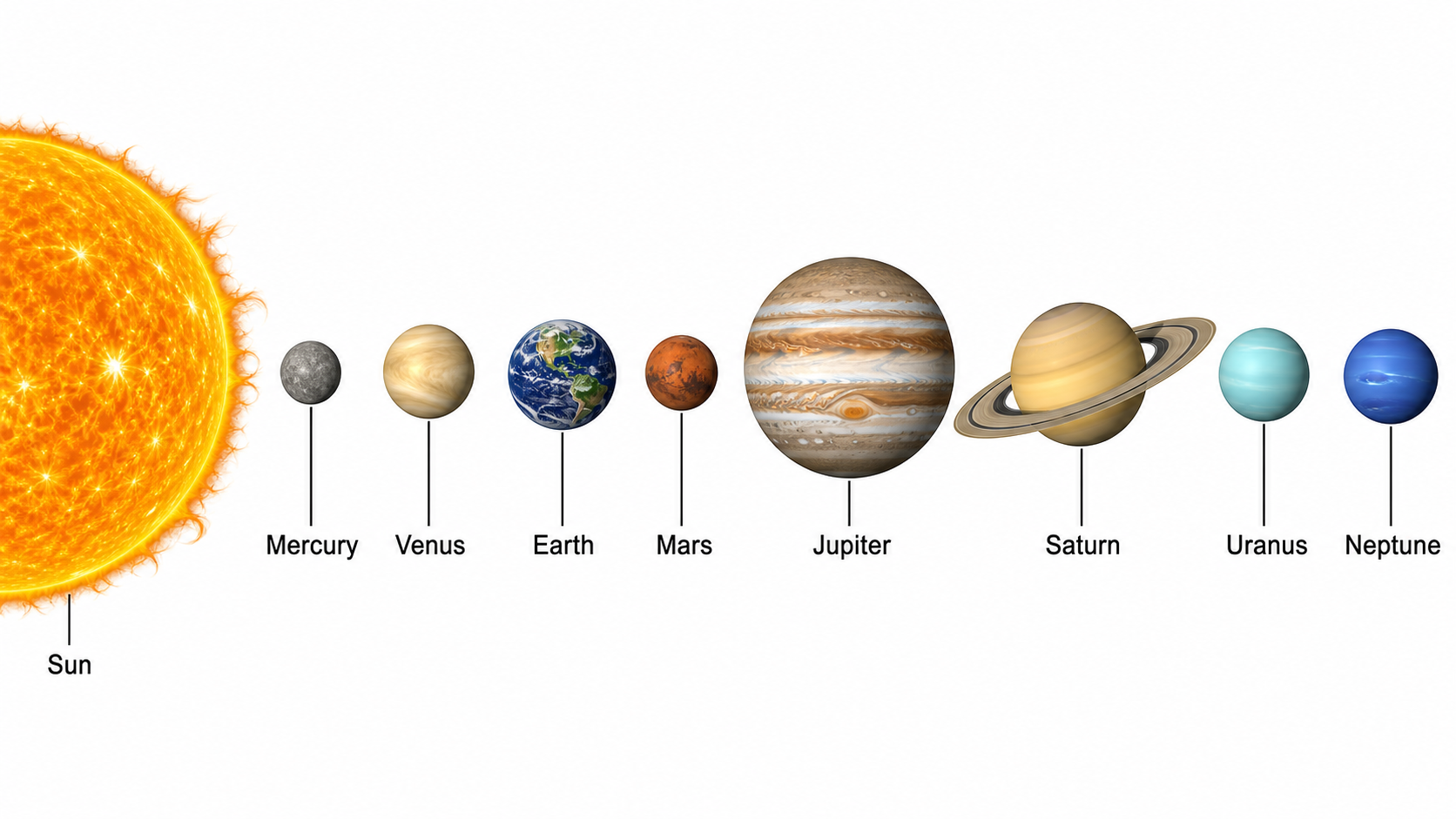
Схема Солнечной системы
Нарисуйте подписанную Солнечную систему с Солнцем, восемью планетами, орбитами и поясом астероидов.
Попробовать бесплатно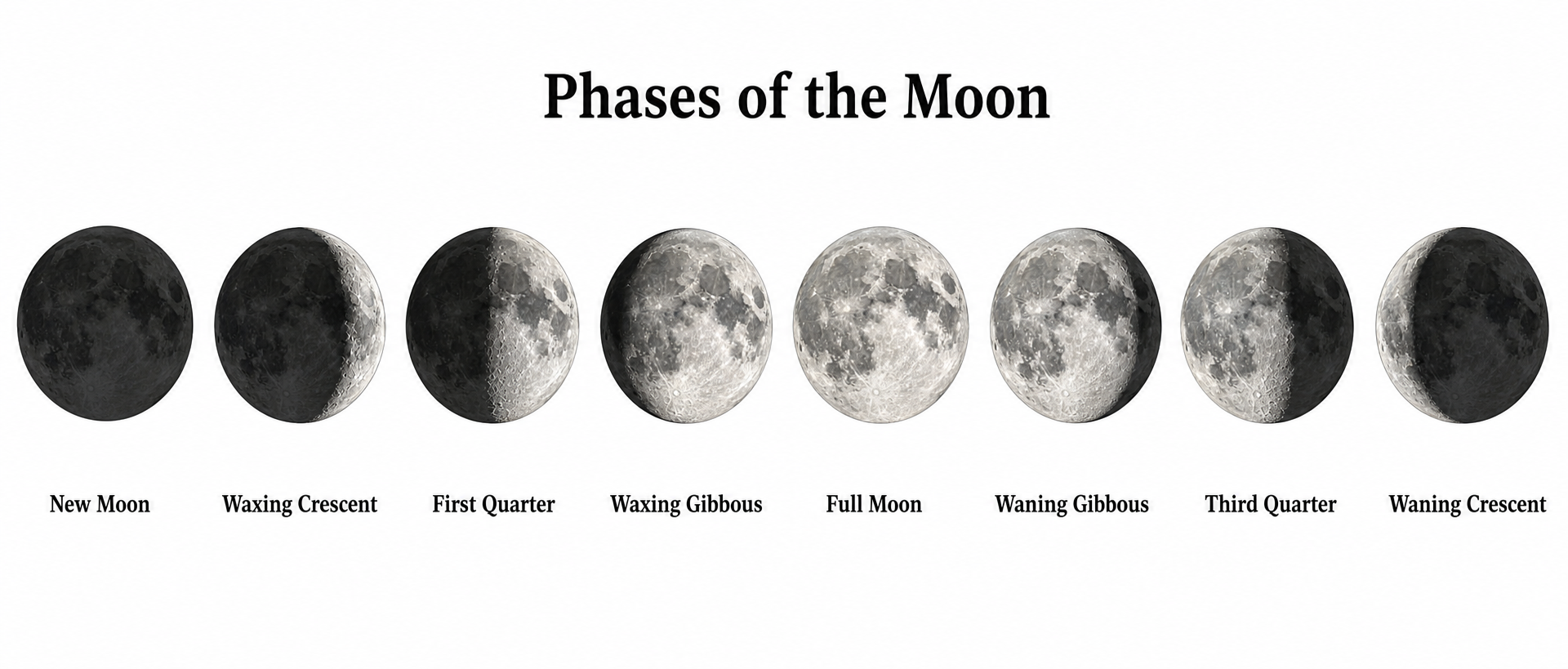
Схема фаз Луны
Нарисуйте восемь подписанных фаз Луны и геометрию Солнце-Земля-Луна за ними.
Попробовать бесплатноНарисуйте свою схему круговорота горных пород прямо сейчас
Опишите нужные породы и процессы и получите чёткий, подписанный круговорот горных пород за секунды. Начните бесплатно с SciDraw AI.