Free Food Web Maker
Generate a labeled food web or food chain from plain text
Describe your ecosystem's organisms and feeding relationships, and AI draws a clean, labeled food web showing energy flow through producers, consumers, and decomposers — perfect for ecology class, lab reports, and science projects.
Food web examples
Click any example to load its prompt, or use it as a starting point for your own ecosystem diagram.
What does this food web maker do?
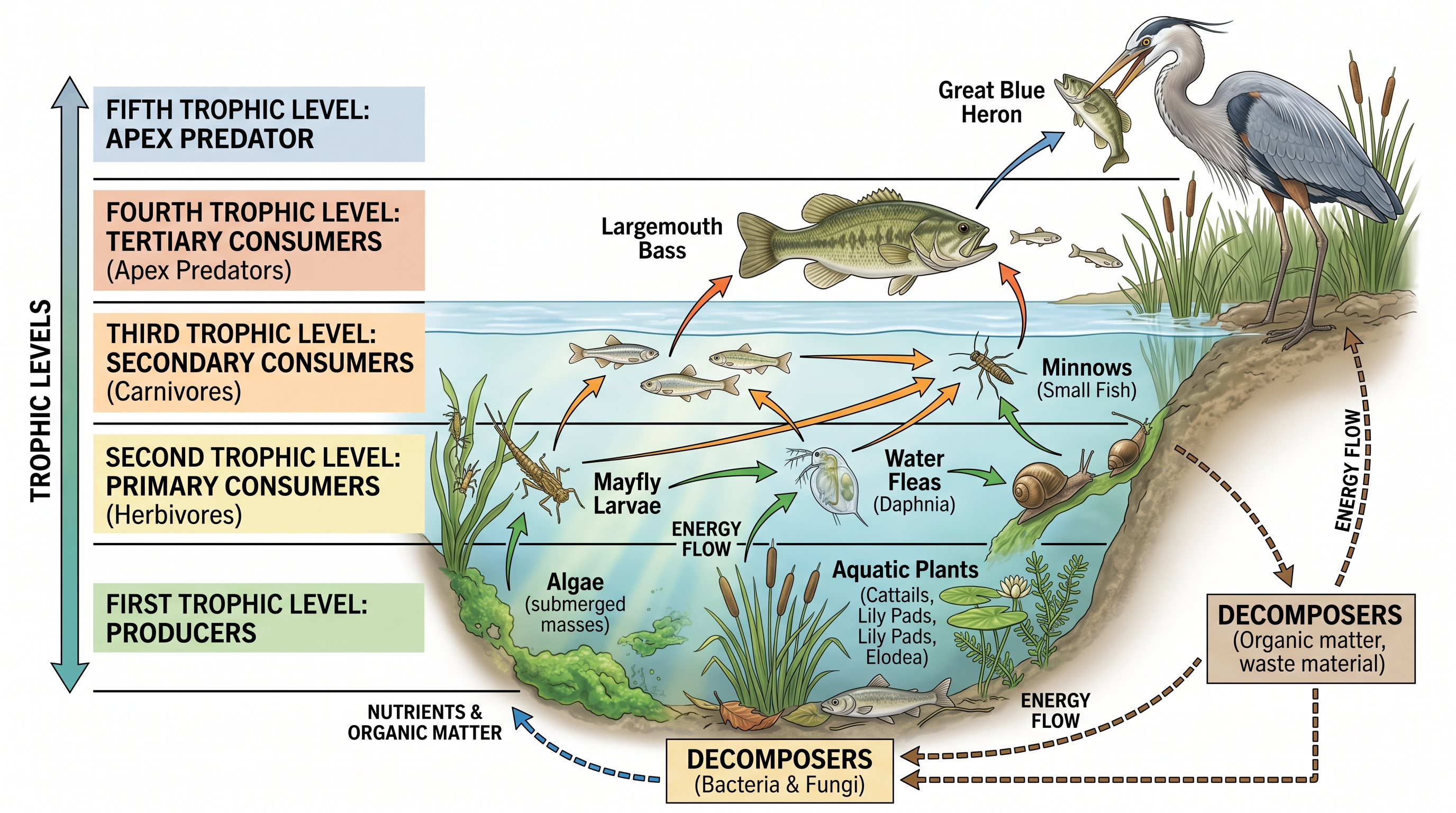
It turns a plain-text description of an ecosystem into a clean, labeled food web diagram — the network diagram ecologists use to show how energy flows from producers through consumers and decomposers. You list the organisms and who eats whom, and the AI arranges them into trophic levels with directional arrows showing energy transfer, so you get a publication-ready figure without wrestling with drawing software.
Why use a food web maker
- Food webs are a fundamental concept in ecology, taught from middle school through university — students create them constantly for assignments and exams.
- Drawing interconnected feeding networks by hand or in generic software is time-consuming and hard to revise cleanly.
- A well-structured food web makes trophic levels, energy flow direction, and predator-prey relationships immediately clear.
- Researchers and educators need quick, presentable ecosystem diagrams for lectures, posters, and teaching materials.
- Regenerating from text is far faster than manually repositioning organisms and arrows every time the ecosystem data changes.
How to make a food web diagram
List the organisms in your ecosystem starting with the primary producers (plants, algae, bacteria), then name the herbivores that eat them, then carnivores, apex predators, and decomposers. Describe the feeding links clearly — e.g. 'rabbits eat grass; foxes eat rabbits; eagles eat foxes.' Generate the food web, then verify that arrows point in the direction of energy flow (from prey to predator), trophic levels are correctly stacked, and all feeding relationships are captured. Refine and regenerate until the network accurately reflects your ecosystem.
Parts of a food web
- Producers (autotrophs) — plants, algae, or bacteria that create energy through photosynthesis or chemosynthesis at the base of the web.
- Primary consumers (herbivores) — organisms that eat producers directly, forming the second trophic level.
- Secondary consumers — carnivores or omnivores that feed on primary consumers, forming the third trophic level.
- Apex predators — top consumers with no natural predators, sitting at the highest trophic level in the web.
- Decomposers / detritivores — fungi, bacteria, and invertebrates that break down dead organic matter and return nutrients to the soil.
- Energy-flow arrows — directional lines showing the transfer of energy from one organism (prey or plant) to another (consumer).
Food Web Maker FAQ
What is a food web?
A food web is a diagram showing all the feeding relationships in an ecosystem — who eats whom — and how energy flows from producers through multiple levels of consumers to decomposers. It is a more complete picture than a single food chain.
What is the difference between a food web and a food chain?
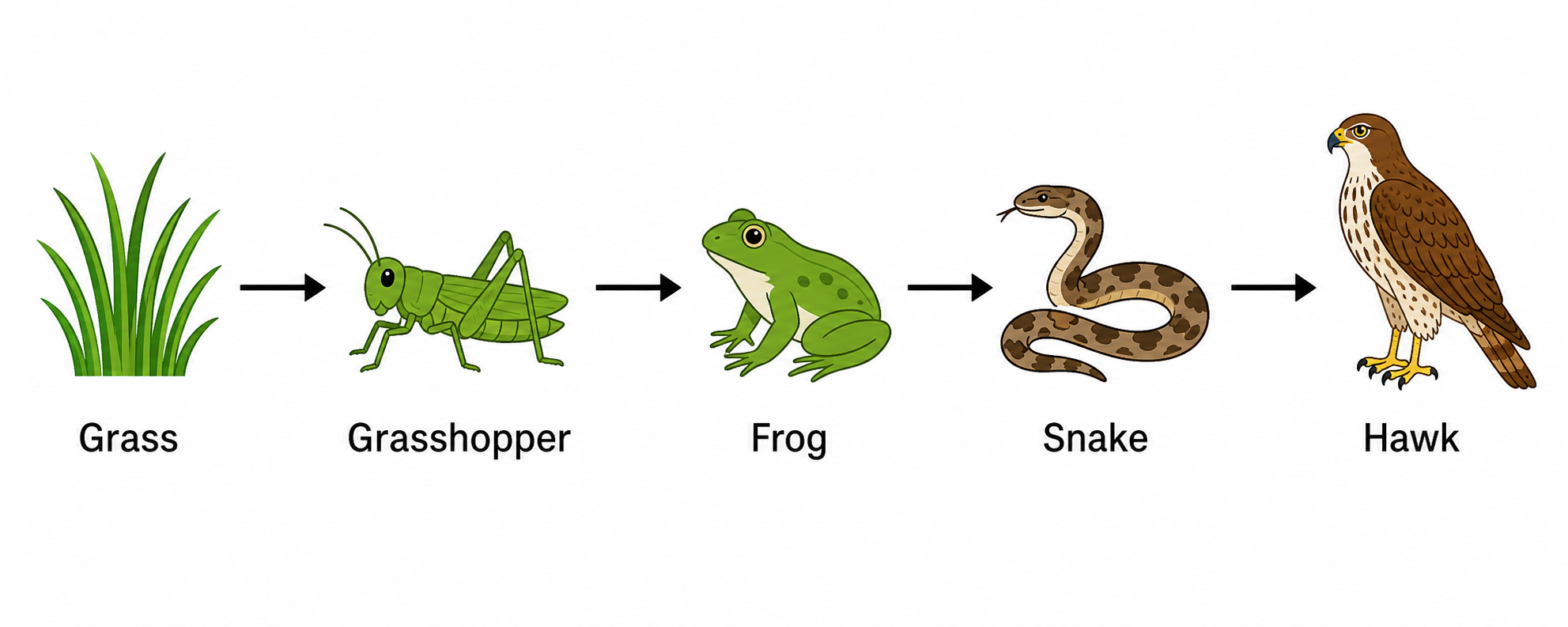
A food chain is a single, linear sequence of who eats whom (grass → rabbit → fox). A food web shows all the overlapping feeding relationships in an ecosystem at once, capturing the real complexity of energy flow. This tool can generate both styles — just describe what you need.
How do I show trophic levels in my food web?
List organisms by trophic level in your description — producers first, then primary consumers, then secondary consumers, then apex predators, and mention decomposers separately. The AI stacks them into levels automatically and adds labeled arrows for energy flow.
Can I include decomposers and nutrient cycles?
Yes — mention decomposers such as bacteria, fungi, or earthworms in your description and note what they break down. The AI will add them to the diagram, often with a dashed or distinct arrow to show their different role in the ecosystem.
Is it suitable for school science projects and AP Environmental Science?
Yes. It produces clean, labeled food webs suitable for middle school, high school, and college ecology assignments. Always verify the feeding relationships against your course material before submitting.
Is it free?
Each generation uses a small number of credits. New accounts receive free credits, so you can create a food web diagram without any subscription.
Need other ecology or biology diagrams?
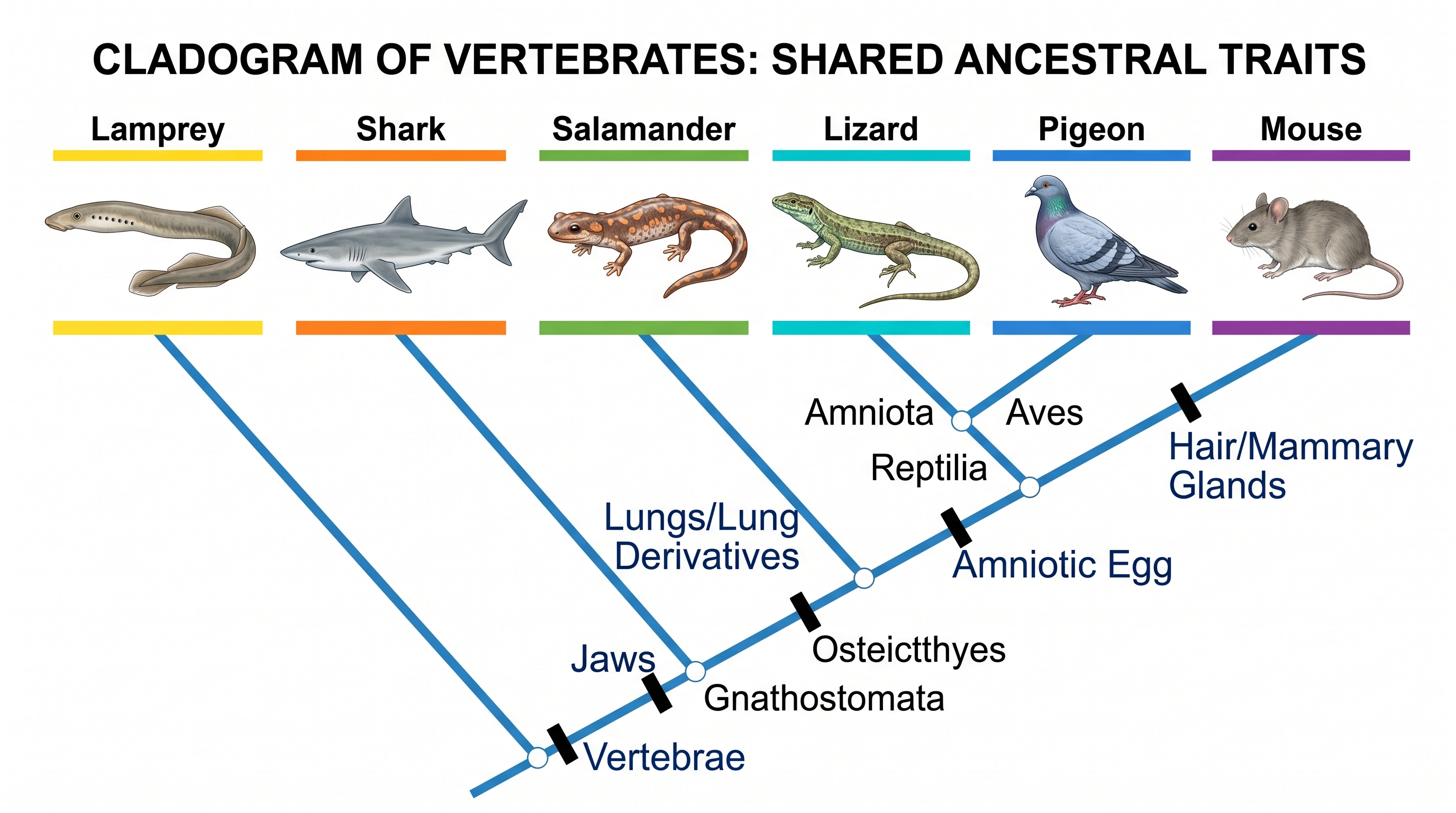
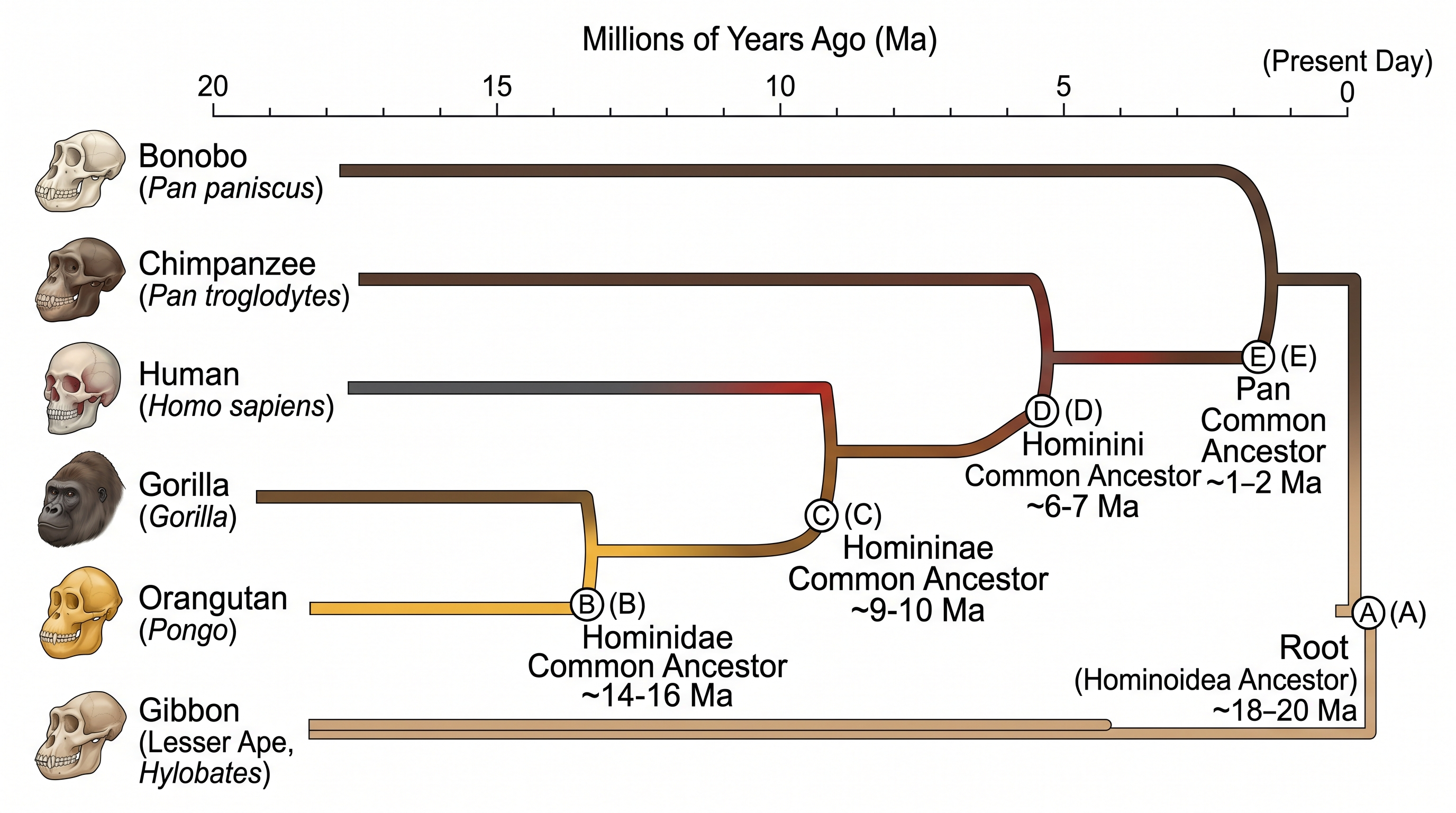
Generate labeled cell diagrams, cladograms, pathways, and more with SciDraw AI.