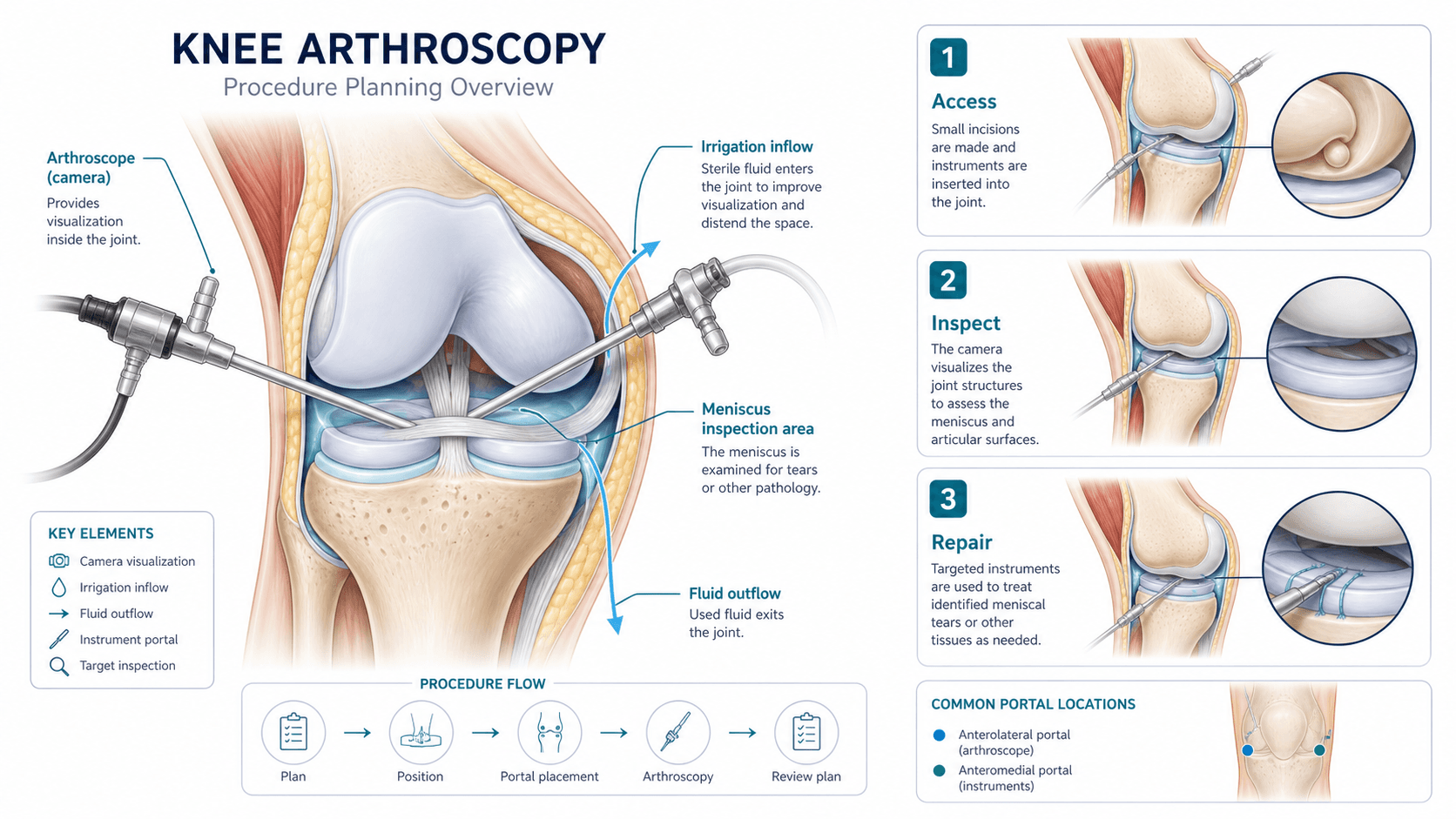
一位住院醫做了一份膝關節鏡的患者教育資料。資料還沒出科就被法務攔下——問題不是文字,而是插圖畫了一個笑著比讚走出手術室的病人。文字從沒承諾「迅速恢復」,但圖替它承諾了。整份資料被打回重做。
臨床插圖是 AI 能讓你跑最快、也能讓你摔最慘的地方。草稿很有用,沒審核就發給病人的草稿則是還沒爆發的事故。這篇文章講的是如何用 AI 做出能過醫學與法務審核的臨床配圖,以及哪些情境仍需要專業醫學插畫師。
讓臨床插圖變危險的常見錯誤
- 畫出文字沒承諾的療效——術後笑臉、無資料來源的「術前 vs 術後」、用進度條畫恢復時間軸。圖就成了行銷宣稱。
- 手術場景用照片級寫實——寫實的手術畫面會被當作真實病例的紀實。教學圖必須用 schematic 風格,一眼可辨。
- 解剖與你的術式對不上——AI 會自己補血管、神經、地標。如果你的術式依賴精確解剖關係,模型出錯機率很高。
- 病人材料中出現驚嚇畫面——出血、暴露組織、驚恐表情都不該出現。要冷靜、臨床、親切。
- 沒有合規與法務審核——任何要給病人、監管或行銷的圖,必須臨床醫師 + 合規團隊都過。AI 比審核快,審核還是要做。
爛提示詞 vs 改寫後的提示詞
以一份膝關節鏡患者衛教單為例:
太短,得到一張語氣跑偏、像行銷宣傳的圖:
幫我畫一張膝關節鏡的患者衛教插圖。改寫後,得到一份法務能過的草稿:
Create a neutral medical education illustration of knee arthroscopy for a patient pre-procedure handout.
Show three labeled stages: (1) instrument insertion through arthroscopic portals, (2) intra-articular view of the joint with the arthroscope, (3) repair of the meniscal tear with a single suture.
Use a schematic style, not photorealistic. Calm clinical color palette (muted blue and gray). No blood, no exposed tissue, no facial expressions, no recovery imagery, no body language implying outcome.
Label only: portal site, arthroscope, meniscus, suture. No outcome text, no timeline, no statistics.
This is a draft intended for clinician review before patient distribution.
第二版把「語氣」明確寫在 prompt 裡。模型預設「讓畫面看起來令人印象深刻」——你必須顯式要求保持中性。
寫在前面:示例提示詞保留英文。當前主流模型對英文 token 還原最穩定,中文寫腳本、英文寫提示詞是科研圈通行做法。
臨床插圖審核的四個維度
臨床醫師與合規審查者通常看這四個問題,按這四點寫 prompt:
| 審查者問 | prompt 怎麼寫 |
|---|---|
| 圖有沒有暗示原文不支持的臨床效果? | 明令禁止療效畫面、恢復時間軸、術前/術後對照、笑臉病人。 |
| 解剖結構與我們的術式對得上嗎? | 明確列出要畫的結構 + 要省略哪些。最終版預留人工解剖審核。 |
| 語氣是否適合受眾? | 寫明受眾(病人、住院醫、主治),要求中性醫學教學風格。 |
| 標籤能改嗎(翻譯、修正)? | 要求分層 SVG,文字在獨立圖層。 |
範例圖
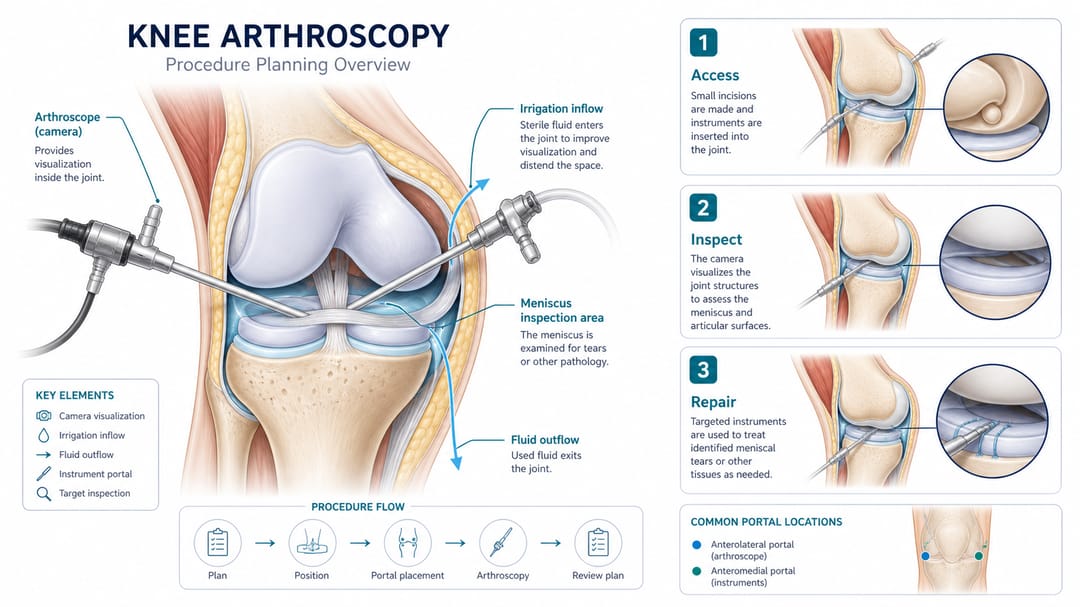
要看的細節:圖聚焦進入、觀察、修復三個步驟;沒有畫術後病人;沒有笑臉、沒有恢復場景;標籤只指向操作元素;視覺語氣是教學而非行銷。
依臨床目的分的可重用模板
把方括號裡的內容換成你的病例。每個 prompt 都加上受眾與語氣約束。
1. 住院醫培訓 / 術前衛教的手術步驟圖
Create a neutral medical education illustration of [procedure] for [audience: resident teaching / patient pre-procedure handout].
Show [3–5 labeled stages, listed in order]. For each stage, name only the anatomical structures and instruments that appear in our protocol.
Style: schematic, not photorealistic. Calm clinical palette. No blood, no exposed tissue, no facial expressions, no recovery imagery, no body language implying outcome.
Labels: anatomical structures and instruments only. No outcome text, no timeline, no statistics.
Output as layered SVG. This is a draft for clinician review before any distribution.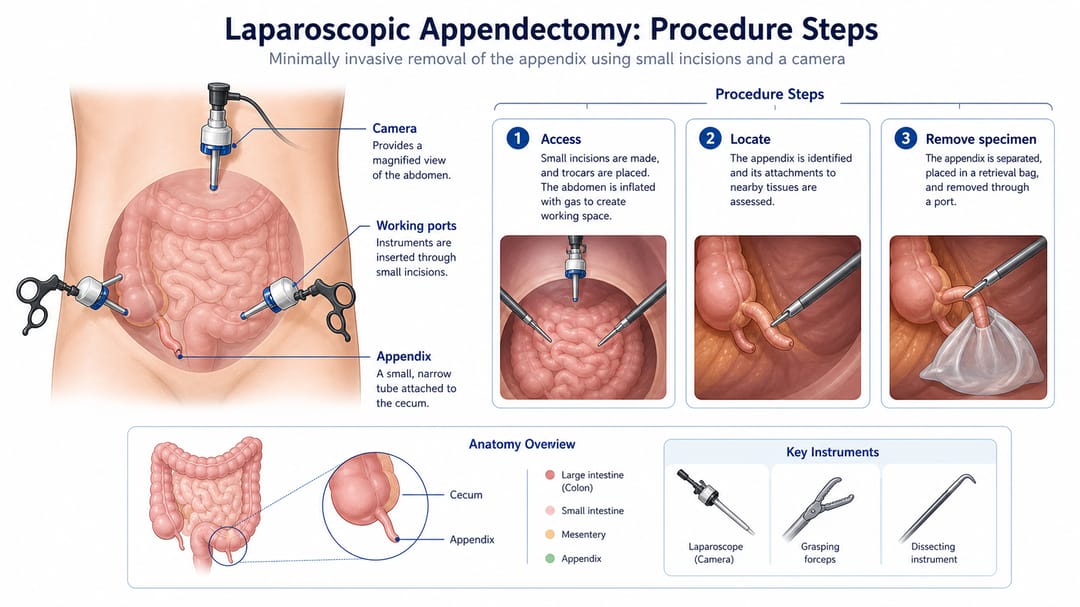
2. 病例報告投稿用圖
Create a clinical case figure for a journal case report on [condition / presentation].
Panel A: [anatomical finding at presentation, with the specific imaging or exam landmark].
Panel B: [diagnostic view, e.g. cross-section, endoscopic view, or imaging plane].
Panel C: [intervention with anatomical detail].
Panel D: [post-intervention state — neutral, no outcome claim, no patient affect].
Style: schematic medical illustration suitable for a case report. Labels match journal terminology.
Do not invent histology, biomarkers, or imaging features that we have not provided.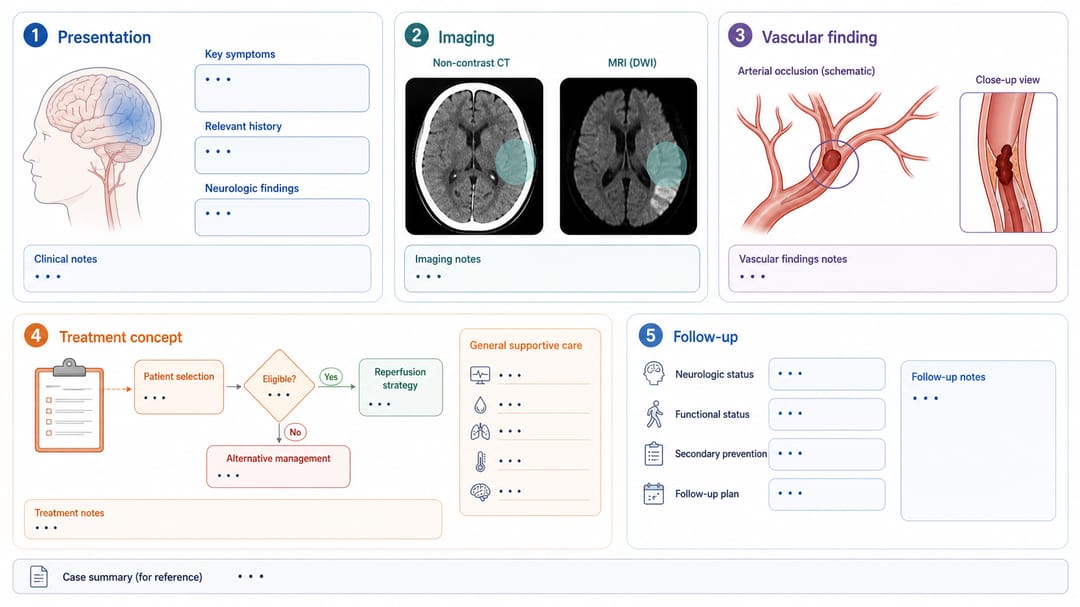
3. 病人向的解剖解釋圖
Create a patient-facing anatomical diagram explaining [condition or procedure] for an adult lay audience.
Simplify anatomy to the structures the patient needs to recognize.
Plain-language labels (no Latin, no abbreviations). Use leader lines, not arrows pointing into the body.
Calm clinical palette. Non-graphic style. No blood, no facial expressions.
Make no claim about results, recovery, success rates, or pain.
Layered SVG so labels can be translated for our multilingual patient population.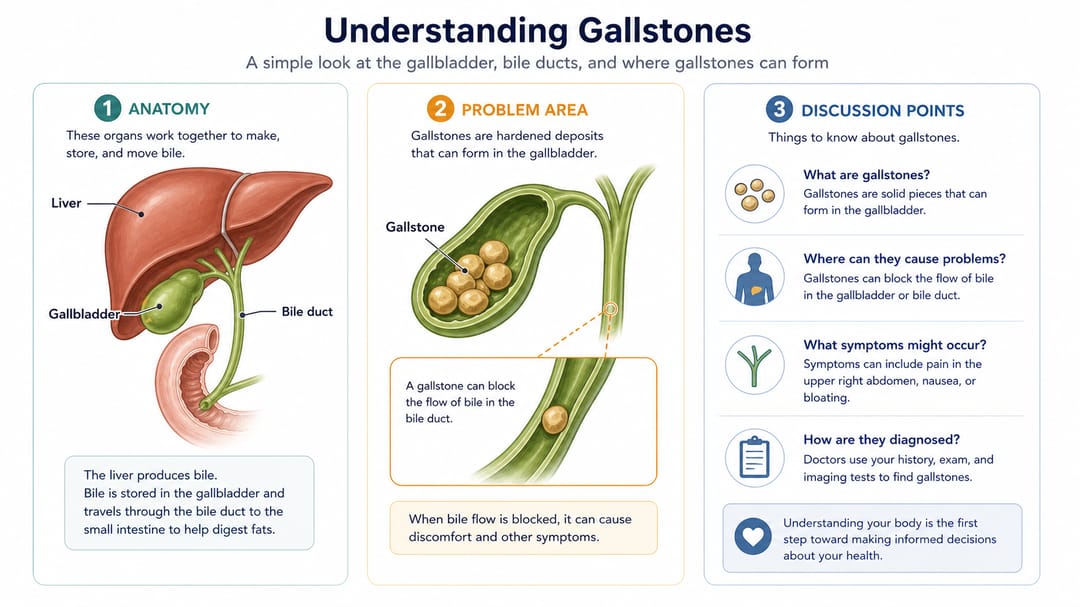
4. 術後護理說明圖
Create a post-procedure aftercare illustration for [procedure] for adult patients.
Show three labeled blocks: (1) wound or site care, (2) activity restrictions or movements to avoid, (3) when to contact the clinic.
Use icons or schematic figures, not real-person depictions. Plain-language labels.
Do not depict recovery progress (no calendar, no progress bar, no before/after).
Tone: instructional, calm, non-alarming. Layered SVG.
不同角色的使用建議
- 做教學材料的住院醫 / 進修醫:用模板 1。在給低年資學員看之前,請主治先把解剖簽字。
- 寫病例報告的臨床醫師:模板 2。解剖準確最重要;病例特殊時最終投稿版應由醫學插畫師過一遍。
- 病人教育團隊 / 醫院傳播:用模板 3、4。每張圖過合規 和 臨床雙審。醫院若有 health literacy 指南,貼入 prompt。
- 配合 AI 草稿的醫學插畫師:用模板 2 或 3 拿構圖與標註結構,關鍵解剖最終自己重畫。AI 擅長版面,不擅長臨床關鍵結構。
- 診所行銷 / PR:臨床插圖未經臨床審查和「示意用途」聲明,不要用在拓客材料。暗示療效屬於法規風險。
在 SciDraw AI 裡真正可執行的工作流
- 先用一句話寫清楚臨床聲明——例如「術前向病人解釋關節鏡下半月板修補——不涉及任何療效聲明」。這句話寫不出,圖還沒準備好。
- 依受眾選模板:住院醫培訓、病例報告、病人向、術後護理。
- 顯式寫上語氣約束——禁止療效畫面、笑臉、恢復進程、統計數據。模型不會自動避開,必須明令。
- 生成一個變體,立刻按四審查問題打分——再決定是否重新生成。改 prompt 比重抽更省 credit。
- 匯出分層 SVG——病人材料要翻譯、標籤要挪、醫師要批註。
- 送臨床醫師 + 合規雙審——不是其中之一。合規不會發現解剖錯,醫師不見得看得出法規風險。
- 留檔:prompt、AI 草稿、醫師批註、批准版本都歸檔。圖被質疑時,你需要這條稽核鏈。
發放前 checklist
- 沒有療效畫面、沒有恢復場景、沒有術前/術後、沒有病人情緒。
- 解剖結構符合我們機構實際執行的術式。
- 標籤準確、語言正確、可翻譯(SVG 文字層)。
- 語氣是教學/解釋,不是推廣。
- 臨床醫師已對解剖與步驟簽字。
- 合規 / 法務已對聲明與語氣簽字。
- 原始 prompt、AI 草稿、批准版本都已歸檔。
相關 SciDraw AI 工作流
臨床插圖生成器 · 醫學插圖生成器 · 醫學資訊圖生成器 · 書籍插圖生成器
常見問題
AI 能取代醫學插畫師嗎?
做草稿、構圖、概念探索可以。要做出版級解剖參考、受監管的病人材料、對解剖關係要求嚴苛的手術教學,不行。醫學插畫師同時懂解剖與法務語境,AI 兩者都不懂。
臨床 prompt 要避開哪些詞?
任何關於「疼痛、恢復、成功率、滿意度、效果、術前/術後、病人笑臉」的描述。不要寫「寫實」「專業感」這種沒指定教學語氣的修辭。
解剖要畫到多細?
只畫使用者需要識別或與術式臨床相關的結構。多餘結構讓圖看起來更完整但更難用,也增加 AI 幻覺混過審核的風險。
AI 臨床插圖能直接發表嗎?
不行,必須經臨床醫師審解剖、合規審聲明。少做一次審核的成本遠高於多做一次。
IRB 或法規送件時怎麼處理?
按其他配圖處理:如果 IRB 或法規要求聲明來源就聲明、寫清楚臨床醫師已審解剖、prompt 與草稿留檔。
怎麼阻止模型畫笑臉或比讚?
在 prompt 寫明確負向約束:"No facial expressions, no body language implying outcome, no smiling patients, no thumbs-up, no recovery scenes." 顯式負向約束比 "make it neutral" 這種隱式要求有效率得多。
有真實病人資料,可以畫術前/術後嗎?
真實術前/術後必須用真實病人影像、有知情同意並標註清楚。AI 生成的「示意性術前/術後」幾乎一定會被當行銷宣稱,臨床用途應避免。