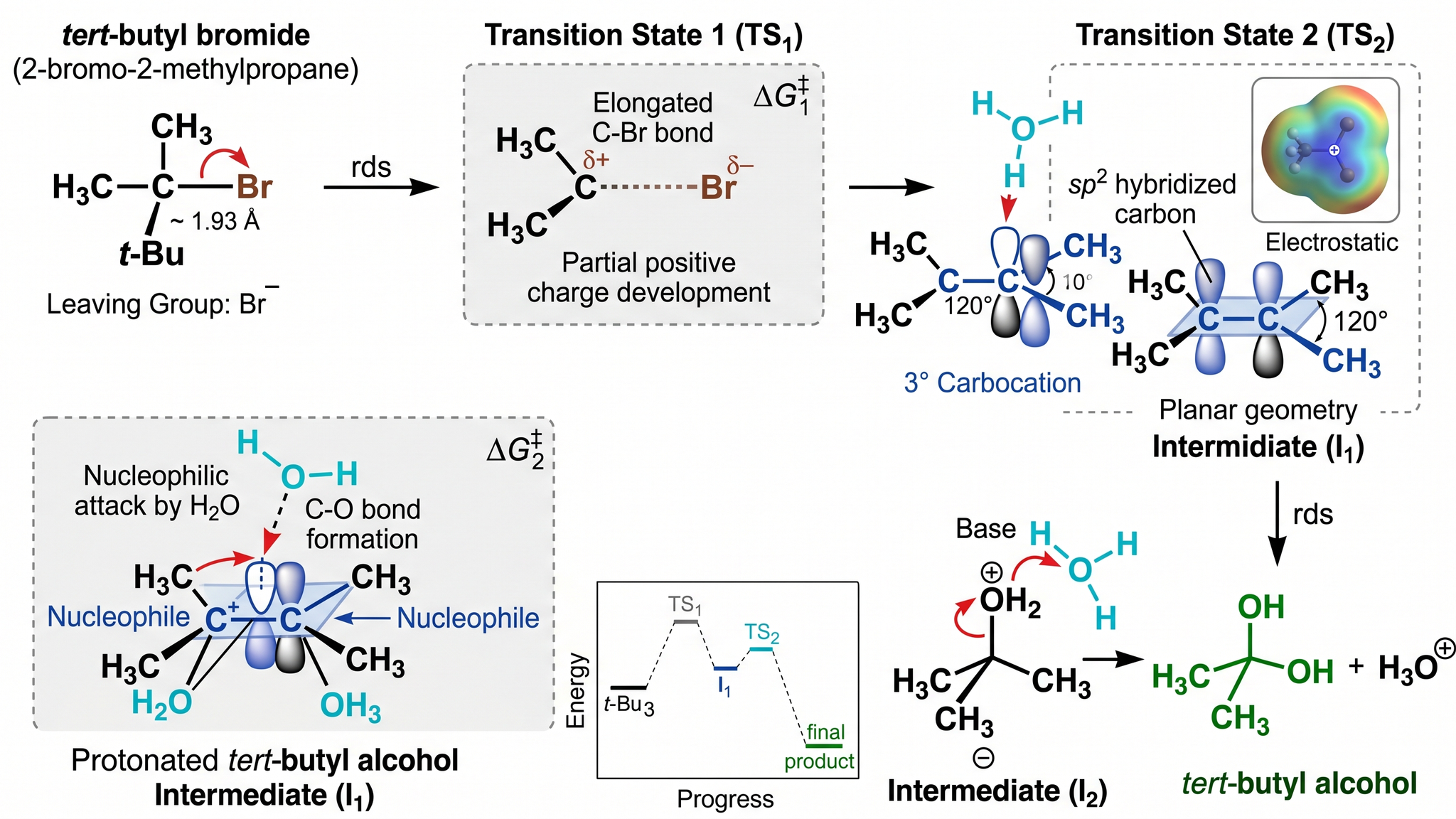
Free AI Reaction Mechanism Generator
Publication-style mechanism figures from your verified reaction notes
Transform your chemistry into clear mechanism figures. Our free AI reaction mechanism figure generator drafts organic, catalytic, and electrochemical mechanisms with curved electron-pushing arrows, labeled intermediates, and transition states - no design skills required.
Reaction Mechanism Examples
Browse examples across organic, pericyclic, and catalytic mechanisms, or generate your own above.
What can this AI reaction mechanism figure generator do?
This free AI reaction mechanism figure generator turns a written reaction description into a publication-style mechanism figure. It lays out substrates, intermediates, transition-state concepts, catalysts, and products with curved electron-pushing arrows and clean labels, ready for organic synthesis, catalysis, electrochemistry, and chemical biology manuscripts.
Why researchers need clear mechanism figures
- Communicate proposed reaction pathways clearly to reviewers and readers
- Summarize complex multi-step transformations in a single visual
- Strengthen results, discussion, and graphical abstract sections of papers
- Explain catalytic cycles and electron flow in grant proposals
- Build cleaner teaching figures for lectures, problem sets, and slides
How to create an effective reaction mechanism figure
An effective mechanism figure shows each step in the right order with accurate curved arrows, labeled intermediates, and clearly marked transition states. Start from a verified scheme, choose a linear path or catalytic cycle layout, and keep labels concise. SciDraw AI generates publication-ready mechanism figures that follow these conventions automatically - always verify electron flow, charges, and stereochemistry before publication.
Common elements in reaction mechanism figures
- Substrates, reagents, and starting materials
- Curved electron-pushing arrows showing bond formation and cleavage
- Reactive intermediates such as carbocations, enolates, and radicals
- Transition states shown in brackets
- Catalysts, ligands, and regeneration steps in catalytic cycles
- Reaction conditions, products, and minimal text labels
Frequently Asked Questions
What is a reaction mechanism figure?
A reaction mechanism figure is a visual that shows how a chemical reaction proceeds step by step, including substrates, intermediates, transition states, and products, connected by curved electron-pushing arrows. It helps readers understand the proposed pathway of a transformation at a glance.
Does the tool verify electron-pushing arrows?
No. SciDraw AI drafts the visual figure from your instructions. You should verify electron flow, intermediates, charges, stereochemistry, and conditions before publication. The tool accelerates layout and visual polish, not chemical correctness.
Can I create catalytic cycles?
Yes. Describe each catalytic state, ligand exchange, substrate binding, transformation step, and regeneration path. SciDraw AI can draft a circular or staged catalytic cycle figure with curved arrows and labeled intermediates.
Can this replace ChemDraw?
Use ChemDraw or another chemistry editor for exact structure authoring. Use SciDraw AI for publication-style layout, mechanism explanation, TOC graphics, and visually polished schematic figures that are faster to draft.
Which mechanisms can it handle?
SciDraw AI can draft organic mechanisms like SN1, SN2, E1, E2, aldol, and Diels-Alder reactions, as well as catalytic cycles, electrochemistry mechanisms, enzyme pathways, and other chemical biology processes.
What formats can I export?
You can export high-resolution PNG, editable SVG, and PDF workflows suitable for paper drafts, slides, posters, and journal submission preparation. SVG output stays editable in tools like Adobe Illustrator and Inkscape.
Can I use the figure in a journal paper, thesis or poster?
Yes. Every figure you create can carry a Publication License Certificate — a one-page PDF that names you as the licensee and covers journals, theses, presentations and posters. Click License Certificate beside Download; certificates unlock once you have bought any plan or credit pack.
Explore More Tools
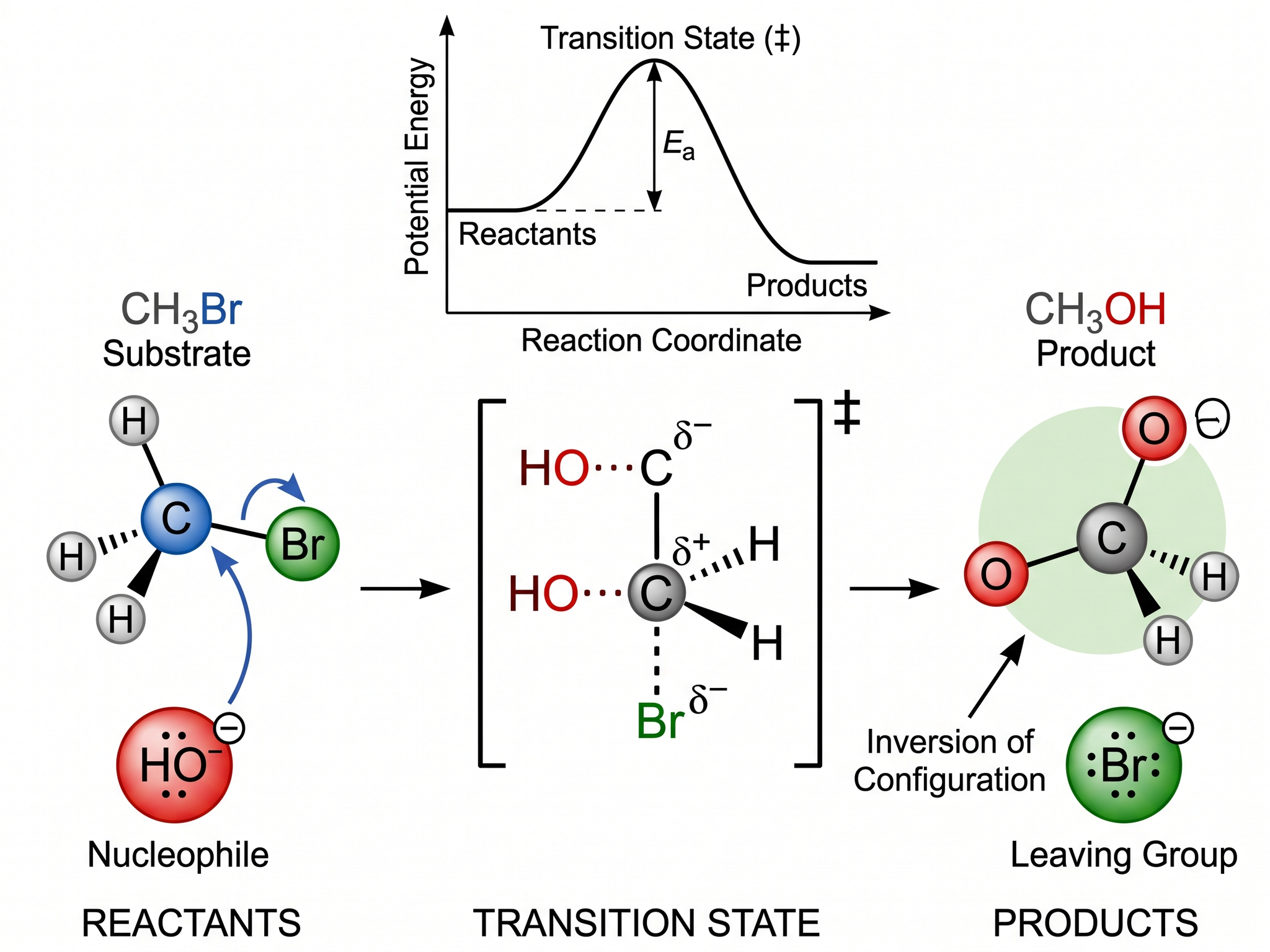
Chemistry Diagram Generator
Create chemistry figures, TOC graphics, and molecular visuals
Try it free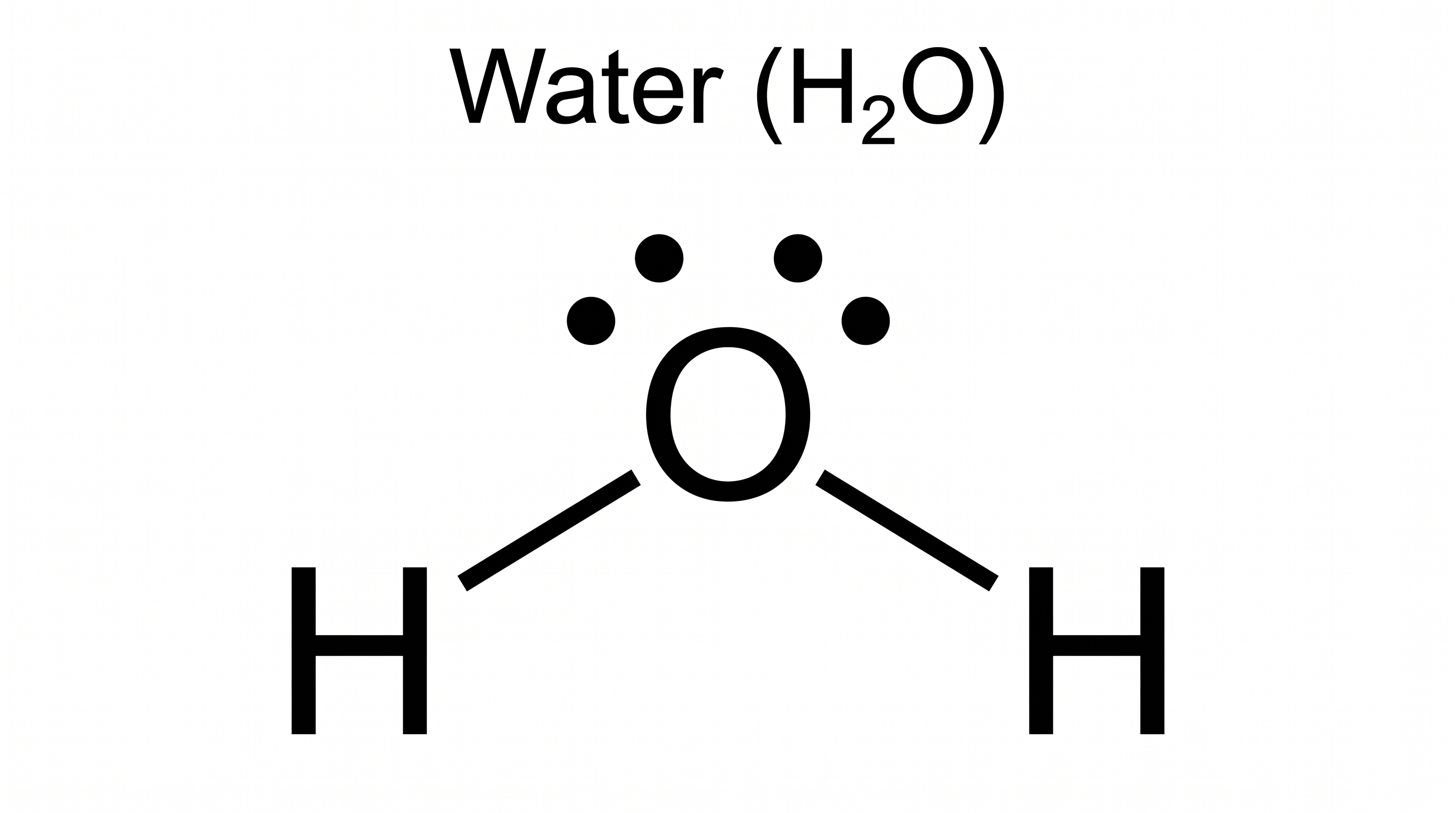
Lewis Dot Structure Generator
Draw electron dot diagrams for any molecule or ion instantly.
Try it free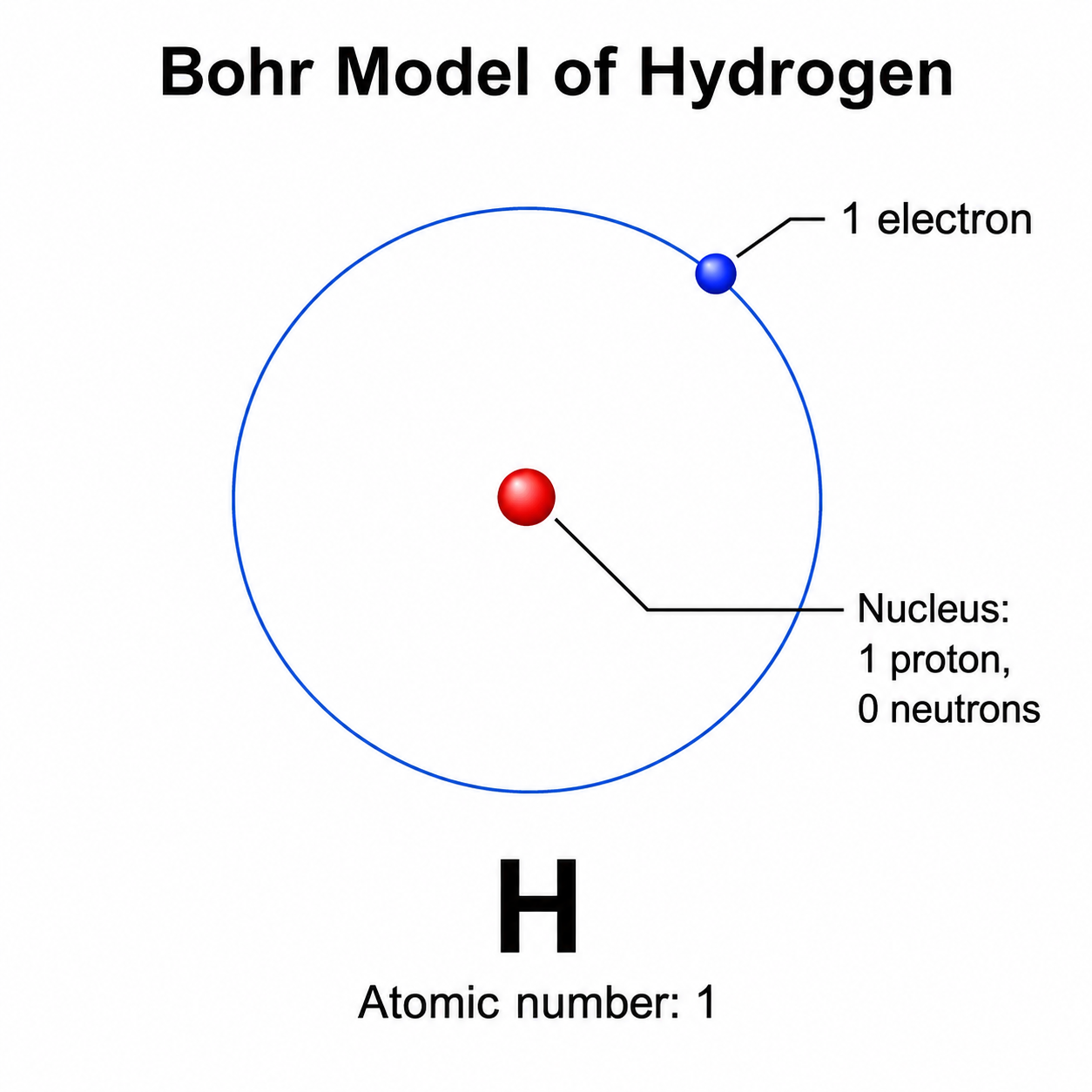
Bohr Model Maker
Draw clean, labeled Bohr diagrams with a nucleus and electron shells from a text prompt.
Try it freeReady to Draft Your Reaction Mechanism Figure?
Join thousands of chemists who save hours on mechanism illustration with SciDraw AI.