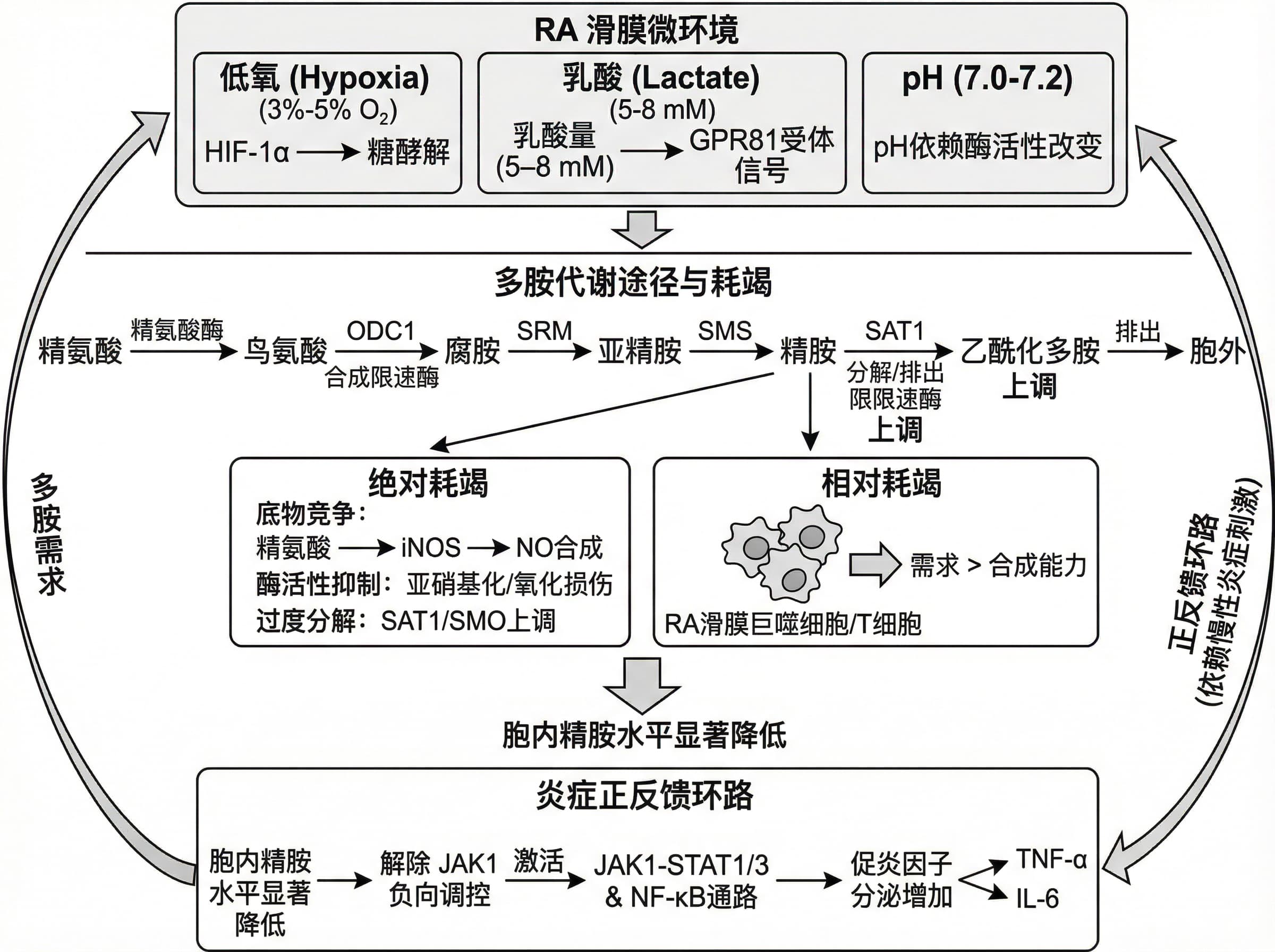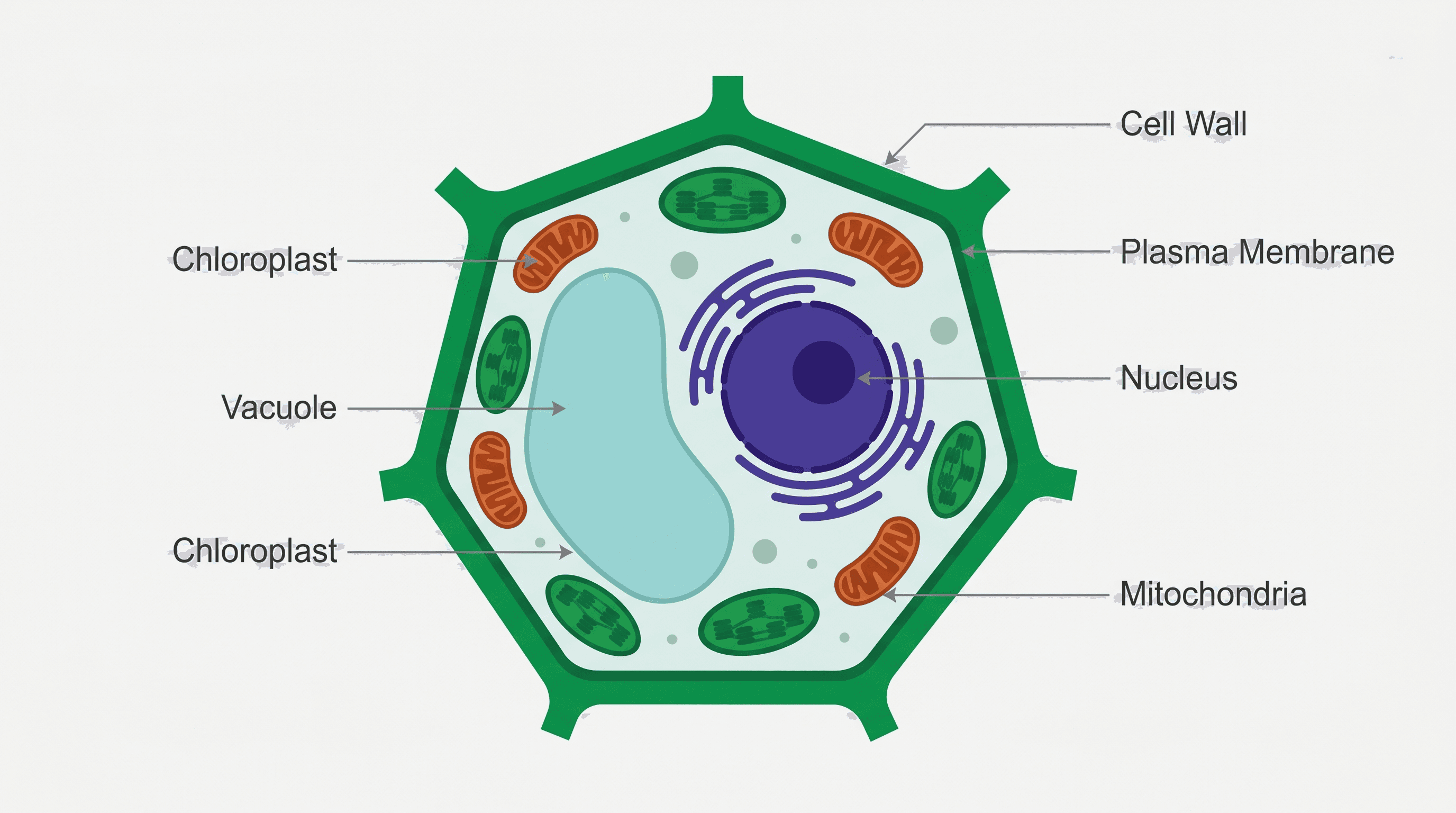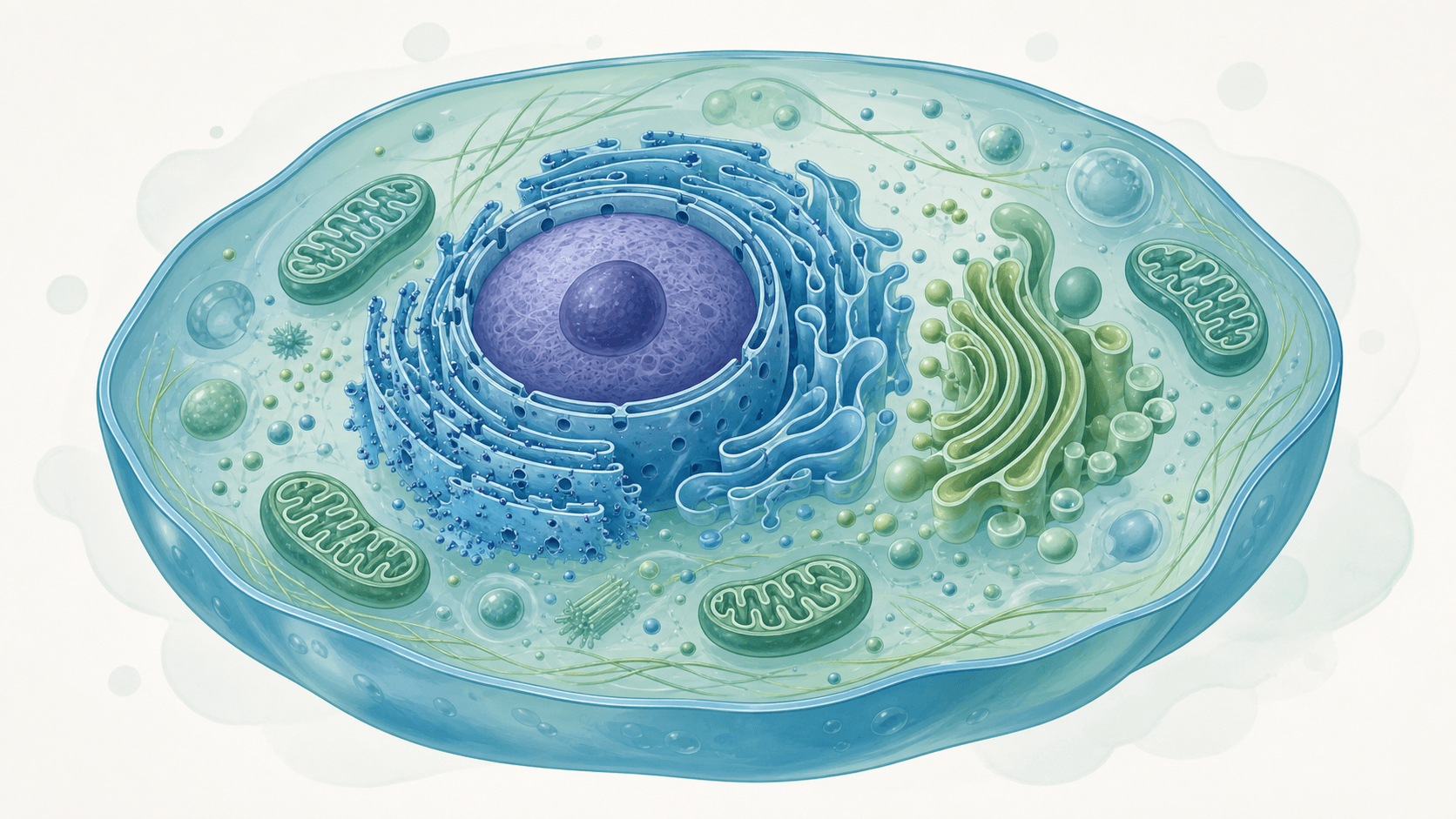
Объяснить сигнальный путь, митоз или строение митохондрии одними словами тяжело: клеточная биология почти не обходится без рисунков. Но нарисовать вручную подписанную клетку без навыков дизайна — это часы работы, да и пропорции органелл всё равно не сходятся.
В этом руководстве показано, как с помощью ИИ быстро делать точные, готовые к подаче иллюстрации по клеточной биологии — с готовыми промптами по типам задач (целая клетка, органеллы, мембрана, клеточные процессы). Инструмент здесь: Генератор клеточных иллюстраций.
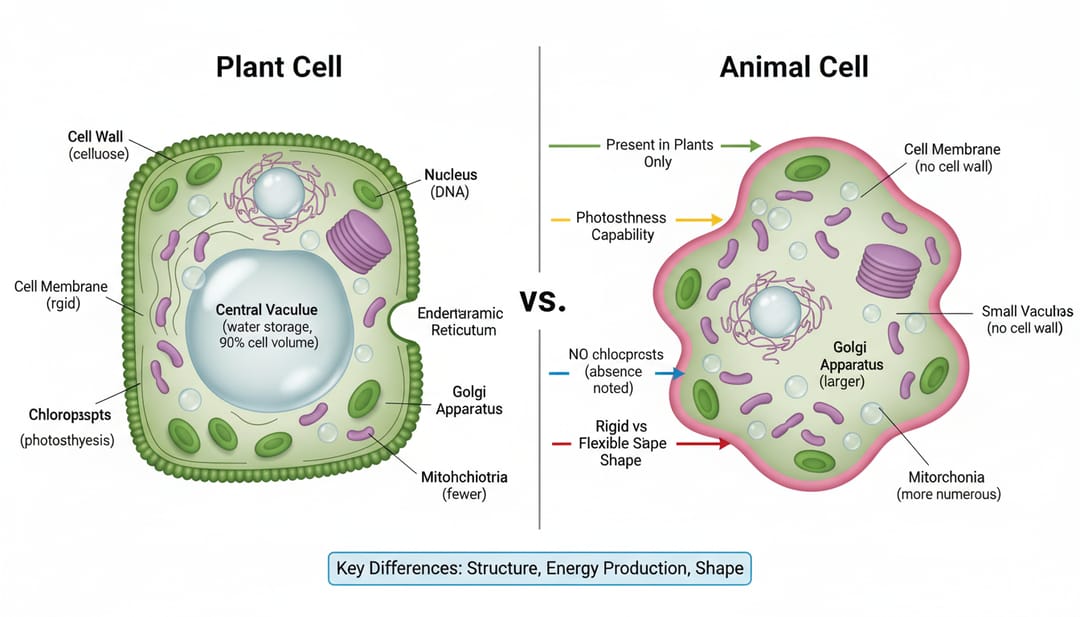 Профессиональные иллюстрации по клеточной биологии эффективно передают сложные концепции
Почему иллюстрации по клеточной биологии важны
Эффективные клеточные иллюстрации помогают:
- Объяснить механизмы: Показать, как работают клеточные процессы
- Представить контекст данных: Обрамить результаты экспериментов
- Обучить концепциям: Поддержать образовательные материалы
- Сообщить о результатах: Сделать статьи более доступными
Основные типы визуализации в клеточной биологии
1. Схемы целой клетки
Основополагающая иллюстрация, показывающая клеточную архитектуру.
Подсказка для эукариотической клетки:
Detailed eukaryotic cell cross-section illustration,
visible organelles: nucleus with nucleolus, rough and smooth ER,
Golgi apparatus, mitochondria, lysosomes, peroxisomes,
cytoskeleton elements, plasma membrane with proteins,
each organelle clearly labeled in English,
educational scientific illustration style,
white background, 4:3 landscape format
Подсказка для прокариотической клетки:
Bacterial cell diagram showing prokaryotic structure,
cell wall, plasma membrane, nucleoid region with DNA,
ribosomes scattered in cytoplasm, flagellum and pili,
capsule layer visible, plasmid indicated,
comparative biology style, clear labels,
suitable for microbiology textbook
2. Детальные иллюстрации органелл
Увеличение масштаба конкретных клеточных компартментов.
Строение митохондрии:
Detailed mitochondrion cross-section,
outer membrane, intermembrane space, inner membrane with cristae,
matrix containing mtDNA and ribosomes,
ATP synthase complexes visible on cristae,
electron transport chain components indicated,
biochemistry illustration style,
labels: "Outer membrane", "Inner membrane", "Cristae", "Matrix"
Строение ядра:
Eukaryotic nucleus detailed illustration,
nuclear envelope with double membrane,
nuclear pores with transport complexes,
chromatin and chromosomes visible,
nucleolus for ribosome assembly,
nuclear lamina supporting structure,
molecular biology textbook style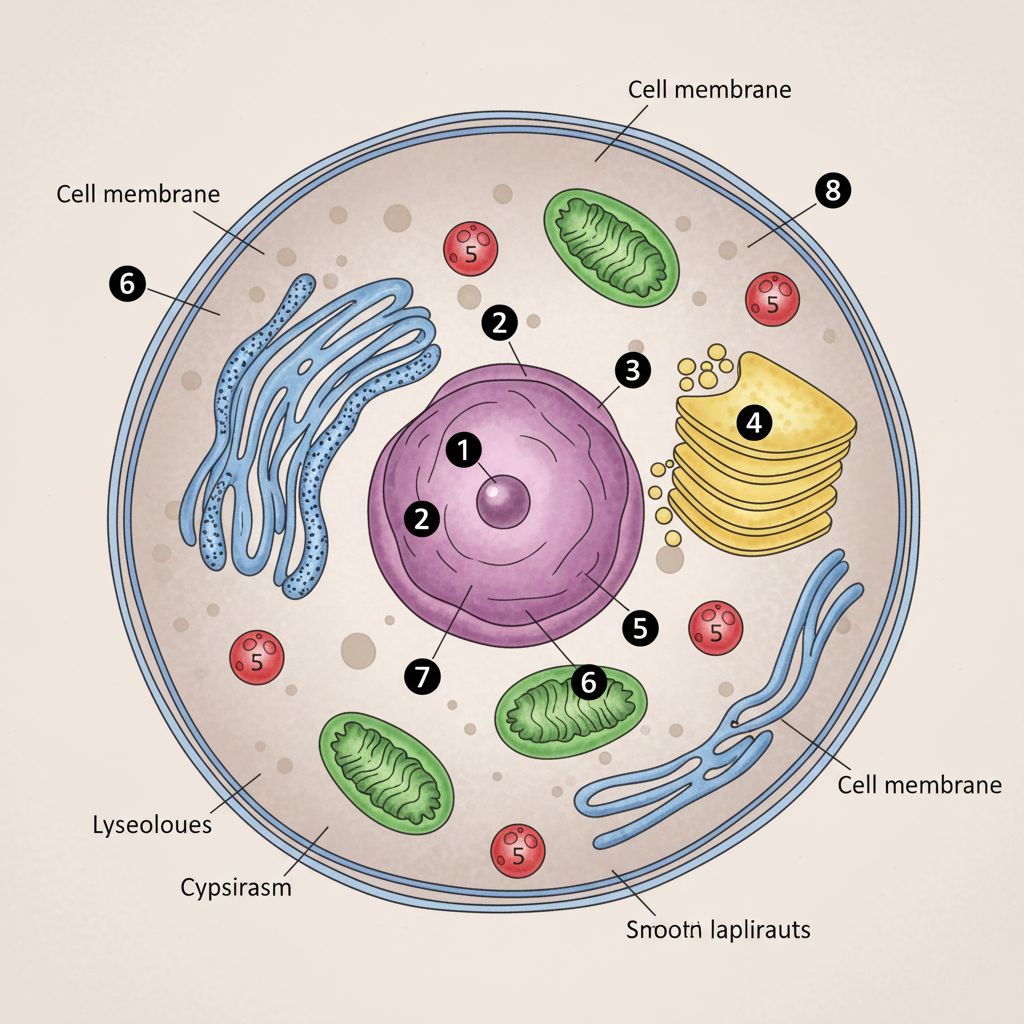 Детальные иллюстрации органелл поддерживают понимание клеточной функции
3. Биология мембран
Визуализация сложного мира биологических мембран.
Плазматическая мембрана:
Fluid mosaic model of plasma membrane,
phospholipid bilayer with hydrophilic heads and hydrophobic tails,
integral proteins spanning membrane,
peripheral proteins on surfaces,
cholesterol molecules interspersed,
glycoproteins and glycolipids on outer surface,
cell biology textbook illustration style
Транспорт через мембрану:
Membrane transport mechanisms comparison,
passive diffusion, facilitated diffusion, active transport,
channel proteins and carrier proteins shown,
ion gradients indicated with arrows,
ATP usage marked for active transport,
educational diagram with clear labels,
4:3 landscape format
4. Клеточные процессы
Динамические иллюстрации клеточной активности.
Деление клетки (Митоз):
Mitosis stages illustration showing cell cycle,
prophase: chromosome condensation, spindle formation,
metaphase: chromosomes aligned at metaphase plate,
anaphase: sister chromatid separation,
telophase: nuclear envelope reformation,
cytokinesis: cell division completion,
circular or linear arrangement, labeled stages,
cell biology education style
Синтез белка:
Protein synthesis pathway illustration,
DNA in nucleus → transcription → mRNA,
mRNA export through nuclear pore,
ribosome assembly on mRNA,
translation with tRNA bringing amino acids,
polypeptide chain emerging,
central dogma of molecular biology,
scientific illustration style
Клеточное дыхание:
Cellular respiration overview diagram,
glucose entry into cytoplasm,
glycolysis pathway producing pyruvate,
pyruvate entering mitochondria,
citric acid cycle in matrix,
electron transport chain on inner membrane,
ATP production tallied at each stage,
biochemistry textbook style
Расширенные иллюстрации по клеточной биологии
Пути передачи сигналов
Сигнализация рецепторной тирозинкиназы:
RTK signaling pathway illustration,
ligand binding causing receptor dimerization,
autophosphorylation of tyrosine residues,
adapter protein recruitment (GRB2, SOS),
RAS activation (GDP to GTP exchange),
MAPK cascade (RAF → MEK → ERK),
nuclear translocation and gene activation,
cell signaling diagram style,
phosphorylation events marked with "P"
Сигнализация GPCR:
G-protein coupled receptor signaling cascade,
7-transmembrane receptor structure,
heterotrimeric G-protein (α, β, γ subunits),
GDP-GTP exchange upon activation,
effector activation (adenylyl cyclase or PLC),
second messenger production (cAMP or IP3/DAG),
downstream effects illustrated,
pharmacology textbook style
Межклеточные взаимодействия
Типы клеточных контактов:
Epithelial cell junction illustration,
tight junctions at apical surface (claudins, occludins),
adherens junctions (cadherins, catenins),
desmosomes (desmogleins, desmoplakins),
gap junctions (connexins forming channels),
hemidesmosomes at basal surface,
comparative side-by-side arrangement,
histology illustration style
Взаимодействия иммунных клеток:
T cell and antigen-presenting cell interaction,
APC presenting MHC-peptide complex,
TCR recognizing antigen,
CD4/CD8 coreceptor engagement,
costimulatory molecules (CD28-B7),
immunological synapse formation,
cytokine release indicated,
immunology textbook illustration
Создание клеточных иллюстраций с помощью SciDraw AI
Пошаговый рабочий процесс
Шаг 1: Определите цель визуализации
- Какая клеточная концепция нуждается в иллюстрации?
- Какой уровень детализации требуется?
- Какова целевая аудитория?
Шаг 2: Напишите исчерпывающую подсказку
Включите следующие элементы:
- Предмет: Конкретный тип клеток или процесс
- Компоненты: Перечислите все структуры, которые нужно включить
- Метки: Укажите терминологию
- Стиль: Образовательный, художественный или готовый к публикации
- Формат: Размеры и ориентация
Шаг 3: Сгенерируйте и оцените
- Сгенерируйте несколько версий
- Проверьте научную точность
- Оцените визуальную ясность
Шаг 4: Уточните посредством итерации
Refinement prompt:
Previous image was good but needs:
- More detail on [specific structure]
- Clearer labeling of [component]
- Better color contrast between [elements]
- Addition of [missing element]
Пример: Полный рабочий процесс
Цель: Создать иллюстрацию эндоцитоза для статьи
Первоначальная подсказка:
Endocytosis mechanism illustration,
clathrin-mediated endocytosis steps shown,
receptor binding on cell surface,
clathrin coat assembly,
membrane invagination,
vesicle scission (dynamin),
clathrin coat disassembly,
vesicle trafficking to early endosome,
sequential steps arranged left to right,
cell biology publication style
Уточнение:
Add more detail to clathrin coat structure,
show adaptor proteins (AP2),
include cargo molecules being internalized,
add labels for each step: "1. Cargo binding",
"2. Coat assembly", "3. Invagination",
"4. Scission", "5. Uncoating"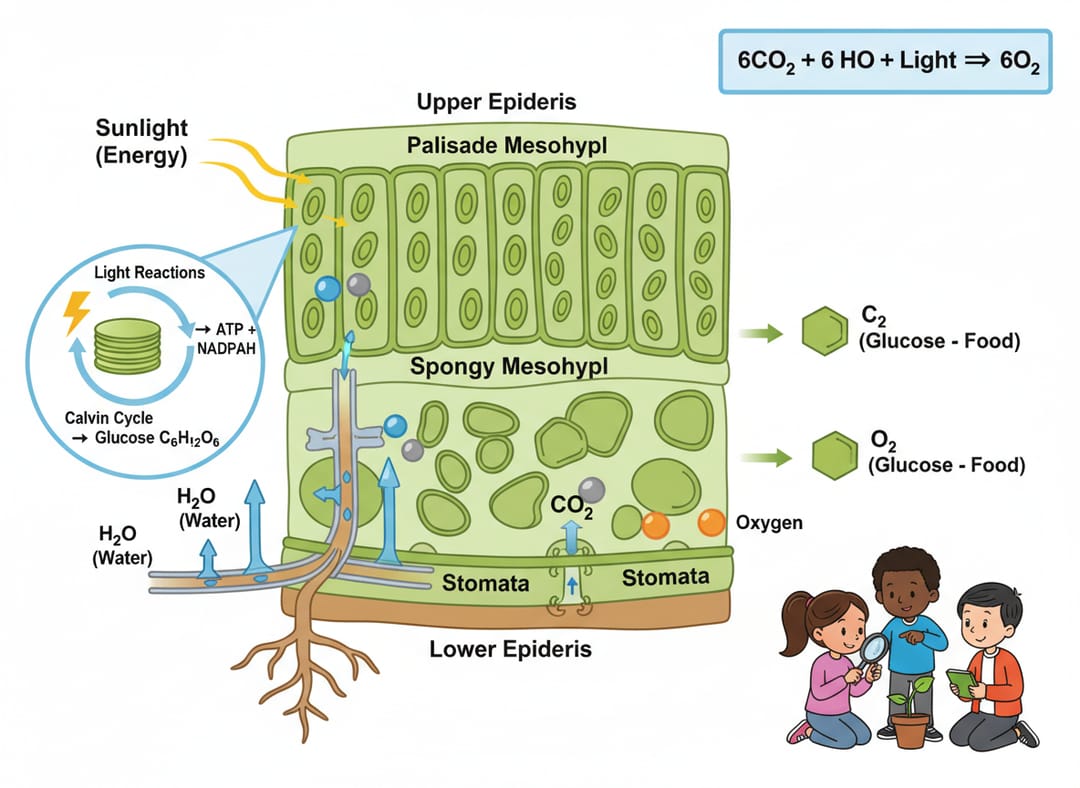 Образовательные иллюстрации сочетают детализацию с ясностью
Подсказки по клеточной биологии для конкретных областей
Биология рака
Cancer cell vs normal cell comparison,
left: normal cell with contact inhibition,
right: cancer cell with uncontrolled division,
differences highlighted: growth signals, apoptosis evasion,
angiogenesis, metastasis capability,
hallmarks of cancer visualization,
oncology education style
Нейробиология
Neuron structure and synaptic transmission,
cell body with nucleus, dendrites, axon,
myelin sheath with nodes of Ranvier,
synaptic terminal with vesicles,
neurotransmitter release into synaptic cleft,
postsynaptic receptors and response,
neuroscience textbook illustration
Биология стволовых клеток
Stem cell differentiation potential illustration,
pluripotent stem cell at center,
differentiation pathways radiating outward,
ectoderm: neurons, skin cells,
mesoderm: muscle, bone, blood cells,
endoderm: lung, liver, gut cells,
developmental biology style
Иммунология
Adaptive immune response overview,
antigen encounter by dendritic cells,
T cell activation in lymph node,
B cell activation and antibody production,
effector T cell responses,
memory cell formation,
immunology textbook style with timeline
Распространенные ошибки в клеточных иллюстрациях
1. Неправильный масштаб
Проблема: Органеллы показаны в неправильных относительных размерах Решение: Изучите фактические размеры; соблюдайте пропорции
2. Отсутствующие компоненты
Проблема: Ключевые структуры опущены Решение: Используйте справочные изображения; создайте контрольные списки
3. Неточные структуры
Проблема: Органеллы нарисованы неправильно Решение: Изучите изображения электронной микроскопии; используйте надежные источники
4. Плохая маркировка
Проблема: Метки неясные или отсутствуют Решение: Пометьте каждый основной компонент; используйте последовательную терминологию
5. Загроможденный дизайн
Проблема: Слишком много элементов, создающих путаницу Решение: Упростите; используйте несколько панелей для сложных концепций
Лучшие практики
Научная точность
- Всегда проверяйте структуры по надежным источникам
- Используйте текущую номенклатуру
- Включайте масштабные линейки, когда это уместно
- Отмечайте видоспецифичные различия
Визуальная ясность
- Используйте одинаковые цвета для одних и тех же структур
- Поддерживайте четкие границы между элементами
- Обеспечьте достаточное белое пространство
- Убедитесь, что метки не перекрывают структуры
Образовательная эффективность
- Переходите от простого к сложному
- Выделите соответствующие функции
- Используйте стрелки для отображения процессов
- Включите легенды для цветовой кодировки
Начните создавать иллюстрации по клеточной биологии
Готовы создавать профессиональные иллюстрации по клеточной биологии?
- Посетите SciDraw AI Drawing
- Выберите подходящий шаблон
- Используйте подсказки в этом руководстве в качестве отправных точек
- Настройте для своих конкретных потребностей
- Повторяйте, пока не достигнете качества публикации
Преобразите способ визуализации клеточной биологии с помощью помощи искусственного интеллекта.
Связанные инструменты:
- Генератор иллюстраций клеток — Создавайте диаграммы клеточной биологии и органелл с помощью ИИ
Статьи по теме:
- Scientific Figure Generator: AI Tool for Research Papers - [Генератор научных рисунков: инструмент искусственного интеллекта для научных статей]
- Nature and Science Figure Requirements - [Требования к рисункам в Nature и Science]
- How to Write Effective AI Prompts for Scientific Illustrations - [Как писать эффективные подсказки ИИ для научных иллюстраций]