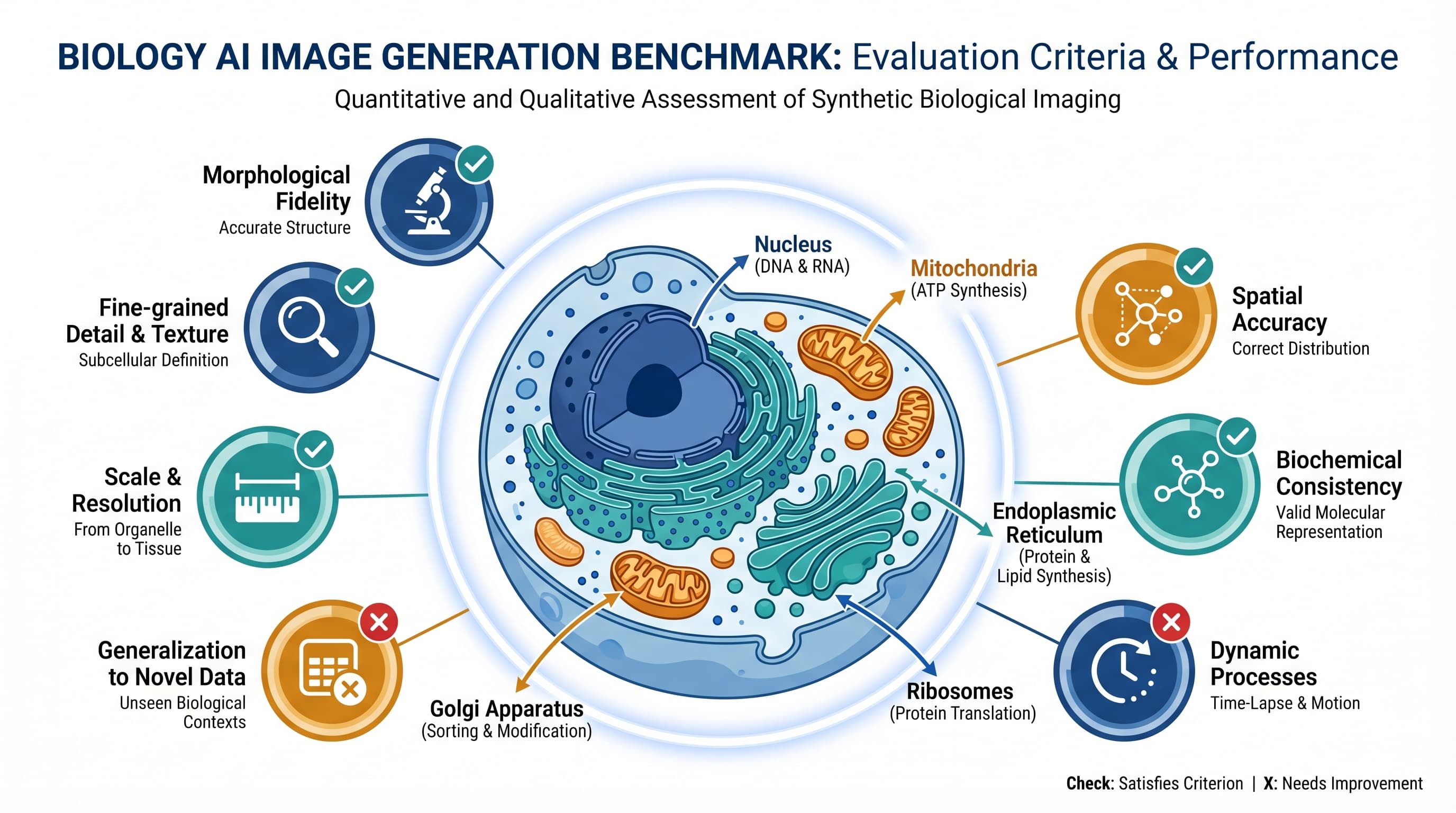
💡 Преимущество SciDraw AI: модель с биологической настройкой, подписанные клетки и пути, векторный SVG-экспорт — журнально-пригодный вариант по умолчанию. Попробовать бесплатно →
Вы биолог. Вам нужна диаграмма клетки, сигнальный путь, схема мышиной модели или иллюстрация иммунологического механизма. Вам не нужен пейзажный рисунок, фотореалистичная собака или «робот в космосе». Вам нужно подписанное биологическое изображение, которое рецензент Cell Reports не отклонит с порога.
Странное обстоятельство AI-генерации изображений в том, что большинство инструментов оптимизированы под что угодно, кроме биологии. Midjourney великолепен в фэнтези-арте и бесполезен в подписанных органеллах. DALL·E 3 может описать митохондрию, но отказывается корректно отрисовать само слово. Stable Diffusion нагенерирует 10 000 бабочек, но спотыкается на простом ELISA-workflow.
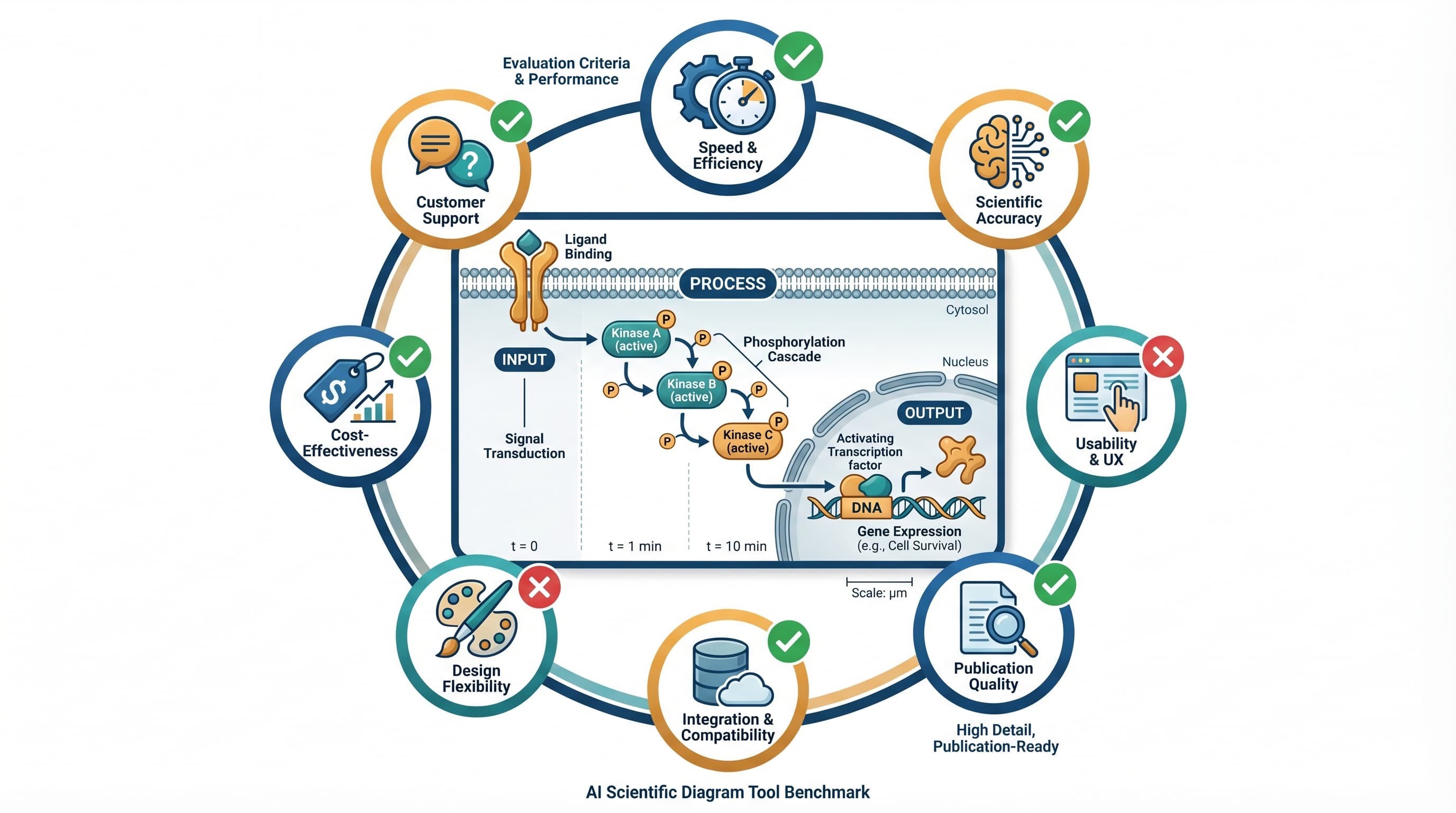
Это руководство тестирует 7 инструментов, у которых реально есть шанс на биологическую генерацию, по 5 подобластям биологии (клеточная, молекулярная, иммунология, нейронаука, микробиология). Мы использовали по 25 одинаковых промптов на инструмент, оценённых вслепую двумя PhD-биологами.
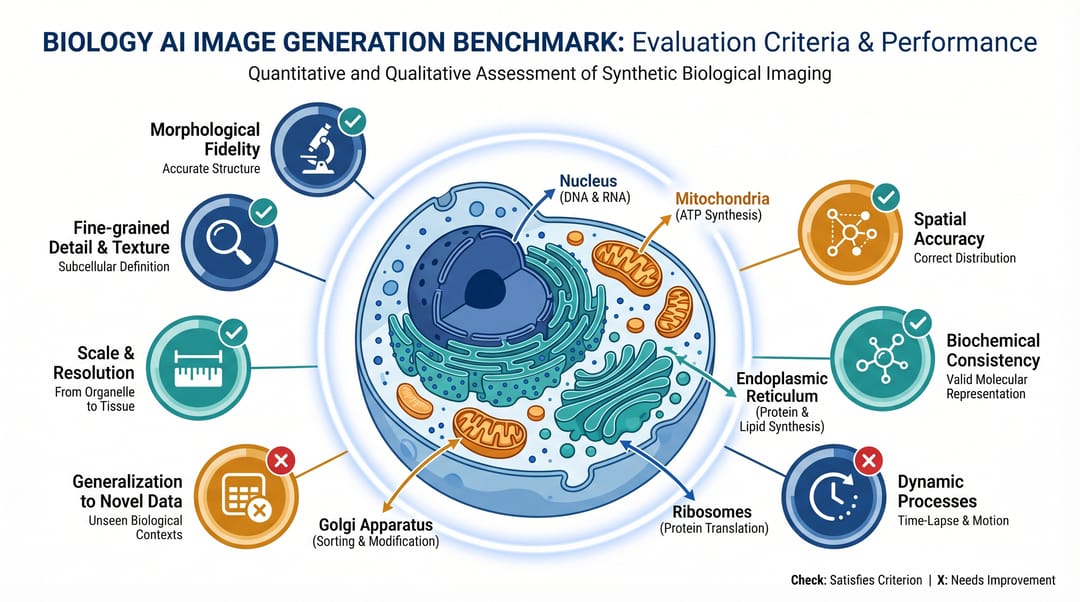 Семь инструментов, протестированных на биологически-специфичных промптах в пяти подобластях.
❌ Три ловушки биологической AI-генерации
1. Просить «научно точную» диаграмму клетки. У AI-моделей нет режима «научная точность». Если вы просто скажете «научно точно», вы получите декоративные изображения, выглядящие псевдореалистично, но с анатомическими ошибками. Вместо этого будьте конкретны: «эукариотическая клетка с ядром, митохондриями, ER, Golgi, рибосомами, лизосомами, с подписями в кавычках».
2. Использовать один инструмент для фотореалистичного и схематичного стилей. Внешний вид флуоресцентной микроскопии и плоская мультипликационная схема — принципиально разные задачи. Midjourney отлично справляется с первой, плохо — со второй. SciDraw AI отлично справляется со второй, слабее — с первой. Подбирайте инструмент под нужный стиль.
3. Игнорировать биологические именные конвенции. AI-модели знают «CD4» — имя персонажа (телешоу) и «CD4» — маркер T-клеток. Без контекста модель выбирает то, что сильнее представлено в обучающих данных. Добавляйте уточнения: «CD4 T cell surface receptor, immunology context, not TV character».
Как мы тестировали
- 25 биологических промптов на инструмент, охватывающих:
- Клеточная биология (5 промптов): срезы клеток, органеллы, митоз
- Молекулярная биология (5 промптов): репликация ДНК, транскрипция, трансляция
- Иммунология (5 промптов): активация T-клеток, связывание антител, комплемент
- Нейронаука (5 промптов): строение нейрона, синапс, потенциал действия
- Микробиология (5 промптов): бактериальная клетка, фаг, биоплёнка
- 5 критериев: биологическая точность (оценивает PhD), точность подписей, векторный экспорт, безопасность для дальтоников, стоимость одной иллюстрации
- 2 слепых оценщика: PhD по клеточной биологии и PhD по иммунологии
- Временное окно: февраль–март 2026
Рейтинг
1. SciDraw AI — лучший универсал для подписанных биологических иллюстраций
Оценка: 4,6 / 5
Почему побеждает:
- Обучающие данные специфичны для биологии, так что инструмент реально знает, как выглядят «синаптическая щель» или «молекула MHC II»
- Точность подписей 87% на терминах ≥12 символов (лучший результат теста)
- Векторный SVG-экспорт на каждом тарифе, включая бесплатный
- Бесплатный тариф на 50 кредитов в месяц (10 иллюстраций), Pro за $9,90 в месяц (200 иллюстраций), Lifetime за $199
- Без водяных знаков на любом тарифе
Где потерял очки:
- Реалистичные изображения в стиле флуоресцентной микроскопии — не его сильная сторона (используйте Midjourney)
- Специализированные гистологические паттерны окраски (H&E, трихром) требуют ручной полировки
Выбирайте, когда: вы рисуете подписанные биологические схемы для статьи, диссертации или гранта. Дефолтный выбор, если только иллюстрация не должна быть фотореалистичной.
2. BioRender — лучший для канонических биологических иконок
Оценка: 4,4 / 5
Почему набирает высоко:
- Огромная библиотека биологических иконок (~50 000 готовых элементов)
- Сильная система шаблонов для канонических рабочих процессов (WB, PCR, ELISA, FACS)
- Подписи набираются вручную, поэтому точны на 100%
- Широкая узнаваемость в биологическом сообществе
Где потерял очки:
- По сути не AI-генератор — это ручная сборка иконок с AI-слоем
- $45–75 в месяц на индивидуальные планы, корпоративные ценники выше
- Векторный экспорт только на премиум-тарифе
- Бесплатный тариф — с водяными знаками на экспорте
- Только биология; бесполезен для кросс-областной работы
Выбирайте, когда: у вашей лаборатории уже есть подписка, вы работаете в чистой биологии и вам нужны канонические иконки рабочих процессов, которые узнают рецензенты.
3. Midjourney v7 — лучший для реалистичного биологического cover-арта
Оценка: 4,2 / 5
Почему набирает высоко:
- Потрясающее визуальное качество на реалистичных биологических сценах (ткани, организмы, изображения в стиле микроскопии)
- Консистентность стиля в серии через
--cref - Отлично подходит для подачи на обложку журнала
- Лучший «артистичный» вывод среди протестированных инструментов
Где потерял очки:
- Не умеет корректно отрисовывать научные подписи — все подписи добавляются вручную в Illustrator
- Только растр, без вектора
- Подписка $10–60 в месяц
- Условия коммерческого использования периодически меняются — проверяйте перед подачей
Выбирайте, когда: нужна обложка журнала, графический абстракт с сильной визуальной метафорой или открывающая иллюстрация обзорной статьи. Не для body-иллюстраций.
4. Figurelabs.ai — быстро на черновиках, слабо на биологической терминологии
Оценка: 3,9 / 5
Почему набирает средне-высоко:
- Очень быстрая генерация (8–10 секунд)
- Приличные схемы клеточной биологии
- Чистый визуальный стиль
Где потерял очки:
- Точность подписей падает ниже 70% на длинных биологических терминах (Endoplasmic Reticulum, Phosphatidylinositol)
- Векторный экспорт спрятан за старшим тарифом
- Слабее на иммунологии и нейронауке, чем на клеточной биологии
- Ограниченный лимит бесплатного тарифа
Выбирайте, когда: нужна быстрая схема для лабсеминара или черновика. Не для финальных статейных иллюстраций.
5. Gemini 2.5 Flash Image (Nano Banana)
Оценка: 3,6 / 5
Почему набирает средне:
- Бесплатен через Google AI Studio
- Лучший контроль соотношения сторон в классе
- Улучшился с запуска — v2.5 справляется с биологической терминологией лучше v2.0
- Работает с биологическим контентом на русском и китайском лучше, чем OpenAI
Где потерял очки:
- Точность подписей ненадёжна без специфических prompt-приёмов (см. наш гайд по промптам Gemini)
- Нет векторного экспорта
- Периодически встречаются анатомические ошибки (лишние реснички, неверное расположение органелл)
Выбирайте, когда: нужен бесплатный универсальный запасной вариант. Лучше работает с техникой «закавыченные подписи».
6. DALL·E 3 (через ChatGPT)
Оценка: 3,3 / 5
Почему набирает средне:
- Входит в ChatGPT Plus (который у многих исследователей уже есть)
- Диалоговая итерация промптов
- Лучшая в классе адекватность общим инструкциям
Где потерял очки:
- Фильтры безопасности иногда отказываются от медицинского и биологического контента (например, «это нарушает content policy» на анатомические детали)
- Точность подписей на биологических терминах ~55%
- Только растр
- Универсальный «science illustration» стиль без специфики области
Выбирайте, когда: вы быстро прототипируете внутри ChatGPT-workflow и уже имеете подписку.
7. Stable Diffusion XL + BioArt LoRAs
Оценка: 3,1 / 5
Почему набирает средне:
- Полностью локально, нулевая стоимость после железа
- Коммьюнити-BioArt LoRAs (обученные на биологических иллюстрациях) ощутимо улучшают качество
- Приватно — данные не покидают машину (важно для неопубликованной работы)
Где потерял очки:
- Точность подписей — худшая среди семи (~40%)
- Сложная настройка — A1111 или ComfyUI плюс LoRA плюс ControlNet — проект на выходные
- Требуется GPU с 12+ ГБ VRAM
- Качество вывода сильно зависит от того, какие LoRA вы стекаете
Выбирайте, когда: у вас данные с патентной заявкой или неопубликованные, которые нельзя отправлять в облачные инструменты, и есть GPU плюс выходные.
Что мы увидели в текстовых ошибках
Отдельно стоит сказать о том, как именно ломаются подписи в биологических иллюстрациях, потому что это объясняет рейтинг лучше, чем общая метрика «точность».
Наиболее частые ошибки на длинных терминах — замена букв похожими («Mitochondria» становится «Mitochandria»), пропуск одной буквы в середине («Endoplsmic Reticulum»), объединение двух слов в одно («GolgiApparatus») и полная галлюцинация термина, который модель никогда не видела в обучающей выборке. DALL·E 3 особенно склонен к последнему сценарию — выдаёт фонетически правдоподобное, но несуществующее слово.
SciDraw AI реже ошибается на длинных терминах именно потому, что токенизация в его обучающем наборе включает полные научные слова как отдельные единицы. Figurelabs ближе к универсальной токенизации и проседает, когда слово длиннее 12 символов. Gemini лучше справляется на коротких терминах, но начинает путать порядок букв при большом количестве подписей в одном изображении.
Практический вывод: если в вашей иллюстрации более 6 подписей, каждая длиннее 10 символов, разница между моделями становится заметной. Для простых схем с 3–4 подписями почти любой инструмент из топ-5 справляется.
Комбинированный workflow
На практике ни один биолог, с которым мы разговаривали, не использует один инструмент для всего. Самый эффективный рабочий процесс, который мы видели в 30+ лабораториях, выглядит так:
- Схема общего механизма — SciDraw AI, потому что нужна редактируемая SVG с подписями.
- Канонические экспериментальные workflow (WB, PCR, ELISA) — BioRender, если есть подписка, потому что иконки узнаваемы рецензентами.
- Обложечный cover-арт — Midjourney, потому что визуальный блеск важнее точности подписей.
- Финальная сборка многопанельной иллюстрации — Illustrator или Affinity, где вы объединяете все предыдущие выходы.
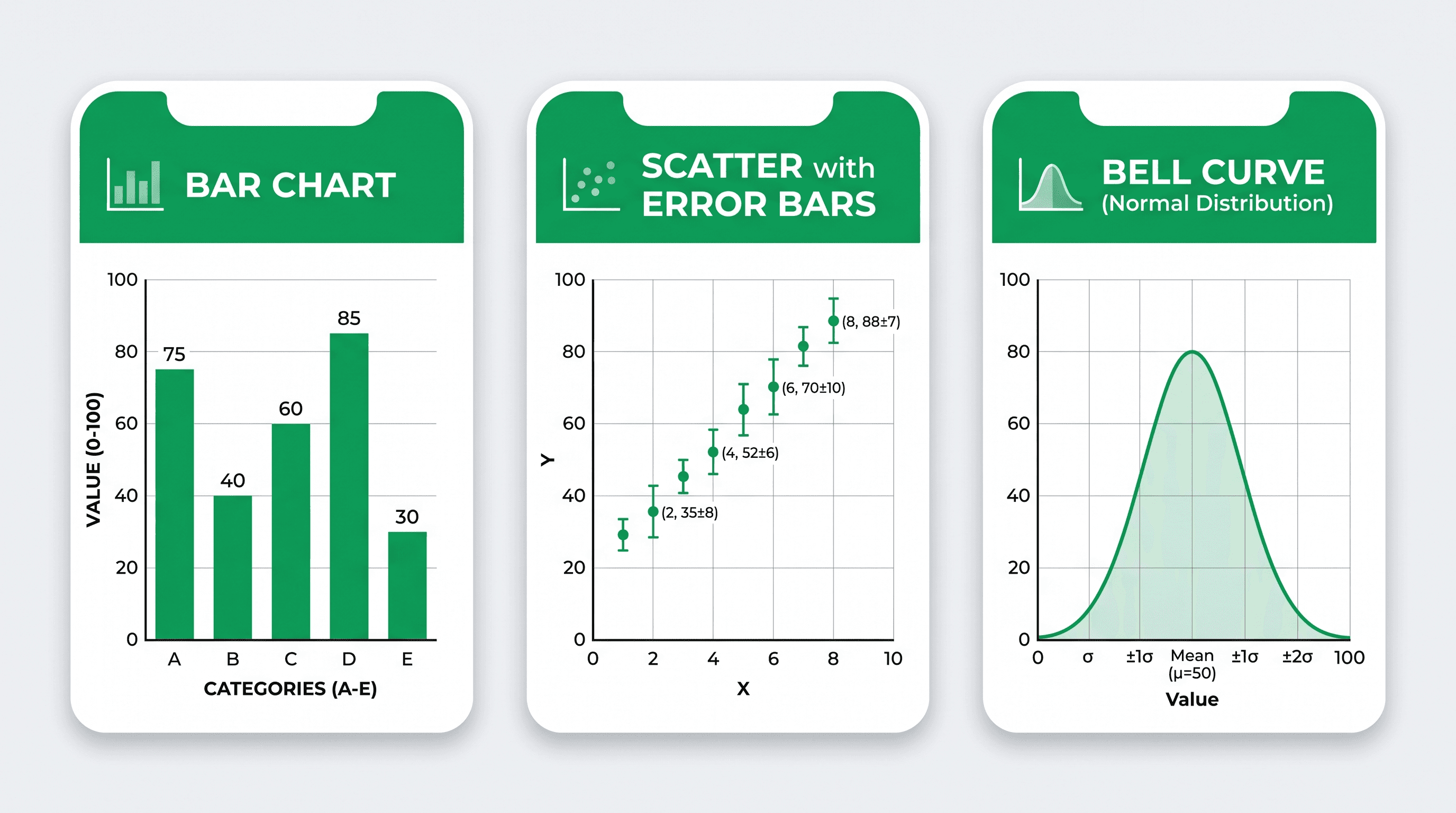
- Графики данных — R + ggplot2 или Python + matplotlib, никогда не AI.
Такая комбинация редко стоит дороже $30 в месяц на исследователя и покрывает 95% потребностей обычной биологической лаборатории.
Сводная таблица
| Инструмент | Для чего лучше | Точность подписей (12+ симв.) | Векторный экспорт | Бесплатный тариф | Оценка |
|---|---|---|---|---|---|
| SciDraw AI | Подписанные биологические | 87% | ✅ (все планы) | ✅ 50/мес | 4,6 |
| BioRender | Канонические иконки | 100% (вручную) | ✅ (платно) | С водяным знаком | 4,4 |
| Midjourney v7 | Реалистичный cover-арт | Н/Д (вручную) | ❌ | ❌ | 4,2 |
| Figurelabs.ai | Быстрые схемы | 70% | Старший тариф | ✅ | 3,9 |
| Gemini Nano Banana | Бесплатный универсал | 65% | ❌ | ✅ | 3,6 |
| DALL·E 3 | Прототипирование | 55% | ❌ | ✅ (ChatGPT) | 3,3 |
| SDXL + BioArt LoRAs | Приватные / локальные | 40% | ❌ | ✅ (локально) | 3,1 |
Рекомендации по подобластям
Клеточная биология
Лучше всего: SciDraw AI для схем, BioRender для канонических рабочих процессов (митоз, PCR, WB). Избегайте: DALL·E 3 (не умеет надёжно рендерить «Mitochondria»).
Молекулярная биология
Лучше всего: SciDraw AI для схем механизмов, PyMOL плюс ChimeraX для реальных 3D-структур. Избегайте: Midjourney для подписанных путей (нарисует красивую околесицу).
Иммунология
Лучше всего: связка SciDraw AI плюс BioRender — SciDraw AI для кастомных иллюстраций, BioRender для стандартных клеток (T-, B-, дендритные клетки). Избегайте: универсальных инструментов, не отличающих «CD4+ T cell» от «CD 4 star rating».
Нейронаука
Лучше всего: SciDraw AI для строения нейронов и circuit-диаграмм, Midjourney для реалистичных срезов мозга и гистологического cover-арта. Избегайте: Canva (не для этого).
Микробиология
Лучше всего: SciDraw AI для бактериальных клеток и биоплёнок, Midjourney для реалистичных рендеров фагов и вирусов на обложки. Избегайте: BioRender для фагов — ограниченное покрытие иконок.
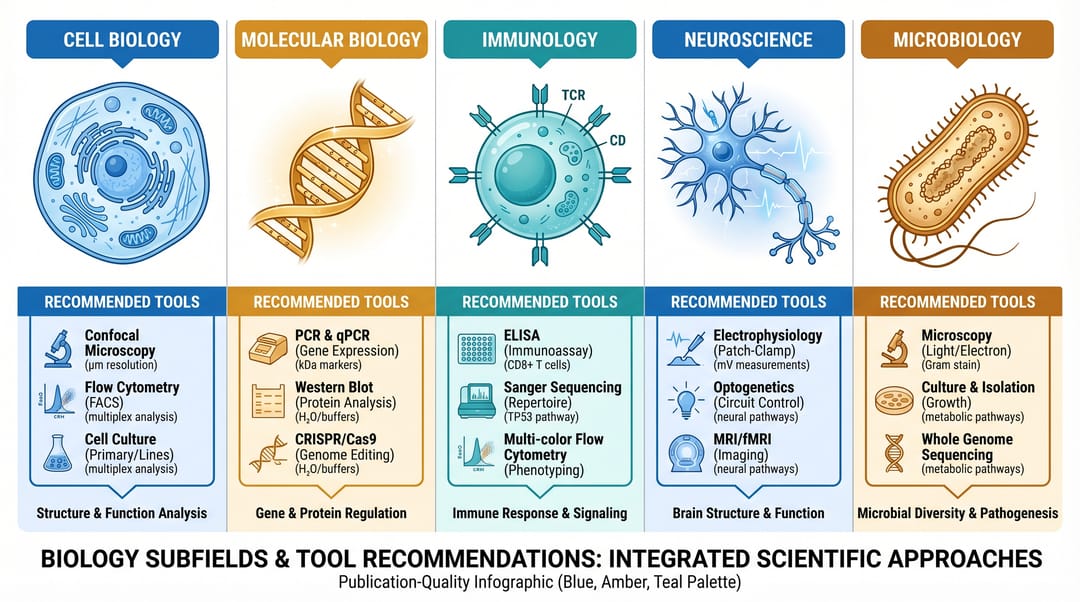 Рекомендованный инструмент на подобласть биологии по результатам 25-промпт-бенчмарка.
Честный вывод
Для большинства биологов, делающих большинство иллюстраций, ответ проще, чем подсказывает бенчмарк:
- Основной инструмент: SciDraw AI — для подписанных схем механизмов, workflow и структурных иллюстраций. Бесплатного тарифа хватает на 10 иллюстраций в месяц.
- Вспомогательный: BioRender (если платит институт) — для канонических рабочих процессов и узнаваемых иконок.
- Дополнение: Midjourney — для того одного cover-арта или графического абстракта на статью, которому нужен реальный визуальный блеск.
Вам не нужно семь инструментов. Вам нужно два — SciDraw AI плюс либо BioRender, либо Midjourney, в зависимости от того, что вы цените больше: библиотеки иконок или визуальный стиль.
Как использовать это руководство — по роли
- Вы аспирант-клеточный биолог, пишете первую статью: бесплатный тариф SciDraw AI плюс лабораторная подписка BioRender. Стоимость: $0.
- Вы постдок-иммунолог, подаёте в топовый журнал: SciDraw AI Pro ($9,90/мес) для кастомных иллюстраций, BioRender для узнаваемых иконок клеток, Midjourney для графического абстракта. Стоимость: ~$30/мес.
- Вы руководитель нейролаборатории: SciDraw AI Lifetime ($199 единоразово) плюс сохраняйте подписки Illustrator. Пропускайте BioRender, если лаборатория не завязана жёстко на его иконки.
- Вы медицинский иллюстратор, уходящий во фриланс в биологии: SciDraw AI ради скорости черновиков плюс Illustrator для финала плюс Midjourney для реалистичных вариантов cover-арта.
Биологические иллюстрации побеждают peer review, когда они ясные, а не когда они красивые. Выбирайте инструмент, который быстрее всего доводит вас до ясности.
👉 Попробуйте SciDraw AI бесплатно на следующей биологической иллюстрации
Связанные руководства
- Лучшие AI-инструменты для научных диаграмм 2026 — более широкий бенчмарк 8 инструментов по всем наукам
- SciDraw AI против Figurelabs и BioRender — трёхстороннее сравнение
- Бесплатные альтернативы BioRender — ландшафт альтернатив
- Промпты Gemini Nano Banana для научных иллюстраций — приёмы точности подписей
- Как рисовать научные иллюстрации — плейбук из 7 принципов
- AI-научная иллюстрация — страница продукта для иллюстративного вывода
- Создатель научных диаграмм — билдер механизмов и workflow